Introduction: The Hidden Problem of Poor Indoor Air Quality
Indoor air can often be more polluted than outdoor air — even in well-kept homes. Common pollutants like dust, pollen, smoke, VOCs, pet dander, and volatile chemicals can build up, leading to discomfort and health symptoms. The U.S. EPA lists pollutants such as carbon monoxide, smoke, mold, and VOCs as contributors to poor indoor air quality, which can trigger irritation of the eyes, nose, and throat, headaches, dizziness, and fatigue.
In this guide, we’ll cover:
-
Key signs your indoor air quality is bad
-
Symptoms people commonly experience
-
How Alpine Air Technologies air purifiers help clean the air you breathe
Signs Your Indoor Air Quality Is Bad
1. Persistent Dust and Particles Floating in the Air
If dust seems to continuously settle on surfaces even after cleaning, fine particulate matter could be circulating in your air.
2. Lingering Odors or Smoke Smells
Unpleasant odors from cooking, tobacco smoke, or chemical cleaners that stay in the air can indicate a buildup of airborne pollutants.
3. Increased Allergy or Asthma Symptoms
Symptoms like sneezing, itchy eyes, congestion, postnasal drip, or worsening asthma can signal that your indoor air is filled with allergens such as pollen, dust, or dander.
4. Headaches, Fatigue, or Irritated Airways
Headaches, dizziness, coughing, or sore throat — especially when symptoms improve outdoors — suggest indoor air issues. These effects are linked to pollutants like VOCs and indoor particulate matter.
5. Stale or Musty Air
A stuffy or musty atmosphere, especially in enclosed rooms, can mean airborne pollutants and inadequate ventilation are present.
How Alpine Air Purifiers Help Improve Indoor Air Quality
Alpine Air Technologies’ purifiers use Living Lightning™ technology, inspired by natural air-cleansing processes, to reduce airborne contaminants such as dust, pollen, smoke, mold spores, and odors.
Here are actual Alpine Air products that target indoor pollution — with embedded pictures you can use on your site:
1. Fresh Air LA-3500 v2.0 — Whole Room Air Cleaning
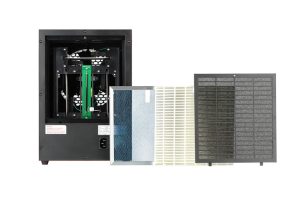
Fresh Air LA-3500 v2.0 is a powerful unit designed for large rooms and open floor plans. It continuously works to reduce smoke, odors, dust, and other airborne pollutants. Research by Alpine suggests that breathing cleaner, pollution-free air can help reduce headaches, sinus issues, allergies, asthma triggers, and respiratory discomfort.
Best for:
✔ Living rooms
✔ Large bedrooms
✔ Open floor spaces
2. NA Flare LA-2700 v2.0 — Mid-Range Coverage
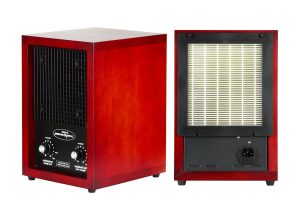
The NA Flare LA-2700 v2.0 delivers broad mid-range air purification, helping to lower airborne irritants like pollen, smoke, pet dander, and dust. It’s suitable for larger rooms where air circulation may be poor.
Best for:
✔ Larger bedrooms
✔ Dining or living space
✔ Offices
3. Alpine Single Room LA-500 v3.0 — Small Space Solutions

For smaller rooms or localized areas with noticeable pollutants, the Alpine Single Room LA-500 v3.0 helps reduce dust, smoke, odors, and airborne allergens. It’s a great starter unit for bedrooms, home offices, and personal spaces.
Best for:
✔ Small bedrooms
✔ Offices
✔ Dorm rooms
4. IPC-4000 Industrial Power Air Cleaner — Heavy-Duty Air Sanitization
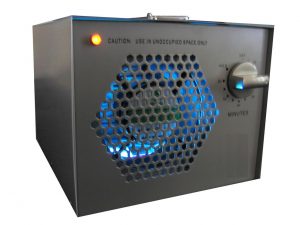
The IPC-4000 is a commercial-grade air cleaner designed to handle severe indoor pollutants such as mold, VOCs, and strong odors. It’s suitable for basements, workshops, or business environments where air quality concerns are significant.
Best for:
✔ Basements
✔ Workshops
✔ Commercial spaces
Why You Might Notice Symptoms When IAQ Is Poor
-
Allergens trigger immune responses — sneezing, runny nose, itchy eyes
-
Particulate matter irritates airways — coughing, wheezing
-
VOCs & smoke foul air — headaches, dizziness, fatigue
-
Musty air suggests mold growth — respiratory irritation that often improves with air cleaning
All of these issues are symptoms of indoor air that needs improving, and using a purifier can help reduce those irritants in the air.
Tips for Monitoring and Improving Your Indoor Air
✔ Open windows when outdoor air is clean
✔ Use exhaust fans during cooking
✔ Vacuum and dust regularly
✔ Run air purifiers continuously
✔ Use the right purifier for your room size
Conclusion: Don’t Ignore the Signs
If you notice symptoms like frequent coughing, odors that linger, headaches indoors, or worsening allergies — your indoor air quality may need attention. Alpine Air purifiers, from models like the Fresh Air LA-3500 v2.0 to the IPC-4000, offer solutions that help reduce common indoor air pollutants and improve the comfort and health of your living spaces.
👉 Browse Alpine Air product options here: https://alpineairtechnologies.com/products/