Introduction: Why Winter Indoor Air Quality Gets Worse
Winter brings cozy nights, warm blankets, and sealed windows — but it also brings poor indoor air quality (IAQ). When temperatures drop, homes become tightly sealed to preserve heat. That often leads to stagnant air, higher pollutant concentrations, and increased exposure to allergens and irritants that can worsen allergies, asthma, coughing, dry throats, and fatigue.
The challenges are real:
-
❄️ Lack of ventilation lets contaminants build up inside.
-
🌬️ Dry air from heating systems can irritate nasal passages and airways.
-
🐶 More time indoors — and more dust, pet dander, and odors circulate.
Seasonal strategies help reduce airborne pollutants during winter — and pairing them with the right air purifiers from Alpine Air Technologies makes your winter air cleaner and healthier.
Winter Air Quality Problem #1: Trapped Indoor Pollutants
With windows closed to keep heat inside, indoor air can become stale and filled with:
-
Dust and dust mites
-
Pet dander
-
Cooking odors
-
VOCs from cleaning products
-
Mold spores from condensation
These can aggravate allergies, asthma, and respiratory discomfort without proper air circulation.
Solution #1: Use a High-Coverage Air Purifier
Fresh Air LA-3500 v2.0 — Whole-Room Winter Air Cleaner
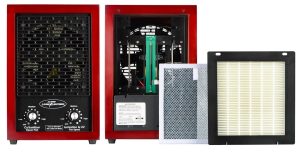
The Fresh Air LA-3500 v2.0 is one of Alpine Air’s most versatile models — great for living rooms, open spaces, and high-traffic winter areas. It helps reduce:
-
dust and pollen
-
odors from cooking and pets
-
airborne particulates that stagnate when windows stay shut
This model uses Living Lightning™ technology to keep indoor air feeling fresher.
Best for: Whole-home coverage during winter months.
Winter Air Quality Problem #2: Dry, Irritating Air
Indoor heating reduces humidity, leading to very dry air — which can:
-
Dry out nasal passages and skin
-
Worsen allergy and asthma symptoms
-
Leave you feeling tired or uncomfortable
Rather than opening windows (which wastes heat), a purifier helps circulate and clean the air without letting cold air in.
Solution #2: Mid-Range Air Purifiers for Continuous Circulation
Alpine Living LA-1500 v2.0 — Balanced Winter Air Support
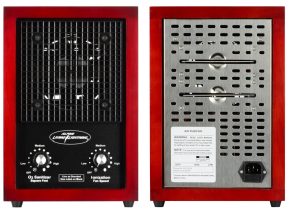
The Alpine Living LA-1500 v2.0 is ideal for most homes — giving continuous purification that helps reduce stale air and maintain a more comfortable IAQ throughout winter.
Best for: Bedrooms, offices, and living areas.
Winter Air Quality Problem #3: Increased Pet & Household Allergens
Cold weather keeps pets indoors more often — which increases pet dander, hair, and allergens. This can trigger symptoms such as sneezing and congestion, especially during winter when air is already stagnant.
Solution #3: Compact & Targeted Air Cleaners
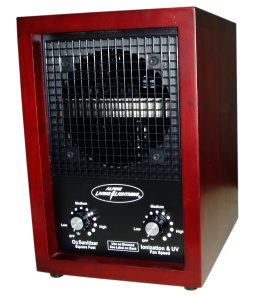
Alpine Pass LA-1000 v2.0 — Everyday Allergy Support
OLYMPUS DIGITAL CAMERA
The Alpine Pass LA-1000 v2.0 is a compact winter favorite for targeted air cleaning in common areas. It’s especially helpful when you:
-
want to control pet dander and dust
-
live in colder climates
-
run heating systems most of the season
Best for: Living rooms, dens, and everyday spaces.
Single Room LA-500 v3.0 — Focused Winter IAQ Boost
The Single Room LA-500 v3.0 is perfect for smaller areas such as:
-
bedrooms
-
kids’ playrooms
-
home offices
It helps keep winter air from feeling stuffy and reduces allergens that accumulate in enclosed spaces.
Winter Air Quality Problem #4: Mold, Mildew & Moisture
Condensation on windows and cold surfaces can lead to moisture buildup, which can promote mold and mildew growth — a major winter IAQ concern if untreated.
Solution #4: Heavy-Duty Purification & Odor Control
IPC-4000 Industrial Power Air Cleaner — Severe IAQ Trouble Area Solution
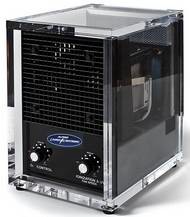
The IPC-4000 Industrial Power Air Cleaner is designed to tackle:
-
mold and mildew spores
-
bacteria and viruses
-
chemical odors and heavy contaminants
This unit is ideal for areas that see higher moisture or activity — like basements, laundry rooms, or workshops — where winter humidity and stagnation can worsen air quality.
Best for: Large spaces and severe indoor air challenges.
Actionable Winter IAQ Tips to Combine With Purification
❄️ 1. Practice Brief Ventilation
Even in cold weather, briefly open windows (about 5–10 minutes) to refresh indoor air and reduce contaminants that purifiers may miss. This technique — known as “lüften” — helps flush out old, polluted indoor air.
🔥 2. Change HVAC Filters Regularly
Your HVAC filter traps dust and airborne particles. Replacing it according to manufacturer recommendations helps your whole-home air system work more efficiently.
💧 3. Maintain Proper Humidity
Ideal indoor humidity during winter is around 30–50%. Balanced humidity prevents dry skin and respiratory irritation and makes purifiers more effective.
🧹 4. Clean Surfaces Frequently
Vacuum, dust, and wipe down common surfaces weekly to reduce settled particles that can re-enter the air stream.
Why Alpine Air Purifiers Are a Good Winter Choice
Alpine Air systems work continuously in the background to reduce a wide range of indoor pollutants — including dust, pollen, odors, and airborne microbes — helping keep air fresher and healthier throughout cold months. They use technology inspired by natural air cleansing processes rather than just a single mechanical filter.
Conclusion: Better Winter Air Starts With Prevention & Purification
Winter air quality challenges — from stagnant, dry air to allergens and odors — are real and common. But by combining smart winter routines with the right air purifier from Alpine Air Technologies, you can create a healthier indoor environment for your family and home.
👉 Explore all Alpine Air purifiers to find your winter IAQ solution:
https://alpineairtechnologies.com/products/