Small spaces like apartments, studios, and compact offices may feel cozy—but they can also trap airborne pollutants more easily than larger homes.
Because of limited ventilation and confined square footage, contaminants can build up quickly, affecting your comfort and health without you even realizing it.
In this guide, we’ll uncover the hidden dangers of indoor air pollution in small spaces and how you can protect yourself.
Why Small Spaces Are More Vulnerable
In smaller environments, air doesn’t circulate as freely.
This leads to:
- higher concentration of pollutants
- faster buildup of airborne particles
- reduced ventilation
- prolonged exposure to contaminants
According to the U.S. Environmental Protection Agency, indoor air can be significantly more polluted than outdoor air—especially in enclosed environments.
Common Sources of Indoor Air Pollution in Small Spaces
Even clean homes can have hidden pollution sources.
🧹 Dust and Particulate Matter
Dust accumulates quickly in small areas due to constant circulation and limited airflow.
Sources include:
- fabrics and carpets
- furniture
- human activity
🐾 Pet Dander and Hair
If you have pets, airborne dander can linger longer in confined spaces.
🍳 Cooking Fumes
Cooking releases:
- smoke particles
- grease
- odors
In small apartments, these pollutants spread quickly and linger.
🧴 Household Chemicals
Cleaning products, sprays, and synthetic fragrances release airborne chemicals.
🚬 Smoke and Outdoor Pollution
Pollution from outside can enter through:
- windows
- doors
- ventilation systems
Living Air Classic – Ideal for Small Space Air Quality
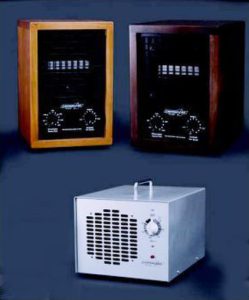
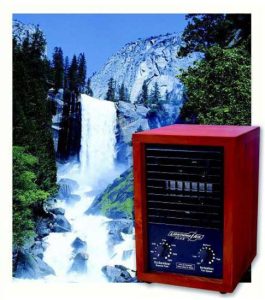

The Living Air Classic is designed for compact environments where air quality can quickly decline.
Key Benefits
- compact and space-saving
- no filters to replace
- helps reduce airborne particles
- assists with odor control
- ideal for apartments and small rooms
Health Risks of Poor Indoor Air in Small Spaces
Prolonged exposure to indoor pollutants can lead to noticeable health effects.
🤧 Allergy Symptoms
- sneezing
- itchy eyes
- congestion
😮💨 Respiratory Irritation
Poor air quality can cause:
- coughing
- throat irritation
- breathing discomfort
😴 Poor Sleep Quality
Stale, polluted air can affect sleep and recovery.
🧠 Fatigue and Discomfort
Low air quality may contribute to:
- headaches
- tiredness
- reduced focus
Organizations like the World Health Organization emphasize the importance of reducing indoor air pollutants to protect health.
Why You Might Not Notice the Problem
Indoor air pollution is often invisible.
You may not notice it because:
- pollutants are microscopic
- odors fade over time
- symptoms develop gradually
👉 By the time you feel the effects, air quality may already be poor.
Signs Your Small Space Has Poor Air Quality
Watch for these warning signs:
✔ frequent dust buildup
✔ lingering odors
✔ stuffy or stale air
✔ increased allergies
✔ poor sleep quality
Living Air Plug-In Purifier – Targeted Air Cleaning


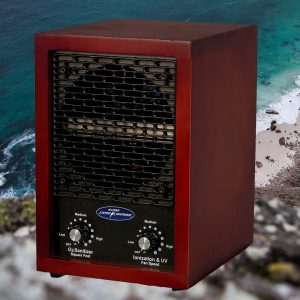
The Living Air Plug-In Purifier is perfect for tight or enclosed areas where pollutants concentrate quickly.
Best For:
- bathrooms
- kitchens
- closets
- hallways
Key Features
- compact plug-in design
- filterless operation
- helps reduce odors in confined spaces
- low maintenance
How to Improve Air Quality in Small Spaces
Improving your indoor air doesn’t require major changes.
✔ Use an Air Purifier
A compact air purifier helps reduce airborne pollutants continuously.
✔ Improve Ventilation
Open windows when outdoor air quality allows.
✔ Clean Regularly
Remove dust and allergens from surfaces.
✔ Reduce Pollution Sources
Limit:
- strong cleaning chemicals
- smoke
- synthetic fragrances
✔ Position Your Purifier Properly
Place it near:
- sleeping areas
- desks
- frequently used spaces
Benefits of Cleaner Air in Small Spaces
Improving air quality can provide:
✔ fresher indoor environment
✔ fewer allergens
✔ reduced odors
✔ better sleep
✔ improved overall comfort
Final Thoughts
Small spaces may be easier to manage—but they can also hide serious air quality issues. Because pollutants concentrate faster in confined environments, it’s essential to take proactive steps to maintain clean indoor air.
The good news is that simple solutions—like using a compact, filter less air purifier—can make a noticeable difference.
Final Verdict
👉 Indoor air pollution in small spaces is more common—and more impactful—than most people realize
👉 With the right air purification strategy, you can quickly improve your indoor environment
✅ Explore solutions for cleaner indoor air:
https://thelivingairpurifier.com