Not all air purifiers work the same way—and choosing the wrong type can leave you disappointed.
The two most common options are:
- Plug-in (ionizer/filterless) air purifiers
- HEPA filter air purifiers
👉 The right choice depends on your goals: convenience vs maximum filtration.
Let’s break it down clearly.
⚙️ How Plug-In Air Purifiers Work
Plug-in purifiers (like Alpine systems) typically use:
- ionization
- active oxygen (ozone in controlled levels)
- electrostatic processes
These technologies charge airborne particles, causing them to:
- clump together
- fall out of the air
- stick to surfaces
Alpine systems also combine multiple technologies like ionization, UV, and carbon deodorization for broader air treatment.
🌬️ How HEPA Air Purifiers Work
HEPA systems use physical filtration:
- air is pulled through a dense filter
- particles are trapped inside
- clean air is released
They are highly effective at capturing:
- dust
- pollen
- pet dander
- smoke particles
👉 HEPA is considered the gold standard for particle removal
🏆 Example: Advanced Alpine Multi-Technology System
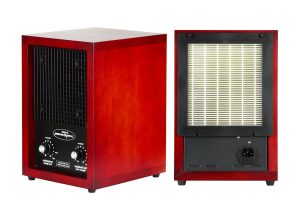
This model goes beyond basic plug-in units:
✔ reduces odors, smoke, and airborne pollutants
✔ helps eliminate bacteria, mold, and viruses
✔ customizable settings for different environments
👉 Best for: larger spaces and stronger air purification needs
🌿 Example: Hybrid Alpine System (Filter + Ionization)
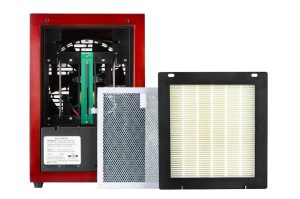
✔ 6-stage purification system
✔ includes washable HEPA + carbon filter
✔ covers large areas
👉 Best for: users wanting both filtration + active purification
📊 Plug-In vs HEPA Air Purifier Comparison
| Feature | Plug-In / Ionizer | HEPA Filter Units | Hybrid Alpine Systems |
|---|---|---|---|
| Filtration Method | Charges particles | Captures particles | Combines both |
| Maintenance | Very low | Requires filter changes | Low (washable filters) |
| Noise Level | Silent | Quiet (fan-based) | Quiet |
| Odor Removal | Strong | Moderate (needs carbon) | Very strong |
| Particle Removal | Moderate | Excellent (99.97%) | Very high |
| Coverage | Small–medium | Medium–large | Medium–large |
| Best For | Convenience & small spaces | Allergies & dust | All-in-one solution |
✅ When to Choose a Plug-In Air Purifier
Choose a plug-in unit if you want:
✔ low maintenance (no filters)
✔ silent operation
✔ compact size
✔ odor reduction
👉 Ideal for:
- bathrooms
- bedrooms
- offices
- apartments
✅ When to Choose a HEPA Air Purifier
Choose HEPA if you need:
✔ strong allergy relief
✔ dust and pollen removal
✔ smoke particle filtration
👉 Ideal for:
- allergy sufferers
- pet owners
- high-dust environments
🧠 The Real Answer: Which Is Better?
Here’s the truth most brands won’t tell you:
👉 Neither is universally “better” — they solve different problems
- HEPA = best for particles (dust, pollen, allergens)
- Plug-in = best for convenience, odors, and everyday air freshness
- Hybrid systems = best of both worlds
💡 Pro Tips for Choosing the Right One
✔ Small room? → Plug-in purifier
✔ Allergies? → HEPA system
✔ Want everything? → Hybrid Alpine system
✔ Hate maintenance? → Filterless/ionizer
🌟 Benefits of Choosing the Right System
✔ cleaner indoor air
✔ fewer allergens
✔ reduced odors
✔ improved comfort
✔ better sleep and focus
Final Thoughts
Air purification isn’t one-size-fits-all. The best solution depends on your space, lifestyle, and priorities.
Alpine air purifiers stand out because they combine multiple technologies, offering flexibility that traditional HEPA-only systems often lack.
🏁 Final Verdict
👉 Choose Plug-In Purifiers for simplicity and small spaces
👉 Choose HEPA Units for maximum particle removal
👉 Choose Alpine Hybrid Systems for complete air purification
✅ Explore Alpine air purification solutions:
https://alpineairpurifier.com