Introduction: Choosing the Right Air Purification Technology
With so many air purifier options available today, it’s easy to feel overwhelmed. HEPA filters, activated carbon filters, and ionization technology are among the most commonly discussed air purification methods—but how do they actually differ?
Understanding how each system works can help homeowners and businesses choose the right air purification solution for their needs. In this guide, we’ll compare ionization, HEPA, and activated carbon filters, and explain how Alpine Air Purifier products use advanced technology to support cleaner indoor air.
👉 Explore Alpine Air Purifier products here:
https://www.alpineairtechnologies.com/products/
📸 Alpine Air Technologies Air Purifiers
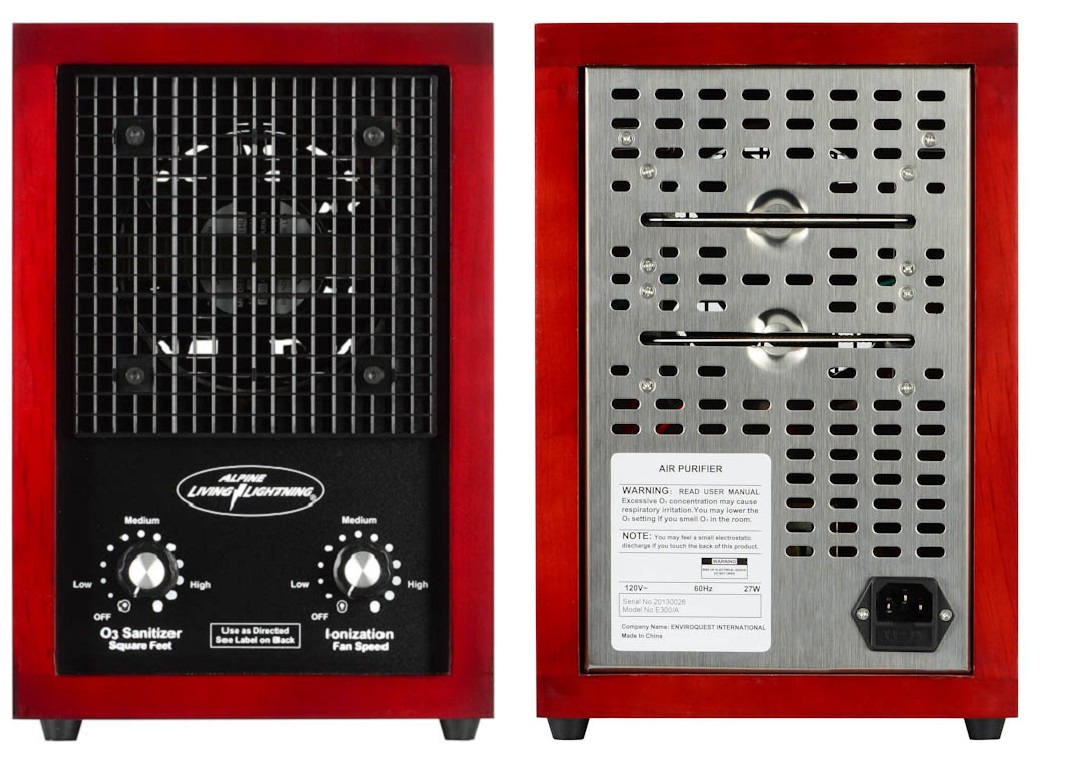
Alt text: Alpine Air Technologies air purifier designed to improve indoor air quality in homes and offices
Overview of Common Air Purification Methods
Most air purifiers rely on one or more of the following approaches:
-
Mechanical filtration (HEPA)
-
Adsorption (activated carbon)
-
Active air treatment (ionization)
Each method has strengths and limitations depending on the indoor air challenges being addressed.
What Is a HEPA Filter?
HEPA (High-Efficiency Particulate Air) filters are mechanical filters designed to trap airborne particles by forcing air through dense filter media.
HEPA Filter Benefits:
-
Captures dust, pollen, and larger airborne particles
-
Commonly used in hospitals and clean environments
-
Effective at particle removal when maintained properly
HEPA Filter Limitations:
-
Requires frequent filter replacement
-
Airflow can be restricted as filters clog
-
Does not actively address odors or stagnant air
HEPA filters are passive systems—they only work as air is pushed through them.
What Is an Activated Carbon Filter?
Activated carbon filters use porous carbon material to adsorb odors and certain gases from the air.
Activated Carbon Benefits:
-
Helps reduce odors from smoke, pets, and cooking
-
Can adsorb some chemical vapors
Activated Carbon Limitations:
-
Limited lifespan and requires replacement
-
Effectiveness decreases as carbon becomes saturated
-
Does not actively treat airborne particles
Activated carbon filters are often used in combination with other filtration methods.
What Is Ionization Technology?
Ionization-based air purification works by releasing charged ions into the air that interact with airborne particles. This process helps treat air throughout a room rather than only inside a filter.
Ionization Benefits:
-
Actively treats air in occupied spaces
-
Helps reduce airborne particles without dense filters
-
Continuous operation without airflow restriction
Ionization systems work throughout the room, not just inside the unit.
📸 Living Lightning™ Ionization Technology
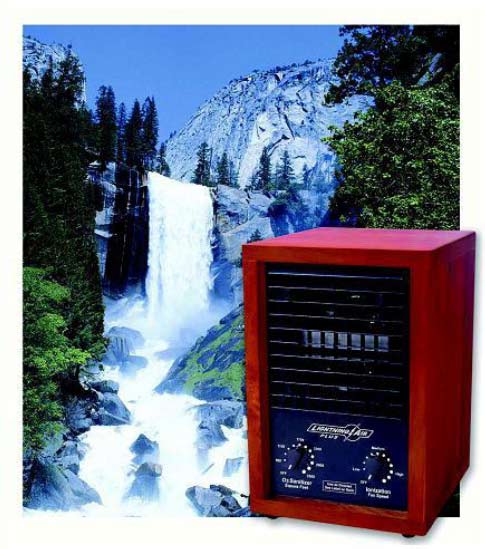
Alt text: Living Lightning ionization technology used in Alpine Air Technologies air purifiers
Alpine Air Purifiers use Living Lightning™ technology, inspired by natural air-cleaning processes found in nature. This ionization-based approach actively treats indoor air rather than relying solely on mechanical filtration.
This makes Alpine Air systems especially effective in everyday living and working environments.
Ionization vs HEPA vs Activated Carbon: Side-by-Side Comparison
| Feature | Ionization | HEPA Filter | Activated Carbon |
|---|---|---|---|
| Treats air in the room | ✔ Yes | ✖ No | ✖ No |
| Requires frequent filter replacement | ✖ No | ✔ Yes | ✔ Yes |
| Addresses odors | ✔ Helps | ✖ Limited | ✔ Yes |
| Airflow restriction | ✖ No | ✔ Can occur | ✖ No |
| Continuous operation | ✔ Yes | ✔ Yes | ✔ Yes |
Why Alpine Air Uses Ionization Technology
Alpine Air Technologies focuses on active air purification, not just air circulation. By using Living Lightning™ ionization technology, Alpine Air Purifiers:
-
Actively treat indoor air
-
Help reduce airborne particles without heavy filtration
-
Maintain consistent airflow
-
Reduce maintenance and replacement costs
This approach makes Alpine Air purifiers ideal for homes, offices, schools, and shared indoor environments.
📸 Alpine Air Purifier Product Line
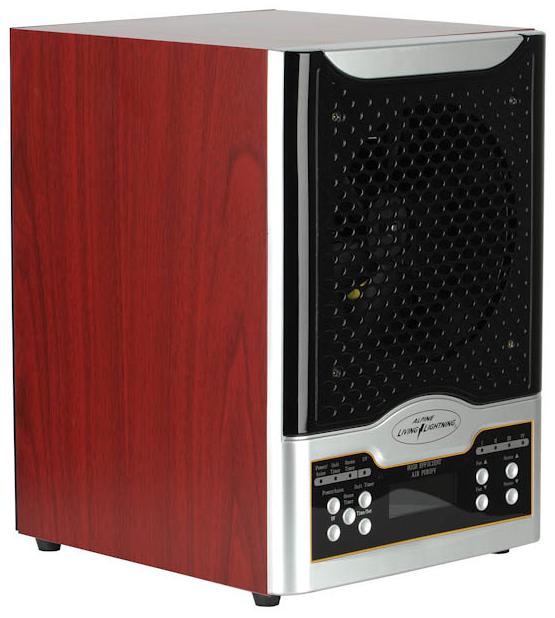
Alt text: Alpine Air Technologies air purifier models for different room sizes and indoor air quality needs
Alpine Air Technologies offers multiple purifier models designed to accommodate different room sizes and usage requirements.
Which Air Purification Method Is Best?
The best air purification method depends on your goals:
-
Particle filtration: HEPA
-
Odor reduction: Activated carbon
-
Whole-room air treatment: Ionization
Many people prefer ionization-based systems like Alpine Air Purifiers because they actively treat air where people live and work, without relying on restrictive filters.
Best Practices for Cleaner Indoor Air
For optimal indoor air quality, Alpine Air Technologies recommends combining:
-
Proper ventilation
-
Routine cleaning
-
HVAC maintenance
-
Active air purification systems
This layered approach ensures more consistent indoor air comfort.
📸 Cleaner Air in Everyday Spaces
Alt text: Alpine Air Technologies air purifier improving indoor air quality in living and working spaces
Explore Alpine Air Purifier Products
If you’re comparing ionization vs HEPA vs activated carbon filters, Alpine Air Purifier products offer a low-maintenance, active air purification solution designed for real-world environments.
👉 View Alpine Air Purifier products here:
https://www.alpineairtechnologies.com/products/
Final Thoughts: Understanding the Difference Makes the Choice Easier
Each air purification method has its place, but ionization technology provides a unique advantage by actively treating indoor air throughout a space. Alpine Air Purifiers use this proven approach to support cleaner, fresher indoor environments without the drawbacks of heavy filtration systems.
Choosing the right air purifier starts with understanding how the technology works—and Alpine Air Technologies makes that choice simpler.