Introduction: Why Ozone in Air Purifiers is Controversial
Ozone (O₃) is a molecule composed of three oxygen atoms. It occurs naturally in the atmosphere, especially after sunlight interacts with oxygen or after thunderstorms. While outdoor ozone high above the Earth helps shield us from ultraviolet radiation, ozone near breathing level is a respiratory irritant and a frequent topic of confusion when it comes to air purifiers. US EPA+1
In this blog, we’ll explore facts vs. myths about ozone in air purifiers, explain what science says about ozone exposure, and clarify how Alpine Air Technologies’ products handle ozone safely for indoor use.
Understanding Ozone & Air Purification
What Is Ozone?
Ozone consists of three oxygen atoms (O₃), unlike the oxygen we breathe (O₂). Its reactivity can help oxidize certain pollutants, but that same property means it can irritate lungs and airways when inhaled at elevated levels. US EPA
Why People Associate Ozone with Air Purifiers
Some older or poorly designed “ozone generator” devices intentionally produce high concentrations of ozone as the primary method of air cleaning. These have been linked to respiratory irritation and health risks, especially in enclosed indoor spaces. California Air Resources Board
However, most quality-focused air purifiers, including Alpine Air units, do not rely on high ozone output as their main purification strategy.
Myth #1: “All Air Purifiers Produce Harmful Ozone”
❌ Myth
Many consumers believe every air purifier emits dangerous ozone that harms the lungs and worsens asthma or allergies.
✅ Fact
Not all air purifiers produce ozone. Devices like HEPA filter units and activated carbon purifiers do not generate ozone. Even among ionizers or similar technologies, only certain ozone generators produce ozone at levels that can be harmful. IERE
Summary of mainstream research:
-
Ozone at high indoor concentrations can irritate lungs, trigger asthma symptoms, and worsen respiratory conditions. US EPA
-
When used properly and below public health standards, ozone levels may be present in trace amounts and are far below harmful thresholds. US EPA
Myth #2: “If You Can’t Smell Ozone, the Purifier Isn’t Working”
❌ Myth
Some people think a “fresh ozone smell” means the air purifier is active and cleaning.
✅ Fact
Alpine Air Technologies clearly states that sensing ozone is not required for the purifier to work, and in fact constant ozone odor is not necessary or recommended. Trace ozone — at very low levels — is sufficient to assist in breaking down certain contaminants, and is normal to dissipate quickly after cleaning begins. Alpine Air Technologies
How Alpine Air Technologies Handles Ozone Safely
🌿 Controlled Ozone Output
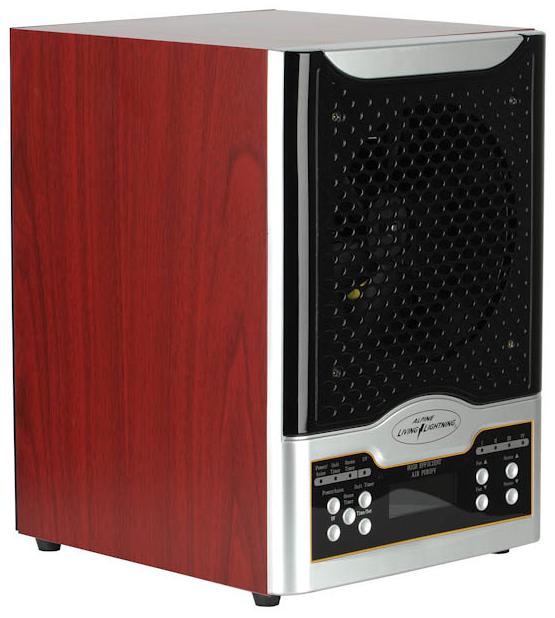
Alpine Air purifiers are engineered with ozone control dials that allow users to adjust ozone output appropriate for their room size and comfort level. Importantly:
-
Maximum ozone output never exceeds safe regulated limits set by environmental safety agencies. Alpine Air Technologies
-
Most models emit trace amounts of ozone, similar to everyday outdoor air, and not levels that constantly fill a room. Alpine Air Technologies
-
Users are encouraged to set ozone to a comfortable range — low for general use, increasing only if specific odor or pollutant conditions need addressing. Alpine Air Technologies
👉 Featured Unit:
Fresh Air LA-3500 v2.0 – a whole-room air purifier with adjustable ozone output built in for controlled indoor sanitation.
https://alpineairtechnologies.com/products/fresh.shtml
🛠 How the Technology Works
Alpine Air’s systems use a blend of negative ion generation and activated oxygen (ozone):
-
Negative Ion Generation: Raises the charge on airborne particles to make them fall out of breathable air more quickly.
-
Activated Oxygen (Ozone): Used in trace, controlled quantities to help break down odors and some gaseous contaminants without exceeding safety thresholds. Alpine Air Technologies
Both technologies aim to supplement air quality improvement, not replace proper ventilation or filtration.
Common Misconceptions About Ozone and Health
❌ Myth: “Ozone is safe at any level at home”
Although Alpine Air units are engineered for safe indoor use, high concentrations of ozone are not safe for people or pets. Multiple regulatory agencies warn against the use of ozone generators that produce significant ozone indoors, as such exposure can irritate lungs, worsen asthma, and impact overall respiratory health. US EPA+1
✅ Fact: Safety Depends on Level and Control
What makes Alpine Air different from unsafe ozone generators is:
-
Built-in control systems to keep ozone within safe, trace levels. Alpine Air Technologies
-
User-adjustable output so you never overshoot comfort or safety. Alpine Air Technologies
-
No need to smell ozone constantly for it to be effective. Alpine Air Technologies
Ozone: Nature vs. Misconception
Outdoor ozone is naturally present — especially after sunlight interacts with oxygen or after thunderstorms — and is part of Earth’s atmospheric chemistry. Alpine Air compares its trace ozone production to natural outdoor processes, not high output industrial ozone. Alpine Air Technologies
⚠️ However, regulatory sources still emphasize that breathing elevated ozone levels is unsafe, especially for children, people with asthma, and the elderly. California Air Resources Board
FAQ: Ozone in Alpine Air Purifiers
Q: Should I smell ozone for the purifier to be working?
A: No — Alpine Air technology works without a constant ozone odor. Trace ozone is enough to assist in air cleaning when needed. Alpine Air Technologies
Q: Is ozone safe to have indoors?
A: Ozone can be safe in controlled, trace amounts, but harmful at high concentrations. Alpine Air’s design ensures ozone production remains within safe limits. Alpine Air Technologies
Q: Does ozone remove all indoor pollutants?
A: Ozone can assist with odors and certain gases at low levels, but it isn’t a substitute for filtration or ventilation. Many pollutants require filtering or source control for best results. US EPA
Conclusion: Ozone in Air Purifiers — Facts You Can Trust
Ozone has been widely misunderstood in the world of indoor air purification. While harmful at high concentrations, trace-level ozone under controlled conditions can be used safely and effectively in combination with ionization to help improve indoor air quality — as long as it remains within regulated limits.
Alpine Air Technologies’ purifiers are designed to balance safety and performance, offering ozone output that is:
✔ Adjustable for comfort and environment
✔ Within recognized safety standards
✔ Not overwhelming or continuous
✔ Controlled so users don’t need to detect ozone odor to confirm operation
If you’re considering an air purifier that includes Advanced technologies like ions or activated oxygen, always check for safety controls and adjustable output, and understand how the unit fits your space and respiratory needs.
👉 Learn more about Alpine Air’s products here: https://alpineairtechnologies.com/products/