Tag Archives: apartment air purifier benefits

The Complete Guide to 15 Signs Your Home Has Poor Indoor Air Quality

Indoor air quality has become one of the biggest concerns for homeowners in recent years. While outdoor pollution often gets the most attention, many people spend the majority of their time indoors, where pollutants from everyday activities can accumulate.

Dust, pollen, pet dander, smoke, cooking emissions, volatile organic compounds (VOCs), excess moisture, and inadequate ventilation can all affect the quality of the air inside your home.

Fortunately, many indoor air quality problems can be improved with routine cleaning, moisture control, better ventilation, and an appropriately sized air purification system.

This guide covers 15 common signs that may indicate poor indoor air quality, explains why they occur, and offers practical ways to address them.


Table of Contents

  1. Why Indoor Air Quality Matters
  2. Sign #1 – Excessive Dust
  3. Sign #2 – Allergy Symptoms Indoors
  4. Sign #3 – Lingering Household Odors
  5. Sign #4 – Pet Dander Buildup
  6. Sign #5 – Stale or Stuffed Air
  7. Sign #6 – Smoke That Lingers
  8. Sign #7 – High Indoor Humidity
  9. Sign #8 – Condensation on Windows
  10. Signs #9–15 (Part 2)
  11. FAQs (Part 2)

Why Indoor Air Quality Matters

Good indoor air quality helps create a cleaner and more comfortable living environment. Indoor pollutants can come from a wide variety of sources, including outdoor air, everyday household activities, pets, and building materials.

Improving indoor air quality often involves:

  • Source control
  • Routine cleaning
  • Proper ventilation
  • Humidity management
  • HVAC maintenance
  • Air purification

Sign #1 – Dust Returns Almost Immediately After Cleaning

https://images.openai.com/static-rsc-4/2EAg-IXZOkKykVN-KmAhTFtcVhO6fHZCwive4_Rond0UuU-h_sMYgtZ1jksQsjSkv1QjNG-AG7vQtJR2lRbZ9XYalz4onuMwWm7uXurLsga4pmVDCVur7zBFP3x2wlqNjGhz3xRFByiIge58aURR7Cfny-BgoRhrcqKct2wFVgVBF4x0ccA4z-u15WZ-yzXC?purpose=fullsize
https://images.openai.com/static-rsc-4/5URR68ZKm2WAqRcHBMSf_eErR8uSUMyxT-yzN4G27-WxXedZs6D2CP16DuZM3SmVXKuv1Ao-bvDEnKVQWVtJKMmVgX-MU8cqut95I7dg0yF3xiPVjtrylqb3q0uj-I0_QTy3attmWxPoZdcE8mciHpRWesDYh6A2kctcH4eCrYAc5BL9GTAvXP3mDESVI4QY?purpose=fullsize
https://images.openai.com/static-rsc-4/XZmsycDkxcJL84MGdaU7PPaarQuT1Nu-h8i_Sgn0NL7WaLf0OU7BBAKsR9ZlB154q8sLAjNcPOk0BvVkYpXXbm9-6jM8U_HKGPxSUuMynEQscuUYU1aDZVQqkfoH-I8iT041LV8ZNkL-Q6jrbwfm9jBtKXHdyCkl6ZH1X2a6vIOUrpfQ_vk06z8amVGO9yK9?purpose=fullsize

If you dust your furniture only to see a fresh layer appear within a day or two, it may indicate that airborne particles are continuously circulating through your home.

Dust can contain:

  • Fabric fibers
  • Dirt
  • Skin cells
  • Pet dander
  • Pollen
  • Dust mite debris

What You Can Do

  • Vacuum with a HEPA-equipped vacuum.
  • Replace HVAC filters regularly.
  • Dust with a damp microfiber cloth.
  • Consider an air purifier sized for the room.

Sign #2 – Allergy Symptoms Improve When You Leave Home

https://images.openai.com/static-rsc-4/Z4CfdtuOTCY3g8qR5gxBp1VvQ_Osw-c1tMO22YJVG8VOV9bONtbQS5aRroUD6r2oTwD0ibNJLfhpRFaenOosKERvrHjaHfK_NEyxajGtegHopM0FcHQ2JwS8Rswel1aQhP4DUHn-SNOI938k9ZPYRKR6lLk-EWPLbq8dGHKjyub0YTe-b7bE_XuLsPhOhS-s?purpose=fullsize
https://images.openai.com/static-rsc-4/yuw0gZoq3LdigNVinMsWmy8xFCy_cqX4ynI8fQhHfFV1cVEIAdOni3l2-b_OpHb3tXHvO5ik-txAspo1bCcqo08Bt-qOVuQb18rUOygL9yVP6SPUSnONlysBexG0MkO6CFtL1GBBPQiCZrm61g7eFeatr_9fq9Uhw5Qw6bnlOYyl07IIsZsXspbsRtomcUtf?purpose=fullsize
https://images.openai.com/static-rsc-4/CaLP8UYeDLF5_ertzr-3ABMfM9BkqqUxxMvhLu_MvoeWX-iik5qINWqHa7HYPTS2UD0tSXsC_FKOFKxEuA6wJDDZ_Br50xXp4Wesy-Zy5TdsmzjFSthPJ4P5VkfbSSn3jPJUsPx5pxQJYglTzF2v9OVhqswf7_GupsXXOb35rqsz4k6V_TF8FOoJmmswGcjx?purpose=fullsize
5

If sneezing, itchy eyes, or nasal congestion improve when you’re away from home, indoor allergens may be contributing.

Common indoor allergens include:

  • Dust mites
  • Pet dander
  • Pollen
  • Mold spores

Helpful Tips

  • Wash bedding weekly.
  • Vacuum upholstered furniture.
  • Keep humidity between 30% and 50%.
  • Reduce indoor dust accumulation.

Sign #3 – Persistent Household Odors

https://images.openai.com/static-rsc-4/O5DA0GQopN6ekG_OAYKGed0KZca17XySC_CBej1MsK9dlWeXD_KqNHhoxmWX-WTCVMK-kkCo5rmi19sUU1Z0KSDb0quJIxd7h_bkRf19Hp9E4Bro-2Qo8-PW0fD4POY9l0arKFihD3KdKArKQvcJZn60KknZViR1m1TQ2M7K5VBVug17oPLaREZhX5BHpYdG?purpose=fullsize
https://images.openai.com/static-rsc-4/2EAg-IXZOkKykVN-KmAhTFtcVhO6fHZCwive4_Rond0UuU-h_sMYgtZ1jksQsjSkv1QjNG-AG7vQtJR2lRbZ9XYalz4onuMwWm7uXurLsga4pmVDCVur7zBFP3x2wlqNjGhz3xRFByiIge58aURR7Cfny-BgoRhrcqKct2wFVgVBF4x0ccA4z-u15WZ-yzXC?purpose=fullsize
https://images.openai.com/static-rsc-4/qBogDWTDXKb-QaMhh3pwEnQtsjKy4G02lDDafNBIZmCZUQSqxY2hbwJz8W1sLlijOz3y7xOJFw8V-xwEPucH7cCtuSY2o5JdUMsoukdSoNVuiVtgb4UfvCI3RLFjNDz6RvG-6qjx5NN3qXBlvIbb2pAsBZCvoWBnwu2tOmjEBuutppWMyi5V7LwehZAFbLuL?purpose=fullsize

Do odors linger long after cooking or cleaning?

Persistent odors may come from:

  • Pets
  • Cooking
  • Trash
  • Damp areas
  • Smoke
  • Poor ventilation

While air purification may help reduce odor-causing airborne compounds, it’s equally important to identify and eliminate the source of the odor.


Sign #4 – Pet Hair and Dander Everywhere

https://images.openai.com/static-rsc-4/CNpZq_kNKkSqFQ83F6bcOcFWAyd25-5I2W900rWBaXbHT4Dx6_1GPfCB76956TfHQMFCziG0ddsD2fRemRXj9IDKjdcEaJWURmVX1myseTLMjahnBgiuBu4XBEZthPC38hdBOKx-LtXAt5H3uyajvePwAhgGvfwpS85ACZQhoxKfYmDYTLuoQAT8uN72_Zok?purpose=fullsize
https://images.openai.com/static-rsc-4/jGC2vbZFjb73sZRC_y--5pctbzT6dikVsIKqlEqNWdsDHXFnMICHE1X5BLtUBOnemnGIo-XOxobZsfoqxIcD06d_r8tCxA-39iJ1OmLuKh2hkMZJCP3fljxfBkx9mT5fN6L_3Anl2bySFmWhvugIhv35XPiu2li9zWL9C6fSPWnCz3W9Ny9k1-jwT50ubAFC?purpose=fullsize
https://images.openai.com/static-rsc-4/8tuNn7Ph00pGCpuj9rqlz5ZJgiI35B9W79rps-s40wO7BedYWIAFbyKQrTZ0fulhZj6SWFFqdifb3c-5gc5Fezwvt1QU-LyybsyXOY-wRGfE2Am0g4E7iJ7xsvQZeOIKVM3uKIVcsHTjUP3Tfc1f981WdWbZzrx_6YbVBwLQ0DeBDmPby232XJCzn1-KbUiN?purpose=fullsize
5

Pet owners often notice:

  • Floating hair
  • Dust buildup
  • Pet odors
  • Airborne dander

Helpful habits include:

  • Grooming pets regularly.
  • Washing pet bedding.
  • Vacuuming carpets and upholstery.
  • Running an air purifier in the areas where pets spend the most time.

Sign #5 – Your Home Feels Stuffy

Fresh air shouldn’t feel stale.

A stuffy home can result from:

  • Limited ventilation
  • High humidity
  • Indoor pollutant buildup
  • Closed windows for long periods

Tips

  • Use bathroom and kitchen exhaust fans.
  • Ventilate when outdoor air quality is good.
  • Keep HVAC systems maintained.
  • Improve airflow between rooms.

Sign #6 – Smoke Lingers Indoors

https://images.openai.com/static-rsc-4/vXlKCOaAVP9wYAFBIDowNyoCAcVvaxa3dLkYSY3QA5QWl0_n3Kb7_9kQO-fYqsqxHgF1FjoQje0jB2uRKzgHfQuoZvmxgTh2ocsvQpbJzm-vUOMtlVWlTrHgccy0WVRdhlKR2LhHWBVww_ogvoawNxY5c8gLCb5R1xJCb7w-1x1vtqLL1j-qXnCJJOEqYXui?purpose=fullsize
https://images.openai.com/static-rsc-4/db_SXjRhgdzNmovZhsbE7mk0Hzxh4B_seJ7EaAEJVMWyror03ZYbc8UjXL77uI3UzPvFkw7ZORagC9nrbXhuHnHgQtlJ4VZKJYRLN5FLf-avLC7xFPWQqX16uB6pVe9V5Drikj-bjWRvTQTRACsTBnca4AQMoCmfH2NmwxG25DPI-R0bOChxJrpNmmSp2kt4?purpose=fullsize
https://images.openai.com/static-rsc-4/ZisrpCgYdVpJnhVHUFQOKTE08Yb-O3wYqV4EdaH7MmHXloxT_IvqnHsx1umwrYgaBgu4dv9w-vXWwb27AOkE5PlwjwegOJeBbmAV2LDGtB73p0HwNMWtgiPZUbSLofS5zf5I5zkLej--IpaARRxHFV2yFXC3e0XBdbQ-CLY8vfU7FJdQvol22ilses-NX8WJ?purpose=fullsize
5

Smoke particles from:

  • Wildfires
  • Fireplaces
  • Tobacco
  • Cooking

can remain suspended indoors for hours.

Best Practices

  • Close windows during wildfire smoke events.
  • Avoid burning candles unnecessarily.
  • Replace HVAC filters as recommended.
  • Operate an appropriately sized air purifier continuously during smoke events.

Sign #7 – High Indoor Humidity

Humidity that is consistently too high may contribute to:

  • Musty odors
  • Mold growth
  • Window condensation
  • Damp feeling rooms

Aim to keep indoor humidity between 30% and 50% for comfort and to discourage excess moisture.


Sign #8 – Condensation on Windows

Water droplets forming on windows—especially in cooler weather—can be a sign of elevated indoor humidity.

Potential causes include:

  • Poor ventilation
  • Excess moisture from cooking or bathing
  • Drying clothes indoors
  • Air leaks and temperature differences

Solutions

  • Use exhaust fans while cooking and showering.
  • Address plumbing leaks promptly.
  • Consider a dehumidifier if humidity remains high.
  • Improve ventilation where practical.

Featured Alpine Living Air Purifiers

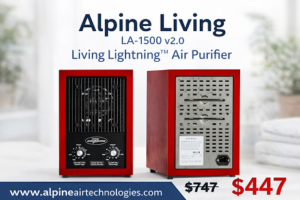
Alpine Living LA-1500 v2.0

Recommended For

  • Apartments
  • Bedrooms
  • Home offices
  • Condominiums
  • Small homes

Coverage: Up to approximately 1,500+ sq. ft.


Fresh Air LA-3500 v2.0

Recommended For

  • Large homes
  • Open floor plans
  • Families
  • Homes with pets
  • Larger living areas

Coverage: Up to approximately 3,500+ sq. ft.


Quick Indoor Air Quality Checklist

If you answered “yes” to several of these questions, your home’s indoor air quality may benefit from attention:

  • Does dust return quickly after cleaning?
  • Do allergy symptoms improve when you’re away?
  • Do odors linger for hours?
  • Does your home often feel stuffy?
  • Is humidity consistently high?
  • Does smoke remain indoors for long periods?
  • Do you notice frequent window condensation?
  • Is pet hair constantly floating in the air?

Sign #9 – Mold or Mildew Appears Frequently

https://images.openai.com/static-rsc-4/OJJD9awH51453hCv6DhYZ6fOPxm1Zmz9RlSEuL8yGhVtmQsuHNbGXDNlXaE5QM1v7wcs3X57fVET7EYOBUUpENWZtgywryak0n22N81VBGAe0FiXPm8pkoCNaSya45XUC3w_gu8m5ypYfPqFYFglaXMKsHCuHyFTatfCA0kTX81xy-lWrJFifQG5LszhLDO8?purpose=fullsize
https://images.openai.com/static-rsc-4/NFH50dB5kyls5KTt0xhN-SJFis6yk3nZuz99l1UTh47Fb2PZ0Z1Tn_Vt4c1uPRMQhpIgGbujr42S3hCgzf-JBPrpR6xycIBu28zSzLNChwBgvF59pTQwHTC4dpQOgF_MYPyqwiXheh6sS9_jdjUfD5_ZuZdhOv8nzC2IG5nayHkJaxc8FI2dC0w6oHeZC8Du?purpose=fullsize
https://images.openai.com/static-rsc-4/T6GQXfWSkCrVJnlII5xMTV1Q4LBSAxUZfMwmgyXzyOHUFwwBUzIT7fKnnfVaFC2UQ4W-r5WRMVS2KQCNRbmoB5sLRNrBXeBwkoV6xM6OKvkVmZNxYL_FGeM1IZ8HSuW3k5FqmCu7aBRwxYXoarWxSf51tdCtGMZnqEo4lOFJpeCU8Mnw2BwbKB5EhZPRcQ4h?purpose=fullsize
6

Visible mold or mildew is one of the clearest indicators that your home’s moisture levels may be too high.

Common locations include:

  • Bathrooms
  • Basements
  • Laundry rooms
  • Around windows
  • Under sinks
  • Near HVAC systems

What You Can Do

  • Repair plumbing leaks promptly.
  • Use exhaust fans during showers.
  • Keep indoor humidity between 30–50%.
  • Dry water-damaged materials as quickly as possible.
  • Clean small areas of mold safely and investigate recurring growth.

Sign #10 – Your HVAC System Runs Constantly

If your heating or cooling system seems to run longer than expected, excessive airborne dust or clogged filters may be reducing airflow.

Possible causes include:

  • Dirty HVAC filters
  • Dust buildup
  • Restricted air returns
  • Poor air circulation

Tips

  • Replace HVAC filters according to the manufacturer’s recommendations.
  • Keep return vents unobstructed.
  • Schedule routine HVAC maintenance.
  • Clean supply and return vents as needed.

Sign #11 – Rooms Smell Musty

https://images.openai.com/static-rsc-4/whF4cDfITCoehjVLSA6Ia5xMx1pNQDvV_gCgaMPOjB6Uw97g4wwpezCxZQi7PVLSgLPT9XKu-IZ_9WHyvcU1qACVGb92PISE_DN0zJ7tJzIoEWIWvoP5BGIor6IZrKi5VT3MytkK3E2MIGUmfTFu_4UXaJsgc1-1MHYdyQRCqEwBVb1Ssz8lI1h_skO80-DH?purpose=fullsize
https://images.openai.com/static-rsc-4/Aw72CjMJ8ldBiAn88uEzMaDfPugvxeXjcqogm4Ql5DYrZlrBxDpYj_PTRdgGdzvUqw3NDsdI1NY8W5UiGbpwW9rJLZiPFzQsZYTVt56ul-G4NCLEE6R-NOnh54msOZA9lEfxgUASMd-owrSVXWAkBcaaP9mpyKoGqzLD7UpIt4THLDh9jT0Lt6kxLgxbOB6P?purpose=fullsize
https://images.openai.com/static-rsc-4/ZDH_s_wgzJDMsnZXGvcAqtTkxaQpiMzwoo_frKBa5qlFKaTy84AO8Z-Nws7acP2gcK0b4UACrXax9XoAlhvKyKJm76uH_Q5sD-Qwn9mtRv2pFJXErkWg24oJaTRFCuICKIRX1L_5thryXHl_sbAtwJuD7uiTKa26bYWkD6549bqZwHk9XlsQZWhgNXYAtRvx?purpose=fullsize
5

A persistent musty smell may indicate:

  • Excess moisture
  • Mold growth
  • Poor ventilation
  • Damp carpeting
  • Water intrusion

Air purification can help address airborne odor-causing compounds, but identifying and correcting the underlying moisture source is essential.


Sign #12 – Smoke or Cooking Odors Remain for Hours

Cooking, fireplaces, candles, or wildfire smoke can introduce fine particles and odors that linger indoors.

Ways to Reduce Lingering Smoke

  • Turn on the kitchen exhaust fan while cooking.
  • Keep windows closed during wildfire smoke events.
  • Use your HVAC system according to manufacturer recommendations.
  • Operate a properly sized air purifier during periods of elevated indoor smoke.

Sign #13 – Your Home Feels Dusty Even After Cleaning

If dust settles almost immediately after vacuuming or wiping surfaces, it may indicate that particles are continually being recirculated.

Common contributors include:

  • Dirty HVAC filters
  • Carpeted floors
  • Upholstered furniture
  • Open windows during high pollen seasons
  • Pets

Helpful Habits

  • Vacuum carpets regularly.
  • Wash curtains and bedding.
  • Dust with microfiber cloths.
  • Keep entry mats clean to reduce tracked-in dirt.

Sign #14 – Family Members Frequently Complain About Indoor Air

Sometimes the best indicator is simple observation.

Comments such as:

  • “It feels stuffy.”
  • “It smells strange.”
  • “The house feels dusty.”
  • “The air feels heavy.”

may suggest it’s time to review your home’s ventilation, cleaning routine, and humidity levels.


Sign #15 – You Haven’t Evaluated Your Indoor Air in Years

Many homeowners regularly service their heating and cooling systems but rarely think about indoor air quality as a whole.

A periodic review can include:

  • Inspecting HVAC filters
  • Looking for moisture problems
  • Checking humidity
  • Cleaning vents
  • Evaluating whether your current air purifier matches your home’s size

Choosing the Right Alpine Living Air Purifier

Alpine Living LA-1500 v2.0

Recommended For

  • Apartments
  • Condominiums
  • Bedrooms
  • Home offices
  • Smaller homes

Coverage:

Up to approximately 1,500+ sq. ft.


Fresh Air LA-3500 v2.0

Recommended For

  • Medium to large homes
  • Open-concept layouts
  • Homes with multiple living areas
  • Families with pets

Coverage:

Up to approximately 3,500+ sq. ft.


Product Comparison

Feature Alpine Living LA-1500 v2.0 Fresh Air LA-3500 v2.0
Coverage Up to 1,500+ sq. ft. Up to 3,500+ sq. ft.
Ideal For Apartments & small homes Larger homes
Living Lightning™ Technology
Compact Design
Expanded Whole-Home Coverage
Best for Open Floor Plans Limited

Frequently Asked Questions

How can I tell if my indoor air quality is poor?

Common signs include:

  • Excessive dust
  • Lingering odors
  • Stuffy rooms
  • Visible mold
  • High humidity
  • Smoke that lingers
  • Allergy symptoms that are worse indoors
  • Frequent condensation on windows

These signs can have multiple causes, so it’s helpful to evaluate your home as a whole rather than relying on a single symptom.


Can an air purifier fix every indoor air quality problem?

No. Air purifiers are one part of an overall indoor air quality strategy. The best results usually come from combining:

  • Source control (removing or reducing pollutants)
  • Proper ventilation
  • Humidity management
  • Routine cleaning
  • HVAC maintenance
  • An appropriately sized air purifier

Which Alpine model is best for apartments?

The Alpine Living LA-1500 v2.0 is generally suited to apartments, condos, bedrooms, and smaller homes because of its coverage area.


Which Alpine model is best for large homes?

The Fresh Air LA-3500 v2.0 is designed for larger homes and open floor plans where broader coverage is needed.


How often should I maintain my air purifier?

Follow the maintenance schedule in your owner’s manual. Regular cleaning and inspection help keep the unit operating efficiently.


Final Thoughts

Poor indoor air quality often develops gradually, making it easy to overlook until noticeable signs appear. Paying attention to persistent dust, stale air, recurring odors, excess humidity, visible mold, or lingering smoke can help you identify opportunities to improve your home’s environment.

A comprehensive approach—including routine cleaning, controlling moisture, maintaining your HVAC system, improving ventilation, and selecting the right Alpine Living Air Purifier for your space—can help reduce many common indoor air quality concerns.

Whether you live in a compact apartment or a large family home, taking proactive steps today can contribute to a cleaner, fresher indoor environment throughout 2026 and beyond.

The Complete Guide to Improving Indoor Air Quality at Home

The Complete Guide to Improving Indoor Air Quality at Home (2026)

Indoor air quality has become one of the most important aspects of creating a healthier and more comfortable home. While many people focus on outdoor pollution, the air inside a home can contain a variety of pollutants generated by everyday activities and building materials.

Dust, pollen, pet dander, smoke, cooking emissions, moisture, and household chemicals can all contribute to indoor air pollution. The good news is that many of these issues can be reduced through a combination of regular cleaning, proper ventilation, humidity control, and the use of an appropriately sized air purification system.

This guide will help you understand the most common indoor air quality challenges and show you practical ways to improve the air throughout your home in 2026 and beyond.


Table of Contents

  1. What Is Indoor Air Quality?
  2. Why Indoor Air Quality Matters
  3. Common Indoor Pollutants
  4. Health & Comfort Benefits of Cleaner Air
  5. Smoke, Odors & VOCs
  6. Pet Dander & Allergens
  7. Humidity & Mold
  8. Choosing the Right Alpine Air Purifier
  9. Room-by-Room Air Quality Tips (Part 2)
  10. Frequently Asked Questions (Part 2)

What Is Indoor Air Quality?

Indoor Air Quality (IAQ) refers to the condition of the air inside your home, including:

  • Airborne particles
  • Indoor pollutants
  • Humidity levels
  • Ventilation
  • Air freshness
  • Odor control

Good indoor air quality means reducing airborne contaminants while maintaining a comfortable indoor environment.


Why Indoor Air Quality Is Important

Most people spend the majority of their day indoors. Because of this, maintaining cleaner indoor air can contribute to a more comfortable living environment.

Poor indoor air quality may result from:

  • Poor ventilation
  • Smoke
  • Excess dust
  • Pet dander
  • Household chemicals
  • Cooking emissions
  • High humidity
  • Mold growth
  • Outdoor pollutants entering the home

Taking steps to improve IAQ benefits every room in the house.


Common Indoor Air Pollutants

Household Dust

Dust is one of the most common indoor pollutants.

It often contains:

  • Dirt
  • Fabric fibers
  • Human skin cells
  • Pet dander
  • Pollen
  • Dust mite debris

Regular vacuuming, dusting, and air purification can help reduce airborne dust.


Pollen

https://images.openai.com/static-rsc-4/j-Yl1nrrJVCeXYH5jdjnJ-Y2I_r0UPqlJS4kH9qP9ZHJO20fQKRfKNLEPZbIVesND2cL1xEx8ogTvqxi2c_gCjgYoJmbqYAGOdZeaG5al74XvKOgjwIIfDwkRVhlV3vnNdUWc5a5Nlhh58vdLYVTznFsAOXZRVGfU_YN6-no2kRXY2XeNZO-8GAttjqG3T-J?purpose=fullsize
https://images.openai.com/static-rsc-4/5IzxzIgv8FHlSlujzlldSyzfkClTemm5moqfGj5BNmwl-gzkPVpov_xq_NmM3a8Db_DVi5flsykpkw_wF5iOt7uxAO3n0jcky0LRESv8Ns_M6s0AvPtrwRhKRuVXvtMkEoPfr4yZc8S6igXk3a2pd4jhKtK7itVY4rDSQZAxjM9FJxqMCYvxKTguTcIDUdKC?purpose=fullsize
https://images.openai.com/static-rsc-4/4qktghxd_pGiHlsq-ocKT_GYLTHMRMyv6-UFIvpOgzIH8jJIJ_Xqiqd0eEoqwS2wsMPjeANJIfS6FvhED3BcZ09KWDgeOK8vdFY4sXrfwTpvvEA086TEUGfKrRTig7B68Li45hD4vqnQJVrtn685P09-TqwPo34yRkd71xIf0q9k41Lfwcy8ltZKbDjeVeOo?purpose=fullsize
5

Pollen enters homes through:

  • Open windows
  • Shoes
  • Clothing
  • Pets

During allergy season, keeping windows closed when pollen levels are high can help reduce indoor pollen exposure.


Pet Dander

https://images.openai.com/static-rsc-4/445N9I-nqU6bq1B1plrZ5CW8BYwiKE3Rkyzb8PWj3RejpI2Mem8bvbkG4PmJkiC_sas_07wcZBvFW3IdMThUAOQ3qpbSu0SFNuxI8mxwUbwE3TUqaePGXQ6SUOE0CMdiuqaWClYYdLLr5epai1H9CUS8p9iQF8WWx1dYFZ-P4BZpp-aragcbDPPUFJXlg9BI?purpose=fullsize
https://images.openai.com/static-rsc-4/oe5pQJASJ5L24aKB_zbs609XTIRsgu3iPzvtDFmEvv-Y4MCV9MahMmWIR5a9ZoazjRgQy6nxOmEYq0llhXBoljCKePJMzjBb7aEyUXINtXjjnh2VDsejbnWJ6wByLOy1Ko4GJ4Hzq6R-BdVftl9Ra_J6GSmYIRE6_-kBEBA-cWZu15uptdQ1LCGmYq8mjwBi?purpose=fullsize
https://images.openai.com/static-rsc-4/CNpZq_kNKkSqFQ83F6bcOcFWAyd25-5I2W900rWBaXbHT4Dx6_1GPfCB76956TfHQMFCziG0ddsD2fRemRXj9IDKjdcEaJWURmVX1myseTLMjahnBgiuBu4XBEZthPC38hdBOKx-LtXAt5H3uyajvePwAhgGvfwpS85ACZQhoxKfYmDYTLuoQAT8uN72_Zok?purpose=fullsize
6

Pet dander consists of tiny skin flakes shed by animals.

Even homes that are cleaned regularly may accumulate airborne pet dander.

Helpful strategies include:

  • Grooming pets regularly
  • Washing pet bedding
  • Vacuuming carpets and upholstery
  • Using an appropriately sized air purifier

Smoke

https://images.openai.com/static-rsc-4/pnRXo8ZZwZqySP2eQygy-_st6xcfok1Rf_apIXU6QLBkcMrovjPcg1jqEbBw9PiyzWaXyBOjb7lMrWOvGZhvHqGOSrdnGsfhdNIpPSbR7kskH-NF00_ow0ImFvhF3FT3LlKDUg02eGo3hMjHsgYf7hqUIzCEoxxGWOc5qiqnVSmGTW57ulYAxdtJjdhMtBTR?purpose=fullsize
https://images.openai.com/static-rsc-4/db_SXjRhgdzNmovZhsbE7mk0Hzxh4B_seJ7EaAEJVMWyror03ZYbc8UjXL77uI3UzPvFkw7ZORagC9nrbXhuHnHgQtlJ4VZKJYRLN5FLf-avLC7xFPWQqX16uB6pVe9V5Drikj-bjWRvTQTRACsTBnca4AQMoCmfH2NmwxG25DPI-R0bOChxJrpNmmSp2kt4?purpose=fullsize
https://images.openai.com/static-rsc-4/ZisrpCgYdVpJnhVHUFQOKTE08Yb-O3wYqV4EdaH7MmHXloxT_IvqnHsx1umwrYgaBgu4dv9w-vXWwb27AOkE5PlwjwegOJeBbmAV2LDGtB73p0HwNMWtgiPZUbSLofS5zf5I5zkLej--IpaARRxHFV2yFXC3e0XBdbQ-CLY8vfU7FJdQvol22ilses-NX8WJ?purpose=fullsize
4

Smoke may come from:

  • Wildfires
  • Tobacco
  • Fireplaces
  • Candles
  • Cooking

Fine smoke particles can remain suspended in the air and contribute to poor indoor air quality.


Household Odors

Odors commonly originate from:

  • Pets
  • Cooking
  • Trash
  • Bathrooms
  • Damp areas
  • Shoes

While an air purifier may help reduce airborne odor-causing compounds, removing the source of the odor is equally important.


Volatile Organic Compounds (VOCs)

Many household products release gases called Volatile Organic Compounds (VOCs).

Common sources include:

  • Paint
  • Adhesives
  • Cleaning products
  • New furniture
  • Flooring
  • Air fresheners

Reducing unnecessary chemical use and increasing ventilation can help lower VOC levels.


Mold & Moisture

High indoor humidity can encourage mold growth.

Areas most affected include:

  • Bathrooms
  • Basements
  • Laundry rooms
  • Kitchens

Aim to keep indoor humidity in a healthy range and repair water leaks promptly.


How Air Purifiers Can Help

Air purifiers are designed to improve indoor air quality by reducing airborne contaminants.

Depending on the technology used, they may help reduce:

  • Dust
  • Pollen
  • Pet dander
  • Smoke particles
  • Certain odors
  • Other airborne pollutants

The Living Air Purifier offers Alpine Living Lightning™ systems that combine multiple air-treatment technologies in selected models, including negative ion generation, UV purification, and other purification methods designed to support cleaner indoor air.


Featured Alpine Living Air Purifiers

Alpine Living LA-1500 v2.0

Best For

  • Apartments
  • Condominiums
  • Bedrooms
  • Home offices
  • Smaller homes

Coverage:

Up to approximately 1,500+ sq. ft.

Highlights

  • Living Lightning™ Technology
  • Compact design
  • Continuous operation
  • Suitable for everyday indoor air quality improvement

Fresh Air LA-3500 v2.0

Best For

  • Large homes
  • Open-concept living spaces
  • Families
  • Homes with pets
  • Smoke and odor concerns

Coverage:

Up to approximately 3,500+ sq. ft.

Highlights

  • Living Lightning™ Technology
  • SmartAir™ monitoring
  • Advanced purification features
  • Designed for larger living spaces

Which Model Should You Choose?

Home Size Recommended Model
Bedroom Alpine Living LA-1500 v2.0
Apartment Alpine Living LA-1500 v2.0
Small Home Alpine Living LA-1500 v2.0
Medium Home Fresh Air LA-3500 v2.0
Large Home Fresh Air LA-3500 v2.0

Selecting a purifier that matches your home’s size helps maximize performance and efficiency.


10 Easy Ways to Improve Indoor Air Quality

  1. Vacuum carpets and rugs regularly.
  2. Dust with a damp microfiber cloth.
  3. Replace HVAC filters on schedule.
  4. Use kitchen and bathroom exhaust fans.
  5. Control indoor humidity.
  6. Reduce the use of harsh chemical cleaners.
  7. Keep pets well groomed.
  8. Remove trash frequently.
  9. Open windows when outdoor air quality is good.
  10. Run your air purifier consistently according to the manufacturer’s recommendations.

Room-by-Room Indoor Air Quality Guide

Every room in your home has unique air quality challenges. Matching the right habits with the right air purifier can help create a cleaner and more comfortable living environment.


Bedroom

https://images.openai.com/static-rsc-4/CpWZVdVkIJNhD4m6NYI69b1cwQPe48bl9x8x3jbtXIvoRM3_S7rNcz6kS0sj1vGzPT_JdPQM5SuHP30iEhOEMZ2lf0maKBIqYCGolU5BhEQKBGKdGxp6Hx_fHtNvo68B0eXBixxeTK2NncAKcUc_wwxtZchjpsUrN8MZ2IExx2aRevhhaW0_Osy-O3NL6voz?purpose=fullsize
https://images.openai.com/static-rsc-4/G0b2azdeH3jVpVYhX7PE5YSpY6KCr7ML5odWvS98UMN-rV4UVrdmIqFdsllTQqz-04RNrtE1QetXOCIz7W11S7Kzq9UJcEcLUFAuPg5eea-qocEO1CCgVF5t4zCXrsMHh3MzxqeBLCqvptwo6FmiwFEi1lTvml6Qpt1gZgeuPzzFHOwKPrHzUVK7vhFG_aQE?purpose=fullsize
https://images.openai.com/static-rsc-4/KBXv6xVflCX0iFKc0Uh2SSyFvJ-OBoBXDMTo6msG6EjkMZCFRmXa8ksxWG6Al1IDyt0TlsxSJPKbhIbb70aK88m4acBYetJS8zyout2-0niV2jGFG6Be5iOKk16wRy4KxkLnQQaNb0Ma99fgByaq29yfJsOXhhGoreBI80Cw0sxyVrnKUwWxaDTvsbNuKU58?purpose=fullsize

Because people spend many hours sleeping, the bedroom is one of the best places to prioritize indoor air quality.

Common Pollutants

  • Dust mites
  • Pollen
  • Pet dander
  • Dust
  • Fabric fibers

Best Practices

  • Wash bedding weekly.
  • Vacuum mattresses and rugs regularly.
  • Keep humidity between 30% and 50%.
  • Keep windows closed during periods of high pollen or wildfire smoke.
  • Run your air purifier continuously according to the manufacturer’s recommendations.

Recommended Model

Alpine Living LA-1500 v2.0


Living Room

https://images.openai.com/static-rsc-4/_bWvb7Ed6H9AARVeRMf82BbnPpfr5DlMJ43Yvg311gjY4Fh8-Ldbl4LHYp6EeekUNvQlmsPWwQieS0_-a5mfA-AFMU0iC-TCjx4WV5Hvl6cHUqIZo8aLyj388cISbhNaISwUdn-OE0PcMOBPc7zghO0sp-bqJh6e8XjjqKlrojRaF-D1VwJ8Pp1AS5JMVZuE?purpose=fullsize
https://images.openai.com/static-rsc-4/yKi6c7fgUKT8ucxuk94UB9n1G_i2HrZaMv0XAKah5iWWfMYlk3zylQDwxvoVHG3dd71XEXJw7CUO37vRu4LYb-Be6JFcC1hRZ9lk0ctqMDp34F-ZraXrG75eovw35iCVEIBayuSbGPrvNdwIvk-q-bYDaAu9ywr5uT9kt4vCg4-YSuRIa7bfI-ChAKYfT8Fb?purpose=fullsize
https://images.openai.com/static-rsc-4/yamJmz2otOhWy5UFOLkzF8WKn9ofEw5JjkcOagqpuOSyUjEt4wuFvoOQcu6tDqWBltXR5yF_7nzHjO5LndVwbgi87-BvQUCn0iLSsJ5dG_XUd_9sHBhRqpoC4Ihz2-l0hVd3mByx7P0ZtO5GBgJNcRKQ4CCsJT7IksxDWKR441uSeSD_psoIz0XARhZDNJEr?purpose=fullsize
4

Living rooms often collect pollutants from multiple areas of the home.

Common Pollutants

  • Dust
  • Smoke
  • Pet hair
  • Outdoor pollution
  • Cooking odors

Best Practices

  • Vacuum upholstered furniture regularly.
  • Dust electronics frequently.
  • Improve airflow when outdoor conditions are favorable.
  • Position your air purifier where airflow is unobstructed.

Recommended Model

Fresh Air LA-3500 v2.0


Kitchen

https://images.openai.com/static-rsc-4/qBogDWTDXKb-QaMhh3pwEnQtsjKy4G02lDDafNBIZmCZUQSqxY2hbwJz8W1sLlijOz3y7xOJFw8V-xwEPucH7cCtuSY2o5JdUMsoukdSoNVuiVtgb4UfvCI3RLFjNDz6RvG-6qjx5NN3qXBlvIbb2pAsBZCvoWBnwu2tOmjEBuutppWMyi5V7LwehZAFbLuL?purpose=fullsize
https://images.openai.com/static-rsc-4/tkqQ2_z6ltUIRJS46O7mEcWQi8hgBZ_oNm2TQvcXyFpYEN7tOkiwIlhXOKM-pOtQV6Gfq5UlywpdJeRC928_bCe0hQTiDr2PP1SrDqS7a8evhA0p-JGsp1D4Fb1sFfv8il4i1hJDcw7OACdjMCXogQjuZ49dantNfujRYsXwOUQBing4G2719f4830oLnJe6?purpose=fullsize
https://images.openai.com/static-rsc-4/ldrfMwm_5yFKF-2JIDmqStx7vTWKNhGuZWFmuzT261xIoWcPtLEu8ihHj-HfGi555AUtyoSQRDQsrZdiZxgvY1rnrgsswaRpooghUepoDxc2oXr2hFMrzwlE5oJs__0Hc5OLj-6-XsKCBzDCbr02mmP_zsiDJXD_aFzdP98S3Y5rENk620_v8TTjSgZhsf6g?purpose=fullsize
6

Cooking releases:

  • Grease particles
  • Smoke
  • Moisture
  • Food odors
  • Fine airborne particles

Tips

  • Always use the range hood while cooking.
  • Clean grease buildup from cooking surfaces.
  • Empty trash frequently.
  • Place an air purifier near—but not directly beside—the cooking area.

Home Office

https://images.openai.com/static-rsc-4/VZaZpp9prCBVk58SBDUCWoT69_SR4JEAAMBqw0bch-NMc92CGEUnSZpND5vpIAl3GS-_6qW6vcV0mVoDwWICsjwDcv1qAyVRWUPLwAHYEkrtNg9lMK40nSEIz6m1PoDREO6CMxClfKuz9HPVDZlHwhXiSA531x-jUER2DM6W4_8f_1rI6Ad5YwKSIrxKBgc7?purpose=fullsize
https://images.openai.com/static-rsc-4/JlZ0Yj59abGqEChqelnWzXrMvrfPzB2joa9PDcewWZtlJ8mkJX3w2zLY0RqsusXAFiGqVLEoy8xpztgm1HxCxpW_mvVMQNCkfIgTt2LHVelanQdwG4y5JyTSOcDKgHWA-zgDyN3dBoLDOoaApiiwDfrRf0GR1QyzSRGCJzvDf834AhpqNKzgFntt6l1L7_jJ?purpose=fullsize
https://images.openai.com/static-rsc-4/zd2B6QA8fyPkmGLh7AVhwl4yvpulKRSBGMXWqW0jgs75Dzb76XihcAW2SJu4mhMlxkD8XR178ahFLK_dxoFnJ_ZnNZGvwBEPxHiNMwa-PHeyCt9UKfTSscCrZ0qxtJ9yBW2NVjiDEfGjvmWL_EZqKJe92mgvOn7ooyN6NhSrMGovhdwMnxdNuIdrx5JPVWTT?purpose=fullsize
6

With more people working remotely, maintaining clean air in a home office is increasingly important.

Tips

  • Dust computer equipment regularly.
  • Keep paper clutter to a minimum.
  • Vacuum carpets and rugs.
  • Consider a dedicated air purifier for the workspace.

Nursery & Children’s Rooms

https://images.openai.com/static-rsc-4/iswKcxHZ8o6c5vtJ-uF5RhydlYrMRN-JnrzTe3-DDqEK6TZRzgYs2m03qA4YYETTLdT2cS32nOUdM1YTM9pe127lncQbckDmarepfdHykZ8CoKnMqfvRTkIA8BnmY1wQSJTJ65s5gjOsI-JpYhbNiw5JVAWFUHta1DNHqsP6t-Is08L-BC3Dk3E257p8wU4c?purpose=fullsize
https://images.openai.com/static-rsc-4/zOHZyqjEfjhllw5AU8WisZ9-3a74y2lQHxg_jwo7acP_VlRAMy09WVO4xUQZMmysEvI-QMVKIBMuHBcGdjvIcwd_8cAGB1IzljeAJHk5KeUVc95f8z7fMHm0W-niqbIhNPxwPW7dYMARQSne1wwoX9fUmD9vOd48BnJLXcK6gsGvbeLWlxbMMwlVj5Z-G9sN?purpose=fullsize
https://images.openai.com/static-rsc-4/_z1Zhx_P5bPjyB3dCX2n4IBNRgiBmNmkuvdqG3ZjdfCNFA1xnE0GPuiSv4kDmSnV4vTMEUmTvEYDYvasqINGKqUynMeDwEi7FLkh-H_GVDuP_UDIwagr9zHXDMkyLzHFz40OkMuxGOT84aC1UlG9f6Pf-bxd01H72PRRhiyMI4WzgThgELDobba0X87zDWS4?purpose=fullsize
6

Children may spend many hours in bedrooms and playrooms.

Tips

  • Wash stuffed animals regularly.
  • Vacuum rugs frequently.
  • Keep pets out of sleeping areas if allergies are a concern.
  • Choose low-VOC paints and furnishings whenever possible.

Seasonal Indoor Air Quality Tips

Spring

Common concerns:

  • Tree pollen
  • Grass pollen
  • Increased outdoor allergens

Tips:

  • Keep windows closed on high-pollen days.
  • Change HVAC filters before allergy season.
  • Vacuum more frequently.

Summer

Common concerns:

  • Humidity
  • Mold growth
  • Wildfire smoke in some regions

Tips:

  • Use a dehumidifier if needed.
  • Monitor local air quality reports.
  • Limit outdoor air intake during smoke events.

Fall

Common concerns:

  • Ragweed pollen
  • Dust from heating systems

Tips:

  • Clean air vents before using your heating system.
  • Replace HVAC filters.
  • Continue regular dusting and vacuuming.

Winter

Common concerns:

  • Dry indoor air
  • Reduced ventilation
  • Fireplace smoke
  • Holiday cooking odors

Tips:

  • Ventilate when outdoor conditions allow.
  • Clean fireplace areas regularly.
  • Continue operating your air purifier consistently.

Maintaining Your Alpine Air Purifier

Proper maintenance helps keep your system operating efficiently.

General recommendations include:

  • Follow the cleaning schedule in the owner’s manual.
  • Keep air intake and exhaust openings clear.
  • Clean reusable collection components if your model includes them.
  • Replace any serviceable components according to the manufacturer’s recommendations.
  • Inspect the unit periodically for dust buildup.

Product Comparison

Model Coverage Best For
Alpine Living LA-1500 v2.0 Up to 1,500+ sq. ft. Apartments, bedrooms, condos
Fresh Air LA-3500 v2.0 Up to 3,500+ sq. ft. Large homes, open floor plans, families

Frequently Asked Questions

What is the most common cause of poor indoor air quality?

Common contributors include dust, pollen, smoke, pet dander, household chemicals, excess humidity, and inadequate ventilation.


Can an air purifier improve indoor air quality?

An appropriately sized air purifier can help reduce airborne particles and, depending on the technology used, may also help reduce certain odors and other airborne pollutants. Air purifiers are most effective when combined with regular cleaning, source control, and proper ventilation.


How often should I run an air purifier?

Many manufacturers recommend continuous operation to help maintain cleaner indoor air, especially during allergy season, wildfire smoke events, or periods of increased indoor pollution.


Which Alpine model should I buy?

Choose the Alpine Living LA-1500 v2.0 if you have:

  • Apartments
  • Bedrooms
  • Condos
  • Small homes

Choose the Fresh Air LA-3500 v2.0 if you have:

  • Large homes
  • Open floor plans
  • Multiple pets
  • Larger living spaces

Why Choose Alpine Living Air Purifier?

The Living Air Purifier offers Alpine models that use Living Lightning™ technology, combining multiple air-treatment methods in selected products to help address common indoor air quality concerns.

Key features available across the product lineup include:

  • Negative ion generation
  • UV purification (model dependent)
  • Activated Oxygen technology on applicable models
  • Compact, filterless designs on selected units
  • Solutions for apartments, homes, and larger living spaces

Choosing the right model based on your home’s size and layout can help you get the best performance from your air purification system.


Final Thoughts

Improving indoor air quality is an ongoing process rather than a one-time project. Small changes—such as cleaning regularly, controlling humidity, reducing pollutant sources, and selecting the right air purifier—can make a meaningful difference in your home’s comfort.

Whether you’re concerned about seasonal allergies, pet dander, smoke, cooking odors, or everyday dust, a comprehensive indoor air quality strategy can help create a cleaner living environment throughout the year.

The Alpine Living LA-1500 v2.0 is an excellent option for apartments and smaller homes, while the Fresh Air LA-3500 v2.0 provides expanded coverage for larger residences and open-concept layouts.

Finding the Right Fit: Alpine Air LA-1500 vs. LA-3500

Finding the Right Fit: Alpine Air LA-1500 vs. LA-3500

Choosing the right air purifier isn’t just about features—it’s about matching the purifier to your space, lifestyle, and indoor air quality concerns.

Two of the most popular models offered through The Living Air Purifier are the Alpine Living LA-1500 v2.0 and the Fresh Air LA-3500 v2.0. Both use Living Lightning™ technology and are marketed for helping reduce common indoor pollutants such as smoke, odors, dust, pollen, and pet dander. The biggest difference is the size of the space they are designed to cover.

If you’re wondering which model makes the most sense for your home, this guide breaks down everything you need to know.


Quick Comparison Overview

Feature LA-1500 v2.0 Fresh Air LA-3500 v2.0
Coverage Up to 1,500+ sq. ft. Up to 3,500+ sq. ft.
Best For Apartments & smaller homes Large homes
Technology Living Lightning™ Living Lightning™
Smoke & Odor Control Yes Yes
Pet Homes Yes Yes
Large Open Floor Plans Limited Excellent
Whole-Home Capability Small homes Larger homes

Coverage figures are based on published specifications from The Living Air Purifier and Alpine Air Purifier product listings.


Meet the Alpine Living LA-1500 v2.0

https://images.openai.com/static-rsc-4/PDAXs1k6QwTH5sFkO2kbGgO_NS7FbYyju0TBMtXd_c-oFThLrjBYpXTdSsMUR_kfBDsw6aDI7He3uKE0L723ZFMtHCIAMrIE8Rk7Yq3QBn2lYT5QKEEoCt-RDFWKVvjDXRvNMXeYOu5lAtdue0A7El76y6Ey5roiNylvx12iVXjLkajQAlwOSBPYyCjkS8Pu?purpose=fullsize
https://images.openai.com/static-rsc-4/YsMfwuOR1RrlgO7iJHe77alZQTp2ca4Khe_D7lSEWxrCnE2JKInDtG6B5ysEF2e5W0Xgu04_D8a6Kl-ciYbbAVwDarIg6fBZPbPiyIOhT34fz2nu3GBIkKNgknxZ-wpqFu8AFOTeDrKIa2LFVQDxZ4pVT2_CEv7-ciK83-J5M-VxRb7p5GiPn1sizkJfg_5K?purpose=fullsize

The Alpine Living LA-1500 v2.0 is designed for homeowners who want Living Lightning™ technology in a more compact package.

According to the manufacturer, it is intended for homes, offices, apartments, and other indoor environments up to approximately 1,500 square feet.

Best For

  • Apartments
  • Condos
  • Small homes
  • Bedrooms
  • Home offices
  • Small family rooms

Key Benefits

  • Designed for spaces up to 1,500+ sq. ft.
  • Compact footprint
  • Continuous operation
  • Adjustable controls
  • Suitable for smoke, odors, dust, pollen, and pet dander reduction according to manufacturer descriptions.

Meet the Fresh Air LA-3500 v2.0

The Fresh Air LA-3500 v2.0 is Alpine’s larger-capacity residential model.

It is designed for significantly larger spaces and is marketed as a whole-home solution for many households, with coverage up to approximately 3,500+ square feet.

Best For

  • Large homes
  • Open-concept layouts
  • Multi-story homes
  • Families with pets
  • Smoke concerns
  • Larger living areas

Key Benefits

  • Larger coverage area
  • Living Lightning™ Technology
  • SmartAir™ monitoring
  • Adjustable purification settings
  • Designed for larger indoor environments.

Coverage: The Biggest Difference

For most buyers, the decision comes down to coverage.

LA-1500 v2.0

Recommended for:

  • Apartments
  • Condominiums
  • Smaller homes
  • Individual rooms

Coverage:

20–1,500+ sq. ft.

Fresh Air LA-3500 v2.0

Recommended for:

  • Large homes
  • Open floor plans
  • Multiple connected living spaces

Coverage:

20–3,500+ sq. ft.

Real-World Example

If you live in:

  • A 900 sq. ft. apartment → LA-1500 is typically sufficient.
  • A 1,400 sq. ft. condo → LA-1500 is usually the better value.
  • A 2,500 sq. ft. home → LA-3500 is likely the better fit.
  • A 3,000+ sq. ft. open-concept home → LA-3500 is generally recommended.

Which Model Is Better for Allergies?

Both models are marketed for helping reduce:

  • Dust
  • Pollen
  • Pet dander
  • Smoke
  • Household odors

The difference is not necessarily the technology itself, but the amount of space each unit is designed to cover.

If allergy triggers are concentrated in a bedroom, apartment, or smaller living space, the LA-1500 may be enough.

For larger homes where allergens circulate throughout multiple rooms, the LA-3500 offers significantly greater coverage.


Which Model Is Better for Pet Owners?

Pet owners typically deal with:

  • Pet dander
  • Pet odors
  • Dust accumulation
  • Hair and airborne particles

Both models are promoted for addressing these common indoor air concerns. The choice depends primarily on the size of your living space.

Choose LA-1500 If:

  • You live in an apartment.
  • You have one or two pets.
  • Your primary concern is a bedroom or living room.

Choose LA-3500 If:

  • You have multiple pets.
  • You own a larger home.
  • Your pets have access to multiple rooms throughout the house.

What Homeowners Usually Prioritize

Air purifier discussions frequently emphasize matching the purifier’s coverage to the actual room size rather than simply buying the largest unit available. Community discussions often focus on square footage, air exchange needs, and choosing a purifier that can handle the intended space effectively.

Technology Comparison

One reason these two models are frequently compared is that they share many of the same core air treatment technologies.

According to The Living Air Purifier, both models are based on Living Lightning™ technology and are designed to help reduce common indoor pollutants such as dust, pollen, smoke, odors, and pet dander. The newer Fresh Air LA-3500 v2.0 adds advanced electronic controls, dual germicidal UV bulbs, a photocatalytic screen, a five-stage sanitizing function, and SmartAir™ features that are not available on the LA-1500.

Feature Alpine Living LA-1500 v2.0 Fresh Air LA-3500 v2.0
Living Lightning™
Negative Ion Generation
UV Purification Standard model features Dual UV bulbs
Activated Oxygen Available as designed by manufacturer Included
Smart Electronic Controls Basic Advanced
Recommended Coverage Up to 1,500+ sq. ft. Up to 3,500+ sq. ft.

Which Model Fits Your Home?

Choose the LA-1500 v2.0 If…

The LA-1500 is a good fit if you:

  • Live in an apartment or condominium.
  • Have a home up to about 1,500 square feet.
  • Want a purifier for a bedroom, office, or smaller living area.
  • Need a compact, filterless Living Lightning™ purifier.

Because it is designed for smaller spaces, it can be a cost-effective option when whole-home coverage is not required.


Choose the Fresh Air LA-3500 v2.0 If…

https://images.openai.com/static-rsc-4/DR8svlJFu3FaQkDmdxCz4G-GS3zn69k-LE9IG0Y932_6sRJ3lIujne82_wIvHQzDEHXzn_HaDLYLG-ZuItxuNiIUFwlGa3xzbLkCP5gEqXvInP6WLRYSXIVCjgcIzYG2iKfWzMdaEtpMJnhrE0e4V2HRi6puhX0sn5OioDNcw2Ir46WRpW1a8clcMHn9BmIA?purpose=fullsize
https://images.openai.com/static-rsc-4/S5xNCNSTfNY1Qg9qUmVFwzVi7XjiC43OFPl7gRAzejXcRaTRFMaYRfy1bM58TO3adbEL8zlLEmPQoT9HZ9i-yIG8iUdyE2IuajgLUDTrrJM6EVIyS8u0X616DnGzWCEL21GTJt4wrPI_OdjwncNtJnfxt8Ua6f_hwQDukcQ55W0z4bVDMxF5ZpMHBgd2ZFkg?purpose=fullsize

The Fresh Air LA-3500 v2.0 is generally the better choice if you:

  • Have an open-concept home.
  • Need coverage for larger living areas.
  • Have several pets.
  • Frequently deal with cooking odors or smoke.
  • Want Alpine’s newest electronic control system and additional purification features.

According to the manufacturer, it is the most advanced residential model in the Living Lightning™ lineup.


Pros & Cons

Alpine Living LA-1500 v2.0

Pros

  • Compact footprint
  • Suitable for apartments and smaller homes
  • Filterless design
  • Lower upfront investment than larger models
  • Good coverage for bedrooms, offices, and condos

Cons

  • Not intended for large open-concept homes
  • Fewer advanced electronic features than the Fresh Air LA-3500 v2.0

Fresh Air LA-3500 v2.0

Pros

  • Larger coverage area
  • Advanced electronic controls
  • Dual UV bulbs and additional sanitizing features
  • Better suited for larger homes
  • Designed for broader whole-home air treatment

Cons

  • Larger unit
  • Higher initial cost
  • More features than many smaller homes require

Real-World Buying Examples

Your Situation Recommended Model
800 sq. ft. apartment LA-1500 v2.0
1,200 sq. ft. condo LA-1500 v2.0
1,600 sq. ft. home Consider room layout; LA-3500 may be beneficial for open layouts
2,500 sq. ft. home Fresh Air LA-3500 v2.0
3,000+ sq. ft. open-concept home Fresh Air LA-3500 v2.0

The manufacturer notes that coverage and effectiveness depend on room layout, airflow, and operating conditions.


Frequently Asked Questions

What is the biggest difference between the LA-1500 and LA-3500?

The primary difference is coverage area and feature set. The Fresh Air LA-3500 v2.0 is designed for much larger spaces and includes newer electronic controls and additional purification technologies.


Are both models filterless?

The LA-1500 is described as a filterless model. Larger Alpine models incorporate additional components, including specialty rear carbon filters and UV purification, depending on the model.


Which model is better for pet owners?

Both are marketed for helping reduce pet-related airborne pollutants and odors. For apartments or smaller homes, the LA-1500 is typically sufficient. For larger homes with multiple pets, the Fresh Air LA-3500 offers broader coverage.


Which model is better for smoke?

The Fresh Air LA-3500 v2.0 is Alpine’s flagship model for larger homes and is specifically promoted for smoke, odors, and chemical gases.


Final Verdict

Both the Alpine Living LA-1500 v2.0 and the Fresh Air LA-3500 v2.0 use Alpine’s Living Lightning™ technology and are intended to improve indoor air quality, but they serve different needs.

The LA-1500 v2.0 is an excellent choice for apartments, condos, bedrooms, and smaller homes where efficient coverage and a compact design are the priority.

The Fresh Air LA-3500 v2.0 is better suited to larger homes, open floor plans, and households that want Alpine’s newest residential platform with expanded coverage and enhanced purification features.

Instead of choosing the “biggest” unit, focus on selecting the model that matches your home’s size and layout. A properly sized air purifier is more likely to deliver the performance you’re looking for.

The Ultimate Guide to Indoor Air Quality

Indoor air quality (IAQ) is more important than ever. People spend much of their time indoors—at home, work, school, or other enclosed spaces—where pollutants can accumulate from everyday activities. Dust, pollen, smoke, pet dander, cooking emissions, household chemicals, and excess moisture can all affect indoor air quality.

Creating a healthier indoor environment involves a combination of source control, ventilation, regular cleaning, HVAC maintenance, and, for many homes, an appropriately sized air purifier.

This guide explores the major indoor air quality concerns in 2026 and practical strategies to help improve the air you breathe.


Table of Contents

  1. What Is Indoor Air Quality?
  2. Why Indoor Air Quality Matters
  3. Common Indoor Air Pollutants
  4. Health Effects of Poor Indoor Air
  5. Understanding PM2.5
  6. Allergens in Your Home
  7. Smoke & Wildfire Pollution
  8. VOCs & Household Chemicals
  9. Mold & Moisture
  10. Pet Dander
  11. Alpine Air Purifier Product Guide
  12. Room-by-Room Air Quality Tips (Part 2)
  13. Frequently Asked Questions (Part 2)

What Is Indoor Air Quality?

Indoor Air Quality (IAQ) refers to the condition of the air inside homes, offices, schools, and other buildings.

Good IAQ means:

  • Fewer airborne particles
  • Reduced indoor pollutants
  • Better ventilation
  • Comfortable humidity levels
  • Fewer lingering odors

Maintaining good IAQ can contribute to a more comfortable indoor environment and may reduce exposure to common airborne irritants.


Why Indoor Air Quality Matters More Than Ever

Modern homes are often built to be energy efficient, which can reduce the amount of fresh outdoor air entering the home. While this improves energy efficiency, it can also allow indoor pollutants to build up if ventilation and air cleaning are inadequate.

Common contributors include:

  • Limited ventilation
  • Smoke from cooking or wildfires
  • Pet dander
  • Cleaning products
  • Building materials
  • High indoor humidity
  • Dust accumulation

Common Indoor Air Pollutants

Dust

Household dust contains a mixture of:

  • Fabric fibers
  • Soil particles
  • Skin flakes
  • Pet dander
  • Dust mite debris

Regular vacuuming and dusting help reduce buildup.


Pollen

Outdoor pollen enters through:

  • Open windows
  • Clothing
  • Shoes
  • Pets

During allergy season, keeping windows closed when pollen counts are high can help reduce indoor exposure.


Pet Dander

https://images.openai.com/static-rsc-4/BpY8mf1upEb5xwN_QwFRre3p03dCalTuk5NCvBjFPZYEkwY_-IbvKzJDVExrIhIBjvOWHZPaSVDgYaCc_rLeEIg-QCV8ENB49OhgxKXT3TX0S4CveWOhkyqEzeTMF9EJNP5wuF6RAsxZWaewTyktLS-cvEbbTM2ekR7QaOp98zVVnJPd6AVk-mWrbgjIvGBd?purpose=fullsize
https://images.openai.com/static-rsc-4/445N9I-nqU6bq1B1plrZ5CW8BYwiKE3Rkyzb8PWj3RejpI2Mem8bvbkG4PmJkiC_sas_07wcZBvFW3IdMThUAOQ3qpbSu0SFNuxI8mxwUbwE3TUqaePGXQ6SUOE0CMdiuqaWClYYdLLr5epai1H9CUS8p9iQF8WWx1dYFZ-P4BZpp-aragcbDPPUFJXlg9BI?purpose=fullsize
https://images.openai.com/static-rsc-4/8tuNn7Ph00pGCpuj9rqlz5ZJgiI35B9W79rps-s40wO7BedYWIAFbyKQrTZ0fulhZj6SWFFqdifb3c-5gc5Fezwvt1QU-LyybsyXOY-wRGfE2Am0g4E7iJ7xsvQZeOIKVM3uKIVcsHTjUP3Tfc1f981WdWbZzrx_6YbVBwLQ0DeBDmPby232XJCzn1-KbUiN?purpose=fullsize
7

Cats, dogs, and other furry pets naturally shed microscopic skin flakes that can become airborne.

Helpful practices include:

  • Grooming pets regularly
  • Washing pet bedding
  • Vacuuming frequently
  • Using an appropriately sized air purifier

Smoke

https://images.openai.com/static-rsc-4/4m42NbgGkLMWGcdeddtgJx-ViLOHMTMFTHA9XRXPNNyyjrf-ucmjoAuUfUwC_NWekeV9v5OHo9llV9bILdBDSUR3sb5337xaEkXL_wdUO43HrBQMCzwCXm39VnAcBQgr4nNBRDdR-N7SmsgcSdxDUDmIoQcNucTU3PG0zBtq320xT-W5rP46HB2yq8l4Lq8s?purpose=fullsize
https://images.openai.com/static-rsc-4/_OJjYnJpcGAYU2o8TeRsR1muibXx2DwDEwFgq3l1Q2CdH4zDSd1EjJUdYTjtuHPgi16xGcKTj2BM3WtCMxW7148tchYKmrEPxtwCAfxsDN-4LxtprVrUS1vRwqScTs7ACfi_JorRl9lTLBdw8bABVk9juWrZDq2ywcS_13Rw44I2t2XWwoihP1YPQrn9D3hb?purpose=fullsize
https://images.openai.com/static-rsc-4/W_Kgcby0HEjabSM30CqWDv3JWJu7RkG25XcyfwlzhGyriFzSn-k2U201qYCCF9ZacpyluqSKsUW0bPDUVsJbD8t3GRdyFNl0_dfEhvHQu4YIpx_3en5_wjXMoQi66ScYDfRnLhvr5F08SoW6awV9jxx_EFA6Pae6cC5uQAnPYWJxAoz206VP-iiQySwbvM-H?purpose=fullsize
5

Smoke may come from:

  • Wildfires
  • Tobacco
  • Fireplaces
  • Cooking
  • Candles

Fine smoke particles can remain suspended in indoor air and may contribute to poor air quality.


Household Odors

Common sources include:

  • Pets
  • Cooking
  • Trash
  • Bathrooms
  • Damp basements

Odors can sometimes indicate underlying moisture or ventilation issues that should also be addressed.


Volatile Organic Compounds (VOCs)

VOCs are gases released from products such as:

  • Paints
  • Adhesives
  • Cleaning products
  • New furniture
  • Flooring
  • Air fresheners

Reducing VOC exposure often involves choosing low-emission products, improving ventilation, and limiting unnecessary chemical use.


Mold & Moisture

Excess moisture may encourage mold growth in areas such as:

  • Bathrooms
  • Basements
  • Laundry rooms
  • Kitchens

Controlling humidity and repairing leaks promptly are important parts of maintaining good indoor air quality.


Understanding PM2.5

PM2.5 refers to fine airborne particles that are 2.5 micrometers or smaller.

Common sources include:

  • Wildfire smoke
  • Vehicle exhaust
  • Cooking
  • Candles
  • Wood-burning fireplaces

These fine particles can remain airborne for extended periods and are one reason people pay close attention to indoor air quality during wildfire season.


How Air Purifiers Can Help

Air purifiers are designed to reduce airborne contaminants circulating indoors.

Depending on the technology used, they may help reduce:

  • Dust
  • Pollen
  • Pet dander
  • Smoke particles
  • Certain odors
  • Other airborne pollutants

Alpine states that many of its Living Lightning™ systems combine several technologies—including negative ion generation, UV purification, electrostatic collection, and other treatment methods depending on the model—to improve indoor air quality.


Featured Alpine Air Purifiers

Fresh Air LA-3500 v2.0

https://images.openai.com/static-rsc-4/QpYs8Km94Gwz1UNnf73I5fe9ugUC_FbzvTuAsZ4fgLbaAO9CyKbboVngSCV5qr8M6BCo1NQScNh-TAEZef4Z1YM9TDL1X4FhEW7p14EFvXSo1RAFYadY_LtNIhXOkLDeBprZRb2p-DLcx4-_9VGp6CRVmDDzQBKOUAo9dKHdnQTjoyfXsSDqRXS2Wmg37LJ2?purpose=fullsize
https://images.openai.com/static-rsc-4/IObgrR3N7pS803C55T07noR5QPzV7wjGwP8pvwBxaODseMlFZjuCoNLzWwpfx4cEQJv_KrssoF8tIcx91Wf06WDrLOTqccNn6sufbfJboItfmtnvCcmnMcBxyAvZpoPzypSAGTrEVbmNcg_MQvORyIrsnBkb5clVZy3JWfFd2jyl9ZLl_fmRCPXGcg9QX-6t?purpose=fullsize

Recommended For

  • Large homes
  • Open floor plans
  • Families
  • Multiple pets
  • Smoke concerns

Coverage:

20–3,500+ sq. ft.

Key Features:

  • Living Lightning™ Technology
  • SmartAir™ Monitoring
  • Multi-Technology Air Treatment
  • UV Purification
  • Negative Ion Generation

Classic LA-3500 v2.0

https://images.openai.com/static-rsc-4/ILA_X1RRFlM3iKF3g4Z4IrE_4-faFBL_NFgtyPV4AjLYw2X4OBwm9dNDxsyyo4oCGCoZurp1ew-JwJ6mG6v1aKdWkHJPNs-wJxQAU8HyDuDIftJ-mPdbCtjBiwsyw5L-mBsR43jAc5PW1qcYA2CCYanQgOpZa0O3DyjnvgAWl07k3seTyu-kJ09h82PhE9PB?purpose=fullsize
https://images.openai.com/static-rsc-4/IObgrR3N7pS803C55T07noR5QPzV7wjGwP8pvwBxaODseMlFZjuCoNLzWwpfx4cEQJv_KrssoF8tIcx91Wf06WDrLOTqccNn6sufbfJboItfmtnvCcmnMcBxyAvZpoPzypSAGTrEVbmNcg_MQvORyIrsnBkb5clVZy3JWfFd2jyl9ZLl_fmRCPXGcg9QX-6t?purpose=fullsize
https://images.openai.com/static-rsc-4/PDAXs1k6QwTH5sFkO2kbGgO_NS7FbYyju0TBMtXd_c-oFThLrjBYpXTdSsMUR_kfBDsw6aDI7He3uKE0L723ZFMtHCIAMrIE8Rk7Yq3QBn2lYT5QKEEoCt-RDFWKVvjDXRvNMXeYOu5lAtdue0A7El76y6Ey5roiNylvx12iVXjLkajQAlwOSBPYyCjkS8Pu?purpose=fullsize

Ideal For:

  • Whole-home coverage
  • Large residences
  • Commercial spaces

Coverage:

Up to 5,000 sq. ft.


Professional LA-2000 v2.0

Best For:

  • Medium-sized homes
  • Family rooms
  • Living areas

Coverage:

20–2,000+ sq. ft.


Alpine Living LA-1500 v2.0

Ideal For:

  • Apartments
  • Condos
  • Bedrooms
  • Home offices

Coverage:

20–1,500+ sq. ft.


Single Room LA-500 v3.0

Perfect For:

  • Bedrooms
  • Nurseries
  • Dorm rooms
  • Offices

Coverage:

20–500 sq. ft.


Indoor Air Quality Checklist

Start improving your home’s air quality today by:

  • Vacuuming carpets and rugs regularly
  • Dusting furniture with a damp cloth
  • Replacing HVAC filters on schedule
  • Keeping humidity between 30% and 50%
  • Using kitchen and bathroom exhaust fans
  • Reducing unnecessary chemical use
  • Maintaining your air purifier according to the manufacturer’s instructions
  • Choosing the right purifier for your room size

Room-by-Room Indoor Air Quality Guide

Every room in your home has different air quality challenges. Choosing the right habits and the right Alpine Air Purifier can help improve comfort throughout your home.


Bedroom

You spend roughly one-third of your life sleeping, making the bedroom one of the most important places to focus on indoor air quality.

Common Pollutants

  • Dust mites
  • Pet dander
  • Pollen
  • Fabric fibers
  • Household dust

Tips

  • Wash bedding weekly.
  • Vacuum mattresses and carpets regularly.
  • Keep pets off the bed if pet allergies are a concern.
  • Run an appropriately sized air purifier continuously according to the manufacturer’s guidance.

Recommended Alpine Models

  • Single Room LA-500 v3.0
  • Alpine Living LA-1500 v2.0

Living Room

https://images.openai.com/static-rsc-4/o07yaEEwU3eLAJ8inUgOgd2bSBPBp8Vmw6mYXHOuRPwPeUbXRQBUgc5bFNbqZZhUb83jkg9_j8LQ_mMrPv4W0oI0M9fn_1ue7AVYtgaEHG2hQqwnj0VIoai1rA6TXsIi-DtRRffDBPAgnySQk77auj6vFc4ateCa1auMckMcrCmuxUaQ2DqSH3u28hotDTrB?purpose=fullsize
https://images.openai.com/static-rsc-4/av5xJC53krPyeAn7nn3NLwTtW19QLEEepbIN6t7YL4vGaxWSE53bH_Nw8BLiprgHym5OV2YT9gVYtPsok2nVtshsSZdrncau4ByhHfDeILFmaJocvpF95nivSMSNPWXXMoeCaQ5Uk450wOaOnuuBYgbxAR5yANH9r1xFUR5VWvAzDOFoLHmZ8wBwKqOS1Mbl?purpose=fullsize

The living room often has the highest amount of daily activity.

Common Pollutants

  • Dust
  • Smoke
  • Pet hair
  • Cooking odors from adjacent rooms
  • Outdoor pollutants entering through doors

Recommended Models

  • Professional LA-2000 v2.0
  • Fresh Air LA-3500 v2.0

Kitchen

https://images.openai.com/static-rsc-4/GmIgJSCsL96cxgfKdJmxWYB19EuH77-mWxS0vtrXF-HncywgL_mHNBUYwDkYTjxBMrz8F1K2eRDwcJmQ5F2TlQSVPNROCdxMehFU8biXpaHjejQo5Y1CYVGa8rhFxeZJmufe-BUJCdNtvscUKp3JVq0Vr09cYBKp0UWT0cnx2m2Bd0jDtzLn0VvsHKQnehrV?purpose=fullsize
https://images.openai.com/static-rsc-4/O5DA0GQopN6ekG_OAYKGed0KZca17XySC_CBej1MsK9dlWeXD_KqNHhoxmWX-WTCVMK-kkCo5rmi19sUU1Z0KSDb0quJIxd7h_bkRf19Hp9E4Bro-2Qo8-PW0fD4POY9l0arKFihD3KdKArKQvcJZn60KknZViR1m1TQ2M7K5VBVug17oPLaREZhX5BHpYdG?purpose=fullsize
https://images.openai.com/static-rsc-4/qBogDWTDXKb-QaMhh3pwEnQtsjKy4G02lDDafNBIZmCZUQSqxY2hbwJz8W1sLlijOz3y7xOJFw8V-xwEPucH7cCtuSY2o5JdUMsoukdSoNVuiVtgb4UfvCI3RLFjNDz6RvG-6qjx5NN3qXBlvIbb2pAsBZCvoWBnwu2tOmjEBuutppWMyi5V7LwehZAFbLuL?purpose=fullsize
7

Cooking can release:

  • Smoke
  • Grease particles
  • Moisture
  • Food odors
  • Fine particulate matter

Tips

  • Use your range hood while cooking.
  • Ventilate when outdoor air quality is good.
  • Clean grease buildup regularly.
  • Place an air purifier nearby rather than directly next to the stove.

Home Office

Working from home means spending many hours in one room.

Improve Air Quality By

  • Dusting electronics regularly.
  • Keeping clutter to a minimum.
  • Vacuuming carpets.
  • Running a properly sized air purifier.

Children’s Rooms & Nurseries

https://images.openai.com/static-rsc-4/G4pUWtCBniIvayk3z75LTIBw3tpTXX-HdUIt4JRpPP8fJx1T4UsOPv0C9LF8csHL_GV0QyVIOtQNE2dd_ih7hC9kjBD4TvuWohsLHUEhKdy0QjKa7qkF0mogpiGLiinYdA-q1GglQW1X6vbL-bN3sePG3zQx8GCHansF1L18x7ZBYm9nfCdXYgtgVr6ebRox?purpose=fullsize
https://images.openai.com/static-rsc-4/B3rKQLOBdiIKFcO7jaMNu-nR2QLueI2HWyP1jAZeq2vDqdjpPXEeq-dm88aiSpx1CsLITt4D_VJelAC0fvcR75rlskbvdpLx7hRVu-vc-Y-cS_z-QJ1hGfq32uJHsBzY6RcHR3IlhnCn5vX-d_PmP-9irCj7s021iE9u-7pxxbLqA1gvkMeu5PCkgrGPRJ6G?purpose=fullsize
https://images.openai.com/static-rsc-4/_z1Zhx_P5bPjyB3dCX2n4IBNRgiBmNmkuvdqG3ZjdfCNFA1xnE0GPuiSv4kDmSnV4vTMEUmTvEYDYvasqINGKqUynMeDwEi7FLkh-H_GVDuP_UDIwagr9zHXDMkyLzHFz40OkMuxGOT84aC1UlG9f6Pf-bxd01H72PRRhiyMI4WzgThgELDobba0X87zDWS4?purpose=fullsize
6

Parents often prioritize cleaner indoor air in nurseries and children’s bedrooms.

Helpful Practices

  • Wash stuffed animals regularly.
  • Vacuum rugs frequently.
  • Keep humidity in a healthy range.
  • Choose fragrance-free cleaning products when possible.

Indoor Air Quality Trends for 2026

Several trends continue to shape indoor air quality discussions:

1. Wildfire Smoke Awareness

Communities across many regions are increasingly preparing for seasonal wildfire smoke by improving home air filtration and monitoring outdoor air quality.

2. Smart Air Quality Monitoring

More homeowners are using indoor air quality monitors to track:

  • Fine particulate matter
  • Temperature
  • Humidity
  • Air quality trends

These devices can help identify when ventilation or air cleaning may be beneficial.

3. Low-VOC Products

Many consumers now choose:

  • Low-VOC paints
  • Low-emission furniture
  • Environmentally friendly cleaning products

to help reduce indoor chemical emissions.


Maintaining Your Alpine Air Purifier

Regular maintenance helps keep your purifier operating effectively.

General maintenance tips include:

  • Follow the manufacturer’s cleaning schedule.
  • Keep air inlets and outlets unobstructed.
  • Clean collection plates or other reusable components if your model requires it.
  • Inspect the unit periodically for dust buildup.
  • Review the owner’s manual for model-specific care instructions.

Product Comparison

Model Coverage Best Application
Single Room LA-500 v3.0 20–500 sq. ft. Bedrooms & offices
Alpine Living LA-1500 v2.0 20–1,500+ sq. ft. Apartments & condos
Professional LA-2000 v2.0 20–2,000+ sq. ft. Medium homes
Fresh Air LA-3500 v2.0 20–3,500+ sq. ft. Large homes
Classic LA-3500 v2.0 Up to 5,000 sq. ft. Whole-home coverage

Frequently Asked Questions

What is indoor air quality (IAQ)?

Indoor air quality refers to the condition of the air inside buildings, including the presence of airborne particles, pollutants, odors, humidity, and ventilation.


Can an air purifier improve indoor air quality?

Air purifiers are designed to reduce airborne particles and, depending on the technology used, may also help reduce certain odors and other airborne pollutants. They work best as part of a broader indoor air quality strategy that includes cleaning, ventilation, and source control.


What are the biggest indoor air pollutants?

Common indoor pollutants include:

  • Dust
  • Pollen
  • Pet dander
  • Smoke
  • Mold spores
  • Household odors
  • VOCs from paints and cleaning products

How often should I run my air purifier?

Many manufacturers recommend continuous operation to maintain cleaner indoor air, particularly during allergy season, wildfire smoke events, or when indoor pollutant levels are elevated.


Which Alpine Air Purifier is right for me?

  • Bedroom: Single Room LA-500 v3.0
  • Apartment: Alpine Living LA-1500 v2.0
  • Medium Home: Professional LA-2000 v2.0
  • Large Home: Fresh Air LA-3500 v2.0
  • Whole Home: Classic LA-3500 v2.0

Why Choose Alpine Air Purifier?

Alpine’s Living Lightning™ technology combines multiple air-treatment methods in selected models, including:

  • Negative ion generation
  • UV purification
  • Electrostatic collection
  • Activated Oxygen (on applicable models)

The product lineup is designed to provide solutions for spaces ranging from bedrooms and apartments to larger homes and commercial environments. Always review the specifications of each model to ensure it matches your room size and intended use.


Final Thoughts

Improving indoor air quality is one of the most effective ways to create a cleaner and more comfortable home environment. Everyday sources such as dust, pollen, pet dander, smoke, cooking emissions, and household chemicals can all affect the air inside your home.

A comprehensive approach—including regular cleaning, proper ventilation, humidity control, HVAC maintenance, and an appropriately sized Alpine Air Purifier—can help reduce many common indoor pollutants. Whether you need a compact purifier for a bedroom or a high-capacity model for a large home, choosing the right unit and maintaining it properly can make a meaningful difference in your indoor environment.

How Air Purifiers Help Remove Smoke, Odors & Chemical Fumes

How Air Purifiers Help Remove Smoke, Odors & Chemical Fumes

Indoor air pollution is one of the most overlooked health concerns in modern homes. While many people think about dust and pollen, everyday activities such as cooking, cleaning, burning candles, using household chemicals, or living near wildfire-prone areas can introduce smoke particles, lingering odors, and volatile organic compounds (VOCs) into your home.

These contaminants can make indoor spaces less comfortable and may contribute to poor indoor air quality. Air purifiers are designed to help reduce airborne particles and, depending on the technology used, may also help reduce certain odors and gaseous pollutants. Alpine Air Purifier states that its Living Lightning™ systems combine multiple purification technologies to improve indoor air quality. Product features vary by model.


Why Smoke, Odors & Chemical Fumes Matter

The average person spends approximately 90% of their time indoors, making indoor air quality an important part of maintaining a comfortable living environment.

Common indoor pollutants include:

  • 🚬 Tobacco smoke
  • 🔥 Wildfire smoke
  • 🍳 Cooking smoke
  • 🐶 Pet odors
  • 🗑 Garbage odors
  • 🧼 Cleaning product fumes
  • 🎨 Paint fumes
  • 🧴 Household chemicals
  • 🚗 Garage exhaust
  • 🍃 Outdoor pollution entering the home

Many of these pollutants are invisible, allowing them to remain suspended in the air long after the source has disappeared.


Understanding Smoke Particles

Smoke is made up of microscopic airborne particles produced by combustion.

Examples include:

Wildfire Smoke

Wildfire smoke can travel hundreds of miles and enter homes through:

  • Doors
  • Windows
  • HVAC systems
  • Attics
  • Small cracks

Fine smoke particles (PM2.5) are especially concerning because they can remain airborne for extended periods.


Tobacco Smoke

Secondhand smoke contains thousands of chemicals and leaves persistent odors on:

  • Carpets
  • Furniture
  • Curtains
  • Walls
  • Clothing

Air purification can help reduce airborne smoke particles, but deep cleaning may also be needed to remove residue from surfaces.


Cooking Smoke

Everyday cooking may release:

  • Grease particles
  • Smoke
  • Strong food odors
  • Moisture
  • Fine airborne particles

Running a range hood and using an appropriately sized air purifier can help improve indoor air quality in kitchens and adjacent living areas.


What Are VOCs (Chemical Fumes)?

Volatile Organic Compounds (VOCs) are gases released from many common household products.

Common sources include:

  • Paints
  • Varnishes
  • Adhesives
  • Cleaning products
  • Air fresheners
  • New furniture
  • Flooring
  • Carpets
  • Building materials

Some VOCs can contribute to odors or irritation, especially in poorly ventilated spaces. Reducing VOCs often requires a combination of source control, ventilation, and appropriate air-cleaning technologies.


How Air Purifiers Help

Air purifiers work in different ways depending on the technology they use.

Alpine Air Purifier’s Living Lightning™ systems combine several air-treatment methods, including:

  • Negative Ion Generation
  • Electrostatic Collection
  • UV Purification
  • Activated Oxygen (on applicable models)
  • Multi-Technology Air Treatment

Rather than relying on a single filtration method, these technologies are intended to work together to improve indoor air quality.


Benefits of Air Purifiers for Smoke & Odors

1. Reduce Airborne Smoke Particles

Air purifiers can help reduce airborne particles from:

  • Wildfires
  • Fireplaces
  • Tobacco
  • Cooking

This may improve indoor comfort, especially during periods of poor outdoor air quality.


2. Help Reduce Household Odors

Common odor sources include:

  • Pets
  • Cooking
  • Garbage
  • Basements
  • Bathrooms
  • Smoke

Depending on the purification technology, air purifiers may help reduce these odors over time.


3. Fresher Indoor Air

Running an air purifier continuously can help maintain cleaner indoor air, particularly in occupied spaces where pollutants are generated daily.


Featured Alpine Air Purifiers

Fresh Air LA-3500 v2.0

https://images.openai.com/static-rsc-4/QpYs8Km94Gwz1UNnf73I5fe9ugUC_FbzvTuAsZ4fgLbaAO9CyKbboVngSCV5qr8M6BCo1NQScNh-TAEZef4Z1YM9TDL1X4FhEW7p14EFvXSo1RAFYadY_LtNIhXOkLDeBprZRb2p-DLcx4-_9VGp6CRVmDDzQBKOUAo9dKHdnQTjoyfXsSDqRXS2Wmg37LJ2?purpose=fullsize
https://images.openai.com/static-rsc-4/IObgrR3N7pS803C55T07noR5QPzV7wjGwP8pvwBxaODseMlFZjuCoNLzWwpfx4cEQJv_KrssoF8tIcx91Wf06WDrLOTqccNn6sufbfJboItfmtnvCcmnMcBxyAvZpoPzypSAGTrEVbmNcg_MQvORyIrsnBkb5clVZy3JWfFd2jyl9ZLl_fmRCPXGcg9QX-6t?purpose=fullsize

Best For

  • Wildfire smoke
  • Large homes
  • Open floor plans
  • Multiple pets
  • Heavy cooking odors

Coverage: Approximately 20–3,500+ sq. ft.

Key Features

  • Living Lightning™ Technology
  • Negative Ion Generation
  • UV Purification
  • SmartAir™ Monitoring
  • Multi-Technology Air Treatment

Classic LA-3500 v2.0

https://images.openai.com/static-rsc-4/ILA_X1RRFlM3iKF3g4Z4IrE_4-faFBL_NFgtyPV4AjLYw2X4OBwm9dNDxsyyo4oCGCoZurp1ew-JwJ6mG6v1aKdWkHJPNs-wJxQAU8HyDuDIftJ-mPdbCtjBiwsyw5L-mBsR43jAc5PW1qcYA2CCYanQgOpZa0O3DyjnvgAWl07k3seTyu-kJ09h82PhE9PB?purpose=fullsize
https://images.openai.com/static-rsc-4/IObgrR3N7pS803C55T07noR5QPzV7wjGwP8pvwBxaODseMlFZjuCoNLzWwpfx4cEQJv_KrssoF8tIcx91Wf06WDrLOTqccNn6sufbfJboItfmtnvCcmnMcBxyAvZpoPzypSAGTrEVbmNcg_MQvORyIrsnBkb5clVZy3JWfFd2jyl9ZLl_fmRCPXGcg9QX-6t?purpose=fullsize

Ideal For

  • Whole-home coverage
  • Large residences
  • Offices
  • Commercial environments

Coverage: Up to 5,000 sq. ft.


Professional LA-2000 v2.0

Perfect for:

  • Family rooms
  • Medium-sized homes
  • Smoke from fireplaces
  • Everyday cooking odors

Coverage: Approximately 20–2,000+ sq. ft.


Alpine Living LA-1500 v2.0

Ideal for:

  • Apartments
  • Condos
  • Bedrooms
  • Home offices

Coverage:

20–1,500+ sq. ft.


Tips for Improving Indoor Air Quality

For the best results:

  • Keep windows closed during wildfire smoke events.
  • Use kitchen exhaust fans while cooking.
  • Store paints and chemicals in well-ventilated areas.
  • Avoid indoor smoking.
  • Remove odor sources whenever possible.
  • Maintain your air purifier according to the manufacturer’s instructions.
  • Replace HVAC filters regularly.

Product Coverage Guide

Home Size Recommended Alpine Model
Bedroom Single Room LA-500 v3.0
Apartment Alpine Living LA-1500 v2.0
Medium Home Professional LA-2000 v2.0
Large Home Fresh Air LA-3500 v2.0
Whole Home Classic LA-3500 v2.0

Smoke, Odors & Chemical Fumes: What’s the Difference?

Although they are often grouped together, smoke, odors, and chemical fumes are different types of indoor air contaminants.

Smoke

Smoke is made up of tiny airborne particles created by burning materials, such as:

  • Wildfires
  • Tobacco
  • Fireplaces
  • Candles
  • Cooking oils

These particles can remain suspended in the air for hours and may settle on furniture, carpets, and walls.


Household Odors

Odors are caused by airborne molecules released from sources such as:

  • Pets
  • Cooking
  • Garbage
  • Bathrooms
  • Mold and mildew
  • Stored food

While odors are often unpleasant, they can also indicate an underlying source that should be addressed.


Chemical Fumes (VOCs)

Volatile Organic Compounds (VOCs) are gases emitted by products including:

  • Paint
  • Adhesives
  • Cleaning products
  • Air fresheners
  • New furniture
  • Carpeting
  • Building materials

Reducing VOC exposure often involves source control, improved ventilation, and appropriate air-cleaning technologies.


How Alpine Living Lightning™ Technology Helps

According to Alpine, Living Lightning™ combines several air-treatment technologies into one system.

Depending on the model, these technologies may include:

  • Negative Ion Generation
  • UV Purification
  • Electrostatic Collection
  • Activated Oxygen (O₃)
  • Multi-Technology Air Treatment

Rather than relying on a single filtration method, these technologies are intended to work together to improve indoor air quality in residential and commercial settings.


Choosing the Right Alpine Air Purifier

Small Bedrooms

Single Room LA-500 v3.0

Ideal for:

  • Bedrooms
  • Nurseries
  • Dorm rooms
  • Home offices

Coverage:

20–500 sq. ft.


Apartments

Alpine Living LA-1500 v2.0

Recommended for:

  • Apartments
  • Condominiums
  • Small homes

Coverage:

20–1,500+ sq. ft.


Medium Homes

Professional LA-2000 v2.0

Excellent for:

  • Living rooms
  • Family homes
  • Kitchens
  • Everyday smoke and cooking odors

Coverage:

20–2,000+ sq. ft.


Large Homes

Fresh Air LA-3500 v2.0

Ideal for:

  • Large homes
  • Open floor plans
  • Multiple pets
  • Wildfire smoke concerns

Coverage:

20–3,500+ sq. ft.


Whole-Home Coverage

https://images.openai.com/static-rsc-4/ILA_X1RRFlM3iKF3g4Z4IrE_4-faFBL_NFgtyPV4AjLYw2X4OBwm9dNDxsyyo4oCGCoZurp1ew-JwJ6mG6v1aKdWkHJPNs-wJxQAU8HyDuDIftJ-mPdbCtjBiwsyw5L-mBsR43jAc5PW1qcYA2CCYanQgOpZa0O3DyjnvgAWl07k3seTyu-kJ09h82PhE9PB?purpose=fullsize
https://images.openai.com/static-rsc-4/IObgrR3N7pS803C55T07noR5QPzV7wjGwP8pvwBxaODseMlFZjuCoNLzWwpfx4cEQJv_KrssoF8tIcx91Wf06WDrLOTqccNn6sufbfJboItfmtnvCcmnMcBxyAvZpoPzypSAGTrEVbmNcg_MQvORyIrsnBkb5clVZy3JWfFd2jyl9ZLl_fmRCPXGcg9QX-6t?purpose=fullsize
https://images.openai.com/static-rsc-4/PDAXs1k6QwTH5sFkO2kbGgO_NS7FbYyju0TBMtXd_c-oFThLrjBYpXTdSsMUR_kfBDsw6aDI7He3uKE0L723ZFMtHCIAMrIE8Rk7Yq3QBn2lYT5QKEEoCt-RDFWKVvjDXRvNMXeYOu5lAtdue0A7El76y6Ey5roiNylvx12iVXjLkajQAlwOSBPYyCjkS8Pu?purpose=fullsize

Classic LA-3500 v2.0

Coverage:

Up to 5,000 sq. ft.

Suitable for:

  • Large residences
  • Offices
  • Commercial buildings

Wildfire Smoke Preparedness Tips

Wildfire smoke can affect indoor air quality even when windows are closed.

To help protect your home:

  • Keep windows and doors closed during smoke events.
  • Seal obvious air leaks where practical.
  • Replace HVAC filters on schedule.
  • Avoid activities that create additional indoor smoke, such as burning candles or fireplaces.
  • Delay painting or using strong chemical cleaners until outdoor air quality improves.
  • Operate your air purifier continuously according to the manufacturer’s recommendations.

Common Myths About Air Purifiers

Myth #1: Air Purifiers Remove Every Pollutant

Fact:

No air purifier removes every type of indoor pollutant. Different technologies target different contaminants, which is why many systems combine multiple methods.


Myth #2: Bigger Is Always Better

Fact:

Select a purifier based on the size of the room where it will operate. An appropriately sized unit generally provides better performance than one that is too small for the space.


Myth #3: Air Purifiers Replace Housekeeping

Fact:

Good indoor air quality also depends on:

  • Regular vacuuming
  • Dusting
  • Moisture control
  • Proper ventilation
  • HVAC maintenance

Product Comparison

Model Coverage Best For
Single Room LA-500 v3.0 20–500 sq. ft. Bedrooms
Alpine Living LA-1500 v2.0 20–1,500+ sq. ft. Apartments
Professional LA-2000 v2.0 20–2,000+ sq. ft. Medium Homes
Fresh Air LA-3500 v2.0 20–3,500+ sq. ft. Large Homes
Classic LA-3500 v2.0 Up to 5,000 sq. ft. Whole-Home Coverage

Frequently Asked Questions

Can an air purifier help with wildfire smoke?

Air purifiers can help reduce airborne smoke particles indoors when appropriately sized and used according to the manufacturer’s instructions. During wildfire events, public health agencies also recommend minimizing outdoor air entering the home when possible.


Can an air purifier eliminate pet odors?

Air purifiers may help reduce pet-related odors, but cleaning pet bedding, vacuuming regularly, and grooming pets remain important for controlling odor sources.


Can an air purifier remove chemical fumes?

Some air purification technologies are designed to help reduce certain gaseous pollutants and odors. Effectiveness varies depending on the type and concentration of the chemical and the technology used.


Which Alpine model is best for smoke?

For larger homes, Alpine lists the Fresh Air LA-3500 v2.0 and Classic LA-3500 v2.0 as high-capacity options. Smaller spaces may be better served by the Professional LA-2000 v2.0, Alpine Living LA-1500 v2.0, or Single Room LA-500 v3.0, depending on room size.


Why Choose Alpine Air Purifier?

Alpine’s Living Lightning™ product line is designed to address multiple aspects of indoor air quality by combining technologies such as:

  • Negative ion generation
  • UV purification
  • Electrostatic collection
  • Activated Oxygen (on applicable models)

Available models range from compact bedroom units to whole-home systems, allowing homeowners to choose a purifier suited to their space and needs.


Final Thoughts

Smoke, lingering odors, and chemical fumes can all contribute to poor indoor air quality. While no single device eliminates every pollutant, using an appropriately sized air purifier alongside regular cleaning, ventilation, and source control can help create a cleaner and more comfortable indoor environment.

Whether you’re dealing with wildfire smoke, tobacco smoke, cooking odors, pet smells, or household chemical fumes, selecting the right Alpine Air Purifier for your space is an important step toward improving indoor air quality.

Best Air Purifiers for Allergies, Asthma & Respiratory Health

Best Air Purifiers for Allergies, Asthma & Respiratory Health

Millions of people experience seasonal allergies, asthma, or other respiratory sensitivities. Common indoor triggers—including dust, pollen, pet dander, mold spores, smoke, and fine particles—can accumulate inside homes, where people often spend most of their time. Improving indoor air quality may help reduce exposure to these irritants as part of an overall management plan.

Air purifiers are not a cure for allergies or asthma, and they are not medical devices. However, reducing airborne pollutants may contribute to a more comfortable indoor environment when combined with regular cleaning, proper ventilation, and guidance from your healthcare provider.

This guide explains:

  • Common indoor allergy and asthma triggers
  • How air purifiers can help reduce airborne particles
  • What features to look for
  • Alpine Air Purifier models for different room sizes
  • Tips for improving respiratory comfort at home

Why Indoor Air Quality Matters

Indoor air may contain:

  • Dust
  • Pollen
  • Pet dander
  • Mold spores
  • Smoke particles
  • Household odors
  • Fine particulate matter

For people with allergies or asthma, reducing exposure to these airborne triggers may help improve day-to-day comfort. Experts recommend combining air purification with regular cleaning, moisture control, and source reduction rather than relying on a purifier alone.


Common Indoor Allergy Triggers

🌼 Pollen

Outdoor pollen easily enters homes through:

  • Open windows
  • Shoes
  • Clothing
  • Pets

During peak allergy seasons, pollen can accumulate indoors.


🐶 Pet Dander

Even well-groomed pets shed microscopic skin flakes that may trigger allergies in sensitive individuals.


Dust & Dust Mites

Dust mites thrive in:

  • Mattresses
  • Carpets
  • Upholstered furniture
  • Bedding

Routine cleaning and humidity control help reduce exposure.


Smoke

Smoke particles from:

  • Wildfires
  • Tobacco
  • Fireplaces
  • Cooking

can linger indoors and contribute to poor air quality.


Mold Spores

Bathrooms, basements, laundry rooms, and other damp areas may support mold growth if moisture is not controlled.


How Air Purifiers Can Help

Air purifiers are designed to reduce airborne contaminants circulating through indoor spaces.

Depending on the technology used, they may help reduce:

  • Dust
  • Pollen
  • Pet dander
  • Smoke particles
  • Odors
  • Other airborne pollutants

Alpine states that its Living Lightning™ systems use multiple technologies—including negative ion generation, UV purification, and other treatment methods in selected models—to support indoor air quality. Product features vary by model.


Choosing the Right Air Purifier

Before purchasing an air purifier, consider:

✔ Room Size

Select a purifier rated for the square footage where it will operate.

✔ Continuous Operation

Many manufacturers recommend running air purifiers consistently to maintain cleaner indoor air.

✔ Maintenance

Follow the manufacturer’s maintenance instructions to keep the unit operating effectively.

✔ Technology

Different air purification technologies address different types of pollutants. No single technology removes every contaminant.


Featured Alpine Air Purifiers

Fresh Air LA-3500 v2.0

Best For

  • Large homes
  • Open floor plans
  • Families
  • Homes with pets
  • Smoke concerns

Coverage: Approximately 20–3,500+ sq. ft. according to Alpine.

Key Features

  • Living Lightning™ Technology
  • Negative ion generation
  • UV purification
  • SmartAir™ monitoring
  • Multi-technology air treatment

Alpine Living LA-1500 v2.0

Designed for:

  • Apartments
  • Condos
  • Bedrooms
  • Home offices

Coverage:

Approximately 20–1,500+ sq. ft.


Alpine Pass LA-1000 v2.0

Ideal for:

  • Bedrooms
  • Guest rooms
  • Small apartments

Coverage:

Approximately 20–1,000 sq. ft.


Single Room LA-500 v3.0

Perfect for:

  • Bedrooms
  • Nurseries
  • Home offices
  • Dorm rooms

Coverage:

Approximately 20–500 sq. ft.


Lifestyle Tips for Allergy & Asthma Management

Air purification works best as part of a broader indoor air quality strategy:

  • Vacuum carpets with an effective vacuum.
  • Wash bedding weekly in hot water.
  • Keep indoor humidity in a healthy range to discourage dust mites and mold.
  • Groom pets regularly.
  • Replace HVAC filters on schedule.
  • Keep windows closed during high-pollen days when practical.
  • Avoid indoor smoking.

These steps, combined with an appropriately sized air purifier, can help reduce exposure to common airborne irritants.


Air Purifier Coverage Guide

Home Size Recommended Alpine Model
Bedroom Single Room LA-500 v3.0
Apartment Alpine Pass LA-1000 v2.0
Condo Alpine Living LA-1500 v2.0
Medium Home Professional LA-2000 v2.0
Large Home Fresh Air LA-3500 v2.0
Extra-Large Home Classic LA-3500 v2.0

Allergies vs. Asthma: What’s the Difference?

Although allergies and asthma are different conditions, they often overlap.

Allergies

Allergies occur when the immune system reacts to substances such as:

  • Pollen
  • Dust mites
  • Pet dander
  • Mold spores

Common symptoms include:

  • Sneezing
  • Itchy eyes
  • Runny nose
  • Nasal congestion

Asthma

Asthma is a chronic condition that affects the airways.

Common triggers include:

  • Allergens
  • Smoke
  • Air pollution
  • Respiratory infections
  • Exercise
  • Cold air

Symptoms may include:

  • Wheezing
  • Persistent coughing
  • Chest tightness
  • Shortness of breath

While an air purifier cannot treat or cure asthma, reducing airborne triggers may help improve indoor comfort as part of an asthma management plan recommended by a healthcare provider.


Common Myths About Air Purifiers

Myth #1: Air Purifiers Cure Allergies

Fact:

Air purifiers do not cure allergies.

They can help reduce airborne particles such as dust, pollen, pet dander, and smoke that may trigger symptoms, but they should be used alongside other strategies like cleaning, ventilation, and medical care.


Myth #2: One Air Purifier Cleans an Entire House

Fact:

Coverage depends on the model and the size and layout of your home.

Choose a purifier rated for the room or area where it will be used.


Myth #3: Bigger Is Always Better

Fact:

A purifier should be matched to your room size.

Choosing a unit with appropriate coverage helps maximize performance without unnecessary cost.


Myth #4: Air Purifiers Replace Cleaning

Fact:

They complement regular home maintenance.

For best results:

  • Vacuum frequently
  • Dust regularly
  • Wash bedding weekly
  • Replace HVAC filters
  • Control indoor humidity

Choosing the Right Alpine Air Purifier

Bedroom & Nursery

Recommended Model

Single Room LA-500 v3.0

Ideal for:

  • Bedrooms
  • Nurseries
  • Dorm rooms
  • Home offices

Coverage:

20–500 sq. ft.


Apartments & Condos

Recommended Model

Alpine Living LA-1500 v2.0

Perfect for:

  • Apartments
  • Condos
  • Townhomes

Coverage:

20–1,500+ sq. ft.


Medium Homes

Professional LA-2000 v2.0

Designed for:

  • Medium homes
  • Families
  • Living rooms

Coverage:

20–2,000+ sq. ft.


Large Homes

Fresh Air LA-3500 v2.0

Ideal For:

  • Large homes
  • Open floor plans
  • Multiple pets
  • Smoke concerns

Coverage:

20–3,500+ sq. ft.


Whole-Home Coverage

Classic LA-3500 v2.0

Coverage:

Up to 5,000 sq. ft.

Suitable for:

  • Large residences
  • Offices
  • Commercial spaces

Product sizes and coverage are based on Alpine’s published specifications.


Product Comparison

Model Coverage Best For
Single Room LA-500 v3.0 20–500 sq. ft. Bedrooms
Alpine Pass LA-1000 v2.0 20–1,000 sq. ft. Small apartments
Alpine Living LA-1500 v2.0 20–1,500+ sq. ft. Condos & apartments
Professional LA-2000 v2.0 20–2,000+ sq. ft. Medium homes
Fresh Air LA-3500 v2.0 20–3,500+ sq. ft. Large homes
Classic LA-3500 v2.0 Up to 5,000 sq. ft. Whole-home coverage

Frequently Asked Questions

Can an air purifier help with seasonal allergies?

Air purifiers can reduce airborne pollen, dust, and pet dander indoors, which may lessen exposure to common allergy triggers. They work best when combined with regular cleaning and other allergen-control measures.


Can an air purifier cure asthma?

No.

Air purifiers are not a treatment or cure for asthma. They may reduce exposure to airborne irritants that can contribute to symptoms, but they should not replace prescribed medications or your healthcare provider’s treatment plan.


Which Alpine model is best for allergy sufferers?

The best model depends on the size of the space:

  • Bedroom: Single Room LA-500 v3.0
  • Apartment: Alpine Living LA-1500 v2.0
  • Medium Home: Professional LA-2000 v2.0
  • Large Home: Fresh Air LA-3500 v2.0

Should I run my air purifier all day?

Many manufacturers recommend continuous operation to maintain cleaner indoor air, especially during allergy season or periods of poor outdoor air quality.


Tips for Improving Respiratory Health at Home

In addition to using a properly sized air purifier:

  • Vacuum carpets and rugs regularly.
  • Wash bedding weekly.
  • Groom pets to reduce dander.
  • Keep indoor humidity between 30% and 50%.
  • Replace HVAC filters as recommended.
  • Avoid indoor smoking.
  • Use kitchen and bathroom exhaust fans when appropriate.
  • Keep windows closed during periods of high pollen or wildfire smoke.

Why Choose Alpine Air Purifier?

According to Alpine, its Living Lightning™ technology combines multiple air-treatment methods—including negative ion generation and other purification technologies in selected models—to help reduce common indoor pollutants and improve indoor air quality. The product lineup includes models for bedrooms, apartments, family homes, and larger living spaces.


Final Thoughts

Choosing the best air purifier for allergies, asthma, and respiratory comfort starts with selecting a model that fits your room size and addresses your indoor air quality concerns. While air purifiers are not medical treatments, reducing airborne particles such as dust, pollen, pet dander, and smoke may help create a more comfortable indoor environment for many people.

Whether you’re looking for a compact unit for a bedroom or a larger system for whole-home coverage, Alpine offers multiple options designed for different spaces and lifestyles. Pairing an appropriately sized air purifier with routine cleaning, ventilation, and your healthcare provider’s recommendations can help support healthier indoor air.

Activated Oxygen (O₃) Air Purification: Benefits and Common Questions

Activated Oxygen (O₃) Air Purification: Benefits and Common Questions

Indoor air pollution has become one of the biggest concerns for homeowners. Everyday activities such as cooking, cleaning, bringing pets indoors, and even opening windows can introduce odors and airborne contaminants into your living space.

While most people are familiar with HEPA filters and activated carbon, another technology often discussed is Activated Oxygen (O₃). It is used in some air purification systems to help address odor-causing compounds and certain airborne contaminants. Because ozone can affect health at elevated concentrations, it is important to understand how a specific product is designed, how it should be used, and to follow the manufacturer’s operating instructions. Some Alpine products include adjustable activated oxygen settings intended for use as directed. Always use ozone-producing features only according to the manufacturer’s recommendations. (alpineairtechnologies.com)

In this guide, you’ll learn:

  • What Activated Oxygen (O₃) is
  • How it works
  • Benefits and limitations
  • Common myths
  • Which Alpine Air Purifier models include this technology
  • How to choose the right Alpine purifier for your home

What Is Activated Oxygen (O₃)?

Activated Oxygen is another name commonly used for ozone (O₃).

Unlike the oxygen we breathe (O₂), ozone contains three oxygen atoms.

Ozone occurs naturally in the atmosphere.

Examples include:

  • After thunderstorms
  • Near waterfalls
  • Mountain environments
  • The upper atmosphere

Certain air purification systems intentionally generate controlled amounts of ozone for specific odor-treatment applications. Because ozone is a reactive gas, improper exposure can be harmful. Follow all manufacturer instructions and avoid occupied-space use unless the product is specifically designed and labeled for that purpose. (epa.gov)


How Does Activated Oxygen Work?

Activated Oxygen works differently than traditional filters.

Instead of trapping particles inside a filter, ozone reacts with certain airborne compounds.

A simplified process looks like this:

  1. The purifier generates ozone.
  2. Ozone reacts with some odor-causing compounds and certain contaminants.
  3. Those reactions can change the chemical structure of some substances.
  4. The ozone naturally reverts back to oxygen over time.

This is why activated oxygen has historically been used in some odor-remediation applications, particularly in unoccupied spaces. Its effectiveness varies depending on the contaminant, concentration, and environmental conditions. (epa.gov)


How Alpine Uses Activated Oxygen

According to Alpine Air Purifier, several Living Lightning™ systems combine multiple purification technologies instead of relying on only one method.

These technologies may include:

  • Living Lightning™
  • Negative Ion Generation
  • Activated Oxygen
  • UV Purification
  • Electrostatic Collection

Rather than depending solely on filtration, Alpine’s approach combines several treatment methods. Product features vary by model, so review the specifications for the unit you’re considering. (alpineairpurifier.com)


Benefits of Activated Oxygen Air Purification

When used according to the manufacturer’s instructions, activated oxygen technology may help with:

1. Odor Reduction

Activated oxygen is commonly used to address odors from:

  • Pets
  • Smoke
  • Cooking
  • Garbage
  • Musty rooms

2. Fresher Indoor Air

Many homeowners use activated oxygen technology to help freshen indoor spaces where lingering odors are a concern.


3. Multi-Technology Air Treatment

Rather than relying on one purification method, Alpine systems may combine:

  • Ionization
  • UV technology
  • Activated oxygen
  • Electrostatic collection

This layered approach is intended to address a broader range of indoor air quality concerns than a single technology alone. (alpineairpurifier.com)


Common Indoor Air Problems Activated Oxygen May Help Address

Common household issues include:

  • Smoke odors
  • Cooking odors
  • Pet odors
  • Stale indoor air
  • Bathroom odors
  • Basement smells
  • Trash odors

Keep in mind that persistent odors can also indicate underlying issues (such as mold, moisture, or poor ventilation) that should be addressed directly.


Featured Alpine Air Purifiers

Fresh Air LA-3500 v2.0

https://images.openai.com/static-rsc-4/IObgrR3N7pS803C55T07noR5QPzV7wjGwP8pvwBxaODseMlFZjuCoNLzWwpfx4cEQJv_KrssoF8tIcx91Wf06WDrLOTqccNn6sufbfJboItfmtnvCcmnMcBxyAvZpoPzypSAGTrEVbmNcg_MQvORyIrsnBkb5clVZy3JWfFd2jyl9ZLl_fmRCPXGcg9QX-6t?purpose=fullsize
https://images.openai.com/static-rsc-4/ILA_X1RRFlM3iKF3g4Z4IrE_4-faFBL_NFgtyPV4AjLYw2X4OBwm9dNDxsyyo4oCGCoZurp1ew-JwJ6mG6v1aKdWkHJPNs-wJxQAU8HyDuDIftJ-mPdbCtjBiwsyw5L-mBsR43jAc5PW1qcYA2CCYanQgOpZa0O3DyjnvgAWl07k3seTyu-kJ09h82PhE9PB?purpose=fullsize

One of Alpine’s flagship residential air purifiers.

Coverage

Approximately 20–3,500+ sq. ft.

Features

  • Living Lightning™
  • Activated Oxygen (model-dependent operation)
  • UV Purification
  • Negative Ion Generation
  • SmartAir™ Monitoring

Ideal for:

  • Large homes
  • Multiple pets
  • Smoke concerns
  • Open floor plans

Alpine Living LA-1500 v2.0

Excellent for:

  • Apartments
  • Condominiums
  • Bedrooms
  • Home offices

Coverage:

Approximately 20–1,500+ sq. ft.


Single Room LA-500 v3.0

Perfect for:

  • Bedrooms
  • Dorm rooms
  • Nurseries
  • Small offices

Coverage:

Approximately 20–500 sq. ft.


Activated Oxygen vs HEPA Filters

Feature Activated Oxygen HEPA Filter
Removes odors Often effective for certain odors Requires activated carbon for odor reduction
Captures particles Not by filtration Yes
Maintenance Low Regular filter replacement
Portability Yes Yes
Best Use Odor treatment (per manufacturer guidance) Particle filtration

It’s important to understand that these technologies serve different purposes. Many modern air purification systems combine multiple approaches rather than relying on one alone.


Is Activated Oxygen the Same as Ozone?

Yes.

Activated Oxygen is another term commonly used for ozone (O₃).

Although marketers sometimes use different names, they refer to the same molecule. Because ozone can irritate the lungs at elevated levels, reputable guidance recommends using ozone-generating features only as directed and being cautious about use in occupied spaces unless the product is specifically designed for that purpose. (epa.gov)

Common Myths vs. Facts About Activated Oxygen (O₃)

Because activated oxygen (ozone, O₃) is widely discussed in the air purification industry, it’s important to separate marketing claims from established guidance.

Myth #1: Activated Oxygen and Negative Ions Are the Same Thing

Fact:

They are different technologies.

Negative Ions

  • Electrically charged molecules
  • Attach to airborne particles
  • Help particles cluster together

Activated Oxygen (O₃)

  • Three oxygen atoms (O₃)
  • Reactive gas
  • Used in some systems for odor treatment

Although some air purifiers incorporate both technologies, they perform different functions. Alpine’s Living Lightning™ systems may combine multiple purification technologies depending on the model. (alpineairpurifier.com)


Myth #2: More Ozone Is Better

Fact:

No. High ozone concentrations can irritate the respiratory system and are not recommended for occupied indoor spaces. Use ozone-generating features only according to the manufacturer’s instructions and applicable safety guidance. (epa.gov)


Myth #3: Activated Oxygen Replaces Cleaning

Fact:

Air purification complements—but does not replace—good housekeeping.

Continue to:

  • Vacuum regularly
  • Dust surfaces
  • Replace HVAC filters
  • Wash bedding
  • Control moisture
  • Improve ventilation

Myth #4: One Air Purifier Solves Every Indoor Air Problem

Fact:

No single technology addresses every pollutant.

That’s why many modern systems—including selected Alpine models—combine:

  • Negative ion generation
  • Activated Oxygen (O₃)
  • UV purification
  • Electrostatic collection

Each technology addresses different aspects of indoor air quality.


Choosing the Right Alpine Air Purifier

Selecting the right model depends on your home size and air quality goals.


Small Bedrooms

Recommended Model

Single Room LA-500 v3.0

Best For:

  • Bedrooms
  • Nurseries
  • Dorm rooms
  • Home offices

Coverage:

Approximately 20–500 sq. ft.


Apartments & Condos

https://images.openai.com/static-rsc-4/PDAXs1k6QwTH5sFkO2kbGgO_NS7FbYyju0TBMtXd_c-oFThLrjBYpXTdSsMUR_kfBDsw6aDI7He3uKE0L723ZFMtHCIAMrIE8Rk7Yq3QBn2lYT5QKEEoCt-RDFWKVvjDXRvNMXeYOu5lAtdue0A7El76y6Ey5roiNylvx12iVXjLkajQAlwOSBPYyCjkS8Pu?purpose=fullsize
https://images.openai.com/static-rsc-4/IObgrR3N7pS803C55T07noR5QPzV7wjGwP8pvwBxaODseMlFZjuCoNLzWwpfx4cEQJv_KrssoF8tIcx91Wf06WDrLOTqccNn6sufbfJboItfmtnvCcmnMcBxyAvZpoPzypSAGTrEVbmNcg_MQvORyIrsnBkb5clVZy3JWfFd2jyl9ZLl_fmRCPXGcg9QX-6t?purpose=fullsize

Recommended Model

Alpine Living LA-1500 v2.0

Ideal for:

  • Apartments
  • Condominiums
  • Townhomes

Coverage:

Approximately 20–1,500+ sq. ft.


Medium Homes

Professional LA-2000 v2.0

Recommended for:

  • Families
  • Medium homes
  • Larger living rooms

Coverage:

Approximately 20–2,000+ sq. ft.


Large Homes

Fresh Air LA-3500 v2.0

Ideal For

  • Large homes
  • Open floor plans
  • Multiple pets
  • Smoke concerns

Coverage

Approximately 20–3,500+ sq. ft.


Maximum Coverage

https://images.openai.com/static-rsc-4/PDAXs1k6QwTH5sFkO2kbGgO_NS7FbYyju0TBMtXd_c-oFThLrjBYpXTdSsMUR_kfBDsw6aDI7He3uKE0L723ZFMtHCIAMrIE8Rk7Yq3QBn2lYT5QKEEoCt-RDFWKVvjDXRvNMXeYOu5lAtdue0A7El76y6Ey5roiNylvx12iVXjLkajQAlwOSBPYyCjkS8Pu?purpose=fullsize
https://images.openai.com/static-rsc-4/IObgrR3N7pS803C55T07noR5QPzV7wjGwP8pvwBxaODseMlFZjuCoNLzWwpfx4cEQJv_KrssoF8tIcx91Wf06WDrLOTqccNn6sufbfJboItfmtnvCcmnMcBxyAvZpoPzypSAGTrEVbmNcg_MQvORyIrsnBkb5clVZy3JWfFd2jyl9ZLl_fmRCPXGcg9QX-6t?purpose=fullsize

Classic LA-3500 v2.0

Coverage:

Up to 5,000 sq. ft.

Excellent for:

  • Large residences
  • Offices
  • Commercial environments

Product Comparison

Model Coverage Best For
Single Room LA-500 v3.0 20–500 sq. ft. Bedrooms
Alpine Living LA-1500 v2.0 20–1,500+ sq. ft. Apartments
Professional LA-2000 v2.0 20–2,000+ sq. ft. Medium Homes
Fresh Air LA-3500 v2.0 20–3,500+ sq. ft. Large Homes
Classic LA-3500 v2.0 Up to 5,000 sq. ft. Whole Home

Frequently Asked Questions

What is Activated Oxygen?

Activated Oxygen is another name commonly used for ozone (O₃), a molecule made of three oxygen atoms.


Can Activated Oxygen remove smoke odors?

It is commonly used for odor treatment, including smoke odors, when used according to the manufacturer’s guidance. Effectiveness depends on the source of the odor, concentration, and environmental conditions. (epa.gov)


Is Activated Oxygen safe?

Ozone can irritate the lungs at elevated concentrations. Follow the manufacturer’s operating instructions and applicable safety guidance. Products that generate ozone should be used only as directed. (epa.gov)


Is Activated Oxygen better than HEPA?

They perform different functions.

HEPA filters are designed to capture airborne particles that pass through the filter.

Activated Oxygen is intended primarily for odor treatment and certain gaseous contaminants.

Many air purification systems combine multiple technologies.


Which Alpine Air Purifier is Best?

Need Recommended Model
Bedroom Single Room LA-500 v3.0
Apartment Alpine Living LA-1500 v2.0
Medium Home Professional LA-2000 v2.0
Large Home Fresh Air LA-3500 v2.0
Maximum Coverage Classic LA-3500 v2.0

Tips for Better Indoor Air Quality

For the best results:

  • Run your air purifier consistently.
  • Replace HVAC filters on schedule.
  • Vacuum carpets and rugs regularly.
  • Wash bedding weekly.
  • Control indoor humidity.
  • Address moisture or mold issues promptly.
  • Improve ventilation when outdoor air quality permits.

Why Choose Alpine Air Purifier?

According to Alpine, its Living Lightning™ technology combines several approaches to indoor air treatment, including:

  • Negative ion generation
  • UV purification
  • Electrostatic collection
  • Activated Oxygen (on applicable models)

The product line includes options ranging from compact bedroom units to larger models intended for whole-home coverage. Review the specifications for each model to determine which best fits your space and needs. (alpineairpurifier.com)


Final Thoughts

Activated Oxygen (O₃) is a specialized air treatment technology that is often discussed because of its ability to help address certain odors. It should be understood as one component of a broader indoor air quality strategy rather than a standalone solution. Proper use, following manufacturer instructions, and realistic expectations are essential.

If you’re considering an Alpine Air Purifier, choose a model that matches your room size and air quality goals. Combining routine cleaning, good ventilation, and an appropriately sized purifier can help create a cleaner and more comfortable indoor environment.

Filterless Air Purifiers: Are They Worth It?

What Is a Filterless Air Purifier?

A filterless air purifier is an air-cleaning device that relies primarily on technologies such as ionization, activated oxygen, UV treatment, or electrostatic collection rather than disposable HEPA-style filters. Instead of trapping particles in a thick filter that must be replaced regularly, these systems treat airborne contaminants through electrical or oxidation-based processes. Alpine’s Living Lightning™ product line is designed around this approach and emphasizes low-maintenance operation.

For many homeowners, the biggest attraction is simple: fewer replacement filters and lower ongoing maintenance costs.

How Filterless Air Purifiers Work

Most filterless systems use one or more of these technologies:

  • Negative ion generation to charge airborne particles.

  • Electrostatic collection to attract charged particles to internal surfaces.

  • Activated oxygen (O₃) treatment in applicable models to help address odors.

  • UV purification to support additional air treatment.

Alpine states that its Living Lightning™ systems combine multiple technologies rather than relying on a single filtration method.

Filterless vs. Traditional HEPA Air Purifiers

Feature

Filterless

HEPA Filter

Replace Filters

Usually minimal or none

Yes

Maintenance

Wipe/clean plates or surfaces

Replace filters regularly

Odor Reduction

Often strong

Depends on carbon filter

Particle Capture

Varies by technology

Excellent for particles

Long-Term Cost

Typically lower

Higher due to filter replacements

Neither approach is universally “better.” HEPA filtration is highly effective for capturing particles that pass through the filter, while filterless systems focus on continuous air treatment and lower maintenance requirements.

The Biggest Advantages of Filterless Air Purifiers

Lower Maintenance Costs

One of the most appealing benefits is avoiding frequent filter purchases. Over several years, replacement HEPA filters can become a significant expense.

Continuous Air Treatment

Because the system isn’t waiting for air to pass through a dense filter, it can continuously treat air throughout the room using ionization and related technologies.

Better Odor Control in Many Situations

Filterless systems are often chosen for smoke odors, pet odors, cooking smells, and stale indoor air. Alpine specifically markets its Living Lightning™ units for odor reduction as well as airborne pollutant control.

Potential Drawbacks to Consider

  • Performance varies by technology and room conditions.

  • Some ionizing systems can produce ozone depending on design and settings, so users should follow manufacturer guidance.

  • They do not replace regular cleaning, vacuuming, or HVAC maintenance.

Alpine’s larger models include adjustable controls so users can tailor operation to their environment.

Best Alpine Filterless Air Purifiers by Home Size

Single Room LA-500 v3.0 — Best for Bedrooms

Small spaces

Coverage: Approximately 20–500 sq. ft.

Ideal for bedrooms, dorm rooms, nurseries, and home offices.

Alpine Living LA-1500 v2.0 — Best for Apartments

Apartment favorite

Coverage: Approximately 20–1,500+ sq. ft.

Designed for apartments, condos, and smaller homes, with no routine HEPA filter replacement required.

Professional LA-2000 v2.0 — Best for Medium Homes

Mid-size homes

Coverage: Approximately 20–2,000+ sq. ft.

Good for family homes, larger living rooms, and homes with pets.

Fresh Air LA-3500 v2.0 — Best for Large Homes

Whole-home coverage

Coverage: Approximately 20–3,500+ sq. ft.

Features Living Lightning™, negative ion generation, UV purification, and SmartAir™ monitoring.

Classic LA-3500 v2.0 — Maximum Coverage

Up to 5,000 sq. ft.

Coverage: Up to approximately 5,000 sq. ft.

Suitable for very large homes and open-concept spaces.

Who Should Consider a Filterless Air Purifier?

Great Choice If You…

  • Want lower long-term maintenance costs.

  • Dislike replacing filters every few months.

  • Need help with smoke, pet, or cooking odors.

  • Live in an apartment, condo, or open-concept home.

  • Prefer a portable system that can be moved between rooms.

May Not Be Ideal If You…

  • Want a purely mechanical HEPA-only filtration approach.

  • Prefer a system with no ionization or oxidation technologies.

  • Need a purifier specifically for medical-grade particle filtration requirements.

Tips for Getting the Best Results

  • Place the purifier where you spend the most time.

  • Keep several inches of clearance around the unit.

  • Clean collection plates or surfaces according to the manufacturer’s instructions.

  • Vacuum carpets and upholstery regularly.

  • Replace HVAC filters on schedule.

  • Run the purifier consistently rather than only when odors appear.

Frequently Asked Questions

Do filterless air purifiers really work?

They can be effective for reducing airborne particles and odors, especially when used continuously and paired with regular cleaning. Performance depends on the technology and room conditions.

Are Alpine air purifiers filterless?

Many Alpine Living Lightning™ models are designed without traditional disposable HEPA filters, emphasizing low-maintenance operation instead.

Can filterless air purifiers help with pet odors?

Yes, they are commonly used for pet odors, smoke odors, and cooking smells as part of an overall indoor air quality strategy.

Which Alpine model is best for apartments?

The Alpine Living LA-1500 v2.0 is specifically marketed for apartments, condos, and smaller homes up to approximately 1,500+ sq. ft.

Final Verdict: Are Filterless Air Purifiers Worth It?

For many homeowners, yes—especially if your priorities are low maintenance, odor control, portability, and avoiding frequent filter purchases. Alpine’s Living Lightning™ lineup is built around these advantages and offers models for everything from small bedrooms to large whole-home environments.

If your primary concern is dust, pollen, pet dander, smoke odors, and general indoor freshness, a properly sized Alpine filterless air purifier can be a practical long-term investment when combined with good cleaning habits and regular HVAC maintenance.

Negative Ion Air Purifiers Explained: Science, Benefits & Myths

Negative ion air purifiers have become increasingly popular among homeowners looking to improve indoor air quality. While you’ve likely heard claims about cleaner air, fresher rooms, and fewer airborne particles, many people still wonder:

  • How do negative ion air purifiers actually work?
  • Are they different from HEPA air purifiers?
  • What are their real benefits?
  • Are the common myths true?

This guide explores the science behind negative ionization, explains the advantages and limitations of the technology, and highlights how Alpine Air Purifier’s Living Lightning™ systems combine multiple air treatment methods to help improve indoor air quality. According to Alpine, these systems integrate negative ion generation with other purification technologies rather than relying on a single method.

What Are Negative Ions?

Negative ions are naturally occurring molecules that gain an extra electron. They are abundant in environments such as:

  • Waterfalls
  • Forests
  • Beaches
  • Mountains
  • After thunderstorms

These locations are often associated with fresher-feeling air. Negative ion air purifiers are designed to recreate aspects of this natural ionization process indoors.


The Science Behind Negative Ion Air Purification

Negative ion air purifiers release negatively charged ions into the air.

The general process works like this:

  1. The purifier generates negative ions.
  2. Those ions attach to airborne particles such as dust, pollen, smoke, and pet dander.
  3. The particles become heavier as they cluster together.
  4. Larger particle clusters are easier to remove from the air or settle onto surfaces where they can be cleaned away. Alpine describes this as part of the natural “Living Lightning™” process used in its systems.

Living Lightning™ Technology by Alpine

According to Alpine Air Purifier, Living Lightning™ technology combines several air treatment methods, including:

  • Negative ion generation
  • Activated oxygen (O₃) on applicable models
  • UV purification
  • Multi-stage air treatment

The goal is to address both airborne particles and certain odor-causing compounds using complementary technologies. Alpine notes that its products are intended for indoor air pollution treatment and are not medical devices.


Featured Alpine Air Purifiers

Fresh Air LA-3500 v2.0 – Best for Large Homes

Coverage: 20–3,500+ sq. ft.

Highlights:

  • Living Lightning™ Technology
  • Negative ion generation
  • UV purification
  • Activated oxygen (select operating modes)
  • SmartAir™ monitoring

Ideal for:

  • Large homes
  • Open floor plans
  • Pet owners
  • Smoke and odor reduction

Classic LA-3500 v2.0 – Maximum Coverage

https://images.openai.com/static-rsc-4/ILA_X1RRFlM3iKF3g4Z4IrE_4-faFBL_NFgtyPV4AjLYw2X4OBwm9dNDxsyyo4oCGCoZurp1ew-JwJ6mG6v1aKdWkHJPNs-wJxQAU8HyDuDIftJ-mPdbCtjBiwsyw5L-mBsR43jAc5PW1qcYA2CCYanQgOpZa0O3DyjnvgAWl07k3seTyu-kJ09h82PhE9PB?purpose=fullsize
https://images.openai.com/static-rsc-4/IObgrR3N7pS803C55T07noR5QPzV7wjGwP8pvwBxaODseMlFZjuCoNLzWwpfx4cEQJv_KrssoF8tIcx91Wf06WDrLOTqccNn6sufbfJboItfmtnvCcmnMcBxyAvZpoPzypSAGTrEVbmNcg_MQvORyIrsnBkb5clVZy3JWfFd2jyl9ZLl_fmRCPXGcg9QX-6t?purpose=fullsize
https://images.openai.com/static-rsc-4/PDAXs1k6QwTH5sFkO2kbGgO_NS7FbYyju0TBMtXd_c-oFThLrjBYpXTdSsMUR_kfBDsw6aDI7He3uKE0L723ZFMtHCIAMrIE8Rk7Yq3QBn2lYT5QKEEoCt-RDFWKVvjDXRvNMXeYOu5lAtdue0A7El76y6Ey5roiNylvx12iVXjLkajQAlwOSBPYyCjkS8Pu?purpose=fullsize

Coverage: Up to 5,000 sq. ft.

Designed for:

  • Large homes
  • Offices
  • Commercial spaces

Alpine Living LA-1500 v2.0 – Apartments & Condos

Coverage: 20–1,500+ sq. ft.

Great for:

  • Apartments
  • Bedrooms
  • Condominiums
  • Small homes

Single Room LA-500 v3.0 – Bedrooms

Coverage: 20–500 sq. ft.

Ideal for:

  • Bedrooms
  • Nurseries
  • Dorm rooms
  • Home offices

Product specifications and coverage areas are available on Alpine’s product page.


Benefits of Negative Ion Air Purifiers

When used appropriately, negative ion technology may help:

  • Reduce airborne dust
  • Reduce pollen
  • Reduce pet dander
  • Reduce smoke particles
  • Improve perceived indoor freshness
  • Support overall indoor air quality as part of a broader air-cleaning strategy

Performance depends on room size, pollutant levels, ventilation, and regular cleaning.


Myths vs. Facts

Myth: Negative ions and ozone are the same thing.

Fact: They are different. Negative ions are electrically charged particles, while ozone (O₃) is a reactive form of oxygen. Some devices may produce ozone depending on their design, but the technologies are distinct. Always follow manufacturer guidance.

Myth: An ionizer replaces vacuuming and dusting.

Fact: No air purifier replaces routine cleaning. Vacuuming, dusting, washing bedding, and changing HVAC filters remain important for maintaining good indoor air quality.

Myth: Bigger is always better.

Fact: Choose a purifier that matches your room size. Oversizing is not always necessary, while undersizing can reduce effectiveness.

Myth: One technology can solve every indoor air quality problem.

Fact: Different technologies target different contaminants. Alpine combines multiple methods—including negative ionization, UV, and activated oxygen in certain models—to address a broader range of indoor air quality concerns.


Choosing the Right Alpine Air Purifier

Home Size Recommended Model
Bedroom Single Room LA-500 v3.0
Apartment Alpine Pass LA-1000 v2.0
Small Home Alpine Living LA-1500 v2.0
Medium Home Professional LA-2000 v2.0
Large Home Fresh Air LA-3500 v2.0
Extra-Large Home Classic LA-3500 v2.0

Frequently Asked Questions

Do negative ion air purifiers really work?

Negative ion technology is designed to charge airborne particles, encouraging them to cluster together. Many manufacturers, including Alpine, combine ionization with additional purification technologies for broader indoor air treatment.

Are negative ion air purifiers safe?

Safety depends on the design of the specific device. Consumers should use products according to the manufacturer’s instructions and be aware that some air-cleaning technologies can generate ozone.

Can they help with pet dander?

They may help reduce airborne pet dander and other particles as part of a comprehensive indoor air quality strategy that also includes cleaning and grooming.

Which Alpine model is best for large homes?

According to Alpine, the Fresh Air LA-3500 v2.0 is designed for spaces up to approximately 3,500+ sq. ft., while the Classic LA-3500 v2.0 is rated for up to 5,000 sq. ft.


Final Thoughts

Negative ion air purifiers offer a different approach to indoor air purification by using electrically charged ions to interact with airborne particles. They are best viewed as one part of a comprehensive indoor air quality plan that also includes ventilation, routine cleaning, and selecting an appropriately sized purifier.

Alpine Air Purifier’s Living Lightning™ systems combine negative ionization with additional purification technologies across models ranging from the compact Single Room LA-500 v3.0 to the whole-home Fresh Air LA-3500 v2.0 and Classic LA-3500 v2.0, giving homeowners options for bedrooms, apartments, and large living spaces.

Whole-Home Air Purification vs Portable Air Purifiers: Which Is Right for You?

Whole-Home Air Purification vs Portable Air Purifiers

Choosing an air purification system is one of the best ways to improve your home’s indoor air quality. But should you invest in a whole-home solution or a portable air purifier?

The answer depends on your home’s size, your indoor air quality concerns, your budget, and whether you want to purify one room or multiple living spaces. Alpine’s Living Lightning™ product line includes models ranging from compact room units to systems designed for large homes, giving homeowners several options depending on their needs.


What Is Whole-Home Air Purification?

A whole-home air purification approach is designed to improve air quality across multiple rooms rather than focusing on a single space. Depending on the system, this may involve HVAC-integrated equipment or large-capacity standalone air purifiers placed centrally within the home.

Advantages

  • Covers larger living areas
  • Helps improve air quality throughout much of the home
  • Convenient for families
  • Suitable for open floor plans
  • Helps address pollutants that circulate between rooms

What Is a Portable Air Purifier?

Portable air purifiers are designed to treat the air in a single room or defined area. They are easy to move and are often used in bedrooms, offices, apartments, nurseries, and dorm rooms.

Benefits include:

  • Lower upfront cost
  • Easy setup
  • Room-specific purification
  • Portable between rooms
  • No HVAC modifications required

Side-by-Side Comparison

Feature Whole-Home Solution Portable Air Purifier
Coverage Multiple rooms One room
Installation May require permanent placement or HVAC integration Plug in and use
Best For Large homes Bedrooms, apartments, offices
Portability Low High
Initial Cost Higher Lower
Flexibility Moderate Excellent

Best Alpine Air Purifiers by Home Size

Fresh Air LA-3500 v2.0 – Best for Large Homes

The Fresh Air LA-3500 v2.0 is designed for homeowners who want broad coverage across large living spaces.

Highlights

  • Living Lightning™ Technology
  • Negative ion generation
  • UV purification
  • Activated oxygen technology
  • SmartAir™ monitoring

Coverage: Approximately 20–3,500+ sq. ft. according to Alpine.


Classic LA-3500 v2.0 – Large Coverage Alternative

https://images.openai.com/static-rsc-4/ILA_X1RRFlM3iKF3g4Z4IrE_4-faFBL_NFgtyPV4AjLYw2X4OBwm9dNDxsyyo4oCGCoZurp1ew-JwJ6mG6v1aKdWkHJPNs-wJxQAU8HyDuDIftJ-mPdbCtjBiwsyw5L-mBsR43jAc5PW1qcYA2CCYanQgOpZa0O3DyjnvgAWl07k3seTyu-kJ09h82PhE9PB?purpose=fullsize
https://images.openai.com/static-rsc-4/IObgrR3N7pS803C55T07noR5QPzV7wjGwP8pvwBxaODseMlFZjuCoNLzWwpfx4cEQJv_KrssoF8tIcx91Wf06WDrLOTqccNn6sufbfJboItfmtnvCcmnMcBxyAvZpoPzypSAGTrEVbmNcg_MQvORyIrsnBkb5clVZy3JWfFd2jyl9ZLl_fmRCPXGcg9QX-6t?purpose=fullsize
https://images.openai.com/static-rsc-4/KnLN6SYiQjNUDOtWUf-ARh9GBAvApeqqOXGm02sZ2HvDiDSX50rFCz3XYHnGR2D9Cbqj4fZwZI7Gd22h5hhYwJcF9o0M-SVv4r5RQx6kObvh7jsf-2FaVZF3-nzFK6wLrJIW3tfdY7RTg6djyMt74ldKsZhHk_jI4O7wOK4HXkorGWHJ-OnifjD0Bxa2-Ea9?purpose=fullsize

The Classic LA-3500 v2.0 offers coverage for homes requiring even larger treatment areas.

Best For

  • Large homes
  • Multi-level homes
  • Open floor plans

Coverage: Up to approximately 5,000 sq. ft. according to Alpine.


Alpine Living LA-1500 v2.0 – Best for Apartments

Ideal for:

  • Apartments
  • Condominiums
  • Smaller homes

Coverage: Approximately 20–1,500+ sq. ft.


Single Room LA-500 v3.0 – Best Portable Option

4

Perfect for:

  • Bedrooms
  • Home offices
  • Nurseries
  • Dorm rooms

Coverage: Approximately 20–500 sq. ft.


Which Option Is Best for You?

Choose Whole-Home Purification If You:

  • Own a larger home
  • Have an open floor plan
  • Want cleaner air in multiple rooms
  • Have several family members or pets
  • Prefer fewer devices

Choose a Portable Air Purifier If You:

  • Live in an apartment or condo
  • Want to improve one specific room
  • Need flexibility to move the unit
  • Are looking for a lower initial investment

Common Indoor Pollutants

Regardless of the system you choose, air purifiers are commonly used to help reduce airborne contaminants such as:

  • Dust
  • Pollen
  • Pet dander
  • Smoke particles
  • Household odors
  • Mold spores
  • Other airborne pollutants

Tips for Better Indoor Air Quality

  • Vacuum carpets and upholstery regularly.
  • Replace HVAC filters according to the manufacturer’s recommendations.
  • Keep humidity at comfortable levels.
  • Wash bedding weekly.
  • Groom pets regularly.
  • Run your air purifier consistently for best results.

Frequently Asked Questions

Is a whole-home air purifier better than a portable one?

Neither is universally better. Whole-home systems provide broader coverage, while portable units are ideal for targeting specific rooms. The best choice depends on your home’s layout and your air quality goals.

Can portable air purifiers clean an entire house?

A single portable air purifier is generally intended for the room or coverage area specified by the manufacturer. Multiple units may be used in larger homes.

Which Alpine model is best for apartments?

The Alpine Living LA-1500 v2.0 is designed for apartments, condos, and homes up to approximately 1,500 square feet.

Which Alpine model offers the largest coverage?

According to Alpine’s product listings, the Classic LA-3500 v2.0 covers up to approximately 5,000 square feet, while the Fresh Air LA-3500 v2.0 covers approximately 3,500+ square feet.


Final Thoughts

Whether you choose a whole-home solution or a portable air purifier, selecting the right size for your space is one of the most important factors in improving indoor air quality. Alpine’s product lineup ranges from the compact Single Room LA-500 v3.0 for bedrooms to the Fresh Air LA-3500 v2.0 and Classic LA-3500 v2.0 for large homes, allowing you to match coverage to your living environment.

Best Air Purifier for Bedrooms: Sleep Better with Cleaner Air

Why Bedroom Air Quality Matters

Most people spend 6–9 hours every night in their bedroom. During that time, airborne particles such as dust, pet dander, pollen, smoke residue, and household odors can accumulate and affect the comfort of your sleeping environment.

Improving bedroom air quality is one of the simplest ways to create a fresher, cleaner space for rest and relaxation. An appropriately sized air purifier can help reduce airborne pollutants while operating quietly throughout the night.

Common Bedroom Air Problems

  • Dust buildup

  • Dust mites

  • Pet dander

  • Seasonal pollen

  • Smoke odors

  • Stale indoor air

  • VOC odors from furniture and household products

  • Musty smells

What to Look for in a Bedroom Air Purifier

Quiet operation

Bedrooms benefit from low-noise air purifiers that can run overnight.

Proper room coverage

Choose a model designed for the square footage of your bedroom.

Low maintenance

Many Alpine models are designed with minimal routine maintenance.

Odor reduction

If pets, smoke, or cooking odors are concerns, look for a purifier designed to help reduce airborne odors.

Best Alpine Air Purifiers for Bedrooms

Editor’s Choice

1. Single Room LA-500 v3.0 — Best Overall Bedroom Air Purifier

The Single Room LA-500 v3.0 is designed specifically for bedrooms, nurseries, dorm rooms, and small apartments.

Why It’s Great for Bedrooms

  • Compact size

  • Quiet operation

  • Designed for sleeping areas

  • Low-maintenance operation

  • Helps reduce airborne particles and odors

Coverage

20–500 sq. ft.

Best For

Bedrooms & small rooms

Best for Master Bedrooms

2. Alpine Living LA-1500 v2.0 — Best for Larger Bedrooms

If you have a large master bedroom, bedroom suite, or open-concept apartment, the Alpine Living LA-1500 v2.0 offers greater coverage.

Features

  • Living Lightning™ Technology

  • Negative ion generation

  • Portable design

  • Quiet bedroom-friendly operation

  • Designed for apartments and larger rooms

Coverage

20–1,500+ sq. ft.

Best For

Master bedrooms & apartments

Whole-Home Option

3. Fresh Air LA-3500 v2.0 — Best for Whole-Home Bedroom Comfort

The Fresh Air LA-3500 v2.0 is Alpine’s flagship residential air purifier and is ideal if you want cleaner air throughout the entire home, including the bedroom.

Features

  • Living Lightning™ Technology

  • Negative ion generation

  • Activated oxygen technology

  • UV purification

  • SmartAir™ monitoring

Coverage

20–3,500+ sq. ft.

Best For

Large homes & whole-home air quality

How Cleaner Air May Help Your Sleep

Many people find that a fresher bedroom environment feels more comfortable for sleeping. Cleaner indoor air may help reduce:

  • Dust in the room

  • Pet dander

  • Lingering odors

  • Smoke particles

  • Seasonal pollen

  • Stale indoor air

While air purifiers are not medical devices, they can be a helpful part of an overall indoor air quality strategy.

Bedroom Air Quality Tips

1. Wash Bedding Weekly

Sheets and pillowcases collect dust, skin flakes, and pet hair.

2. Vacuum Carpets Regularly

Carpets can trap airborne particles that are later released back into the air.

3. Replace HVAC Filters

Clean HVAC filters help reduce recirculated dust and allergens.

4. Keep Pets Groomed

Regular brushing can reduce loose fur and dander.

5. Run Your Air Purifier Overnight

Continuous operation helps maintain more consistent indoor air quality.

Which Bedroom Air Purifier Is Right for You?

Bedroom Size

Recommended Model

Small Bedroom

Single Room LA-500 v3.0

Guest Room

Single Room LA-500 v3.0

Master Bedroom

Alpine Living LA-1500 v2.0

Bedroom Suite

Alpine Living LA-1500 v2.0

Whole Home

Fresh Air LA-3500 v2.0

Frequently Asked Questions

Can an air purifier help me sleep better?

Many people find that cleaner, fresher bedroom air creates a more comfortable sleeping environment.

What size air purifier do I need for a bedroom?

Choose a model that matches or exceeds your bedroom’s square footage.

Is the LA-500 good for apartments?

Yes. The Single Room LA-500 v3.0 is designed for bedrooms, dorm rooms, and small apartments up to approximately 500 sq. ft.

Which Alpine model is best for pet owners?

For larger homes with pets, the Fresh Air LA-3500 v2.0 offers the most coverage.

Final Thoughts

Choosing the best air purifier for your bedroom depends on your room size and indoor air quality needs.

  • Single Room LA-500 v3.0 → Best for most bedrooms

  • Alpine Living LA-1500 v2.0 → Best for larger bedrooms and apartments

  • Fresh Air LA-3500 v2.0 → Best for whole-home air quality

By combining regular cleaning, good ventilation, and an appropriately sized Alpine Air Purifier, you can create a cleaner, fresher, and more comfortable bedroom environment year-round.

Air Purifiers for Pet Owners: Reduce Pet Dander & Odors

Air Purifiers for Pet Owners: Reduce Pet Dander & Odors

Pets bring love, companionship, and joy into our homes—but they also introduce airborne contaminants such as pet dander, fur, odors, dust, and outdoor allergens that cling to their coats. These particles can affect indoor air quality and contribute to lingering smells throughout the home.

An air purifier designed for the size of your living space can help reduce airborne particles and improve overall indoor air quality as part of a regular cleaning routine. According to Alpine, its Living Lightning™ technology combines multiple purification methods intended to help reduce dust, smoke, odors, pollen, and other airborne pollutants.

Why Pet Owners Need an Air Purifier

Pet-related indoor pollutants include:

  • Pet dander
  • Loose fur and hair
  • Dust tracked in from outdoors
  • Litter box odors
  • Wet dog smells
  • Airborne pollen
  • Household odors

Even homes that are cleaned regularly can experience airborne particles that circulate through HVAC systems and settle on furniture, carpets, and bedding.


Benefits of Using an Air Purifier for Pets

A properly sized Alpine Air Purifier can help support a fresher indoor environment by reducing airborne contaminants.

Benefits include:

  • Cleaner indoor air
  • Reduced pet odors
  • Less airborne pet dander
  • Fresher-smelling rooms
  • Improved indoor comfort
  • Whole-home or room-specific coverage depending on the model

According to Alpine Air Technologies, Living Lightning™ systems are designed to continuously treat indoor air using multiple purification technologies.


Alpine Air Purifier Models for Pet Owners

🏆 Fresh Air LA-3500 v2.0 — Best for Multiple Pets

https://images.openai.com/static-rsc-4/IObgrR3N7pS803C55T07noR5QPzV7wjGwP8pvwBxaODseMlFZjuCoNLzWwpfx4cEQJv_KrssoF8tIcx91Wf06WDrLOTqccNn6sufbfJboItfmtnvCcmnMcBxyAvZpoPzypSAGTrEVbmNcg_MQvORyIrsnBkb5clVZy3JWfFd2jyl9ZLl_fmRCPXGcg9QX-6t?purpose=fullsize
https://images.openai.com/static-rsc-4/ILA_X1RRFlM3iKF3g4Z4IrE_4-faFBL_NFgtyPV4AjLYw2X4OBwm9dNDxsyyo4oCGCoZurp1ew-JwJ6mG6v1aKdWkHJPNs-wJxQAU8HyDuDIftJ-mPdbCtjBiwsyw5L-mBsR43jAc5PW1qcYA2CCYanQgOpZa0O3DyjnvgAWl07k3seTyu-kJ09h82PhE9PB?purpose=fullsize

The Fresh Air LA-3500 v2.0 is Alpine’s flagship residential purifier.

Ideal For

  • Large homes
  • Multiple dogs
  • Multiple cats
  • Open floor plans
  • Heavy pet odors

Features

  • Living Lightning™ Technology
  • Negative Ion Generation
  • UV Purification
  • Activated Oxygen Technology
  • SmartAir™ Monitoring

Coverage: 20–3,500+ sq. ft. according to Alpine.


🏠 Alpine Living LA-1500 v2.0 — Best for Apartments

Perfect for:

  • Apartments
  • Condos
  • Small homes
  • Cat owners
  • Small dog owners

Coverage: 20–1,500+ sq. ft.


🛏 Single Room LA-500 v3.0 — Best for Bedrooms

Ideal for:

  • Bedrooms
  • Pet sleeping rooms
  • Home offices
  • Dorm rooms

Coverage: 20–500 sq. ft.


🚗 Auto Companion LA-150 Travel Kit

Great for:

  • Traveling with pets
  • Cars
  • SUVs
  • RVs
  • Hotel rooms

Designed to help improve air quality while traveling with pets.


Tips to Reduce Pet Dander Naturally

Along with using an air purifier:

  1. Brush pets regularly.
  2. Wash pet bedding weekly.
  3. Vacuum carpets and upholstery.
  4. Clean litter boxes frequently.
  5. Replace HVAC filters on schedule.
  6. Run your air purifier continuously.
  7. Keep your home well ventilated when outdoor air quality is good.

Which Alpine Air Purifier Is Right for You?

Home Size Recommended Model
Bedroom Single Room LA-500 v3.0
Apartment Alpine Living LA-1500 v2.0
Condo Alpine Living LA-1500 v2.0
Medium Home Professional LA-2000 v2.0
Large Home Fresh Air LA-3500 v2.0
Travel Auto Companion LA-150

Product sizes and coverage are listed on Alpine’s product page.
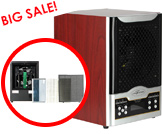

Frequently Asked Questions

Do air purifiers remove pet dander?

Air purifiers can help reduce airborne pet dander and other particles as part of an overall indoor air quality strategy. Regular cleaning and grooming are still important.

Can air purifiers reduce pet odors?

Many air purifiers are designed to reduce odor-causing airborne compounds. Combining air purification with routine cleaning provides the best results.

Which Alpine model is best for pet owners?

The Fresh Air LA-3500 v2.0 is Alpine’s largest residential model and is designed for homes up to approximately 3,500+ sq. ft. The Alpine Living LA-1500 v2.0 is a popular choice for apartments and smaller homes.


Final Thoughts

Living with pets doesn’t have to mean living with lingering odors or excessive airborne dander. A combination of regular grooming, cleaning, and an appropriately sized air purifier can help create a cleaner indoor environment.

Alpine’s product lineup includes options for nearly every space, from the compact Single Room LA-500 v3.0 to the whole-home Fresh Air LA-3500 v2.0. According to Alpine, these systems use Living Lightning™ technology to help reduce dust, pet dander, odors, smoke, pollen, and other airborne pollutants.

How Air Quality Affects Sleep, Focus & Productivity

Why Indoor Air Quality Is More Important Than You Think

Most people associate better sleep and improved productivity with healthy eating, exercise, and stress management. While these are important, the air you breathe indoors also plays a significant role in your daily comfort and overall well-being.

Since most people spend the majority of their time indoors, pollutants such as dust, pollen, pet dander, smoke particles, volatile organic compounds (VOCs), and household odors can accumulate over time. Cleaner indoor air may contribute to a more comfortable environment for sleeping, working, studying, and relaxing.

The Connection Between Air Quality and Sleep

Sleep is one of the body’s most important recovery processes, and your bedroom environment plays a major role in how well you rest.

Research suggests that reducing airborne particles and improving indoor air quality may support:

  • Better sleep quality
  • Longer sleep duration
  • Reduced nighttime congestion
  • Improved overnight comfort
  • Fresher bedroom air

Common Bedroom Pollutants

Your bedroom may contain:

  • Dust
  • Dust mites
  • Pet dander
  • Pollen
  • Smoke particles
  • VOCs from furniture and household products
  • Stale indoor air

These pollutants can build up overnight, particularly in rooms with limited ventilation.


How Poor Indoor Air Can Affect Focus

Air quality doesn’t just matter while you sleep—it also affects the spaces where you work and study.

Studies continue to explore how cleaner indoor environments may support cognitive performance, especially in adults exposed to higher levels of airborne pollution. Recent research found improved cognitive test performance among some older adults using appropriately sized HEPA air filters.

Signs that indoor air quality may be affecting comfort while working include:

  • Brain fog
  • Afternoon fatigue
  • Difficulty concentrating
  • Headaches while indoors
  • Stuffy rooms
  • Lingering odors

Indoor Air Quality and Daily Productivity

Whether you work from home, attend online classes, or simply manage a busy household, comfortable indoor air can help create a more pleasant environment.

Cleaner air may help support:

  • Comfortable home offices
  • Better study environments
  • Fresher living spaces
  • Reduced airborne dust
  • Improved overall indoor comfort

10 Ways to Improve Air Quality for Better Sleep and Focus

1. Run Your Air Purifier Daily

Continuous operation helps maintain cleaner indoor air throughout the day and night. Alpine recommends consistent use for ongoing air treatment.


2. Wash Bedding Weekly

Sheets, blankets, and pillows collect:

  • Dust
  • Pet hair
  • Skin flakes
  • Pollen

Regular washing helps reduce these particles.


3. Vacuum Carpets and Upholstery

Soft furnishings trap dust and allergens that can become airborne again during daily activity.


4. Replace HVAC Filters

Dirty HVAC filters can reduce airflow and allow more airborne particles to circulate.


5. Improve Ventilation

When outdoor air quality is good, opening windows for short periods can refresh indoor air.


6. Reduce Indoor Pollutants

Limit unnecessary use of:

  • Aerosol sprays
  • Scented candles
  • Indoor smoking
  • Harsh chemical cleaners

7. Control Humidity

Maintaining moderate indoor humidity helps create a more comfortable living environment.


8. Keep Bedrooms Clean

Dust furniture regularly and minimize clutter that collects particles.


9. Create a Healthy Home Office

Keep workspaces clean, uncluttered, and well ventilated.


10. Choose the Right Air Purifier

Selecting an air purifier that matches your room size helps maximize effectiveness. Proper placement with open airflow around the unit also improves performance.


Best Alpine Air Purifiers for Better Sleep, Focus & Productivity

🌟 Fresh Air LA-3500 v2.0 — Best for Whole-Home Air Quality

The Fresh Air LA-3500 v2.0 is Alpine’s flagship residential air purification system.

Best For

  • Large homes
  • Open floor plans
  • Families
  • Home offices
  • Whole-home indoor air quality

Features

  • Living Lightning™ Technology
  • Negative ion generation
  • UV purification
  • Activated oxygen technology
  • Photocatalytic oxidation
  • SmartAir™ monitoring

Coverage: Approximately 20–3,500+ sq. ft., according to Alpine.


🛏 Alpine Living LA-1500 v2.0 — Best for Bedrooms

Perfect for:

  • Bedrooms
  • Apartments
  • Condos
  • Guest rooms

Coverage: Approximately 20–1,500+ sq. ft.


💻 Single Room LA-500 v3.0 — Best for Home Offices

Ideal for:

  • Home offices
  • Dorm rooms
  • Study rooms
  • Bedrooms

Coverage: Approximately 20–500 sq. ft.


🏢 Alpine Pass LA-1000 v2.0 — Best for Apartments

Well suited for:

  • Apartments
  • Condos
  • Medium-sized living rooms
  • Remote workspaces

According to Alpine, this model is designed for spaces up to approximately 1,000 sq. ft.


Home Office Air Quality Tips

If you work remotely:

  • Position your purifier near your workspace.
  • Keep intake and exhaust vents unobstructed.
  • Dust electronics regularly.
  • Vacuum carpets weekly.
  • Take advantage of natural ventilation when outdoor air quality is good.

Bedroom Air Quality Checklist

✔ Wash bedding weekly

✔ Vacuum under the bed

✔ Replace HVAC filters regularly

✔ Minimize clutter

✔ Run your air purifier overnight

✔ Keep bedroom doors open when appropriate for better circulation


Frequently Asked Questions

Can better indoor air quality improve sleep?

Research suggests that cleaner indoor air may improve sleep quality and duration for some people by reducing airborne particles and improving bedroom air conditions. Individual results vary.

Can cleaner air improve focus?

Emerging research suggests improved indoor air quality may support cognitive performance and concentration, particularly in environments with elevated airborne pollution.

Which Alpine Air Purifier is best for a bedroom?

The Alpine Living LA-1500 v2.0 is well suited for bedrooms and apartments, while the Single Room LA-500 v3.0 is designed for smaller bedrooms and home offices.

Should I run my air purifier all day?

Many manufacturers, including Alpine, recommend continuous operation for more consistent indoor air quality.


Final Thoughts

Sleep quality, concentration, and productivity are influenced by many factors, and indoor air quality is one that is often overlooked. Reducing indoor pollutants through regular cleaning, proper ventilation, HVAC maintenance, and an appropriately sized air purifier can help create a cleaner and more comfortable environment for daily living.

Alpine Air Purifier offers solutions for spaces of every size—from the Single Room LA-500 v3.0 for home offices and bedrooms to the Fresh Air LA-3500 v2.0 for whole-home coverage. According to Alpine, its Living Lightning™ technology is designed to help reduce dust, smoke, odors, pollen, and other airborne contaminants while supporting fresher indoor environments.

Best Air Purifiers for Apartments and Small Spaces

Why Apartments Need the Right Air Purifier

Living in an apartment or small home has many advantages, but limited space often means indoor pollutants can become more noticeable. Dust, cooking odors, pet dander, smoke, pollen, and everyday household particles can accumulate quickly—especially when ventilation is limited.

The good news is that you don’t need a massive whole-house system to improve indoor air quality. Choosing an air purifier that’s properly matched to your room size and lifestyle can make a significant difference. According to Alpine, compact Living Lightning™ air purifiers are designed specifically for apartments, condos, studios, bedrooms, and other smaller living spaces.

Common Indoor Air Problems in Apartments

Apartment residents often face unique indoor air quality challenges, including:

  • Dust buildup
  • Cooking odors
  • Pet dander
  • Tobacco smoke from neighboring units
  • Seasonal pollen
  • Limited airflow
  • Indoor allergens
  • Musty smells

Because apartments generally have less air volume than larger homes, these pollutants can become more concentrated without proper ventilation and air cleaning.


Benefits of Using an Air Purifier in a Small Space

A properly sized air purifier can help:

  • Reduce airborne dust
  • Minimize pet dander
  • Reduce cooking odors
  • Improve overall indoor freshness
  • Reduce smoke-related odors
  • Support cleaner indoor air throughout the day

Many users also appreciate quieter operation and compact footprints in smaller homes. Community discussions often emphasize choosing a purifier that’s appropriately sized for the room rather than simply buying the largest model available.


How to Choose the Right Air Purifier

Before purchasing an air purifier, consider:

Room Size

Always choose a purifier designed to cover the size of the room where it will operate.

Noise Level

Bedrooms and home offices benefit from quieter models.

Maintenance

Some Alpine models are designed with low-maintenance, filterless operation, reducing routine filter replacement.

Air Quality Concerns

Think about your primary needs:

  • Allergies
  • Pets
  • Smoke
  • Cooking odors
  • General dust

Best Alpine Air Purifiers for Apartments and Small Spaces

🏆 Alpine Living LA-1500 v2.0 — Best Overall for Apartments

The Alpine Living LA-1500 v2.0 is designed specifically for apartments, condos, and medium-sized living areas.

Best For

  • Apartments
  • Condos
  • Studios
  • Home offices
  • Small homes

Key Features

  • Living Lightning™ Technology
  • Compact footprint
  • Adjustable controls
  • Quiet operation
  • Low-maintenance design

Coverage: Approximately 20–1,500+ sq. ft. according to Alpine.


🛏 Single Room LA-500 v3.0 — Best for Bedrooms & Studios

If you need an air purifier for a bedroom, nursery, dorm room, or studio apartment, the Single Room LA-500 v3.0 is an excellent choice.

Ideal For

  • Bedrooms
  • Dorm rooms
  • Home offices
  • Guest rooms
  • Small apartments

Coverage: Approximately 20–500 sq. ft.


🏠 Alpine Pass LA-1000 v2.0 — Best for One-Bedroom Apartments

The Alpine Pass LA-1000 v2.0 is designed for spaces up to approximately 1,000 sq. ft., making it well suited for larger apartments and one-bedroom condos.

Great For

  • One-bedroom apartments
  • Lofts
  • Condominiums
  • Open-concept living spaces


🌟 Fresh Air LA-3500 v2.0 — Best for Large Apartments

For larger luxury apartments, penthouses, or open floor plans, the Fresh Air LA-3500 v2.0 provides whole-area coverage.

Best For

  • Large apartments
  • Lofts
  • Open floor plans
  • Multi-room condos

Coverage: Approximately 20–3,500+ sq. ft.


Apartment Placement Tips

For the best performance:

  • Place the purifier where you spend the most time.
  • Keep at least 12–24 inches of open space around the unit.
  • Avoid placing it behind furniture or curtains.
  • Keep doors open when possible if treating multiple connected rooms.
  • Run the purifier continuously for more consistent indoor air quality.

Apartment Living Scenarios

Pet Owners

An air purifier can help reduce airborne pet dander and everyday pet odors as part of a regular cleaning routine.

Home Cooks

Cooking odors tend to linger in smaller spaces. Running an air purifier before and after cooking may help improve indoor freshness.

Allergy Season

During high-pollen periods, keeping windows closed and operating an appropriately sized air purifier can help reduce indoor airborne particles.

Remote Workers

Cleaner indoor air can make home offices more comfortable during long workdays.


Frequently Asked Questions

What size air purifier do I need for an apartment?

Choose a purifier that matches or exceeds the square footage of the room where it will operate. Oversizing is not always necessary, but undersizing can reduce effectiveness.

Which Alpine model is best for a studio apartment?

The Single Room LA-500 v3.0 is ideal for spaces up to about 500 sq. ft., while the Alpine Living LA-1500 v2.0 is better suited to larger studios or one-bedroom apartments.

Can an air purifier help with cooking odors?

Many air purifiers are designed to reduce airborne particles and odors. Alpine states its Living Lightning™ technology is intended to help reduce cooking smells, smoke, pet odors, and other indoor pollutants.

Are Alpine air purifiers filterless?

Some Alpine models, including the Alpine Living LA-1500 v2.0, are designed as low-maintenance filterless systems, reducing the need for routine filter replacements.


Final Thoughts

Finding the best air purifier for an apartment isn’t just about buying the biggest model—it’s about selecting one that’s appropriately sized for your space and indoor air quality needs.

For most apartments and condos, the Alpine Living LA-1500 v2.0 offers an excellent balance of coverage, portability, and low-maintenance operation. If you’re outfitting a bedroom or studio, the Single Room LA-500 v3.0 is a compact solution designed for smaller rooms. Larger apartments and open layouts may benefit from the Alpine Pass LA-1000 v2.0 or the Fresh Air LA-3500 v2.0.

By pairing the right air purifier with good cleaning habits and proper ventilation, you can enjoy cleaner, fresher indoor air year-round.

Air Purifiers for Travel: Clean Air Anywhere You Go

Breathe Easier Wherever Your Journey Takes You

Whether you’re traveling for business, family vacations, road trips, or extended stays, indoor air quality can vary dramatically from one destination to another. Hotel rooms, vacation rentals, RVs, and cabins may contain dust, stale air, pet dander, cooking odors, smoke residue, or other airborne contaminants.

A portable air purifier can help improve the air in your temporary living space, making your stay more comfortable. Alpine Air Purifier offers compact and portable solutions designed for bedrooms, apartments, hotel rooms, and other small spaces.

Why Air Quality Matters When You Travel

Every destination has unique indoor air quality challenges.

Common concerns include:

  • Dust from HVAC systems
  • Lingering smoke odors
  • Pet dander in pet-friendly accommodations
  • Cooking smells
  • Mold or musty odors
  • Pollen entering through windows
  • Poor ventilation

Frequent travelers often report that cleaner indoor air helps make hotel rooms and vacation rentals feel fresher and more comfortable.


Where a Portable Air Purifier Can Help

Hotels

Hotel rooms may have:

  • Older carpeting
  • Shared ventilation
  • Lingering odors
  • Dust buildup

Running an air purifier upon arrival can help freshen the room.


Vacation Rentals

Short-term rentals often have varying cleaning standards.

An air purifier can help reduce:

  • Dust
  • Cooking odors
  • Pet dander
  • Stale indoor air

RVs and Campers

Compact living spaces can quickly accumulate:

  • Moisture
  • Cooking smells
  • Dust
  • Outdoor pollutants

A portable purifier can help improve comfort inside the vehicle.


Business Travel

If you spend long hours working in hotel rooms, cleaner indoor air can contribute to a more comfortable workspace.


What to Look for in a Travel Air Purifier

Choose a model that offers:

  • Compact size
  • Lightweight design
  • Quiet operation
  • Low maintenance
  • Easy portability
  • Appropriate room coverage
  • Simple controls

Keep in mind that very small, battery-powered travel purifiers generally clean only a limited personal space, while larger portable room units are more effective for hotel rooms or vacation rentals.


Why Choose an Alpine Air Purifier?

According to Alpine, its Living Lightning™ technology combines multiple purification methods, including:

  • Negative ion generation
  • UV purification
  • Activated oxygen technology
  • Photocatalytic purification

Many Alpine models are also designed with low-maintenance operation, and selected units reduce the need for routine filter replacements.


Best Alpine Air Purifiers for Travelers

🛏 Single Room LA-500 v3.0 — Best for Hotel Rooms

The Single Room LA-500 v3.0 is Alpine’s most compact room purifier, making it an excellent choice for:

  • Hotel rooms
  • Dorm rooms
  • Guest rooms
  • Small offices
  • RV bedrooms

Coverage

Approximately 20–500 square feet according to Alpine.


🏨 Alpine Living LA-1500 v2.0 — Best for Vacation Rentals

Perfect for:

  • Airbnb rentals
  • Condos
  • Apartments
  • Extended hotel stays

Coverage

Approximately 20–1,500+ square feet.


🌟 Fresh Air LA-3500 v2.0 — Best for RVs and Vacation Homes

https://images.openai.com/static-rsc-4/ILA_X1RRFlM3iKF3g4Z4IrE_4-faFBL_NFgtyPV4AjLYw2X4OBwm9dNDxsyyo4oCGCoZurp1ew-JwJ6mG6v1aKdWkHJPNs-wJxQAU8HyDuDIftJ-mPdbCtjBiwsyw5L-mBsR43jAc5PW1qcYA2CCYanQgOpZa0O3DyjnvgAWl07k3seTyu-kJ09h82PhE9PB?purpose=fullsize
https://images.openai.com/static-rsc-4/IObgrR3N7pS803C55T07noR5QPzV7wjGwP8pvwBxaODseMlFZjuCoNLzWwpfx4cEQJv_KrssoF8tIcx91Wf06WDrLOTqccNn6sufbfJboItfmtnvCcmnMcBxyAvZpoPzypSAGTrEVbmNcg_MQvORyIrsnBkb5clVZy3JWfFd2jyl9ZLl_fmRCPXGcg9QX-6t?purpose=fullsize

Ideal for:

  • Vacation homes
  • Large RVs
  • Cabins
  • Extended family trips

Features

  • Living Lightning™ Technology
  • Negative ion generation
  • UV purification
  • Activated oxygen
  • SmartAir™ monitoring

Coverage is approximately 20–3,500+ square feet according to Alpine.


Travel Tips for Cleaner Indoor Air

Before You Leave

  • Check local air quality if traveling during wildfire season.
  • Pack your purifier securely.
  • Clean the purifier before departure.

When You Arrive

  • Inspect HVAC vents.
  • Close windows if outdoor air quality is poor.
  • Run your purifier continuously.
  • Wipe high-touch surfaces.

During Your Stay

  • Keep luggage closed when not in use.
  • Avoid smoking indoors.
  • Increase ventilation when outdoor conditions are favorable.

Travel Scenarios

Road Trips

Portable air purifiers can help freshen the air inside RVs or parked campers during overnight stays.

Business Travelers

Running an air purifier overnight may help reduce common indoor pollutants in hotel rooms.

Vacation Rentals

Operating the purifier for the first few hours after arrival can help reduce lingering odors from previous guests.

Extended Stays

For week-long or month-long rentals, a portable room purifier can provide ongoing indoor air quality improvement.


Frequently Asked Questions

Can I take an air purifier when I travel?

Yes. Many travelers bring compact room air purifiers for hotel rooms, vacation rentals, and RVs. The most practical models balance portability with enough airflow to treat the room, rather than only the area immediately around you.

Which Alpine model is best for travel?

The Single Room LA-500 v3.0 is ideal for hotel rooms and small spaces, while the Alpine Living LA-1500 v2.0 is a better option for apartments, vacation rentals, and extended stays.

Do I need a purifier for every trip?

Not necessarily. They are particularly useful when staying in locations with noticeable odors, allergens, wildfire smoke, or poor ventilation.

Can an air purifier help with hotel odors?

Air purifiers are commonly used to help reduce smoke odors, cooking smells, dust, and airborne particles in enclosed indoor spaces.


Final Thoughts

Travel should be about enjoying new experiences—not worrying about stale air or lingering odors in your accommodations. Whether you’re staying in a hotel, vacation rental, RV, or cabin, bringing a portable room air purifier can help create a fresher indoor environment.

Alpine Air Purifier offers practical options for travelers, from the compact Single Room LA-500 v3.0 for hotel rooms to the versatile Alpine Living LA-1500 v2.0 for larger accommodations. For vacation homes and extended stays, the Fresh Air LA-3500 v2.0 provides whole-home coverage using Alpine’s multi-technology Living Lightning™ system.

Wildfire Smoke Survival Guide: Protect Your Indoor Air

Wildfire Smoke Isn’t Just an Outdoor Problem

Wildfire seasons are becoming longer and more intense in many parts of North America. Even if flames are miles away, microscopic smoke particles can travel long distances and enter homes through:

  • Windows
  • Doors
  • Attic vents
  • HVAC systems
  • Small gaps around doors and windows

Once inside, smoke particles and odors can remain suspended in the air or settle into carpets, furniture, curtains, and bedding. Creating a clean indoor environment is one of the most effective ways to reduce exposure during smoke events.

Why Wildfire Smoke Is a Serious Indoor Air Quality Issue

Wildfire smoke contains a mixture of:

  • Fine particulate matter (PM2.5)
  • Gases
  • Smoke odors
  • Ash particles
  • Other combustion byproducts

PM2.5 particles are especially concerning because they are small enough to penetrate deep into the respiratory system. Even homes with closed windows can experience smoke infiltration.


Signs Smoke Has Entered Your Home

You may notice:

  • Smoky or burnt odors
  • Hazy indoor air
  • Increased dust or ash near windows
  • Stale indoor air
  • Dirty HVAC filters sooner than usual
  • Eye or throat irritation during smoke events

According to Alpine Air Technologies, these are common indicators that indoor air has been affected during wildfire season.


10 Ways to Protect Your Indoor Air During Wildfire Season

1. Keep Windows and Doors Closed

During periods of unhealthy outdoor air quality, keep your home sealed as much as possible to reduce smoke infiltration.


2. Create a “Clean Air Room”

Choose one frequently used room—such as a bedroom or family room—and keep windows and doors closed while running an appropriately sized air purifier continuously.

The EPA and Alpine recommend creating a designated clean-air space during severe smoke events.


3. Run Your Air Purifier Continuously

Portable air purifiers are most effective during wildfire smoke events when operated continuously rather than intermittently. Alpine recommends ongoing operation to maintain cleaner indoor air.


4. Replace HVAC Filters

Smoke particles can load HVAC filters quickly.

Inspect filters frequently during wildfire season and replace them as recommended.


5. Set HVAC to Recirculate

If your HVAC system supports it, use the recirculation setting to reduce the amount of outdoor smoke entering your home.


6. Avoid Creating Additional Indoor Pollution

During smoke events, avoid:

  • Burning candles
  • Using fireplaces
  • Smoking indoors
  • Frying foods when possible

These activities can add more airborne particles.


7. Seal Air Leaks

Check around:

  • Windows
  • Doors
  • Attic access points
  • Utility penetrations

Reducing drafts helps limit smoke infiltration.


8. Wet-Clean Indoor Surfaces

Use damp microfiber cloths and wet mops to remove settled ash and smoke particles instead of dry dusting, which can reintroduce particles into the air.


9. Monitor Local Air Quality

Use local Air Quality Index (AQI) reports to determine when outdoor conditions improve enough for ventilation.


10. Prepare Before Fire Season

Have your air purifier cleaned and ready before wildfire season begins so it can operate at peak performance when smoke arrives.


How Alpine Air Purifiers Help During Wildfire Smoke Season

According to Alpine, its Living Lightning™ technology combines several purification methods, including:

  • Negative ion generation
  • Activated oxygen technology
  • UV purification
  • Photocatalytic oxidation
  • Electrostatic purification

These systems are designed to help reduce:

  • Smoke particles
  • Tobacco smoke
  • Household odors
  • Airborne dust
  • Pollen
  • Chemical gases


Best Alpine Air Purifiers for Wildfire Smoke

🌟 Fresh Air LA-3500 v2.0 — Best Overall for Whole-Home Smoke Protection

Best For

  • Large homes
  • Open floor plans
  • Heavy smoke conditions
  • Whole-home purification

Key Features

  • Living Lightning™ Technology
  • Negative ion generation
  • Activated oxygen
  • UV purification
  • Photocatalytic oxidation
  • SmartAir™ monitoring

Coverage: Approximately 20–3,500+ sq. ft. according to Alpine.


🏡 Classic LA-3500 v2.0 — Best for Large Living Areas

https://images.openai.com/static-rsc-4/ILA_X1RRFlM3iKF3g4Z4IrE_4-faFBL_NFgtyPV4AjLYw2X4OBwm9dNDxsyyo4oCGCoZurp1ew-JwJ6mG6v1aKdWkHJPNs-wJxQAU8HyDuDIftJ-mPdbCtjBiwsyw5L-mBsR43jAc5PW1qcYA2CCYanQgOpZa0O3DyjnvgAWl07k3seTyu-kJ09h82PhE9PB?purpose=fullsize
https://images.openai.com/static-rsc-4/IObgrR3N7pS803C55T07noR5QPzV7wjGwP8pvwBxaODseMlFZjuCoNLzWwpfx4cEQJv_KrssoF8tIcx91Wf06WDrLOTqccNn6sufbfJboItfmtnvCcmnMcBxyAvZpoPzypSAGTrEVbmNcg_MQvORyIrsnBkb5clVZy3JWfFd2jyl9ZLl_fmRCPXGcg9QX-6t?purpose=fullsize
https://images.openai.com/static-rsc-4/KnLN6SYiQjNUDOtWUf-ARh9GBAvApeqqOXGm02sZ2HvDiDSX50rFCz3XYHnGR2D9Cbqj4fZwZI7Gd22h5hhYwJcF9o0M-SVv4r5RQx6kObvh7jsf-2FaVZF3-nzFK6wLrJIW3tfdY7RTg6djyMt74ldKsZhHk_jI4O7wOK4HXkorGWHJ-OnifjD0Bxa2-Ea9?purpose=fullsize

Ideal for:

  • Large homes
  • Smoke odor reduction
  • Open-concept layouts
  • High-traffic family spaces

🏢 Alpine Living LA-1500 v2.0 — Best for Apartments

Perfect for:

  • Apartments
  • Condos
  • Bedrooms
  • Smaller homes

Coverage: Approximately 20–1,500+ sq. ft.


🛏 Single Room LA-500 v3.0 — Best for a Clean Air Bedroom

Ideal for:

  • Bedrooms
  • Nurseries
  • Home offices
  • Individual clean-air rooms

Coverage: Approximately 20–500 sq. ft.


🏭 IPC-4000 Industrial Power Air Cleaner

Designed for demanding environments such as:

  • Commercial buildings
  • Restoration projects
  • Warehouses
  • Heavy smoke and odor applications


Wildfire Smoke Emergency Checklist

✔ Close windows and doors

✔ Run your Alpine Air Purifier continuously

✔ Create a designated clean-air room

✔ Set HVAC to recirculate

✔ Replace HVAC filters if needed

✔ Avoid burning candles or smoking indoors

✔ Clean ash with damp methods

✔ Check AQI before opening windows


Frequently Asked Questions

Can wildfire smoke enter a closed home?

Yes. Fine smoke particles can infiltrate through small openings, HVAC systems, and ventilation pathways even when windows are closed.

Do portable air purifiers help during wildfire smoke events?

Portable air purifiers can improve indoor air quality by reducing airborne smoke particles and odors when sized appropriately and operated continuously.

What is a clean-air room?

A clean-air room is a designated indoor space with closed windows and doors where an air purifier operates continuously to help maintain cleaner indoor air during smoke events.

Which Alpine Air Purifier is best for wildfire smoke?

For whole-home coverage, the Fresh Air LA-3500 v2.0 is Alpine’s flagship residential system. The Alpine Living LA-1500 v2.0 is well suited for apartments, while the Single Room LA-500 v3.0 works well in bedrooms or dedicated clean-air rooms.


Final Thoughts

Wildfire smoke can quickly reduce indoor air quality, even when the fire is many miles away. Preparing before smoke season begins, maintaining your HVAC system, sealing your home, and operating a properly sized air purifier continuously can significantly improve indoor comfort during smoky conditions.

Alpine Air Purifier offers solutions for spaces ranging from individual bedrooms to large homes and commercial buildings. Models such as the Fresh Air LA-3500 v2.0, Classic LA-3500 v2.0, Alpine Living LA-1500 v2.0, and Single Room LA-500 v3.0 combine multiple air purification technologies to help reduce smoke, odors, dust, and airborne pollutants as part of a comprehensive indoor air quality strategy.

Internal Linking Opportunities

  • Best Air Purifier for Smoke, Tobacco Smoke & Lingering Odors
  • How to Improve Indoor Air Quality at Home
  • Whole-House Air Purifiers vs. Room Air Purifiers
  • Maintenance Tips to Keep Your Air Purifier Performing at Its Best
  • Spring Allergy Season Survival Guide
  • How to Eliminate Household Odors Without Chemicals

Comparing Air Purification Technologies: HEPA vs. Ionization vs. Activated Oxygen

Choosing the Right Air Purification Technology

Shopping for an air purifier can be confusing because today’s products use several different technologies. Some rely entirely on HEPA filters, while others use negative ionization, activated oxygen (ozone), UV light, photocatalytic oxidation (PCO), or combinations of these methods.

Each technology works differently and has distinct strengths and limitations. Understanding those differences helps you choose the best solution for your home, office, or business.

Alpine Air Purifier systems combine multiple purification technologies—including Living Lightning™, negative ionization, activated oxygen, UV purification, and photocatalytic oxidation—rather than relying on a single approach.


Understanding the Three Main Technologies

1. HEPA Filtration

HEPA (High-Efficiency Particulate Air) filtration is a mechanical filtration system.

Air is pulled through a dense filter that captures airborne particles such as:

  • Dust
  • Pollen
  • Pet dander
  • Mold spores
  • Many airborne particles

True HEPA filters are widely recognized for high particle-capture efficiency, but they primarily treat the air that passes through the filter and require periodic replacement. They are also often paired with activated carbon filters to help address odors and gases.

Advantages

✔ Excellent particle filtration

✔ Effective for pollen

✔ Good for dust

✔ Proven mechanical technology

Limitations

  • Filters require replacement
  • Performance depends on airflow reaching the unit
  • HEPA alone does not remove many gases or odors without additional carbon filtration.

2. Negative Ionization

Negative ion air purifiers generate negatively charged ions that attach to airborne particles.

As particles gain electrical charge they may:

  • Clump together
  • Become easier to capture
  • Settle out of the air

Many ionization systems combine this technology with additional purification methods. Alpine includes negative ionization as one component of its Living Lightning™ systems.

Advantages

✔ Helps reduce airborne particles

✔ Works continuously

✔ Low routine maintenance

✔ Often used in filterless designs

Considerations

Ionization technologies vary significantly between manufacturers. Some designs may generate ozone as a byproduct, and opinions differ regarding their appropriate use. Users should always follow manufacturer instructions and applicable safety guidance.


3. Activated Oxygen (O₃)

Activated oxygen—commonly known as ozone (O₃)—is a reactive form of oxygen.

Rather than mechanically trapping particles, activated oxygen reacts with certain odor-causing compounds and contaminants. It has long been used in odor-control applications such as smoke, cooking smells, pet odors, and restoration work. Alpine combines activated oxygen with other purification technologies in several of its products.

Advantages

✔ Excellent odor reduction

✔ Helpful for smoke odors

✔ Helps with cooking smells

✔ Useful for restoration applications

Important Note

Because ozone can irritate the respiratory system at elevated concentrations, ozone-generating products should always be used according to the manufacturer’s instructions and applicable health guidance. They are not appropriate for every situation or user.


Side-by-Side Technology Comparison

Feature HEPA Negative Ionization Activated Oxygen
Dust ⭐⭐⭐⭐⭐ ⭐⭐⭐⭐ ⭐⭐
Pollen ⭐⭐⭐⭐⭐ ⭐⭐⭐⭐
Pet Dander ⭐⭐⭐⭐⭐ ⭐⭐⭐⭐ ⭐⭐
Smoke Particles ⭐⭐⭐⭐ ⭐⭐⭐ ⭐⭐⭐⭐
Smoke Odors ⭐⭐ (with carbon: ⭐⭐⭐⭐) ⭐⭐⭐ ⭐⭐⭐⭐⭐
Cooking Odors ⭐⭐ ⭐⭐⭐ ⭐⭐⭐⭐⭐
Filter Replacement Yes Usually minimal Minimal
Routine Maintenance Moderate Low Low
Whole-Room Treatment Air passing through unit Assists airborne particles Reacts within treated space (per manufacturer)

Why Alpine Uses Multiple Technologies

Many indoor air quality challenges involve both particles (dust, pollen, pet dander) and odors or gases (cooking smells, smoke, VOCs). A multi-technology approach aims to address different types of contaminants.

According to Alpine, Living Lightning™ systems combine:

  • Negative ion generation
  • Activated oxygen
  • UV germicidal technology
  • Photocatalytic oxidation
  • Carbon filtration (on select models)

to provide broader indoor air treatment.


Featured Alpine Air Purifiers

Fresh Air LA-3500 v2.0 – Alpine’s Flagship System

The Fresh Air LA-3500 v2.0 combines multiple purification technologies into one system.

Features

  • Living Lightning™ Technology
  • Negative ion generation
  • Activated oxygen
  • Dual UV bulbs
  • Photocatalytic oxidation
  • SmartAir™ monitoring

Coverage: 20–3,500+ sq. ft. according to Alpine.


Classic LA-3500 v2.0

https://images.openai.com/static-rsc-4/ILA_X1RRFlM3iKF3g4Z4IrE_4-faFBL_NFgtyPV4AjLYw2X4OBwm9dNDxsyyo4oCGCoZurp1ew-JwJ6mG6v1aKdWkHJPNs-wJxQAU8HyDuDIftJ-mPdbCtjBiwsyw5L-mBsR43jAc5PW1qcYA2CCYanQgOpZa0O3DyjnvgAWl07k3seTyu-kJ09h82PhE9PB?purpose=fullsize
https://images.openai.com/static-rsc-4/IObgrR3N7pS803C55T07noR5QPzV7wjGwP8pvwBxaODseMlFZjuCoNLzWwpfx4cEQJv_KrssoF8tIcx91Wf06WDrLOTqccNn6sufbfJboItfmtnvCcmnMcBxyAvZpoPzypSAGTrEVbmNcg_MQvORyIrsnBkb5clVZy3JWfFd2jyl9ZLl_fmRCPXGcg9QX-6t?purpose=fullsize
https://images.openai.com/static-rsc-4/KnLN6SYiQjNUDOtWUf-ARh9GBAvApeqqOXGm02sZ2HvDiDSX50rFCz3XYHnGR2D9Cbqj4fZwZI7Gd22h5hhYwJcF9o0M-SVv4r5RQx6kObvh7jsf-2FaVZF3-nzFK6wLrJIW3tfdY7RTg6djyMt74ldKsZhHk_jI4O7wOK4HXkorGWHJ-OnifjD0Bxa2-Ea9?purpose=fullsize

Designed for larger homes and businesses, the Classic LA-3500 v2.0 combines UV, activated oxygen, negative ionization, and carbon filtration for comprehensive indoor air treatment.


Alpine Living LA-1500 v2.0

The Alpine Living LA-1500 v2.0 is a filterless model intended for apartments, condos, and smaller homes. Alpine notes that this model uses a stainless-steel back with a back-to-front airflow design rather than a conventional replaceable filter.


Single Room LA-500 v3.0

Ideal for:

  • Bedrooms
  • Nurseries
  • Dorm rooms
  • Home offices

Coverage is approximately 20–500 sq. ft. according to Alpine’s product information.


Which Technology Is Best?

The answer depends on your primary concern:

  • Dust, pollen, and pet dander: HEPA filtration is well established for particle removal.
  • General indoor particle reduction with low maintenance: Ionization systems may be an option, particularly when combined with other technologies.
  • Smoke and persistent odors: Activated oxygen is commonly used for odor control, but products should be used according to manufacturer guidance.
  • Mixed indoor air quality issues: A multi-technology system may provide broader coverage than relying on one technology alone.

Frequently Asked Questions

Is HEPA better than ionization?

Neither is universally “better.” HEPA excels at mechanically capturing particles, while ionization works differently by electrically charging airborne particles. Some systems combine both approaches.

Does activated oxygen remove odors?

Activated oxygen (ozone) is commonly used because it reacts with many odor-causing compounds. It should always be used according to manufacturer recommendations.

Why does Alpine combine multiple technologies?

Alpine states that combining technologies allows its systems to address a wider variety of indoor air quality concerns than a single technology alone.

Are Alpine systems filterless?

Some models, including the Alpine Living LA-1500 v2.0, are designed as filterless systems, while larger models include additional purification components such as carbon filters and UV technology.


Final Thoughts

There is no single air purification technology that is ideal for every environment. HEPA filtration is a strong choice for removing airborne particles, negative ionization provides a different approach to particle management, and activated oxygen is widely used for odor control. Many premium systems—including Alpine’s Living Lightning™ lineup—combine several technologies to target particles, odors, and other indoor air quality concerns in one integrated solution. As with any air purifier, selecting the right model depends on your room size, indoor air quality goals, and following the manufacturer’s operating instructions.

Indoor Air Quality Solutions for Homes with Children

Why Indoor Air Quality Matters for Families

Children spend a significant amount of time indoors—sleeping, playing, studying, and growing. Everyday household activities can introduce airborne particles such as dust, pollen, pet dander, cooking odors, and volatile organic compounds (VOCs). Good ventilation, regular cleaning, and air purification can help create a fresher indoor environment for the whole family. Alpine notes that improving indoor air quality can help reduce common indoor pollutants found in modern homes.

Common Indoor Pollutants Found in Family Homes

Even clean homes can contain airborne contaminants that accumulate throughout the day, including:

  • Dust
  • Dust mites
  • Pet dander
  • Pollen
  • Cooking smoke
  • Household odors
  • VOCs from furniture and cleaning products
  • Mold spores in damp areas

Because children often play on floors and soft surfaces where particles settle, reducing these pollutants can be part of maintaining a comfortable indoor environment.


Signs Your Home May Need Better Indoor Air Quality

Watch for common indicators such as:

  • Excessive dust shortly after cleaning
  • Lingering cooking or pet odors
  • Stuffy rooms
  • Frequent sneezing indoors
  • Dirty HVAC filters
  • Poor airflow
  • Musty smells

These signs don’t necessarily indicate a health problem, but they may suggest it’s time to improve ventilation, cleaning, or air purification.


10 Ways to Improve Indoor Air Quality for Children

1. Vacuum and Dust Frequently

Use a vacuum suitable for fine dust and wipe surfaces with a damp microfiber cloth to reduce settled particles.


2. Wash Bedding Weekly

Children’s bedding can collect:

  • Dust
  • Pollen
  • Pet hair
  • Skin flakes

Regular laundering helps keep sleeping areas fresher.


3. Replace HVAC Filters

Dirty HVAC filters may recirculate airborne particles throughout the home.


4. Keep Shoes at the Door

Shoes can track pollen, dirt, and other outdoor contaminants inside.


5. Control Indoor Humidity

Maintaining moderate humidity helps reduce moisture-related issues and improves overall indoor comfort.


6. Reduce Strong Fragrances

Limit unnecessary use of:

  • Aerosol sprays
  • Scented candles
  • Plug-in air fresheners

Some fragrance products can contribute additional indoor pollutants.


7. Improve Ventilation

When outdoor air quality is good, opening windows periodically can help refresh indoor air.


8. Keep Pet Areas Clean

If you have pets, regularly wash bedding and vacuum areas where they spend time.


9. Clean Toys and Soft Furnishings

Stuffed toys, rugs, and curtains can collect dust over time.


10. Run an Air Purifier Daily

Consistent operation can help reduce airborne dust, pollen, pet dander, smoke, and household odors as part of an overall indoor air quality strategy. Alpine recommends continuous operation for maintaining cleaner indoor air.


Recommended Alpine Air Purifiers for Family Homes

🌟 Fresh Air LA-3500 v2.0 — Best for Whole-Home Family Protection

The Fresh Air LA-3500 v2.0 is Alpine’s flagship residential system.

Ideal For

  • Large homes
  • Open floor plans
  • Families with children
  • Multi-pet households

Features

  • Living Lightning™ Technology
  • Negative ion generation
  • UV purification
  • Activated oxygen technology
  • SmartAir™ monitoring

Coverage: Approximately 20–3,500+ sq. ft. according to Alpine product specifications.


🏡 Alpine Living LA-1500 v2.0 — Best for Apartments and Playrooms

A compact solution designed for:

  • Apartments
  • Children’s playrooms
  • Homework spaces
  • Family rooms

Coverage: Up to approximately 1,500+ sq. ft.


🛏 Single Room LA-500 v3.0 — Best for Children’s Bedrooms

Designed for smaller rooms, the Single Room LA-500 v3.0 is suitable for:

  • Children’s bedrooms
  • Nurseries
  • Study rooms
  • Home offices

Coverage: Approximately 20–500 sq. ft.


🏠 Classic LA-3500 v2.0 — Best for Large Family Homes

https://images.openai.com/static-rsc-4/ILA_X1RRFlM3iKF3g4Z4IrE_4-faFBL_NFgtyPV4AjLYw2X4OBwm9dNDxsyyo4oCGCoZurp1ew-JwJ6mG6v1aKdWkHJPNs-wJxQAU8HyDuDIftJ-mPdbCtjBiwsyw5L-mBsR43jAc5PW1qcYA2CCYanQgOpZa0O3DyjnvgAWl07k3seTyu-kJ09h82PhE9PB?purpose=fullsize
https://images.openai.com/static-rsc-4/IObgrR3N7pS803C55T07noR5QPzV7wjGwP8pvwBxaODseMlFZjuCoNLzWwpfx4cEQJv_KrssoF8tIcx91Wf06WDrLOTqccNn6sufbfJboItfmtnvCcmnMcBxyAvZpoPzypSAGTrEVbmNcg_MQvORyIrsnBkb5clVZy3JWfFd2jyl9ZLl_fmRCPXGcg9QX-6t?purpose=fullsize

Ideal for:

  • Multi-story homes
  • Large living rooms
  • Busy family spaces
  • Homes with multiple children and pets

According to Alpine, the Classic LA-3500 is designed for larger indoor environments and comprehensive air purification.


Room-by-Room Air Quality Tips

Nursery

  • Vacuum frequently
  • Wash bedding weekly
  • Keep humidity balanced
  • Use an appropriately sized air purifier

Children’s Bedroom

  • Dust bookshelves and furniture
  • Clean stuffed animals regularly
  • Minimize clutter that collects dust

Playroom

  • Clean toys often
  • Vacuum rugs
  • Wipe hard surfaces

Family Room

  • Maintain HVAC filters
  • Groom pets regularly
  • Run air purification during busy hours

Homework Area

Cleaner indoor air and a tidy workspace can contribute to a more comfortable environment for studying and concentration.


Frequently Asked Questions

Can an air purifier help reduce dust and pet dander?

Air purifiers are commonly used to reduce airborne particles such as dust, pollen, and pet dander as part of an overall indoor air quality plan.

Should an air purifier run all day?

Many manufacturers, including Alpine, recommend continuous operation for more consistent indoor air quality.

Which Alpine model is best for a child’s bedroom?

The Single Room LA-500 v3.0 is designed for bedrooms and smaller spaces, while larger rooms may benefit from the Alpine Living LA-1500 v2.0.

Can an air purifier replace regular cleaning?

No. Air purification works best alongside vacuuming, dusting, HVAC maintenance, and good ventilation.


Final Thoughts

Creating a cleaner indoor environment for children starts with a combination of everyday habits and effective air quality management. Regular cleaning, replacing HVAC filters, reducing indoor pollutants, and maintaining proper ventilation all contribute to a fresher home.

Alpine Air Purifier offers solutions for every room—from the Single Room LA-500 v3.0 for children’s bedrooms to the Fresh Air LA-3500 v2.0 for whole-home coverage. By choosing the right system and following good indoor air quality practices, families can enjoy a cleaner and more comfortable living environment throughout the year.

Call to Action

Explore Alpine Air Purifier Products: https://alpineairpurifier.com/products/

Visit Alpine Air Purifier: https://alpineairpurifier.com/

How to Eliminate Household Odors Without Chemicals (2026 Complete Guide)

Say Goodbye to Household Odors—Naturally

Everyone wants a home that smells fresh, but masking odors with scented sprays, candles, or plug-in fragrances doesn’t remove the source of the problem. Many fragrance products simply cover unpleasant smells and may introduce additional volatile organic compounds (VOCs) into your indoor environment.

A better approach is to identify and reduce the source of odors while improving indoor air quality. Regular cleaning, ventilation, moisture control, and an effective air purification system can all help create a fresher home without relying on harsh chemicals. Air purifiers are commonly used alongside good housekeeping to reduce airborne particles and odor-causing compounds.

What Causes Household Odors?

Persistent odors usually come from one or more sources:

  • Cooking oils and food residue
  • Pet dander and pet accidents
  • Tobacco smoke
  • Moisture and mildew
  • Garbage containers
  • Dirty carpets
  • Upholstered furniture
  • Shoes and sports equipment
  • Bathrooms
  • HVAC systems

Rather than masking these odors, addressing the source is the most effective long-term strategy.


Why Air Fresheners Aren’t Always the Best Solution

Many commercial air fresheners simply add fragrance to the air instead of removing odor-causing compounds.

Instead, consider:

  • Cleaning odor sources
  • Increasing ventilation
  • Controlling humidity
  • Running an air purifier
  • Removing trash promptly

These methods can improve indoor air quality without relying on strong fragrances.


10 Natural Ways to Eliminate Household Odors

1. Improve Air Circulation

Opening windows when outdoor conditions allow helps exchange stale indoor air with fresh outdoor air.


2. Clean Soft Surfaces Regularly

Odors often become trapped in:

  • Carpets
  • Curtains
  • Upholstery
  • Bedding

Vacuum and wash these items routinely.


3. Empty Trash Frequently

Food waste can become a major odor source.

Clean garbage cans regularly with warm water and mild soap.


4. Wash Pet Bedding

Pet beds collect:

  • Hair
  • Dander
  • Body oils

Frequent washing helps minimize lingering smells.


5. Control Moisture

Moisture encourages mildew and musty odors.

Inspect:

  • Bathrooms
  • Basements
  • Laundry rooms
  • Under sinks

Repair leaks promptly and maintain good ventilation.


6. Clean Kitchen Surfaces

Cooking oils accumulate on:

  • Cabinets
  • Range hoods
  • Countertops

Removing grease buildup helps eliminate lingering cooking odors.


7. Use Activated Charcoal

Activated charcoal can help absorb odors in closets, shoe racks, and storage spaces. It is often recommended as a fragrance-free odor management option.


8. Keep HVAC Filters Clean

Replacing HVAC filters on schedule helps reduce recirculated dust and airborne particles.


9. Groom Pets Regularly

Brushing and bathing pets reduces loose hair and dander that can contribute to household odors.


10. Run an Air Purifier Daily

Continuous air purification can help reduce airborne particles and odor-causing compounds throughout the day. According to Alpine, its Living Lightning™ technology is designed to help reduce odors, smoke, dust, pollen, and other indoor pollutants.


How Alpine Air Purifiers Help Reduce Household Odors

Alpine Air Purifier systems combine multiple air-treatment technologies, including:

  • Living Lightning™ technology
  • Negative ion generation
  • Controlled activated oxygen
  • UV purification
  • Photocatalytic purification

According to Alpine, these systems are designed to help reduce:

  • Cooking odors
  • Tobacco smoke
  • Pet odors
  • Dust
  • Pollen
  • Airborne contaminants

Unlike fragrance products that simply mask smells, Alpine states its systems are designed to help address odor-causing compounds while improving indoor air quality.


Best Alpine Air Purifiers for Odor Removal

🌟 Fresh Air LA-3500 v2.0 — Best Overall for Whole-Home Odor Control

https://images.openai.com/static-rsc-4/IObgrR3N7pS803C55T07noR5QPzV7wjGwP8pvwBxaODseMlFZjuCoNLzWwpfx4cEQJv_KrssoF8tIcx91Wf06WDrLOTqccNn6sufbfJboItfmtnvCcmnMcBxyAvZpoPzypSAGTrEVbmNcg_MQvORyIrsnBkb5clVZy3JWfFd2jyl9ZLl_fmRCPXGcg9QX-6t?purpose=fullsize
https://images.openai.com/static-rsc-4/KnLN6SYiQjNUDOtWUf-ARh9GBAvApeqqOXGm02sZ2HvDiDSX50rFCz3XYHnGR2D9Cbqj4fZwZI7Gd22h5hhYwJcF9o0M-SVv4r5RQx6kObvh7jsf-2FaVZF3-nzFK6wLrJIW3tfdY7RTg6djyMt74ldKsZhHk_jI4O7wOK4HXkorGWHJ-OnifjD0Bxa2-Ea9?purpose=fullsize

The Fresh Air LA-3500 v2.0 is Alpine’s flagship model for large homes.

Ideal For

  • Cooking odors
  • Smoke
  • Pet odors
  • Large open floor plans
  • Whole-home purification

Coverage: Approximately 20–3,500+ sq. ft. according to Alpine product specifications.


🏆 Classic LA-3500 v2.0 — Best for Persistent Household Odors

https://images.openai.com/static-rsc-4/ILA_X1RRFlM3iKF3g4Z4IrE_4-faFBL_NFgtyPV4AjLYw2X4OBwm9dNDxsyyo4oCGCoZurp1ew-JwJ6mG6v1aKdWkHJPNs-wJxQAU8HyDuDIftJ-mPdbCtjBiwsyw5L-mBsR43jAc5PW1qcYA2CCYanQgOpZa0O3DyjnvgAWl07k3seTyu-kJ09h82PhE9PB?purpose=fullsize
https://images.openai.com/static-rsc-4/IObgrR3N7pS803C55T07noR5QPzV7wjGwP8pvwBxaODseMlFZjuCoNLzWwpfx4cEQJv_KrssoF8tIcx91Wf06WDrLOTqccNn6sufbfJboItfmtnvCcmnMcBxyAvZpoPzypSAGTrEVbmNcg_MQvORyIrsnBkb5clVZy3JWfFd2jyl9ZLl_fmRCPXGcg9QX-6t?purpose=fullsize
https://images.openai.com/static-rsc-4/KnLN6SYiQjNUDOtWUf-ARh9GBAvApeqqOXGm02sZ2HvDiDSX50rFCz3XYHnGR2D9Cbqj4fZwZI7Gd22h5hhYwJcF9o0M-SVv4r5RQx6kObvh7jsf-2FaVZF3-nzFK6wLrJIW3tfdY7RTg6djyMt74ldKsZhHk_jI4O7wOK4HXkorGWHJ-OnifjD0Bxa2-Ea9?purpose=fullsize

The Classic LA-3500 v2.0 is designed for larger homes and businesses.

Great For

  • Tobacco smoke
  • Kitchen odors
  • Pet odors
  • Dust
  • Large living rooms

Coverage: Up to 5,000 sq. ft. according to Alpine.


🏡 Alpine Living LA-1500 v2.0 — Best for Apartments

Perfect for:

  • Apartments
  • Condos
  • Bedrooms
  • Home offices

Coverage: Approximately 20–1,500+ sq. ft.


🛏 Single Room LA-500 v3.0 — Best for Bedrooms

Ideal for:

  • Bedrooms
  • Nurseries
  • Home offices
  • Guest rooms

Coverage: Up to 500 sq. ft.


Room-by-Room Odor Removal Tips

Kitchen

  • Clean grease buildup regularly.
  • Empty trash daily.
  • Use exhaust fans while cooking.
  • Run an air purifier after preparing strong-smelling foods.

Living Room

  • Vacuum rugs and upholstery.
  • Wash throw blankets.
  • Keep pet bedding clean.

Bedroom

  • Wash bedding weekly.
  • Vacuum under the bed.
  • Use an appropriately sized air purifier.

Bathroom

  • Improve ventilation.
  • Repair leaks quickly.
  • Clean drains regularly.

Laundry Room

  • Dry damp towels promptly.
  • Clean the washing machine periodically.
  • Prevent moisture buildup.

Frequently Asked Questions

Can an air purifier remove household odors?

Many air purifiers are designed to help reduce odor-causing particles and gases. Alpine states its Living Lightning™ technology helps reduce odors from smoke, cooking, pets, and other common household sources.

What’s better: masking odors or removing them?

Removing the source of the odor is generally more effective than masking it with fragrances. Cleaning, ventilation, moisture control, and air purification provide longer-lasting results.

Which Alpine model is best for cooking odors?

The Fresh Air LA-3500 v2.0 is well suited for larger kitchens and open-concept homes because of its coverage area and multi-technology purification system.

Can air purifiers replace cleaning?

No. Air purifiers work best when combined with regular cleaning, moisture control, and good ventilation.


Final Thoughts

Creating a fresh-smelling home doesn’t require harsh chemical sprays or overpowering fragrances. By addressing odor sources, maintaining a regular cleaning routine, improving ventilation, and using an air purification system, you can enjoy cleaner indoor air naturally.

Alpine Air Purifier offers solutions for virtually every home size—from the compact Single Room LA-500 v3.0 to the whole-home Fresh Air LA-3500 v2.0. According to Alpine, these systems are designed to help reduce odors, smoke, dust, pollen, and other airborne contaminants while supporting healthier indoor air.

Learn More About Alpine Products

Browse Alpine Air Purifier Products

Visit Alpine Air Purifier Official Website

Spring Allergy Season Survival Guide: Breathe Easier with Cleaner Indoor Air (2026)

Spring Has Arrived—So Has Allergy Season

Spring brings blooming flowers, warmer temperatures, and longer days—but it also marks the return of pollen, mold spores, and other airborne allergens. Even if you spend most of your time indoors, allergens can easily enter your home through open windows, shoes, clothing, pets, and HVAC systems. Once inside, they can continue circulating and settling on furniture, bedding, and carpets.

For many families, creating cleaner indoor air is an important part of managing seasonal allergies. Along with good housekeeping and HVAC maintenance, using an appropriately sized air purification system can help reduce airborne particles and improve overall indoor comfort.

Common Spring Allergens Found Indoors

During spring, the following allergens commonly make their way inside:

  • Tree pollen
  • Grass pollen
  • Weed pollen
  • Mold spores
  • Dust mites
  • Pet dander
  • Outdoor dust

Because modern homes are well insulated, these particles can remain indoors long after they’ve entered, making indoor air quality just as important as outdoor conditions.


Signs Spring Allergies Are Affecting Your Home

If you notice any of these symptoms primarily while indoors, indoor allergens may be contributing:

  • Frequent sneezing
  • Itchy or watery eyes
  • Runny or stuffy nose
  • Sinus pressure
  • Dry throat
  • Fatigue
  • Poor sleep quality

If symptoms improve after leaving the house but return indoors, it may be worthwhile to evaluate your home’s indoor air quality.


10 Tips to Survive Spring Allergy Season

1. Keep Windows Closed During Peak Pollen Hours

Pollen counts are often highest during the morning and on windy days. Keeping windows closed can reduce the amount of pollen entering your home.


2. Remove Shoes at the Door

Shoes can track pollen and outdoor debris throughout your home.

Consider creating a designated shoe area near your entrance.


3. Shower After Spending Time Outdoors

Pollen easily sticks to:

  • Hair
  • Clothing
  • Skin

Showering and changing clothes after outdoor activities helps reduce allergen transfer into your living space.


4. Wash Bedding Weekly

Pollen settles on:

  • Pillowcases
  • Blankets
  • Sheets

Regular washing helps keep sleeping areas cleaner.


5. Vacuum Frequently

Use a vacuum designed to capture fine particles, especially if you have carpets or pets.


6. Change HVAC Filters

A clean HVAC filter helps reduce recirculation of dust and pollen throughout your home.


7. Run Your Air Purifier Daily

Running your air purifier continuously during allergy season helps maintain more consistent indoor air quality. Alpine recommends continuous operation during peak pollen periods.


8. Keep Pets Clean

Dogs and cats often carry pollen indoors after spending time outside.

Regular grooming can help reduce this.


9. Dust with a Damp Cloth

Using a damp microfiber cloth captures allergens more effectively than dry dusting.


10. Monitor Local Pollen Levels

Checking pollen forecasts can help you plan outdoor activities and reduce exposure during high-pollen days.


Best Alpine Air Purifiers for Spring Allergy Season

🌿 Fresh Air LA-3500 v2.0 – Best Overall for Whole-Home Allergy Protection

The Fresh Air LA-3500 v2.0 is Alpine’s flagship residential air purifier.

According to Alpine, it uses Living Lightning™ technology that combines:

  • Negative ion generation
  • Activated oxygen technology
  • UV purification
  • Photocatalytic purification

The system is designed to help reduce common indoor contaminants, including pollen, dust, pet dander, smoke, and odors. It is suitable for homes up to approximately 3,500+ square feet.

Best For

  • Large homes
  • Open floor plans
  • Families with allergy sufferers
  • Multi-pet households

🌼 Classic LA-3500 v2.0 – Best for Large Living Areas

https://images.openai.com/static-rsc-4/IObgrR3N7pS803C55T07noR5QPzV7wjGwP8pvwBxaODseMlFZjuCoNLzWwpfx4cEQJv_KrssoF8tIcx91Wf06WDrLOTqccNn6sufbfJboItfmtnvCcmnMcBxyAvZpoPzypSAGTrEVbmNcg_MQvORyIrsnBkb5clVZy3JWfFd2jyl9ZLl_fmRCPXGcg9QX-6t?purpose=fullsize
https://images.openai.com/static-rsc-4/TVAv25b9fZiEm3ycamGLzmdp2KjzsLwHRwW509KE3Y61HTmm86-h6qTEjwDTmYpzd94ZuHdJTLYEyFoGcKQIVIN96Jvkum_1Zja4YgLRVaEg-qQimaad6b2mfC-5pmDcAelna9omgweeMpNhyjpmJje94yUbiEQV5GD8erRWmynItCvCC5YM71NkNbgSoeY7?purpose=fullsize
https://images.openai.com/static-rsc-4/PDAXs1k6QwTH5sFkO2kbGgO_NS7FbYyju0TBMtXd_c-oFThLrjBYpXTdSsMUR_kfBDsw6aDI7He3uKE0L723ZFMtHCIAMrIE8Rk7Yq3QBn2lYT5QKEEoCt-RDFWKVvjDXRvNMXeYOu5lAtdue0A7El76y6Ey5roiNylvx12iVXjLkajQAlwOSBPYyCjkS8Pu?purpose=fullsize
4

The Classic LA-3500 v2.0 is designed to help reduce:

  • Dust
  • Pollen
  • Pet dander
  • Smoke
  • Household odors

Alpine lists coverage of up to 5,000 square feet, making it a strong option for larger indoor spaces.


🌿 Alpine Living LA-1500 v2.0 – Best for Apartments

Designed for apartments and smaller homes, the Alpine Living LA-1500 v2.0 offers coverage up to approximately 1,500 square feet.

Ideal for:

  • Apartments
  • Condos
  • Bedrooms
  • Home offices

🛏 Single Room LA-500 v3.0 – Best Bedroom Air Purifier

The Single Room LA-500 v3.0 is designed for spaces up to 500 square feet, making it well suited for bedrooms and nurseries where allergy sufferers spend many hours each day.


Why Indoor Air Matters During Allergy Season

Many people assume allergies only occur outdoors. In reality, pollen and other allergens can remain indoors for extended periods if they are repeatedly introduced into the home.

Maintaining cleaner indoor air may help reduce exposure to common airborne allergens and create a more comfortable living environment, particularly when combined with other allergy-management practices.


Spring Cleaning Checklist for Better Indoor Air

✔ Vacuum carpets and rugs

✔ Wash bedding weekly

✔ Dust with microfiber cloths

✔ Keep entryways clean

✔ Change HVAC filters

✔ Groom pets regularly

✔ Run your Alpine Air Purifier daily

✔ Wipe down hard surfaces

✔ Limit open windows during high pollen days

✔ Inspect your purifier for routine maintenance


Frequently Asked Questions

Can an air purifier help during spring allergy season?

Air purifiers can reduce airborne particles such as pollen, dust, and pet dander that contribute to poor indoor air quality. They work best as part of a broader allergy-management strategy.

Should I run my air purifier all day?

During peak allergy season, Alpine recommends continuous operation to help reduce indoor allergen buildup.

Which Alpine model is best for allergies?

The Fresh Air LA-3500 v2.0 is Alpine’s flagship whole-home model, while the Alpine Living LA-1500 v2.0 and Single Room LA-500 v3.0 are well suited for apartments and bedrooms.

Besides an air purifier, what else can help?

Helpful habits include changing HVAC filters, washing bedding regularly, showering after outdoor activities, keeping windows closed during high pollen days, and cleaning floors and surfaces frequently.


Final Thoughts

Spring allergy season doesn’t have to mean weeks of sneezing, congestion, and restless nights. By combining good household habits with a properly maintained air purification system, you can create a cleaner indoor environment throughout pollen season.

Alpine Air Purifier’s Living Lightning™ product line offers solutions for nearly every home size—from the compact Single Room LA-500 v3.0 for bedrooms to the powerful Fresh Air LA-3500 v2.0 and Classic LA-3500 v2.0 for larger homes. Choosing the right system and following consistent allergy-season practices can help you enjoy spring with greater indoor comfort.