Tag Archives: reduce indoor air pollution best air purifier for home air purification solutions indoor allergens

Maintenance Tips to Keep Your Air Purifier Performing at Its Best

Why Air Purifier Maintenance Matters

An air purifier works best when it is properly maintained. Over time, dust, pet dander, airborne particles, and household contaminants can accumulate on purification components, reducing efficiency and airflow.

Regular maintenance helps:

  • Maintain optimal performance
  • Extend equipment lifespan
  • Improve indoor air quality
  • Reduce dust and odors more effectively
  • Prevent unnecessary repairs
  • Ensure consistent operation

According to Alpine Air Technologies, the Fresh Air LA-3500 v2.0 includes SmartAir™ Technology that alerts users when maintenance is required, and most routine maintenance can be completed in less than five minutes.

How Often Should You Maintain Your Air Purifier?

The ideal maintenance schedule depends on:

  • Home size
  • Number of pets
  • Smoking indoors
  • Local air quality
  • Usage hours

General Recommendation

Task Frequency
Exterior Cleaning Weekly
Collector Plate Inspection Monthly
Purification Component Cleaning Monthly
Deep Cleaning Every 2–3 Months
UV Component Inspection Every 6–12 Months
Full System Inspection Annually

Homes with pets, smokers, or heavy dust loads may require more frequent maintenance.


Signs Your Air Purifier Needs Cleaning

Your purifier may need attention if you notice:

✔ Increased dust buildup

✔ Reduced airflow

✔ Persistent odors

✔ Visible dirt on purification components

✔ Lower performance

✔ Unusual operational sounds

✔ Maintenance reminder alerts

Many Alpine systems include maintenance reminders to help users stay on schedule.


Step 1: Clean the Exterior Regularly

Dust accumulation on the exterior can eventually enter ventilation openings.

Weekly Cleaning Routine

  1. Turn off the purifier.
  2. Unplug the unit.
  3. Use a soft microfiber cloth.
  4. Remove dust from vents and control panels.
  5. Wipe away fingerprints and debris.

This simple step helps maintain appearance and proper airflow.


Step 2: Inspect Air Intake Areas

Air intake openings are often overlooked.

Dust buildup around intake vents can reduce efficiency and airflow.

Check:

  • Rear vents
  • Side openings
  • Air intake grills
  • Fan openings

Remove visible debris using a soft brush or vacuum attachment.


Step 3: Clean Collection Components

Many Alpine Air Purifier systems use purification technologies that require periodic cleaning rather than frequent filter replacement.

According to Alpine’s FAQ, several models are designed as low-maintenance systems with minimal consumable components.

Cleaning Tips

  • Follow manufacturer instructions
  • Use non-abrasive materials
  • Allow components to dry completely before reinstalling
  • Avoid harsh chemicals

Step 4: Inspect UV Components

Many Alpine models incorporate UV purification technology.

Check for:

  • Proper illumination
  • Dust buildup
  • Physical damage

If replacement is necessary, follow Alpine’s recommended service schedule.


Step 5: Monitor Airflow Performance

One of the easiest ways to assess purifier health is by checking airflow.

If airflow seems reduced:

  • Clean intake areas
  • Inspect internal components
  • Verify fan settings
  • Check for obstructions

Proper airflow helps maximize purification effectiveness.


Step 6: Keep the Unit Properly Positioned

Placement affects performance.

Avoid:

❌ Behind furniture

❌ Inside cabinets

❌ Tight corners

❌ Blocked air pathways

Recommended Locations

✔ Bedrooms

✔ Living rooms

✔ Family rooms

✔ Home offices

✔ Open spaces

Maintaining adequate clearance around the unit improves air circulation.


Best Alpine Air Purifiers and Maintenance Features

Fresh Air LA-3500 v2.0 – Smart Maintenance Monitoring

The Fresh Air LA-3500 v2.0 is Alpine’s most advanced residential purifier.

Maintenance Advantages

  • SmartAir™ maintenance alerts
  • Easy-access components
  • Digital monitoring system
  • Designed for quick cleaning

According to Alpine, routine maintenance typically takes less than five minutes.

Coverage

20–3,500+ sq. ft.


Classic LA-3500 v2.0 – Proven Low-Maintenance Design

https://images.openai.com/static-rsc-4/ILA_X1RRFlM3iKF3g4Z4IrE_4-faFBL_NFgtyPV4AjLYw2X4OBwm9dNDxsyyo4oCGCoZurp1ew-JwJ6mG6v1aKdWkHJPNs-wJxQAU8HyDuDIftJ-mPdbCtjBiwsyw5L-mBsR43jAc5PW1qcYA2CCYanQgOpZa0O3DyjnvgAWl07k3seTyu-kJ09h82PhE9PB?purpose=fullsize
https://images.openai.com/static-rsc-4/PDAXs1k6QwTH5sFkO2kbGgO_NS7FbYyju0TBMtXd_c-oFThLrjBYpXTdSsMUR_kfBDsw6aDI7He3uKE0L723ZFMtHCIAMrIE8Rk7Yq3QBn2lYT5QKEEoCt-RDFWKVvjDXRvNMXeYOu5lAtdue0A7El76y6Ey5roiNylvx12iVXjLkajQAlwOSBPYyCjkS8Pu?purpose=fullsize

The Classic LA-3500 v2.0 has long been one of Alpine’s flagship purification systems.

Maintenance Benefits

  • Accessible cleaning components
  • Durable construction
  • Designed for continuous operation

Alpine notes that the Classic model remains one of its most widely used air purification systems worldwide.


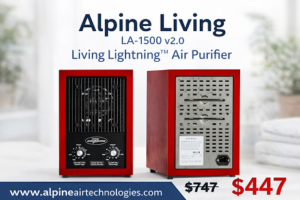
Alpine Living LA-1500 v2.0 – Easy Maintenance for Apartments

The Alpine Living LA-1500 v2.0 is designed for apartments and smaller homes.

Maintenance Highlights

  • Compact design
  • Simple cleaning procedures
  • Filterless operation design

Alpine’s FAQ identifies the LA-1500 as a filterless model that uses a stainless-steel back design.

Coverage

20–1,500+ sq. ft.


Single Room LA-500 v3.0 – Simple Bedroom Maintenance

The Single Room LA-500 v3.0 is ideal for bedrooms and personal spaces.

Coverage

20–500 sq. ft.

Best For

  • Bedrooms
  • Nurseries
  • Dorm rooms
  • Home offices

Common Air Purifier Maintenance Mistakes

1. Waiting Too Long Between Cleanings

Small amounts of buildup can eventually affect performance.


2. Blocking Airflow

Furniture placement often restricts airflow and reduces effectiveness.


3. Ignoring Maintenance Alerts

Systems with maintenance indicators should be serviced promptly.


4. Using Harsh Chemicals

Aggressive cleaning products can damage components.


5. Operating in Excessively Dusty Conditions Without Cleaning

High-dust environments require more frequent inspections.


Seasonal Maintenance Checklist

Spring

  • Remove winter dust accumulation
  • Inspect all components
  • Prepare for allergy season

Summer

  • Clean intake vents
  • Check airflow performance

Fall

  • Remove accumulated pollen
  • Perform deep cleaning

Winter

  • Inspect purification systems
  • Clean before increased indoor occupancy

Frequently Asked Questions

How often should I clean my Alpine Air Purifier?

Most homeowners benefit from monthly inspections and periodic cleaning. Homes with pets or higher dust levels may require more frequent maintenance.

Does the Fresh Air LA-3500 have maintenance reminders?

Yes. Alpine states that the Fresh Air LA-3500 v2.0 includes SmartAir™ Technology that alerts users when maintenance is required.

How long does maintenance take?

According to Alpine, routine maintenance can typically be completed in less than five minutes.

Can poor maintenance affect air purifier performance?

Yes. Dust buildup, blocked airflow, and neglected components can reduce overall purification effectiveness.


Final Thoughts

A well-maintained air purifier delivers better airflow, more consistent purification, and a longer operating life. Fortunately, maintaining an Alpine Air Purifier is straightforward and requires only a few minutes each month.

Whether you own the Fresh Air LA-3500 v2.0, Classic LA-3500 v2.0, Alpine Living LA-1500 v2.0, or Single Room LA-500 v3.0, regular cleaning and inspections can help keep your system operating at peak performance year-round. Alpine’s Living Lightning™ technology is designed with user-friendly maintenance in mind, making it easier to enjoy cleaner indoor air with minimal effort.

Explore Alpine Products

Alpine Air Purifier Products

Visit Alpine Air Purifier

Alpine Air Purifier Official Website

Filterless Air Purifiers: Are They Worth It? (2026 Complete Guide)

What Is a Filterless Air Purifier?

Air purifiers have become increasingly popular as homeowners look for ways to reduce dust, odors, pet dander, pollen, smoke, and other airborne pollutants. While traditional HEPA systems dominate much of the market, filterless air purifiers are gaining attention because they eliminate the need for frequent filter replacements.

A filterless air purifier typically uses technologies such as:

  • Negative ionization
  • Electrostatic purification
  • Activated oxygen (O₃)
  • UV purification
  • Photocatalytic oxidation
  • Charged particle collection

Instead of trapping contaminants inside disposable filters, these systems are designed to actively treat airborne pollutants throughout the environment.

Why Are Filterless Air Purifiers Becoming So Popular?

One of the biggest frustrations homeowners have with traditional air purifiers is the ongoing cost of replacement filters.

Many HEPA systems require:

  • Filter replacements every few months
  • Carbon filter changes
  • Increased maintenance costs
  • Reduced performance when filters become clogged

Filterless systems appeal to homeowners who want lower maintenance and fewer recurring expenses.


How Filterless Air Purifiers Work

Unlike traditional filtration systems that rely on physical filters, Alpine Air Purifier systems use Living Lightning™ technology combined with multiple purification processes. According to Alpine product information, these technologies are designed to address:

  • Dust
  • Pollen
  • Smoke
  • Pet dander
  • Odors
  • Airborne contaminants

while reducing the need for ongoing filter purchases.


Advantages of Filterless Air Purifiers

1. No Expensive Filter Replacements

One of the biggest advantages is the elimination of recurring filter purchases.

Traditional air purifiers often require:

  • HEPA filters
  • Carbon filters
  • Prefilters

Over several years, replacement costs can exceed the original purchase price of the purifier. Filterless systems significantly reduce these ongoing expenses.


2. Lower Long-Term Cost of Ownership

Because there are fewer consumable components, many homeowners find filterless systems more economical over time.

Benefits include:

✔ Reduced maintenance costs

✔ Fewer replacement parts

✔ Less waste

✔ Long-term savings


3. Environmentally Friendly

Traditional filters eventually end up in landfills.

Filterless systems generate less waste because they do not require frequent filter disposal. This can be attractive to environmentally conscious homeowners.


4. Convenient Maintenance

Most filterless systems require only periodic cleaning rather than regular filter replacement.

Typical maintenance may include:

  • Cleaning collector plates
  • Wiping purification components
  • General inspection

This often takes less time than purchasing and installing replacement filters.


5. Continuous Air Treatment

Many filterless technologies actively treat air throughout the room rather than only cleaning air that passes through a filter. This broader approach is one reason many homeowners choose filterless purification systems.


Potential Drawbacks of Filterless Air Purifiers

No air purification technology is perfect.

Potential considerations include:

Regular Cleaning Required

While filters may not need replacement, purification components often require occasional cleaning.

Technology Quality Matters

Not all filterless air purifiers perform equally. Choosing a reputable manufacturer with proven technology is important.

Proper Sizing Is Essential

A purifier that is too small for the space may not provide optimal results. Always choose a model designed for your room size.


Who Benefits Most from Filterless Air Purifiers?

Filterless air purifiers are especially popular among:

Pet Owners

Many homeowners use filterless systems to help address:

  • Pet dander
  • Pet odors
  • Airborne hair

Allergy-Conscious Households

Filterless technologies are commonly used to help reduce airborne particles such as pollen and dust.

Busy Homeowners

People who dislike replacing filters often appreciate the simplicity of filterless maintenance.

Businesses

Commercial spaces often benefit from reduced maintenance and lower operating costs.


Best Alpine Filterless Air Purifiers

🌟 Fresh Air LA-3500 v2.0 — Best Overall Filterless Air Purifier

The Fresh Air LA-3500 v2.0 is Alpine’s flagship Living Lightning™ air purification system.

According to Alpine, it features:

  • Advanced Living Lightning™ technology
  • Negative ion generation
  • UV purification
  • Activated oxygen technology
  • Photocatalytic purification

Coverage ranges from approximately 20 to 3,500+ square feet, making it ideal for whole-home purification.

Best For

✔ Large homes

✔ Open floor plans

✔ Pet owners

✔ Allergy-conscious households

✔ Whole-home air quality improvement


🏆 Classic LA-3500 v2.0 — Best for Dust, Dander & Odors

The Classic LA-3500 v2.0 remains one of Alpine’s most recognized purification systems.

According to the product page, it covers spaces from 20 to 5,000 square feet and features Smart Ion + O₃ generation technology.

Best For

✔ Dust control

✔ Pet dander

✔ Smoke concerns

✔ Large indoor spaces


🏠 Alpine Living LA-1500 v2.0 — Best for Apartments

The Alpine Living LA-1500 v2.0 is designed for smaller homes, apartments, and condos.

Coverage ranges from 20 to 1,500+ square feet, making it a practical option for everyday indoor air quality improvement.

Best For

✔ Apartments

✔ Condos

✔ Bedrooms

✔ Home offices


🛏 Single Room LA-500 v3.0 — Best for Bedrooms

The Single Room LA-500 v3.0 is Alpine’s compact filterless solution for smaller spaces.

Coverage ranges from 20 to 500 square feet according to Alpine’s specifications.

Best For

✔ Bedrooms

✔ Dorm rooms

✔ Home offices

✔ Nurseries


Filterless vs Traditional HEPA Air Purifiers

Feature Filterless Air Purifier Traditional HEPA
Filter Replacement Costs Minimal Ongoing
Maintenance Cleaning Components Replace Filters
Waste Generation Lower Higher
Long-Term Cost Typically Lower Typically Higher
Air Treatment Approach Active Technologies Mechanical Filtration
Convenience High Moderate

Filterless and HEPA technologies operate differently, and each may appeal to different users depending on their goals and maintenance preferences.


What Real Users Say

In online discussions, many users cite lower maintenance, improved air freshness, and reduced dust as key reasons they continue using air purifiers. Some users also appreciate the benefits during cooking, wildfire smoke events, and allergy seasons. Experiences vary depending on room size, pollution sources, and purifier technology.


Frequently Asked Questions

Do filterless air purifiers really work?

Many filterless air purifiers use technologies designed to address airborne particles, odors, smoke, and pollutants while reducing maintenance requirements.

Are filterless air purifiers cheaper to own?

In many cases, yes. Eliminating recurring filter purchases can significantly reduce long-term ownership costs.

Do filterless air purifiers require maintenance?

Yes. Most require periodic cleaning, but generally do not require regular filter replacements.

Which Alpine model is best for most homes?

For larger homes, the Fresh Air LA-3500 v2.0 is Alpine’s flagship option. For apartments and bedrooms, the Alpine Living LA-1500 and Single Room LA-500 are popular choices.


Final Verdict: Are Filterless Air Purifiers Worth It?

For many homeowners, the answer is yes.

Filterless air purifiers offer several compelling advantages:

✅ No recurring filter purchases

✅ Lower long-term ownership costs

✅ Reduced maintenance

✅ Less landfill waste

✅ Convenient operation

✅ Whole-home and room-specific solutions

When properly sized and maintained, a quality filterless air purifier can be an effective way to improve indoor air quality while reducing ongoing expenses. Alpine’s Living Lightning™ product line offers solutions ranging from the compact Single Room LA-500 v3.0 to the powerful Fresh Air LA-3500 v2.0, providing options for virtually every room size and lifestyle.

Explore Alpine Products

Alpine Air Purifier Products

Visit Alpine Air Purifier

Alpine Air Purifier Official Website

Activated Oxygen (O₃) Air Purification: Benefits and Common Questions

Understanding Activated Oxygen Air Purification

Activated oxygen, often referred to as ozone (O₃), is one of the most discussed technologies in the air purification industry.

Some homeowners are interested in activated oxygen because of its ability to react with odors and certain airborne contaminants. Others have questions about how it works and whether it is safe when used properly.

Many Alpine Air Purifier systems combine activated oxygen with additional technologies such as:

  • Negative ionization
  • UV purification
  • Photocatalytic oxidation
  • Living Lightning™ technology

to address multiple indoor air quality concerns simultaneously.

What Is Activated Oxygen (O₃)?

Activated oxygen is ozone, a molecule made up of three oxygen atoms instead of the two atoms found in ordinary oxygen (O₂). Ozone occurs naturally in the atmosphere and is produced during events such as lightning storms.

Because ozone is highly reactive, it can interact with odor molecules and other substances in the air. This reactivity is the reason activated oxygen has been used in various commercial and industrial air-treatment applications.


How Activated Oxygen Air Purification Works

Activated oxygen works differently from traditional filtration.

Instead of trapping particles inside a filter, ozone-based purification uses oxidation reactions that interact with certain compounds in the environment. According to Alpine Air Technologies, controlled levels of activated oxygen are used alongside negative ionization technology to address odors and indoor air quality concerns.

Simplified Process

  1. Activated oxygen is generated by the purifier.
  2. Ozone molecules interact with odor-causing compounds.
  3. Oxidation reactions help break down certain contaminants.
  4. Ozone eventually reverts back to oxygen (O₂).

Potential Benefits of Activated Oxygen Technology

1. Odor Reduction

One of the most common reasons homeowners use activated oxygen technology is odor control.

Activated oxygen is commonly used to address:

  • Pet odors
  • Cooking odors
  • Smoke odors
  • Musty smells
  • Household odors

Because ozone reacts with odor molecules, it may help reduce lingering smells that are difficult to eliminate through filtration alone.


2. Whole-Room Air Treatment

Unlike traditional filters that only treat air passing through the machine, Alpine states its Living Lightning™ technology is designed to interact with pollutants throughout the treated space.


3. Complementary Air Purification

Activated oxygen is often combined with other technologies including:

  • Negative ions
  • UV purification
  • Photocatalytic oxidation

This multi-technology approach addresses a wider range of indoor air quality concerns.


Common Questions About Activated Oxygen

Is Activated Oxygen the Same as Ozone?

Yes.

Activated oxygen is another term commonly used for ozone (O₃), a reactive form of oxygen.


Does Activated Oxygen Remove Odors?

Activated oxygen is frequently used for odor control because ozone can react with odor-causing compounds. This is one reason ozone technology has historically been used in odor remediation applications.


Does Ozone Eventually Turn Back Into Oxygen?

According to Alpine Air Technologies, ozone naturally reverts back into ordinary oxygen after release and interaction with substances in the environment.


Can Activated Oxygen Be Adjusted?

Many Alpine systems include adjustable activated oxygen output settings that allow users to customize operation based on room size and application.


Activated Oxygen Safety: What Homeowners Should Know

This is one of the most frequently asked questions.

The key factor is concentration and proper usage.

According to the EPA and many air-quality experts, elevated ozone levels can irritate the respiratory system. For this reason, proper operation, controlled output, and following manufacturer guidance are important.

Alpine states that their systems are designed for controlled indoor use and that ozone output can be adjusted or turned off if desired. The company also emphasizes using low settings for normal residential operation.

It’s important to recognize that opinions about ozone technology vary widely. Discussions within air-quality communities often show both supporters and critics of ozone-generating technologies, making proper education and manufacturer guidance especially important.


Best Alpine Air Purifiers Featuring Activated Oxygen Technology

🌟 Fresh Air LA-3500 v2.0 – Best Overall

The Fresh Air LA-3500 v2.0 is Alpine’s flagship residential purification system.

Key Features

  • Activated oxygen technology
  • Negative ion generation
  • UV purification
  • Photocatalytic purification
  • Living Lightning™ technology

Best For

✔ Whole-home purification

✔ Smoke and odor concerns

✔ Large homes

✔ Pet owners

✔ Open floor plans

According to Alpine, the Fresh Air LA-3500 is designed to help address odors, smoke, dust, pollen, and other common indoor pollutants.


🏠 Classic LA-3500 v2.0 – Best for Odor Control

https://images.openai.com/static-rsc-4/PDAXs1k6QwTH5sFkO2kbGgO_NS7FbYyju0TBMtXd_c-oFThLrjBYpXTdSsMUR_kfBDsw6aDI7He3uKE0L723ZFMtHCIAMrIE8Rk7Yq3QBn2lYT5QKEEoCt-RDFWKVvjDXRvNMXeYOu5lAtdue0A7El76y6Ey5roiNylvx12iVXjLkajQAlwOSBPYyCjkS8Pu?purpose=fullsize
https://images.openai.com/static-rsc-4/ILA_X1RRFlM3iKF3g4Z4IrE_4-faFBL_NFgtyPV4AjLYw2X4OBwm9dNDxsyyo4oCGCoZurp1ew-JwJ6mG6v1aKdWkHJPNs-wJxQAU8HyDuDIftJ-mPdbCtjBiwsyw5L-mBsR43jAc5PW1qcYA2CCYanQgOpZa0O3DyjnvgAWl07k3seTyu-kJ09h82PhE9PB?purpose=fullsize

The Classic LA-3500 v2.0 combines Alpine’s purification technologies into a single residential system.

Ideal For

  • Pet odors
  • Tobacco smoke
  • Cooking smells
  • Large indoor spaces


🏡 Alpine Living LA-1500 v2.0 – Best for Apartments

The Alpine Living LA-1500 v2.0 provides Alpine’s purification technology in a compact format suitable for apartments and smaller homes.

Ideal For

  • Apartments
  • Condos
  • Bedrooms
  • Small homes


Activated Oxygen vs. Traditional HEPA Filtration

Feature Activated Oxygen Traditional HEPA
Odor Reduction Excellent for odor applications Often requires carbon filters
Filter Replacements Minimal Regular replacement needed
Air Treatment Method Oxidation reactions Mechanical filtration
Coverage Approach Treats environment Treats air passing through unit
Maintenance Low-maintenance systems available Ongoing filter costs

According to Alpine’s educational materials, activated oxygen and ionization technologies work differently than HEPA filtration, and each approach has unique advantages depending on the indoor air quality challenge being addressed.


Frequently Asked Questions

What is activated oxygen?

Activated oxygen is another name for ozone (O₃), a molecule consisting of three oxygen atoms.

Does activated oxygen help with odors?

Activated oxygen is commonly used because it can react with odor-causing compounds and help reduce odors.

Is activated oxygen adjustable on Alpine systems?

Yes. Alpine indicates that ozone output settings can be adjusted and, in many models, turned off completely if desired.

Which Alpine model is best for whole-home air purification?

The Fresh Air LA-3500 v2.0 is Alpine’s flagship residential system and is designed for larger homes and whole-home treatment.


Final Thoughts

Activated oxygen (O₃) remains one of the most discussed technologies in the air purification industry. When incorporated into a broader purification strategy alongside negative ionization, UV purification, and photocatalytic oxidation, it can play a role in addressing odors and indoor air quality concerns.

For homeowners exploring Alpine Air Purifier systems, understanding how activated oxygen works—and how to use it properly—can help them make more informed decisions about improving indoor air quality.

Explore Alpine Air Purifier Products

Alpine Air Purifier Products

Visit Alpine Air Purifier

Alpine Air Purifier Official Website

Best Air Purifier for Allergies and Seasonal Pollen (2026 Guide)

Why Allergy Season Feels Worse Every Year

If you suffer from seasonal allergies, you know how frustrating pollen season can be. Spring, summer, and fall often bring waves of airborne allergens that find their way into homes through open doors, windows, clothing, pets, and HVAC systems.

Common allergy triggers include:

  • Tree pollen
  • Grass pollen
  • Weed pollen
  • Dust mites
  • Pet dander
  • Mold spores
  • Airborne particles

Even after coming indoors, many allergy sufferers continue experiencing symptoms because allergens can remain suspended in the air or settle on furniture, carpets, and bedding.

This is why improving indoor air quality is one of the most effective ways to create a more comfortable home during allergy season.


Understanding Indoor Allergens

Many people assume pollen only exists outdoors.

Unfortunately, allergens frequently enter homes through:

Open Windows

Fresh air can also introduce pollen and outdoor contaminants.

Pets

Dogs and cats often carry pollen on their fur after spending time outside.

Clothing

Pollen can easily cling to jackets, shoes, and backpacks.

HVAC Systems

Dirty filters may recirculate airborne particles throughout the home.

Once inside, allergens can remain airborne or settle on surfaces for extended periods.


Common Signs Indoor Allergens Are Affecting Your Home

You may notice:

✔ Sneezing indoors

✔ Runny nose

✔ Itchy eyes

✔ Congestion

✔ Frequent dust buildup

✔ Worse symptoms in the morning

✔ Increased discomfort during peak pollen season

If symptoms improve when you leave your home but return when indoors, indoor air quality could be contributing to the problem.


How Air Purifiers Help During Allergy Season

Air purification systems are designed to help reduce airborne contaminants that commonly affect indoor environments.

According to Alpine Air Purifier product information, their Living Lightning™ systems are designed to help reduce:

  • Dust
  • Dust mites
  • Pet dander
  • Pollen
  • Smoke
  • Airborne pollutants

while improving indoor air quality.


Why Alpine Air Purifiers Are Popular During Allergy Season

Alpine Air Purifier systems utilize Living Lightning™ technology that incorporates multiple purification processes.

According to Alpine, their technology includes:

  • Negative ion generation
  • Activated oxygen technology
  • UV purification
  • Photocatalytic purification
  • Air sanitizing technologies

The company states these systems are designed to help reduce airborne pollen, dust, pet dander, and other common indoor pollutants.


Best Alpine Air Purifiers for Allergies and Seasonal Pollen

🌟 Fresh Air LA-3500 v2.0 – Best Overall for Allergy Relief

The Fresh Air LA-3500 v2.0 is Alpine’s flagship air purification system.

According to Alpine, it is designed to:

  • Reduce pollen
  • Reduce pet dander
  • Reduce dust
  • Reduce smoke particles
  • Improve indoor air quality

The unit covers spaces from approximately 20 to 3,500+ square feet, making it ideal for larger homes and open floor plans.

Best For

✔ Severe allergy seasons

✔ Large homes

✔ Open floor plans

✔ Multi-pet households

✔ Whole-home air purification

Key Features

  • Smart negative ion generation
  • Dual UV technology
  • Photocatalytic purification
  • Remote control operation
  • SmartAir™ monitoring system

🏆 Classic LA-3500 v2.0 – Best for Dust, Dander & Pollen

https://images.openai.com/static-rsc-4/ILA_X1RRFlM3iKF3g4Z4IrE_4-faFBL_NFgtyPV4AjLYw2X4OBwm9dNDxsyyo4oCGCoZurp1ew-JwJ6mG6v1aKdWkHJPNs-wJxQAU8HyDuDIftJ-mPdbCtjBiwsyw5L-mBsR43jAc5PW1qcYA2CCYanQgOpZa0O3DyjnvgAWl07k3seTyu-kJ09h82PhE9PB?purpose=fullsize
https://images.openai.com/static-rsc-4/IObgrR3N7pS803C55T07noR5QPzV7wjGwP8pvwBxaODseMlFZjuCoNLzWwpfx4cEQJv_KrssoF8tIcx91Wf06WDrLOTqccNn6sufbfJboItfmtnvCcmnMcBxyAvZpoPzypSAGTrEVbmNcg_MQvORyIrsnBkb5clVZy3JWfFd2jyl9ZLl_fmRCPXGcg9QX-6t?purpose=fullsize

The Classic LA-3500 v2.0 has been one of Alpine’s most recognized purification systems for years.

Alpine states the system is designed to reduce:

  • Dust
  • Dust mites
  • Pet dander
  • Pollen
  • Airborne contaminants

while helping improve overall indoor air quality.

Best For

✔ Allergy sufferers

✔ Pet owners

✔ Dust control

✔ Medium-to-large homes

Coverage

Up to 5,000 sq. ft. according to Alpine specifications.


🏠 Alpine Living LA-1500 v2.0 – Best for Apartments

The Alpine Living LA-1500 v2.0 is designed for apartments, condos, bedrooms, and smaller homes.

Alpine indicates the system helps reduce:

  • Dust
  • Pollen
  • Pet dander
  • Smoke
  • Odors

while providing affordable indoor air quality improvement.

Best For

✔ Apartments

✔ Condos

✔ Bedrooms

✔ Smaller homes

Coverage

Up to 1,500+ sq. ft.


🛏 Single Room LA-500 v3.0 – Best Bedroom Allergy Solution

The Single Room LA-500 v3.0 is ideal for targeted purification in smaller areas.

Best For

✔ Bedrooms

✔ Nurseries

✔ Dorm rooms

✔ Home offices

✔ Allergy-sensitive sleeping spaces

Coverage

Up to 500 sq. ft.


How Negative Ions Help Reduce Airborne Allergens

According to Alpine’s FAQ, negative ionization is one of the core technologies used in their purification systems.

The company explains that negative ions attach to airborne particles such as:

  • Dust
  • Pollen
  • Smoke
  • Allergens

helping reduce airborne contamination and improve indoor air quality.


10 Ways to Reduce Pollen in Your Home

1. Keep Windows Closed During Peak Pollen Hours

Pollen levels are often highest during morning hours.


2. Remove Shoes Indoors

Shoes frequently carry pollen into the home.


3. Wash Bedding Weekly

Pollen can accumulate in sheets and pillowcases.


4. Bathe Pets Regularly

Outdoor pets often bring pollen inside on their fur.


5. Vacuum Carpets Frequently

Carpets trap allergens that can become airborne again.


6. Replace HVAC Filters

Clean filters help improve airflow and reduce recirculation of contaminants.


7. Dust Surfaces Often

Dust can contain pollen and other airborne allergens.


8. Clean Curtains and Upholstery

Soft surfaces frequently trap airborne particles.


9. Run Your Air Purifier Continuously

Consistent purification helps maintain cleaner indoor air.


10. Place Purifiers Near High-Traffic Areas

Focus on living rooms, bedrooms, and entryways where allergens often accumulate.


Best Alpine Air Purifier by Home Type

Home Type Recommended Model
Bedroom LA-500
Apartment LA-1500
Condo LA-1500
Medium Home Classic LA-3500
Large Home Fresh Air LA-3500
Multi-Pet Home Fresh Air LA-3500

Frequently Asked Questions

Can air purifiers help with seasonal allergies?

Air purifiers are commonly used to help reduce airborne allergens such as pollen, dust, pet dander, and other particles that contribute to poor indoor air quality.

What is the best Alpine air purifier for pollen?

The Fresh Air LA-3500 v2.0 offers Alpine’s most advanced purification technology and whole-home coverage.

Which Alpine purifier is best for apartments?

The Alpine Living LA-1500 v2.0 is specifically designed for apartments, condos, and smaller homes.

Do negative ions help reduce pollen?

According to Alpine, negative ionization is designed to help reduce airborne particles such as pollen, dust, and smoke.


Final Thoughts

Seasonal allergies can make life uncomfortable, but improving indoor air quality can help create a cleaner and more pleasant living environment. By reducing pollen, dust, pet dander, and airborne contaminants, homeowners can take meaningful steps toward better indoor comfort during allergy season.

Alpine Air Purifier offers solutions for virtually every home size, from the compact Single Room LA-500 v3.0 to the powerful Fresh Air LA-3500 v2.0. Whether you’re dealing with spring pollen, pet allergens, or year-round indoor pollutants, choosing the right purification system can help you enjoy fresher indoor air throughout the year.

Explore Alpine Air Purifier Products

Alpine Air Purifier Products

Visit Alpine Air Purifier

Alpine Air Purifier Official Website

Signs Your Indoor Air Quality Is Poor (And How to Fix It)

Why Indoor Air Quality Matters

Most people spend the majority of their time indoors, yet many don’t realize how much indoor air quality can affect comfort, productivity, sleep quality, and overall well-being.

Indoor air can contain:

  • Dust
  • Pet dander
  • Pollen
  • Smoke
  • Odors
  • Mold spores
  • Airborne particles
  • Volatile Organic Compounds (VOCs)

When these pollutants accumulate, they can create an uncomfortable living environment and affect how your home feels every day. Alpine Air Purifier systems are designed to help reduce many common indoor pollutants, including dust, smoke, pet dander, odors, and pollen.


10 Signs Your Indoor Air Quality Is Poor

1. Excessive Dust Around Your Home

Do you find yourself constantly dusting furniture only to see dust return a day or two later?

Excessive airborne dust is one of the most common indicators of indoor air quality problems.

Common sources include:

  • HVAC systems
  • Outdoor air infiltration
  • Pet hair and dander
  • Carpets and upholstery

According to Alpine Air product information, reducing airborne dust is one of the primary goals of their purification systems.


2. Lingering Odors That Won’t Go Away

Persistent odors often indicate airborne contaminants are circulating throughout your home.

Common odor sources include:

  • Pets
  • Cooking
  • Tobacco smoke
  • Garbage
  • Mold and mildew

If odors remain long after the source is removed, it may be a sign that pollutants are accumulating indoors.


3. Frequent Allergy-Like Symptoms Indoors

Many people notice symptoms primarily when inside their homes.

Examples include:

  • Sneezing
  • Runny nose
  • Congestion
  • Watery eyes
  • Irritated throat

These symptoms can be associated with airborne irritants such as dust, pollen, and pet dander. Alpine systems are marketed to help reduce these common indoor pollutants.


4. Stale or “Stuffed-Up” Air

Have you ever walked into a room and immediately noticed the air feels heavy or stale?

This often occurs when:

  • Ventilation is poor
  • Pollutants build up indoors
  • Air circulation is limited

Many homeowners report a fresher indoor environment after improving air circulation and purification.


5. Visible Pet Hair and Dander

Pet owners face unique indoor air quality challenges.

Even if you vacuum regularly, pets can contribute:

  • Dander
  • Fur
  • Outdoor allergens
  • Odors

Alpine specifically lists pet dander among the contaminants their air purification systems are designed to reduce.


6. Smoke or Tobacco Odors

Smoke particles are extremely small and can linger indoors for extended periods.

Common sources include:

  • Cigarettes
  • Cigars
  • Wildfires
  • Fireplaces
  • Cooking smoke

Alpine’s Fresh Air LA-3500 and Classic LA-3500 are specifically marketed for smoke, tobacco smoke, odors, and airborne pollutants.


7. Morning Congestion or Dry Throat

If you wake up feeling congested, irritated, or uncomfortable every morning, your bedroom air quality may be contributing.

Potential causes include:

  • Dust accumulation
  • Pet dander
  • Poor ventilation
  • Airborne irritants

Bedrooms are among the most important spaces to prioritize for air purification.


8. Musty Smells

Musty odors can indicate excess moisture or microbial growth somewhere within the home.

These smells are often strongest in:

  • Basements
  • Bathrooms
  • Laundry rooms
  • Closets

Addressing the underlying source and improving air circulation are important steps.


9. Increased Dust on Electronics and Furniture

Dust buildup on:

  • TVs
  • Computers
  • Shelves
  • Tables

often indicates elevated airborne particle levels.

When airborne particles remain suspended, they eventually settle throughout the home.


10. Your Home Never Feels Truly Fresh

Sometimes the biggest sign is simply a general feeling that the air is not as fresh as it should be.

Many homeowners describe:

  • Heavy air
  • Lingering smells
  • Dusty rooms
  • Reduced comfort

as indicators that air quality improvements are needed.


Common Sources of Indoor Air Pollution

Pets

Pets can contribute:

  • Hair
  • Dander
  • Odors
  • Outdoor contaminants

Cooking

Cooking can release:

  • Smoke particles
  • Grease aerosols
  • Strong odors

Tobacco Smoke

Smoke particles can remain airborne for long periods and settle into furniture, carpets, and walls.


Dust and Pollen

Dust and pollen often enter through:

  • Open doors
  • Windows
  • HVAC systems
  • Clothing and shoes

Household Chemicals

Cleaning products, paints, and solvents may release VOCs into indoor environments.


How to Fix Poor Indoor Air Quality

1. Improve Ventilation

Fresh outdoor air can help reduce indoor pollutant concentrations when outdoor conditions permit.

Open windows periodically and ensure HVAC systems are functioning properly.


2. Clean More Frequently

Focus on:

  • Carpets
  • Upholstery
  • Bedding
  • Curtains
  • Pet areas

Regular cleaning helps reduce dust and airborne particles.


3. Replace HVAC Filters

Dirty HVAC filters can reduce airflow and contribute to recirculating pollutants throughout the home.


4. Control Moisture

Keep indoor humidity within a comfortable range to help prevent moisture-related problems.


5. Use Air Purification

Air purification can help address common indoor air pollutants including:

  • Dust
  • Pet dander
  • Smoke
  • Odors
  • Pollen

Alpine Air Purifier systems are specifically designed for these applications.


Best Alpine Air Purifiers for Improving Indoor Air Quality

Fresh Air LA-3500 v2.0 – Best Whole-Home Solution

The Fresh Air LA-3500 v2.0 is Alpine’s most advanced residential purification system.

Ideal For

  • Large homes
  • Open floor plans
  • Multiple pets
  • Smoke concerns
  • Whole-home air quality improvement

Coverage

20–3,500+ sq. ft. according to Alpine product specifications.


Classic LA-3500 v2.0 – Best for Dust, Dander & Odors

https://images.openai.com/static-rsc-4/IObgrR3N7pS803C55T07noR5QPzV7wjGwP8pvwBxaODseMlFZjuCoNLzWwpfx4cEQJv_KrssoF8tIcx91Wf06WDrLOTqccNn6sufbfJboItfmtnvCcmnMcBxyAvZpoPzypSAGTrEVbmNcg_MQvORyIrsnBkb5clVZy3JWfFd2jyl9ZLl_fmRCPXGcg9QX-6t?purpose=fullsize

The Classic LA-3500 v2.0 remains one of Alpine’s most popular systems.

Ideal For

  • Dust reduction
  • Pet owners
  • Smoke control
  • Odor management

Coverage

20–5,000 sq. ft. according to Alpine’s product listing.


Alpine Living LA-1500 v2.0 – Best for Apartments

Designed for smaller homes, condos, and apartments.

Coverage

20–1,500+ sq. ft.


Single Room LA-500 v3.0 – Best for Bedrooms

A compact solution for smaller spaces.

Coverage

20–500 sq. ft.


Quick Indoor Air Quality Checklist

You May Have Poor Indoor Air Quality If You Notice:

☑ Constant dust buildup

☑ Lingering odors

☑ Pet smells

☑ Smoke odors

☑ Stale air

☑ Morning congestion

☑ Frequent sneezing indoors

☑ Excessive pet dander

☑ Musty smells

☑ Rooms that never feel fresh


Frequently Asked Questions

What is the biggest sign of poor indoor air quality?

Persistent dust, odors, stale air, and recurring allergy-like symptoms indoors are among the most common indicators.

Can air purifiers improve indoor air quality?

Air purifiers are commonly used to help reduce airborne particles such as dust, pet dander, smoke, pollen, and odor-causing contaminants.

Which Alpine Air Purifier is best for whole-home coverage?

The Fresh Air LA-3500 v2.0 is Alpine’s flagship residential purifier and covers spaces up to approximately 3,500+ square feet.

Which Alpine model is best for bedrooms?

The Single Room LA-500 v3.0 is specifically designed for smaller spaces and bedrooms.


Final Thoughts

Poor indoor air quality often develops gradually, making it difficult to notice until symptoms and discomfort become more obvious. Dust buildup, pet dander, smoke, odors, stale air, and persistent indoor pollutants are all signs that your home’s air may need attention.

Fortunately, improving indoor air quality doesn’t have to be complicated. Better cleaning habits, improved ventilation, regular HVAC maintenance, and air purification can all help create a fresher, cleaner, and more comfortable indoor environment.

For homeowners looking to address common indoor air quality concerns, Alpine Air Purifier offers solutions ranging from the compact Single Room LA-500 v3.0 to the whole-home Fresh Air LA-3500 v2.0, giving you options for virtually every room and home size.

Explore Alpine Products

Alpine Air Purifier Products

Learn More

Alpine Air Purifier Official Website

How Air Quality Affects Sleep, Focus, and Overall Wellness

Why Indoor Air Quality Matters More Than Most People Realize

Most people focus on nutrition, exercise, hydration, and stress management when trying to improve their health. However, one of the most overlooked factors affecting daily well-being is the quality of the air we breathe indoors.

According to Alpine Air Technologies, people spend approximately 90% of their time indoors, where dust, pet dander, smoke, odors, VOCs, allergens, and other pollutants can accumulate over time. Poor indoor air quality may contribute to fatigue, reduced focus, sleep difficulties, and overall discomfort.

Whether you’re working from home, studying, exercising, or trying to get better sleep, indoor air quality can significantly influence how you feel throughout the day.


Primary SEO Keywords

  • air quality and sleep
  • indoor air quality and wellness
  • air quality and focus
  • air purifier for better sleep
  • improve indoor air quality

Secondary SEO Keywords

  • cleaner indoor air
  • Alpine Air Purifier
  • indoor air pollution
  • improve productivity
  • air quality and health
  • bedroom air quality
  • home wellness
  • healthy indoor environment

The Link Between Air Quality and Sleep

Why Clean Air Matters at Night

Sleep is one of the body’s most important recovery processes.

Research suggests that poor indoor air quality may contribute to:

  • Restless sleep
  • Difficulty falling asleep
  • Nighttime congestion
  • Frequent waking
  • Poor sleep quality
  • Morning fatigue

Studies highlighted by sleep experts indicate that airborne pollutants and particulate matter can negatively affect sleep quality and duration. Cleaner bedroom air and better ventilation are associated with improved sleep outcomes.


Common Bedroom Pollutants

Many bedrooms contain:

  • Dust
  • Pet dander
  • Pollen
  • Smoke particles
  • VOCs from furniture and household products
  • Stale air

These pollutants can accumulate overnight, particularly in rooms with limited airflow.


Signs Air Quality May Be Affecting Your Sleep

You may notice:

✔ Waking up congested

✔ Dry throat in the morning

✔ Frequent nighttime waking

✔ Restless sleep

✔ Morning headaches

✔ Feeling tired despite sleeping enough hours

Many individuals report feeling more refreshed after improving bedroom ventilation and air purification. Community discussions frequently mention reduced congestion and better overnight comfort after addressing indoor air quality.


How Air Quality Affects Focus and Productivity

Brain Fog and Indoor Air Pollution

Indoor air quality doesn’t just affect sleep—it can also influence mental performance.

According to Alpine Air Technologies, poor indoor air quality may contribute to:

  • Fatigue
  • Reduced focus
  • Headaches
  • Mental discomfort
  • Decreased productivity

Modern homes and offices are often tightly sealed, allowing pollutants to build up throughout the day.


Signs Poor Air Quality Is Affecting Concentration

Common symptoms include:

  • Afternoon brain fog
  • Difficulty concentrating
  • Reduced motivation
  • Mental fatigue
  • Headaches while indoors
  • Reduced work performance

Research and workplace observations increasingly suggest that cleaner indoor environments can support improved concentration and comfort.


Air Quality and Overall Wellness

The Air You Breathe Every Day Matters

While many people carefully monitor food and water quality, air quality is often overlooked despite being a constant exposure.

Common indoor pollutants include:

  • Dust
  • PM2.5 particles
  • Allergens
  • Smoke
  • Odors
  • VOCs
  • Mold spores

These contaminants can affect comfort and quality of life when allowed to accumulate indoors.


Benefits of Cleaner Indoor Air

Improving indoor air quality may help support:

✔ Better sleep environments

✔ Improved comfort

✔ Reduced airborne pollutants

✔ Fresher-smelling rooms

✔ Better work and study spaces

✔ More enjoyable living environments

Cleaner air contributes to healthier and more comfortable indoor spaces for everyday activities.


Best Alpine Air Purifiers for Better Sleep, Focus & Wellness

🌟 Fresh Air LA-3500 v2.0 — Best for Whole-Home Wellness

The Fresh Air LA-3500 v2.0 is Alpine’s flagship residential air purification system.

Designed for spaces up to approximately 3,500+ square feet, it helps address common indoor pollutants throughout larger homes. Alpine indicates the system is designed to reduce dust, smoke, odors, pollen, and airborne contaminants while supporting fresher indoor environments.

Best For

  • Whole-home air quality
  • Open floor plans
  • Families
  • Better sleep environments
  • Improved indoor comfort

Key Features

  • Living Lightning™ technology
  • Negative ion generation
  • UV purification
  • Photocatalytic purification
  • Activated oxygen technology
  • Adjustable purification settings

🛏 Alpine Living LA-1500 v2.0 — Best for Bedrooms

The Alpine Living LA-1500 v2.0 is an excellent option for bedrooms, apartments, and personal living spaces where air quality directly affects sleep quality and comfort.

Best For

  • Bedrooms
  • Apartments
  • Condos
  • Personal wellness spaces

Coverage

Up to approximately 1,500+ square feet


💻 Single Room LA-500 v3.0 — Best for Home Offices

The Single Room LA-500 v3.0 is designed for focused purification in smaller spaces.

Best For

  • Home offices
  • Study rooms
  • Dorm rooms
  • Workspaces

Coverage

Approximately 500 square feet

According to Alpine, the LA-500 is designed for smaller spaces where targeted air treatment is desired.


10 Ways to Improve Air Quality for Better Sleep and Focus

1. Run Air Purifiers Consistently

Continuous operation helps maintain cleaner indoor air.


2. Improve Bedroom Ventilation

Research suggests that increased bedroom ventilation can support better sleep quality.


3. Clean Bedding Frequently

Dust and allergens often accumulate in sheets, blankets, and pillows.


4. Vacuum Carpets and Furniture

Regular cleaning helps reduce dust and pet-related particles.


5. Replace HVAC Filters

Dirty filters may allow pollutants to recirculate throughout the home.


6. Reduce Indoor Smoke Sources

Limit exposure to:

  • Cigarette smoke
  • Cigar smoke
  • Excessive candle use
  • Burning materials

7. Monitor Humidity Levels

Many air-quality enthusiasts recommend maintaining indoor humidity around 40–50% for comfort.


8. Reduce VOC Exposure

Choose low-VOC products when possible and ensure adequate ventilation.


9. Keep Pet Areas Clean

Pet dander and hair can contribute to indoor air quality concerns.


10. Address Odors Quickly

Persistent odors often indicate airborne pollutants are accumulating indoors.


Lifestyle-Based Air Purifier Recommendations

Lifestyle Need Recommended Alpine Model
Bedroom & Sleep Alpine Living LA-1500
Home Office Single Room LA-500
Large Family Home Fresh Air LA-3500
Open Floor Plan Fresh Air LA-3500
Apartment Living Alpine Living LA-1500

Frequently Asked Questions

Does indoor air quality affect sleep?

Research suggests that indoor air quality can influence sleep quality, comfort, and nighttime breathing conditions. Cleaner air and better ventilation are often associated with better sleep outcomes.

Can air purifiers help improve focus?

Cleaner indoor environments may support concentration and reduce discomfort associated with airborne pollutants.

Which Alpine purifier is best for bedrooms?

The Alpine Living LA-1500 v2.0 is designed for bedrooms, apartments, and personal living spaces.

Which Alpine purifier is best for whole-home wellness?

The Fresh Air LA-3500 v2.0 provides Alpine’s broadest residential coverage and is designed for larger homes and open floor plans.


Final Thoughts

Sleep, focus, productivity, and overall wellness are influenced by many factors, but indoor air quality is often overlooked. Because most people spend the majority of their lives indoors, reducing airborne pollutants and improving ventilation can create a more comfortable environment for rest, work, and everyday living.

For homeowners seeking better indoor air quality, Alpine Air Purifier offers solutions for bedrooms, offices, apartments, and whole-home purification. The Fresh Air LA-3500 v2.0, Alpine Living LA-1500 v2.0, and Single Room LA-500 v3.0 provide options for virtually every living space and lifestyle.

Explore Alpine Air Purifier Products

Alpine Air Purifier Products

Visit Alpine Air Purifier

Alpine Air Purifier Official Website

Air Purifiers for Pet Owners: Reduce Dander, Hair, and Pet Odors

Why Pet Owners Need Better Indoor Air Quality

Pets bring companionship, comfort, and joy into our homes. However, they also introduce airborne particles and odors that can affect indoor air quality.

Whether you own:

  • Dogs
  • Cats
  • Birds
  • Rabbits
  • Multiple pets

your home likely contains pet-related pollutants that circulate through the air every day.

Common concerns include:

✔ Pet dander

✔ Airborne pet hair

✔ Pet odors

✔ Outdoor allergens brought inside

✔ Dust accumulation

✔ Litter box smells

✔ Bedding odors

✔ General indoor air pollution

An effective air purification strategy can help create a fresher and cleaner home environment for both pets and people.


Primary SEO Keywords

  • air purifier for pet owners
  • best air purifier for pets
  • pet dander air purifier
  • remove pet odors
  • air purifier for dogs and cats

Secondary SEO Keywords

  • pet hair air purifier
  • indoor air quality for pet owners
  • reduce pet smells
  • air purifier for cat litter odor
  • Alpine Air Purifier
  • pet-friendly home
  • dog odor removal
  • cat dander reduction

What Is Pet Dander?

Pet dander consists of microscopic skin flakes naturally shed by animals.

These particles can become airborne and circulate throughout the home.

Dander often accumulates on:

  • Furniture
  • Carpets
  • Curtains
  • Bedding
  • HVAC systems

Because dander particles are extremely small, they can remain suspended in the air for long periods before settling.

According to Alpine Air Purifier product information, pet dander is among the common pollutants their purification systems are designed to help reduce.


Common Indoor Air Problems for Pet Owners

1. Pet Dander

Dander is one of the most common airborne contaminants in homes with pets.

Even pets that shed very little still produce dander.


2. Pet Hair

Hair itself is not always the primary concern, but airborne fur can carry:

  • Dust
  • Dander
  • Outdoor pollutants

throughout the home.


3. Pet Odors

Pet odors often come from:

  • Fur
  • Bedding
  • Litter boxes
  • Accidents
  • Moisture buildup

Odor particles can linger in indoor environments for extended periods.


4. Outdoor Pollutants

Dogs and outdoor pets frequently bring inside:

  • Pollen
  • Dust
  • Dirt
  • Grass particles

These contaminants can affect overall indoor air quality.


5. Multi-Pet Homes

The more pets in a home, the greater the concentration of airborne particles and odors.


How Air Purifiers Help Pet Owners

Air purifiers work by reducing airborne contaminants and helping improve overall indoor air quality.

Alpine Air Purifier systems are designed to address:

✔ Pet dander

✔ Airborne particles

✔ Dust

✔ Odors

✔ Smoke

✔ Pollen

✔ General indoor pollutants

Through technologies such as:

  • Negative ion generation
  • Living Lightning™ purification
  • Activated oxygen technology
  • UV purification
  • Photocatalytic purification

Alpine systems continuously treat indoor air throughout the day.


Benefits of Air Purifiers for Homes with Pets

Cleaner Indoor Air

Reducing airborne particles helps create a fresher indoor environment.


Reduced Pet Odors

Many pet-related smells originate from airborne odor molecules.

Continuous air purification can help address lingering odors.


Less Airborne Dander

Purification systems help reduce the concentration of airborne particles throughout the home.


Better Air Circulation

Continuous treatment helps maintain fresher indoor spaces.


Whole-Home Protection

Large-capacity systems can treat multiple rooms simultaneously.


Best Alpine Air Purifiers for Pet Owners

🏆 Fresh Air LA-3500 v2.0 – Best Overall for Pet Owners

https://images.openai.com/static-rsc-4/IObgrR3N7pS803C55T07noR5QPzV7wjGwP8pvwBxaODseMlFZjuCoNLzWwpfx4cEQJv_KrssoF8tIcx91Wf06WDrLOTqccNn6sufbfJboItfmtnvCcmnMcBxyAvZpoPzypSAGTrEVbmNcg_MQvORyIrsnBkb5clVZy3JWfFd2jyl9ZLl_fmRCPXGcg9QX-6t?purpose=fullsize
https://images.openai.com/static-rsc-4/KnLN6SYiQjNUDOtWUf-ARh9GBAvApeqqOXGm02sZ2HvDiDSX50rFCz3XYHnGR2D9Cbqj4fZwZI7Gd22h5hhYwJcF9o0M-SVv4r5RQx6kObvh7jsf-2FaVZF3-nzFK6wLrJIW3tfdY7RTg6djyMt74ldKsZhHk_jI4O7wOK4HXkorGWHJ-OnifjD0Bxa2-Ea9?purpose=fullsize

The Fresh Air LA-3500 v2.0 is Alpine’s flagship residential air purification system.

Designed for spaces from approximately 20 to 3,500+ square feet, it is ideal for homes with multiple pets and open floor plans.

Best For

✔ Multiple dogs

✔ Multiple cats

✔ Large homes

✔ Pet odor control

✔ Whole-home purification

Key Features

  • Living Lightning™ technology
  • Negative ion generation
  • UV purification
  • Activated oxygen technology
  • Photocatalytic purification
  • Adjustable purification settings

Coverage

Up to approximately 3,500+ sq. ft.


🏠 Classic LA-3500 v2.0 – Best for Heavy Pet Odors

https://images.openai.com/static-rsc-4/IObgrR3N7pS803C55T07noR5QPzV7wjGwP8pvwBxaODseMlFZjuCoNLzWwpfx4cEQJv_KrssoF8tIcx91Wf06WDrLOTqccNn6sufbfJboItfmtnvCcmnMcBxyAvZpoPzypSAGTrEVbmNcg_MQvORyIrsnBkb5clVZy3JWfFd2jyl9ZLl_fmRCPXGcg9QX-6t?purpose=fullsize
https://images.openai.com/static-rsc-4/ILA_X1RRFlM3iKF3g4Z4IrE_4-faFBL_NFgtyPV4AjLYw2X4OBwm9dNDxsyyo4oCGCoZurp1ew-JwJ6mG6v1aKdWkHJPNs-wJxQAU8HyDuDIftJ-mPdbCtjBiwsyw5L-mBsR43jAc5PW1qcYA2CCYanQgOpZa0O3DyjnvgAWl07k3seTyu-kJ09h82PhE9PB?purpose=fullsize

The Classic LA-3500 v2.0 remains one of Alpine’s most popular purification systems.

Its large coverage area makes it ideal for homes experiencing persistent pet odors and airborne dander.

Best For

✔ Large homes

✔ Multiple pets

✔ Strong odors

✔ Open living spaces

Coverage

Up to approximately 2,000+ sq. ft.


🐾 Alpine Living LA-1500 v2.0 – Best for Apartments with Pets

The Alpine Living LA-1500 v2.0 provides excellent coverage for apartments, condos, and smaller homes.

Best For

✔ Apartment pet owners

✔ Cat owners

✔ Small dog owners

✔ Bedrooms

✔ Living rooms

Coverage

Up to approximately 1,500+ sq. ft.


🛏 Single Room LA-500 v3.0 – Best for Pet Bedrooms

The Single Room LA-500 v3.0 is designed specifically for smaller areas.

Best For

✔ Pet sleeping areas

✔ Bedrooms

✔ Home offices

✔ Small apartments

✔ Cat rooms

Coverage

Approximately 500 sq. ft.


Choosing the Right Alpine Air Purifier for Your Pets

Home Type Recommended Model
Small Bedroom LA-500
Apartment LA-1500
Condo LA-1500
Medium Home Classic LA-3500
Large Home Fresh Air LA-3500
Multiple Pets Fresh Air LA-3500

Additional Tips for Reducing Pet Dander & Odors

1. Groom Pets Regularly

Frequent brushing helps reduce shedding and airborne hair.


2. Wash Pet Bedding

Pet beds often trap odors and dander.

Weekly cleaning can significantly improve indoor freshness.


3. Vacuum Frequently

Focus on:

  • Carpets
  • Rugs
  • Furniture
  • Pet sleeping areas

4. Keep Litter Boxes Clean

Regular maintenance helps minimize odor buildup.


5. Run Air Purifiers Continuously

Continuous purification provides more consistent reduction of airborne particles and odors.


Frequently Asked Questions

Do air purifiers help with pet dander?

Yes. Air purification systems are commonly used to help reduce airborne pet dander and other indoor particles.


Can air purifiers reduce pet odors?

Many air purifiers are designed to address odor-causing particles and airborne pollutants associated with pets.


What is the best Alpine air purifier for multiple pets?

The Fresh Air LA-3500 v2.0 offers Alpine’s largest residential coverage area and is ideal for homes with several pets.


Which Alpine model is best for apartments with cats?

The Alpine Living LA-1500 v2.0 is an excellent choice for apartments and smaller homes.


Why Pet Owners Choose Alpine Air Purifier

Alpine Air Purifier systems are designed to address many of the most common air quality challenges pet owners face.

Benefits Include

✔ Large coverage areas

✔ Odor reduction technology

✔ Negative ion generation

✔ Whole-home purification options

✔ Portable room solutions

✔ Low-maintenance operation

✔ Continuous air treatment


Final Thoughts

Pets are part of the family, but they can contribute significantly to indoor air quality challenges. Pet dander, airborne hair, odors, and outdoor pollutants can accumulate quickly, especially in homes with multiple animals.

By combining good cleaning habits with an effective air purification system, pet owners can enjoy a fresher and more comfortable living environment year-round.

For maximum whole-home coverage, the Fresh Air LA-3500 v2.0 is Alpine’s premier residential solution. Apartment dwellers and small-home owners may prefer the LA-1500, while the LA-500 offers targeted purification for bedrooms, pet rooms, and offices.


Explore Alpine Air Purifier Products

Alpine Air Purifier Products

Visit Alpine Air Purifier

Alpine Air Purifier Official Website

Best Air Purifier for Smoke, Tobacco Smoke, and Lingering Odors (2026 Guide)

Why Smoke and Odors Are So Difficult to Remove

Smoke is one of the most challenging indoor air quality problems homeowners face.

Whether it comes from:

  • Cigarettes
  • Cigars
  • Wildfires
  • Fireplaces
  • Cooking
  • Candles

Smoke contains microscopic particles that can remain suspended in the air long after the source is gone. Those particles often settle into carpets, furniture, curtains, clothing, and bedding, creating lingering odors that are difficult to eliminate.

Many homeowners discover that simply opening windows or using scented sprays only masks the problem temporarily.

That’s where air purification becomes important.


Common Sources of Indoor Smoke Pollution

🚬 Tobacco Smoke

Cigarette and cigar smoke can spread throughout a home quickly.

Tobacco smoke contains extremely small airborne particles that can cling to:

  • Walls
  • Carpets
  • Upholstery
  • Bedding
  • HVAC systems

Alpine states that its Living Lightning™ purification systems are designed to help address smoke, tobacco smoke, and associated odors.


🔥 Wildfire Smoke

Wildfire smoke has become a growing concern throughout many regions of North America.

Smoke particles can enter homes through:

  • Doors
  • Windows
  • Attics
  • HVAC systems

Even homes with closed windows may experience indoor smoke infiltration during wildfire season.


🍳 Cooking Smoke

Cooking can release:

  • Grease particles
  • Burnt food particles
  • Smoke residue
  • Strong odors

Kitchen smoke often spreads into nearby rooms and soft surfaces.


🕯 Fireplace & Candle Smoke

While often overlooked, fireplaces and candles can also contribute to indoor air pollution and lingering odors.


What Makes a Good Smoke Air Purifier?

The best air purifier for smoke should be able to address both:

Airborne Smoke Particles

These microscopic particles remain suspended in the air.

Smoke Odors

Odor molecules can persist long after visible smoke disappears.

According to Alpine Air Technologies, smoke particles and odor-causing pollutants are among the contaminants targeted by their purification systems.


How Alpine Air Purifiers Help Combat Smoke & Odors

Alpine Air Purifier systems utilize Living Lightning™ technology, which incorporates multiple purification processes including:

  • Negative ion generation
  • Activated oxygen technology
  • Photocatalytic purification
  • UV purification
  • Electrostatic purification

The Fresh Air LA-3500 v2.0 is specifically marketed for smoke, tobacco smoke, odors, and chemical gases while also addressing dust, pollen, and pet dander.


Best Alpine Air Purifiers for Smoke, Tobacco Smoke & Odors

🌟 Fresh Air LA-3500 v2.0 — Best Overall for Smoke & Tobacco Smoke

The Fresh Air LA-3500 v2.0 is Alpine’s flagship residential purification system and is designed for spaces from approximately 20 to 3,500+ square feet. Alpine specifically lists smoke, tobacco smoke, odors, and chemical gases among the contaminants it is designed to address.

Best For

✔ Cigarette smoke

✔ Cigar smoke

✔ Wildfire smoke

✔ Cooking odors

✔ Pet odors

✔ Large homes

Key Features

  • Living Lightning™ technology
  • Negative ion generation
  • UV/UVC purification
  • Photocatalytic purification
  • Activated carbon/poly fiber protection screen
  • Adjustable purification settings

Coverage

Up to approximately 3,500+ sq. ft. according to Alpine specifications.


🏠 Classic LA-3500 v2.0 — Best for Heavy Smoke Environments

https://images.openai.com/static-rsc-4/ILA_X1RRFlM3iKF3g4Z4IrE_4-faFBL_NFgtyPV4AjLYw2X4OBwm9dNDxsyyo4oCGCoZurp1ew-JwJ6mG6v1aKdWkHJPNs-wJxQAU8HyDuDIftJ-mPdbCtjBiwsyw5L-mBsR43jAc5PW1qcYA2CCYanQgOpZa0O3DyjnvgAWl07k3seTyu-kJ09h82PhE9PB?purpose=fullsize
https://images.openai.com/static-rsc-4/IObgrR3N7pS803C55T07noR5QPzV7wjGwP8pvwBxaODseMlFZjuCoNLzWwpfx4cEQJv_KrssoF8tIcx91Wf06WDrLOTqccNn6sufbfJboItfmtnvCcmnMcBxyAvZpoPzypSAGTrEVbmNcg_MQvORyIrsnBkb5clVZy3JWfFd2jyl9ZLl_fmRCPXGcg9QX-6t?purpose=fullsize

The Classic LA-3500 v2.0 has long been one of Alpine’s most recognized purification systems.

Alpine specifically states that the unit is designed to eliminate smoke, odors, tobacco smoke, and chemical gases while reducing dust, pollen, and other airborne pollutants.

Best For

✔ Chain smokers

✔ Tobacco odor removal

✔ Basements

✔ Apartments affected by smoke

✔ Strong lingering odors

Coverage

Up to approximately 2,000+ sq. ft. according to Alpine product information.


🌿 Alpine Living LA-1500 v2.0 — Best for Apartments

The Alpine Living LA-1500 v2.0 is designed for medium-sized indoor spaces and apartments.

It is often selected by homeowners and renters seeking daily protection from:

  • Neighbor smoke
  • Cooking odors
  • Pet odors
  • General indoor pollutants

Best For

✔ Apartments

✔ Condos

✔ Bedrooms

✔ Home offices

✔ Everyday smoke control

Coverage is rated for approximately 1,500+ sq. ft..


🛏 Single Room LA-500 v3.0 — Best Bedroom Smoke Solution

The Single Room LA-500 v3.0 is designed specifically for smaller spaces.

Best For

✔ Bedrooms

✔ Dorm rooms

✔ Nurseries

✔ Small offices

✔ Targeted smoke control

Coverage

Approximately 500 sq. ft. according to Alpine specifications.


Smoke Removal Tips That Actually Work

Air purification works best when combined with good indoor air management practices.

1. Remove the Source

Eliminate smoking indoors whenever possible.


2. Clean Soft Surfaces

Smoke particles often collect in:

  • Carpets
  • Furniture
  • Curtains
  • Bedding

3. Keep Windows Closed During Wildfires

Outdoor smoke infiltration can worsen indoor conditions.


4. Run Your Air Purifier Continuously

Smoke particles can linger long after odors seem to disappear. Continuous purification provides more consistent results.


5. Place Purifiers Near Problem Areas

Reddit users frequently report the best results when air purifiers are located close to the smoke source or in the room where contamination occurs most often.


Smoke, Tobacco Smoke & Odor Air Purifier Comparison

Model Coverage Best For Smoke & Odor Strength
Fresh Air LA-3500 v2.0 3,500+ sq. ft. Whole-home protection Excellent
Classic LA-3500 v2.0 2,000+ sq. ft. Heavy smoke environments Excellent
Alpine Living LA-1500 v2.0 1,500+ sq. ft. Apartments & condos Very Good
Single Room LA-500 v3.0 500 sq. ft. Bedrooms & offices Good

Coverage based on Alpine product specifications.


Frequently Asked Questions

Can air purifiers remove cigarette smoke?

Air purifiers can help reduce airborne smoke particles and associated odors. Their effectiveness depends on the severity of contamination, room size, and purifier capacity.


Do air purifiers help with cigar smoke?

Yes. Cigar smoke contains many of the same airborne contaminants found in cigarette smoke and may benefit from continuous air purification.


Can an air purifier remove smoke smell completely?

Smoke odors embedded in walls, carpets, and furniture may require cleaning in addition to air purification. Air purifiers are most effective when combined with source control and surface cleaning.


Which Alpine model is best for tobacco smoke?

For most homes, the Fresh Air LA-3500 v2.0 offers the broadest coverage and Alpine specifically markets it for smoke, tobacco smoke, odors, and chemical gases.


Final Thoughts

Smoke and lingering odors are among the toughest indoor air quality challenges homeowners face. Whether you’re dealing with cigarette smoke, cigar smoke, wildfire smoke, cooking odors, or pet smells, choosing the right air purifier can make a significant difference.

For maximum coverage and smoke-control capability, the Fresh Air LA-3500 v2.0 remains Alpine’s premier solution for larger homes and heavy smoke environments. The Classic LA-3500 v2.0 is another excellent choice for persistent tobacco smoke and odor issues, while the LA-1500 and LA-500 provide targeted solutions for apartments, bedrooms, and smaller spaces.

Explore Alpine Air Purifier Products

Alpine Air Purifier Products

Visit Alpine Air Purifier

Alpine Air Purifier Official Website

Whole-House Air Purifiers vs Room Air Purifiers: Which Is Right for You?

Understanding the Difference Between Whole-House and Room Air Purifiers

If you’re looking to improve indoor air quality, one of the first decisions you’ll face is whether to invest in a whole-house air purifier or a room air purifier.

Both options can help reduce dust, odors, smoke, pet dander, pollen, and airborne contaminants, but they serve different purposes and environments.

The right choice depends on:

  • Home size
  • Air quality concerns
  • Budget
  • Number of occupants
  • Room layout
  • Desired coverage area

This guide compares both solutions and highlights Alpine Air Purifier models designed for small rooms, apartments, and whole-home purification. Alpine’s product lineup includes units ranging from the Single Room LA-500 (up to 500 sq. ft.) to the Fresh Air LA-3500 (up to 3,500+ sq. ft.).

What Is a Whole-House Air Purifier?

A whole-house air purifier is designed to treat air across a large portion of the home rather than focusing on a single room.

These systems are ideal for:

✔ Large homes

✔ Open floor plans

✔ Multiple occupied rooms

✔ Homes with pets

✔ Smoke and odor concerns

✔ Continuous air purification

Many homeowners choose larger-capacity units because air circulation between rooms can be limited. Community discussions frequently note that multiple rooms often require broader coverage than a single-room purifier can provide.


What Is a Room Air Purifier?

A room air purifier is designed to focus purification efforts within a specific area.

These units are commonly used in:

  • Bedrooms
  • Home offices
  • Apartments
  • Dorm rooms
  • Nurseries
  • Guest rooms

Room purifiers are often more affordable and provide targeted purification where people spend the most time.


Whole-House Air Purifier Benefits

1. Larger Coverage Area

The biggest advantage is coverage.

According to Alpine Air Purifier product specifications:

Model Coverage Area
Fresh Air LA-3500 v2.0 20–3500+ sq. ft.
Classic LA-3500 v2.0 20–2000+ sq. ft.
Alpine Living LA-1500 v2.0 20–1500+ sq. ft.
Single Room LA-500 v3.0 20–500 sq. ft.


2. Better for Open Floor Plans

Large-capacity units work especially well in:

  • Open living rooms
  • Combined kitchen/living spaces
  • Multi-room common areas

The Fresh Air LA-3500 is specifically designed for broader indoor air treatment and larger homes.


3. Convenient Single-System Operation

Instead of managing several devices throughout the home, one larger system can often handle the majority of purification needs.


4. More Effective for Whole-Home Odor Control

Whole-house systems are often selected for:

  • Pet odors
  • Cooking odors
  • Smoke
  • General household smells

According to Alpine, the Fresh Air LA-3500 is designed to address odors, smoke, dust, pollen, and pet dander throughout larger indoor spaces.


Room Air Purifier Benefits

1. Lower Initial Cost

Smaller units typically require less upfront investment than larger whole-home systems.


2. Targeted Air Cleaning

A room purifier allows you to focus purification exactly where it matters most.

Examples:

  • Bedroom while sleeping
  • Home office during work hours
  • Nursery
  • Study room

3. Portable Placement

Portable units can easily move from room to room as needed.


4. Excellent Supplemental Protection

Many homeowners combine room purifiers with a larger whole-house system.

Alpine specifically notes that the Single Room LA-500 is often most effective when used alongside a larger whole-house purifier.


Alpine Whole-House Air Purifier Options

Fresh Air LA-3500 v2.0 – Best Overall Whole-Home Solution

The Fresh Air LA-3500 v2.0 is Alpine’s most advanced residential purifier and is designed for spaces up to 3,500+ square feet. It incorporates Living Lightning™ technology, negative ion generation, UV purification, photocatalytic purification, and sanitizing functions.

Best For

✔ Large homes

✔ Open floor plans

✔ Pet owners

✔ Smoke concerns

✔ Odor control

✔ Whole-home air purification


Classic LA-3500 v2.0

The Classic LA-3500 remains one of Alpine’s flagship whole-home purification systems and covers spaces up to approximately 2,000+ square feet. It provides purification and ionization technology without the electronic controls of the Fresh Air model.

Best For

✔ Mid-size homes

✔ Large living areas

✔ Open layouts

✔ Continuous purification


Alpine Room Air Purifier Options

Alpine Living LA-1500 v2.0

The Alpine Living LA-1500 is designed for spaces up to approximately 1,500 square feet and is ideal for apartments, condos, bedrooms, and home offices. Alpine describes it as an affordable and effective solution for smaller homes.

Best For

✔ Apartments

✔ Condos

✔ Bedrooms

✔ Home offices


Single Room LA-500 v3.0

The Single Room LA-500 is designed specifically for smaller spaces up to approximately 500 square feet. Alpine highlights its use in bedrooms, offices, dorm rooms, and guest rooms.

Best For

✔ Bedrooms

✔ Dorm rooms

✔ Nurseries

✔ Offices

✔ Guest rooms


Comparison: Whole-House vs Room Air Purifiers

Feature Whole-House Purifier Room Purifier
Coverage Area Entire home or large sections Single room
Initial Cost Higher Lower
Number of Units Needed Usually one Often multiple
Best For Large homes Targeted spaces
Odor Control Whole-home coverage Localized coverage
Pet Dander Reduction Broad coverage Room-specific
Maintenance Single system Multiple units if used throughout home

Which Option Is Right for You?

Choose a Whole-House Air Purifier If:

You have:

  • A large home
  • Open floor plan
  • Multiple pets
  • Smoke issues
  • Odor concerns
  • Whole-home air quality goals

Recommended Model

Fresh Air LA-3500 v2.0


Choose a Room Air Purifier If:

You need purification for:

  • A bedroom
  • Apartment
  • Home office
  • Nursery
  • Dorm room

Recommended Models

Alpine Living LA-1500 v2.0

Single Room LA-500 v3.0


Choose Both If:

Many air-quality enthusiasts recommend combining broader home coverage with dedicated room purification where people spend the most time. Using a whole-home unit in common areas and a bedroom purifier can create a layered approach to indoor air quality.


Frequently Asked Questions

Is one whole-house air purifier better than multiple room purifiers?

It depends on your home’s layout and air circulation. Large open spaces often benefit from a whole-home purifier, while separate bedrooms may benefit from dedicated room units.

Can I use both?

Yes. Alpine notes that smaller units like the LA-500 can complement larger whole-house systems.

Which Alpine purifier is best for large homes?

The Fresh Air LA-3500 v2.0 is Alpine’s largest residential model and is designed for spaces up to 3,500+ square feet.

Which Alpine purifier is best for bedrooms?

The Single Room LA-500 v3.0 is specifically designed for bedrooms, offices, dorm rooms, and other small spaces.


Final Thoughts

Choosing between a whole-house air purifier and a room air purifier comes down to your home’s size, layout, and air quality goals.

If your goal is comprehensive indoor air treatment across large living spaces, a whole-home solution like the Fresh Air LA-3500 v2.0 may provide the broad coverage you need. For bedrooms, apartments, and offices, the Alpine Living LA-1500 and Single Room LA-500 offer targeted purification for smaller environments.

For many homeowners, the most effective approach is a combination of whole-home purification in common areas and dedicated room purification in bedrooms and workspaces, creating cleaner air throughout the entire home.

Learn More About Alpine Air Purifier Products

Alpine Air Purifier Products

Visit Alpine Air Purifier

Alpine Air Purifier Official Website

How Negative Ion Air Purifiers Work: The Science Behind Cleaner Air

Understanding Negative Ion Air Purification

Indoor air quality has become a major concern for homeowners looking to reduce dust, odors, smoke, pet dander, and other airborne pollutants. While traditional filtration systems remain popular, many modern air purification technologies utilize negative ion generation as part of their air-cleaning process.

But what exactly are negative ions, and how do they help improve indoor air quality?

In this guide, we’ll explore the science behind negative ion air purifiers, how they work, their potential benefits, and how Alpine Air Purifier systems incorporate ionization technology into their air purification solutions.

What Are Negative Ions?

Negative ions are naturally occurring molecules that carry an extra electron.

They are commonly found in nature near:

  • Waterfalls
  • Forests
  • Oceans
  • Mountains
  • After thunderstorms

Many people associate these environments with fresher, cleaner-feeling air.

According to Alpine Air Purifier, negative ion generation is one of the technologies incorporated into their Living Lightning™ air purification systems.


The Science Behind Negative Ions

Airborne pollutants such as:

  • Dust
  • Pollen
  • Pet dander
  • Smoke particles
  • Other microscopic contaminants

often carry positive electrical charges or remain suspended in the air due to their extremely small size.

Negative ion generators release negatively charged ions into the surrounding air.

These ions attach to airborne particles, causing them to become heavier and cluster together.

As the particles combine, they become easier to remove from the air through:

  • Collection plates
  • Surfaces
  • Other purification technologies working within the air purifier

This process is known as ionization.


How Negative Ion Air Purifiers Work

The process can be broken down into four simple steps:

Step 1: Generate Negative Ions

The air purifier creates millions of negative ions and releases them into the surrounding air. Alpine’s Fresh Air LA-3500 v2.0, for example, incorporates dedicated ion-generation technology as part of its purification process.

Step 2: Ions Attach to Airborne Particles

The negative ions bond with:

  • Dust
  • Pollen
  • Pet dander
  • Smoke particles
  • Other pollutants

Step 3: Particles Become Heavier

Once attached, airborne particles begin clustering together and become heavier.

Step 4: Pollutants Are Removed

The larger particles are more easily captured or settle out of the breathing zone, helping improve indoor air cleanliness.


Why Nature Uses Negative Ions

One reason ionization technology receives so much attention is because it mimics a process that naturally occurs outdoors.

Alpine Air Purifier describes its Living Lightning™ technology as recreating natural purification processes similar to those found in outdoor environments where negative ions are abundant.

Many people notice that air feels especially fresh:

  • After rainfall
  • Near waterfalls
  • Along ocean coastlines
  • In mountain environments

Negative ions are one factor believed to contribute to this perception.


Common Indoor Pollutants Negative Ions Target

Negative ion air purifiers are commonly used to help reduce:

Dust

Household dust consists of numerous microscopic particles that can remain airborne for extended periods.

Pet Dander

Pet owners often struggle with dander circulating throughout the home.

Pollen

Outdoor allergens frequently enter indoor environments through doors, windows, clothing, and pets.

Smoke

Smoke particles are among the smallest airborne contaminants and can remain suspended in the air for long periods.

Odor-Causing Particles

Many unpleasant odors originate from airborne compounds that purification technologies seek to address.

According to Alpine Air Purifier product information, their systems are designed to help reduce dust, pollen, pet dander, smoke, odors, and other pollutants.


Benefits of Negative Ion Air Purifiers

1. Improved Indoor Air Freshness

Many users report that rooms feel fresher after ionization technology is operating.

Potential Benefits

✔ Cleaner-feeling indoor air

✔ Reduced airborne particles

✔ Fresher indoor environments


2. Helps Reduce Dust Accumulation

Because airborne particles become heavier and easier to remove, many homeowners notice less dust circulating throughout their homes.


3. Supports Odor Reduction

Negative ion technology is frequently combined with additional purification methods that target:

  • Cooking odors
  • Pet odors
  • Smoke odors
  • Household smells

4. Low Maintenance Operation

Many ionization-based systems use washable components rather than requiring constant filter replacements.

This can help reduce long-term operating costs.


5. Continuous Air Treatment

Unlike some filtration systems that only affect air passing directly through a filter, ionization technology actively interacts with particles throughout the room.


Alpine Air Purifier Negative Ion Air Purification Systems

Fresh Air LA-3500 v2.0

The Fresh Air LA-3500 v2.0 incorporates multiple purification technologies including negative ion generation, UV technology, activated oxygen purification, and photocatalytic purification. Alpine states the system is designed for spaces from 20 to 3,500+ square feet.

Best For

  • Whole-home purification
  • Smoke reduction
  • Odor control
  • Pet owners
  • Large spaces

Classic LA-3500 v2.0

https://images.openai.com/static-rsc-4/ILA_X1RRFlM3iKF3g4Z4IrE_4-faFBL_NFgtyPV4AjLYw2X4OBwm9dNDxsyyo4oCGCoZurp1ew-JwJ6mG6v1aKdWkHJPNs-wJxQAU8HyDuDIftJ-mPdbCtjBiwsyw5L-mBsR43jAc5PW1qcYA2CCYanQgOpZa0O3DyjnvgAWl07k3seTyu-kJ09h82PhE9PB?purpose=fullsize
https://images.openai.com/static-rsc-4/IObgrR3N7pS803C55T07noR5QPzV7wjGwP8pvwBxaODseMlFZjuCoNLzWwpfx4cEQJv_KrssoF8tIcx91Wf06WDrLOTqccNn6sufbfJboItfmtnvCcmnMcBxyAvZpoPzypSAGTrEVbmNcg_MQvORyIrsnBkb5clVZy3JWfFd2jyl9ZLl_fmRCPXGcg9QX-6t?purpose=fullsize

The Classic LA-3500 v2.0 utilizes ionization and purification technologies while covering up to approximately 5,000 square feet according to Alpine product information.

Best For

  • Large homes
  • Open floor plans
  • Continuous purification

Alpine Living LA-1500 v2.0

Designed for spaces up to approximately 1,500 square feet, the LA-1500 provides ionization-based purification in a compact format.

Best For

  • Apartments
  • Bedrooms
  • Condos
  • Home offices

Single Room LA-500 v3.0

The LA-500 is designed for smaller spaces up to approximately 500 square feet and offers Alpine’s Living Lightning™ technology in a compact package.

Best For

  • Bedrooms
  • Dorm rooms
  • Small offices

Negative Ion Air Purifiers vs Traditional HEPA Purifiers

Feature Negative Ion Purifiers HEPA Purifiers
Ion Generation Yes No
Filter Replacements Minimal or none Regular replacements
Maintenance Cost Typically lower Typically higher
Dust Reduction Yes Yes
Particle Capture Method Ionization & collection Mechanical filtration
Ongoing Expenses Lower Higher

Many consumers choose systems that combine multiple technologies to address different indoor air quality concerns.


Important Considerations

When evaluating any ionization-based purifier, it’s important to review manufacturer specifications, maintenance requirements, and operating instructions.

Some ionization technologies may produce ozone as a byproduct, and regulations vary by location. Consumers should always verify that a product complies with applicable local requirements and use settings according to manufacturer guidance. Discussions about ionization and ozone are common among air-quality consumers and professionals.


Frequently Asked Questions

Do negative ion air purifiers really work?

Negative ion technology works by electrically charging airborne particles, making them easier to remove from the air. Many air purification systems incorporate ionization as part of a broader purification strategy.

Do negative ions remove dust?

Negative ions can attach to dust particles and help reduce the amount of dust remaining suspended in the air.

Are negative ion air purifiers good for pet owners?

Many homeowners use ionization-based purification systems to help reduce pet dander, odors, and airborne particles.

Which Alpine Air Purifier uses negative ion technology?

According to Alpine product information, models including the Fresh Air LA-3500 v2.0, Classic LA-3500 v2.0, Alpine Living LA-1500 v2.0, and Single Room LA-500 v3.0 incorporate Living Lightning™ purification technology that includes ionization.


Final Thoughts

Negative ion air purifiers use a fascinating scientific process that mimics natural air-cleaning mechanisms found outdoors. By generating negatively charged ions that interact with airborne pollutants, these systems help reduce suspended particles and contribute to a fresher indoor environment.

For homeowners looking to address dust, odors, smoke, pet dander, and general indoor air pollution, Alpine Air Purifier offers a range of Living Lightning™ purification systems that incorporate negative ion technology alongside other air-treatment methods.

Explore Alpine Air Purifier Products

Alpine Air Purifier Products