Introduction — Why the Choice Between Ion and HEPA Matters in 2026
Indoor air quality (IAQ) plays a major role in how we sleep, breathe, and feel every day — yet many homeowners aren’t sure which type of air purifier is best for their needs. Two widely discussed types are:
-
Negative Ion (ionizer) air purifiers, and
-
HEPA (High-Efficiency Particulate Air) filtration systems
Each technology has strengths and limitations, and the best choice often depends on your home, your needs (allergies, pets, odors), and your lifestyle. In this guide, we explain the science behind both and compare them side-by-side — then show Alpine Air Technologies products that harness ionization for healthier indoor air.
How HEPA Air Purifiers Work
HEPA filters are proven mechanical filters that trap airborne particles as air is forced through dense filter media.
-
What they capture:
✔ Dust and pollen
✔ Pet dander
✔ Mold spores
✔ Smoke particles
✔ Many allergens -
How they work:
✔ Air is drawn through the HEPA media — particles are captured as air passes through.
Pros of HEPA:
✔ Excellent at capturing fine particles
✔ Recognized standard for allergy relief
✔ Works without producing byproducts
Cons of HEPA:
❌ Only treats air that passes through the unit
❌ Requires periodic filter replacement (can add cost)
❌ Often needs added activated carbon to reduce odors/VOCs
Summary: HEPA is great for mechanical particle capture but doesn’t actively treat air unless it flows through the filter.
How Negative Ion Air Purifiers Work
Negative ion air purifiers generate negatively charged ions that spread through the room. These ions attach to airborne particles — such as dust, pollen, smoke, and pet dander — giving them an electrical charge. Once charged:
-
Particles cluster together (agglomeration).
-
They become heavier and fall out of the breathing zone more quickly.
-
They can be more easily removed by cleaning or settle out of the air.
This approach doesn’t rely on air passing through a filter — instead it treats the air throughout the room.
Side-by-Side Comparison: Ion vs HEPA
| Feature | Negative Ion Purifiers | Traditional HEPA Purifiers |
|---|---|---|
| Particle removal method | Charges particles so they settle | Mechanical capture through filter |
| Coverage style | Treats air throughout space | Only air drawn through unit |
| Odor & gases | Helps reduce odors w/ activated oxygen | Needs added carbon filters |
| Maintenance | Low (no regular filter replacements) | Higher (filter swaps required) |
| Best at | Continuous whole-room conditioning | Precise particle capture |
| Noise levels | Often quieter | Depends on fan speed/size |
Pros & Cons – Quick Guide
👍 Negative Ion Air Purifiers
Pros:
-
Low ongoing maintenance
-
Works on particles throughout the room
-
Can help reduce odors and gases when combined with activated oxygen (as in Alpine Air)
-
Less reliance on filter replacements
Cons:
-
Ion generators alone (without additional technology) may not capture particles as consistently as HEPA
-
Some older ionization designs produce ozone (a concern if unmanaged)
👍 HEPA Air Purifiers
Pros:
-
Proven mechanical filtration — especially good for allergies and asthma
-
Works without generating ions or ozone
-
Easy performance testing (CADR ratings)
Cons:
-
Only treats air that passes through the unit
-
Requires ongoing filter replacements
-
Often needs carbon media for odors/VOCs
When to Choose HEPA
✔ You want mechanical, demonstrable filtration
✔ Catastrophic allergies or respiratory sensitivities
✔ You prefer no ionization or additional technologies
✔ You need a high level of particulate capture (e.g., wildfire smoke)
When Negative Ion + Activated Oxygen (Like Alpine Air) Is Valuable
✔ You want continuous room-wide conditioning
✔ Reducing odors, gases, smoke residues, and particles
✔ You prefer low-maintenance systems
✔ You want complementary technology to traditional filtration
Alpine Air’s Living Lightning™ approach blends negative ions with controlled activated oxygen to help reduce airborne particles — throughout the room, not just at an intake vent.
Alpine Air Technologies Purifiers That Use Negative Ion Technology
Below are top Alpine Air purifiers that help improve indoor air using ion-based approaches combined with active air treatment (perfect for homes with pesticides, smoke, pets, or seasonal allergens).
Fresh Air LA-3500 v2.0 — Whole-Room Air Cleaner
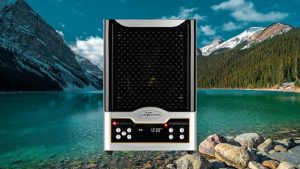
The Fresh Air LA-3500 v2.0 is one of Alpine Air’s most powerful models — ideal for large living spaces, open floor plans, or shared family rooms. It delivers negative ionization and activated oxygen throughout the room to help reduce airborne particles, odors, and fine irritants.
✔ Broad coverage for large areas
✔ Helps reduce smoke, dust, and odors
✔ Works quietly for continuous operation
Alpine Living LA-1500 v2.0 — Balanced Indoor Air Support
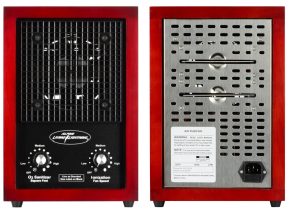
A versatile mid-range solution, the Alpine Living LA-1500 v2.0 works well in bedrooms, offices, and medium-sized rooms. Its continuous ion-based treatment helps improve air quality in everyday spaces where people spend the most time.
✔ Great for everyday use
✔ Helps reduce fine airborne particles
✔ Ideal for shared spaces
Alpine Pass LA-1000 v2.0 — Compact Negative Ion Purifier
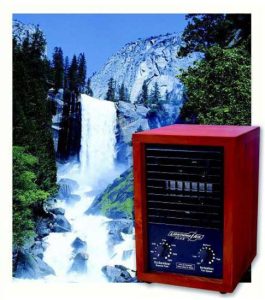
Best for smaller rooms, dens, or guest spaces, the Alpine Pass LA-1000 v2.0 helps reduce airborne irritants and lingering odors where space is limited.
✔ Compact and efficient
✔ Great for bedrooms & offices
✔ Quiet, low-maintenance design
Alpine Single Room LA-500 v3.0 — Focused Air Cleaning
This unit delivers targeted purification ideal for smaller personal spaces — study areas, bedrooms, or quiet rooms where focused air cleaning matters.
✔ Ideal for personal or small rooms
✔ Quiet night-time operation
Should You Combine Negative Ion & HEPA?
Many experts suggest the best air purification strategy combines approaches:
-
HEPA filtration to physically trap particles
-
Negative ions + activated oxygen to treat air throughout the space
This blended approach can help capture particles with filters and reduce suspended irritants with ionization — giving you widespread, continuous air treatment with precision.
Maintenance & Best Practices
HEPA Purifiers:
✔ Replace filters regularly (usually 6–12 months)
✔ Clean pre-filters if available
✔ Monitor CADR ratings and match unit to room size
Ion/Alpine Air Systems:
✔ Occasional cleaning of plates or electrodes
✔ Place units in main living and sleeping areas
✔ Run continuously for consistent air treatment
Conclusion — Which Is Better for Your Home?
There’s no single answer for every home — but here’s a simple rule of thumb:
-
Choose HEPA if your primary goal is high-efficiency capture of particles, especially for allergies or respiratory conditions.
-
Choose Alpine Air (negative ion + activated oxygen) if you want constant room-wide air treatment, odor reduction, and low maintenance with comprehensive comfort benefits.
Many households benefit from both — HEPA units in key areas and Alpine Air purifiers for everyday air enhancement throughout shared spaces. The result? Cleaner, fresher, healthier indoor air for everyone under your roof.
👉 Explore Alpine Air Technologies purifiers to find the best fit for your IAQ needs:
https://alpineairtechnologies.com/products/