Introduction — Why Choosing the Right Air Purifier Matters
Indoor air quality (IAQ) affects comfort, health, and overall wellbeing — especially in homes with allergies, pets, smoke, or chemical odors. When shopping for an air purification solution, most consumers encounter two main types of technology:
-
Traditional HEPA Air Purifiers — mechanical filtration that traps particles passing through a physical filter.
-
Alpine Air Technologies Purifiers — systems using proprietary Living Lightning™ ionization and activated oxygen (O₃) technologies that treat air throughout the room, not just air drawn into a filter.
Understanding the differences helps you choose a solution that matches your space, concerns, and lifestyle.
How Traditional HEPA Systems Work
HEPA stands for High Efficiency Particulate Air. A true HEPA filter captures at least 99.97% of particles as small as 0.3 microns — including dust, smoke particulate, pollen, and pet dander — as air passes through the filter.
Pros of HEPA Systems
-
Proven, measurable removal of particulate matter
-
Effective for allergens, dust, and smoke particles
-
No intentional ozone production
Cons of HEPA Systems
-
Air is only cleaned after it passes through the filter
-
Filters require regular replacement (usually every 6–12 months)
-
Standard filters do not remove gases or odors without activated carbon added
-
Only a portion of the room air passes through the unit at any one time
How Alpine Air Technologies Purifiers Work
Alpine Air Technologies purifiers use a unique approach inspired by natural atmospheric processes: they generate negative ions and activated oxygen (O₃) — similar to the “fresh air” smell after a thunderstorm — to help treat the air in the entire room.
Negative ions attach to airborne particles, making them heavier so they fall out of breathable air, while activated oxygen works to reduce odors and airborne contaminants at the molecular level. These systems actively treat the air you breathe, rather than waiting for air to pass through a filter.
Key Differences: Alpine Air vs. HEPA Filters
| Feature | Alpine Air Technologies | Traditional HEPA Purifiers |
|---|---|---|
| Air Treatment | Active room air treatment (ion + activated O₃) | Passive filtration through filter media |
| Particles Captured | Particles, odors, microbes, gases | Particulate matter (with optional carbon) |
| Odor & Gas Removal | Better at odors and chemical gases | Needs activated carbon add-on |
| Filter Replacement | Minimal or no HEPA replacement | Frequent filter replacement required |
| Coverage Method | Actively spreads throughout room | Only air that goes through unit |
| Maintenance | Plate cleaning, occasional filter wash | Filter replacement 1–2x per year |
Traditional HEPA systems work well at mechanically removing particles that pass through the unit, while Alpine Air’s technology is designed to treat all the air in the room, not just what passes directly through mechanical media.
Comparing Performance on Common Pollutants
Air purifiers are often evaluated by their ability to handle:
Dust & Allergens
-
HEPA: Excellent at trapping dust, pollen, and pet dander in the filter.
-
Alpine Air: Negative ions help clump dust and particles for faster removal from breathing air.
Smoke & Odors
-
HEPA: Good at particles; needs activated carbon to address odors and VOCs.
-
Alpine Air: Active oxygen and ions break down odor molecules and smoke particles.
Microbial Contaminants
-
HEPA: Traps microbes captured in airflow; doesn’t neutralize them.
-
Alpine Air: Negative ions and O₃ can help reduce airborne microbes at a molecular level.
Alpine Air Product Line (Photos & Solutions)
Below are some Alpine Air products that reflect their Living Lightning™ technology, suitable for a range of indoor air challenges:
Fresh Air LA-3500 v2.0 — High-Performance Whole-Room Cleaner
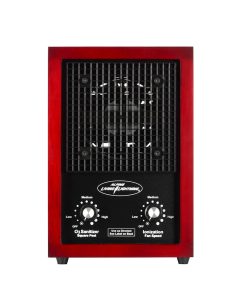
The LA-3500 v2.0 combines ionization, activated oxygen, and advanced sanitizing tech for expansive coverage and odor reduction. It’s designed for homes, offices, and larger spaces — targeting particles, odors, microbes, and smoke simultaneously.
✔ Wide area coverage
✔ Reduces odors and smoke
✔ Stainless steel design for durability
NA Flare LA-2700 v2.0 — Mid-Range Air Purification
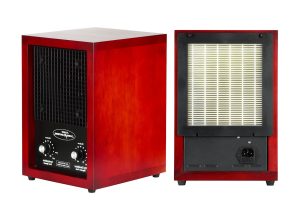
The NA Flare LA-2700 v2.0 uses the same technology to neutralize dust, pet dander, pollen, and odors in mid-size rooms — treating air throughout the space rather than waiting for it to pass through a filter.
Alpine Pass LA-1000 v2.0 — Everyday Indoor Air Cleaner
This unit offers reliable purification for standard rooms, helping reduce common indoor pollutants like dust and odors without frequent filter replacements.
Alpine Single Room LA-500 v3.0 — Focused Cleaner
Ideal for bedrooms and small spaces, the LA-500 v3.0 helps purify air quickly where people spend the most time.
Alpine Air AP300 — Large Coverage Power
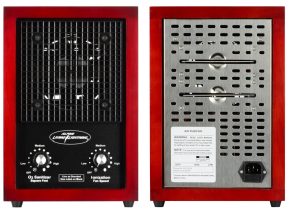
The AP300 handles larger homes, offices, or workshops with active purification that doesn’t rely on limited filter throughput — making it effective across wide spaces.
Which Is Right for You?
Choose Traditional HEPA If:
✔ Your priority is verified mechanical capture of particles like dust, pollen, and smoke droplets
✔ You want defined filter ratings like HEPA 13 or HEPA 14
✔ You prefer no intentional ozone generation
Choose Alpine Air If:
✔ You want active room air treatment that reaches every corner of the space
✔ You seek better odor and gas breakdown (not just particle capture)
✔ You want less frequent maintenance and no regular filter replacements
✔ You value a blend of ions, activated oxygen, and sanitizing technologies
Maintenance & Cost Considerations
HEPA Systems
-
Require regular filter replacements — often every 6–12 months.
-
Costs add up over time with filters and specialized media.
Alpine Air
-
Mostly filter-free or washable plates — minimal maintenance.
-
Cleans air without blocking airflow, maintaining consistent circulation.
Conclusion: Better Air Quality, Better Choices
Air purifiers serve a critical purpose — from reducing allergens and smoke particles to removing odors and improving comfort. Traditional HEPA systems are proven at mechanical particle capture, while Alpine Air Technologies purifiers offer active, room-wide purification that tackles odors and airborne contaminants without frequent filter swaps.
Whether you prioritize mechanical filtration or active air treatment, understanding these differences helps you choose the right solution for your home or workspace.
👉 Explore Alpine Air products here: https://alpineairtechnologies.com/products/