Plug-In Air Purifiers vs Traditional Units: Which Is Better?
When choosing an air purifier, many people are faced with an important decision:
Should you choose a compact plug-in air purifier or a traditional full-size unit?
Both options are designed to improve indoor air quality, but they differ significantly in size, technology, maintenance, and performance.
In this guide, we’ll compare plug-in air purifiers vs traditional units to help you determine which option is best for your needs.
What Is a Plug-In Air Purifier?
A plug-in air purifier is a compact device that plugs directly into a wall outlet.
These purifiers are typically:
- small and space-saving
- lightweight and portable
- designed for localized air purification
- often filter less
They are commonly used in:
- bedrooms
- bathrooms
- hallways
- small offices
What Is a Traditional Air Purifier?
Traditional air purifiers are larger standalone units designed to clean the air in entire rooms.
They typically:
- use HEPA or multi-stage filtration systems
- cover larger areas
- require filter replacements
- provide higher airflow capacity
These units are often used in:
- living rooms
- large bedrooms
- offices
- open spaces
Key Differences: Plug-In vs Traditional Air Purifiers
1. Size and Portability
Plug-In Air Purifiers
- ultra-compact
- plug directly into outlets
- easy to move between rooms
Traditional Units
- larger and heavier
- require floor or tabletop space
- less portable
👉 Best choice: Plug-in purifiers for convenience and small spaces.
2. Coverage Area
Plug-In Air Purifiers
- ideal for small, localized areas
- effective in tight spaces
Traditional Units
- designed for medium to large rooms
- better for whole-room air circulation
👉 Best choice: Traditional units for larger spaces.
3. Maintenance Requirements
Plug-In Air Purifiers
- often filter less
- minimal maintenance
- no filter replacement costs
Traditional Units
- require regular filter changes
- ongoing maintenance costs
👉 Best choice: Plug-in purifiers for low maintenance.
Example Plug-In Air Purifier
Living Air Plug-In Purifier
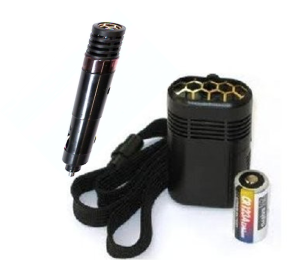
The Living Air Plug-In Purifier is a compact, filter less solution designed for small spaces.
Key benefits include:
- plugs directly into wall outlets
- no filters to replace
- helps reduce odors and airborne particles
- ideal for bathrooms, bedrooms, and hallways
Its small size makes it convenient for targeted air purification.
4. Air Cleaning Technology
Plug-In Purifiers
- often use ionization or activated oxygen
- treat air continuously
Traditional Units
- use HEPA filters to trap particles
- rely on airflow through filters
👉 Best choice: Depends on preference—filter less convenience vs traditional filtration.
5. Noise Levels
Plug-In Air Purifiers
- typically very quiet
- ideal for bedrooms and nighttime use
Traditional Units
- may produce more noise due to fans
👉 Best choice: Plug-in purifiers for quiet environments.
6. Cost Considerations
Plug-In Air Purifiers
- lower upfront cost
- no recurring filter expenses
Traditional Units
- higher upfront cost
- ongoing filter replacement costs
👉 Best choice: Plug-in purifiers for budget-friendly use.
Example Traditional-Style Air Purifier Alternative
Living Air Classic – Compact Room Solution
(Insert product image here)
The Living Air Classic offers a balance between portability and room coverage.
Key features include:
- compact yet powerful design
- filter less technology
- helps reduce airborne particles and odors
- suitable for bedrooms and small living areas
It provides broader coverage than plug-in units while maintaining low maintenance.
Pros and Cons Summary
Plug-In Air Purifiers
Pros
✔ compact and space-saving
✔ low maintenance
✔ quiet operation
✔ energy efficient
Cons
✖ limited coverage area
✖ less powerful for large rooms
Traditional Air Purifiers
Pros
✔ larger coverage area
✔ strong airflow and filtration
✔ effective for whole-room purification
Cons
✖ require filter replacements
✖ bulkier design
✖ higher maintenance costs
Which Air Purifier Is Better?
The answer depends on your specific needs.
Choose a Plug-In Air Purifier If:
- you need a compact solution
- you want low maintenance
- you are targeting small spaces
- you prefer quiet operation
Choose a Traditional Unit If:
- you need to purify a large room
- you want higher airflow capacity
- you prefer filter-based filtration
Can You Use Both Together?
Yes—many people use both types for maximum effectiveness.
For example:
- plug-in purifiers for small areas (bathrooms, hallways)
- larger units for main living spaces
This combination helps improve air quality throughout the entire home.
Additional Tips for Improving Indoor Air Quality
Even with air purifiers, additional steps can enhance results.
Keep Spaces Clean
Regular cleaning reduces dust and airborne particles.
Improve Ventilation
Open windows when outdoor air quality is good.
Reduce Indoor Pollutants
Limit smoke, strong chemicals, and other pollutants.
Organizations such as the World Health Organization recommend reducing indoor pollution sources to improve air quality.
Benefits of Cleaner Indoor Air
Improving indoor air quality can lead to:
✔ fewer allergens
✔ reduced odors
✔ improved comfort
✔ healthier indoor environment
Cleaner air enhances both comfort and well-being.
Final Thoughts
Both plug-in air purifiers and traditional units have their advantages. Plug-in purifiers offer convenience, low maintenance, and quiet operation, while traditional units provide broader coverage and higher airflow.
Choosing the right option depends on your space, lifestyle, and air quality needs. In many cases, combining both types can deliver the best results.
Filter less solutions from The Living Air Purifier provide a modern, low-maintenance approach to improving indoor air quality in both small and larger spaces.
✅ Explore air purification solutions:
https://thelivingairpurifier.com