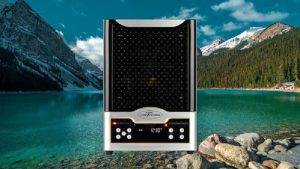
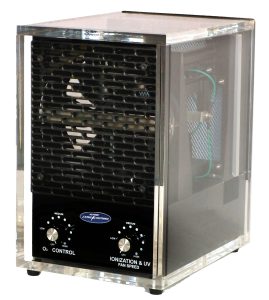
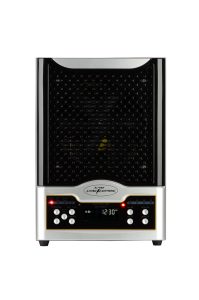
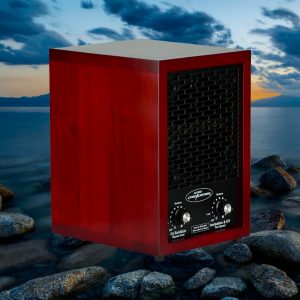
Tag Archives: Single Room LA-500

Winter Indoor Air Quality Challenges & Solutions

Introduction: Why Winter Indoor Air Quality Gets Worse

Winter brings cozy nights, warm blankets, and sealed windows — but it also brings poor indoor air quality (IAQ). When temperatures drop, homes become tightly sealed to preserve heat. That often leads to stagnant air, higher pollutant concentrations, and increased exposure to allergens and irritants that can worsen allergies, asthma, coughing, dry throats, and fatigue.

The challenges are real:

  • ❄️ Lack of ventilation lets contaminants build up inside.

  • 🌬️ Dry air from heating systems can irritate nasal passages and airways.

  • 🐶 More time indoors — and more dust, pet dander, and odors circulate.

Seasonal strategies help reduce airborne pollutants during winter — and pairing them with the right air purifiers from Alpine Air Technologies makes your winter air cleaner and healthier.


Winter Air Quality Problem #1: Trapped Indoor Pollutants

With windows closed to keep heat inside, indoor air can become stale and filled with:

  • Dust and dust mites

  • Pet dander

  • Cooking odors

  • VOCs from cleaning products

  • Mold spores from condensation
    These can aggravate allergies, asthma, and respiratory discomfort without proper air circulation.


Solution #1: Use a High-Coverage Air Purifier

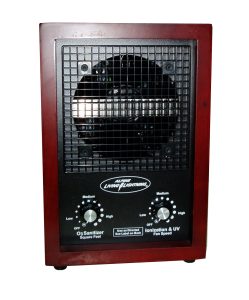
Fresh Air LA-3500 v2.0 — Whole-Room Winter Air Cleaner
The Fresh Air LA-3500 v2.0 is one of Alpine Air’s most versatile models — great for living rooms, open spaces, and high-traffic winter areas. It helps reduce:

  • dust and pollen

  • odors from cooking and pets

  • airborne particulates that stagnate when windows stay shut
    This model uses Living Lightning™ technology to keep indoor air feeling fresher.

Best for: Whole-home coverage during winter months.


Winter Air Quality Problem #2: Dry, Irritating Air

Indoor heating reduces humidity, leading to very dry air — which can:

  • Dry out nasal passages and skin

  • Worsen allergy and asthma symptoms

  • Leave you feeling tired or uncomfortable

Rather than opening windows (which wastes heat), a purifier helps circulate and clean the air without letting cold air in.


Solution #2: Mid-Range Air Purifiers for Continuous Circulation

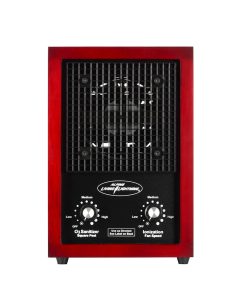
Alpine Living LA-1500 v2.0 — Balanced Winter Air Support
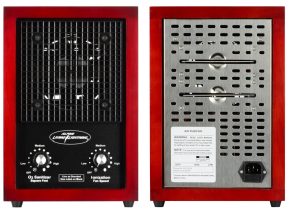
The Alpine Living LA-1500 v2.0 is ideal for most homes — giving continuous purification that helps reduce stale air and maintain a more comfortable IAQ throughout winter.

Best for: Bedrooms, offices, and living areas.


Winter Air Quality Problem #3: Increased Pet & Household Allergens

Cold weather keeps pets indoors more often — which increases pet dander, hair, and allergens. This can trigger symptoms such as sneezing and congestion, especially during winter when air is already stagnant.


Solution #3: Compact & Targeted Air Cleaners

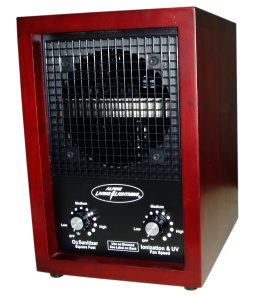
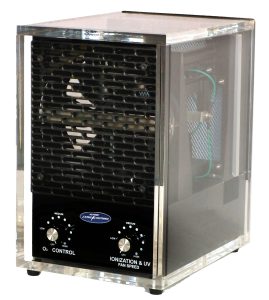
Alpine Pass LA-1000 v2.0 — Everyday Allergy Support
OLYMPUS DIGITAL CAMERA

The Alpine Pass LA-1000 v2.0 is a compact winter favorite for targeted air cleaning in common areas. It’s especially helpful when you:

  • want to control pet dander and dust

  • live in colder climates

  • run heating systems most of the season

Best for: Living rooms, dens, and everyday spaces.


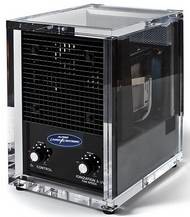
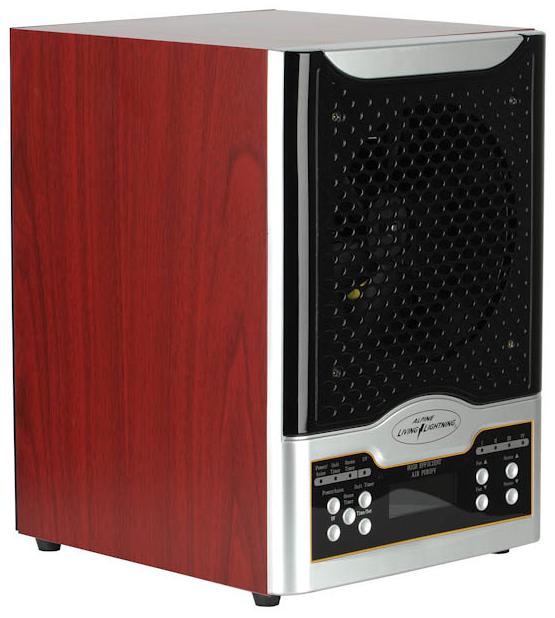
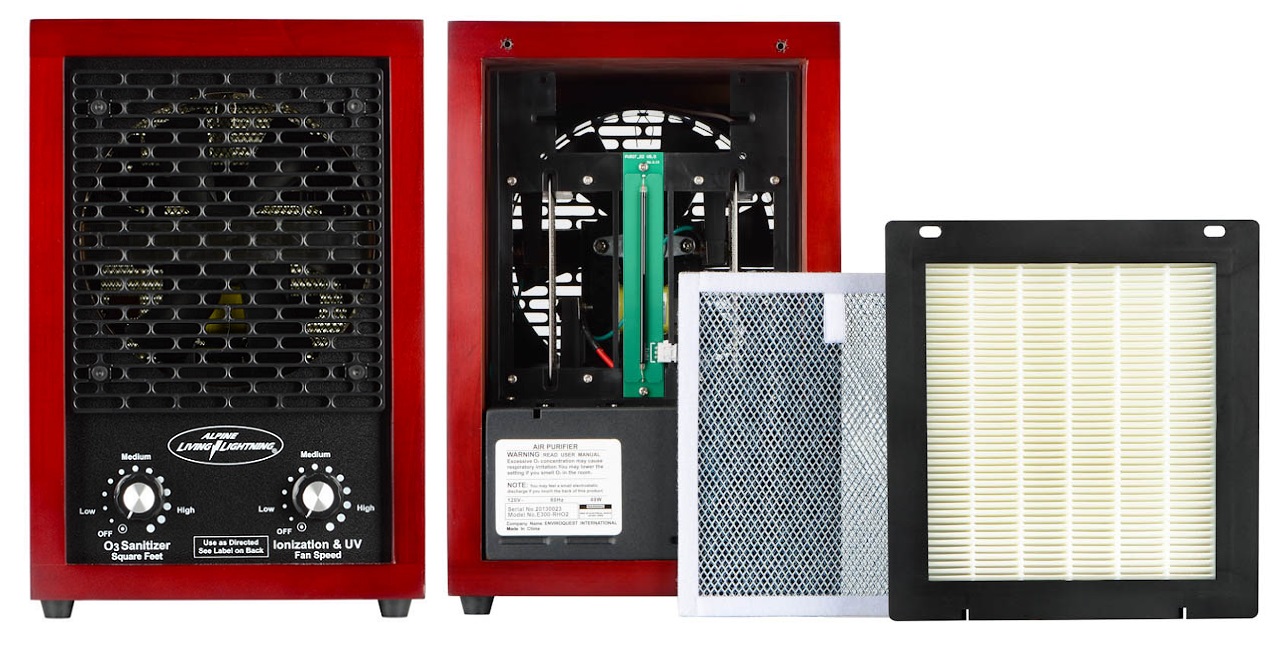
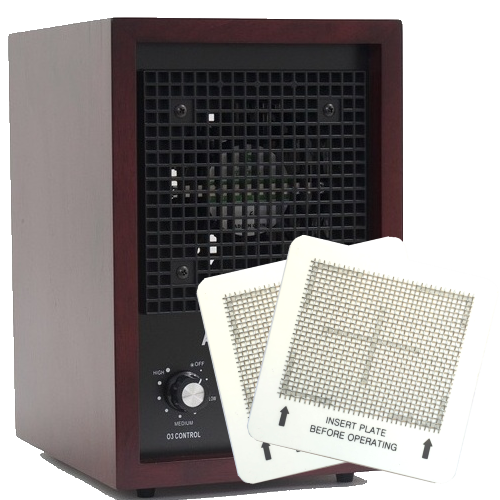
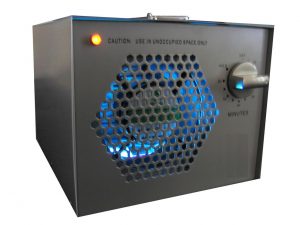
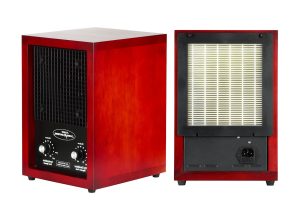
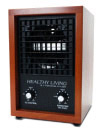
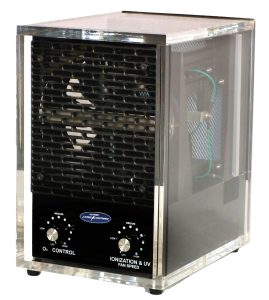
Single Room LA-500 v3.0 — Focused Winter IAQ Boost

The Single Room LA-500 v3.0 is perfect for smaller areas such as:

  • bedrooms

  • kids’ playrooms

  • home offices
    It helps keep winter air from feeling stuffy and reduces allergens that accumulate in enclosed spaces.


Winter Air Quality Problem #4: Mold, Mildew & Moisture

Condensation on windows and cold surfaces can lead to moisture buildup, which can promote mold and mildew growth — a major winter IAQ concern if untreated.


Solution #4: Heavy-Duty Purification & Odor Control

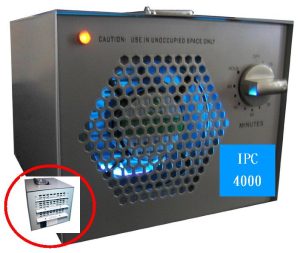
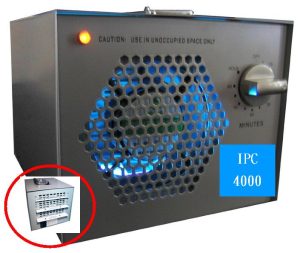
IPC-4000 Industrial Power Air Cleaner — Severe IAQ Trouble Area Solution
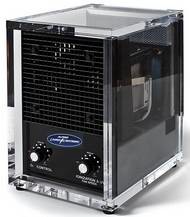
The IPC-4000 Industrial Power Air Cleaner is designed to tackle:

  • mold and mildew spores

  • bacteria and viruses

  • chemical odors and heavy contaminants
    This unit is ideal for areas that see higher moisture or activity — like basements, laundry rooms, or workshops — where winter humidity and stagnation can worsen air quality.

Best for: Large spaces and severe indoor air challenges.


Actionable Winter IAQ Tips to Combine With Purification

❄️ 1. Practice Brief Ventilation

Even in cold weather, briefly open windows (about 5–10 minutes) to refresh indoor air and reduce contaminants that purifiers may miss. This technique — known as “lüften” — helps flush out old, polluted indoor air.

🔥 2. Change HVAC Filters Regularly

Your HVAC filter traps dust and airborne particles. Replacing it according to manufacturer recommendations helps your whole-home air system work more efficiently.

💧 3. Maintain Proper Humidity

Ideal indoor humidity during winter is around 30–50%. Balanced humidity prevents dry skin and respiratory irritation and makes purifiers more effective.

🧹 4. Clean Surfaces Frequently

Vacuum, dust, and wipe down common surfaces weekly to reduce settled particles that can re-enter the air stream.


Why Alpine Air Purifiers Are a Good Winter Choice

Alpine Air systems work continuously in the background to reduce a wide range of indoor pollutants — including dust, pollen, odors, and airborne microbes — helping keep air fresher and healthier throughout cold months. They use technology inspired by natural air cleansing processes rather than just a single mechanical filter.


Conclusion: Better Winter Air Starts With Prevention & Purification

Winter air quality challenges — from stagnant, dry air to allergens and odors — are real and common. But by combining smart winter routines with the right air purifier from Alpine Air Technologies, you can create a healthier indoor environment for your family and home.

👉 Explore all Alpine Air purifiers to find your winter IAQ solution:
https://alpineairtechnologies.com/products/
Spring Air Quality & Allergy Prevention Tips

Introduction: Spring Brings Fresh Air — and Pollen

Spring is a beautiful season — warmer weather, blooming flowers, and more time outdoors. But for millions of people, spring also means seasonal allergies and poor indoor air quality as pollen, mold spores, dust, and other airborne irritants find their way indoors.

Spring cleaning, open windows, and increased outdoor activity can stir up allergens that trigger sneezing, itchy eyes, congestion, and fatigue. Many allergy sufferers also find that indoor air can be as bad or worse than outdoors because particles settle and re-circulate inside. Air purifiers are a powerful tool to help reduce indoor allergens and support healthier breathing throughout the spring season.

Here’s how to keep your indoor air fresh and allergy symptoms low this spring — along with real Alpine Air products to help.


1. Run Your Air Purifier Continuously During Pollen Peaks

Even on days when outdoor air seems fresh, pollen counts can be high in the morning and evening. Running your air purifier continuously helps capture and reduce pollen and allergen buildup indoors.

Alpine Air Purifier Recommendations

Below are Alpine Air units that help reduce common spring allergens like pollen, dust, mold spores, and pet dander:


Fresh Air LA-3500 v2.0 — Broad Coverage for Whole-Home Protection

The Fresh Air LA-3500 v2.0 delivers wide-area indoor air purification — ideal for open floor plans and spring allergy seasons when pollen and dust levels rise. This unit uses Alpine’s Living Lightning™ Alpine Air technology to help reduce airborne irritants around your entire living space, so rooms feel cleaner and fresher throughout the day.


NA Flare LA-2700 v2.0 — Mid-Size Room Air Cleaning

The NA Flare LA-2700 v2.0 is an excellent mid-range purifier. It helps reduce dust, pollen, pet dander, and odors — all common spring irritants that can hang in the air and contribute to allergies.


2. Clean Air at the Source: Limit Pollen Entry Indoors

Keep windows and doors closed during peak pollen times (early morning and evening).
Use doormats and remove shoes at the door to reduce tracked-in allergens.
Frequently vacuum floors and upholstery with a HEPA-equipped vacuum.
Shower and change clothes after outdoor activities to prevent pollen from re-entering sleeping areas.


3. Target Smaller Spaces With Compact Purifiers

For bedrooms, home offices, or nurseries where allergy symptoms are often noticed most, using a focused air purifier can make a big difference.

Alpine Single Room LA-500 v3.0 — Focused Allergy Reduction

The Alpine Single Room LA-500 v3.0 is built for smaller spaces up to around 500 sq.ft. It helps reduce pollen, dust mites, odors, smoke, and chemical gases — giving you cleaner air right where you spend your time.


4. Combine Air Purification With Smart Spring Cleaning

Spring cleaning can stir up dust and allergens before they settle. Combat this by:

✔ Dusting surfaces with damp cloths
✔ Vacuuming carpets and rugs frequently
✔ Cleaning or vacuuming air ducts and vents
✔ Wiping down pet beds and soft surfaces

Dust and allergens can quickly get airborne during cleaning, so run your air purifiers while cleaning and for a few hours afterward to catch stirred-up particles.


5. Don’t Forget Common Allergy-Trigger Rooms

Alpine Pass LA-1000 v2.0 — Everyday Allergy Support

The Alpine Pass LA-1000 v2.0 is affordable and reliable for year-round indoor air improvement. It helps maintain cleaner breathing air in common areas like living rooms and kitchens — essential during spring when surfaces accumulate more allergens.


6. Consider Heavy-Duty Purification for Large or Busy Spaces

If pollen, mold, or odors are heavier due to pets, renovations, or open layouts:

Silent Thunder LA-2400 v2.0 — Strong Allergy Protection

The Silent Thunder LA-2400 v2.0 offers robust purification for larger homes or spaces up to ~2400 sq.ft., helping keep spring allergens under control even in bigger living areas.


7. Use Seasonal Habits to Support Air Quality

Monitor local pollen counts so you know when to keep windows shut and purifiers running high.
Run purifiers before bed — many people experience more symptoms at night when allergens have had time to accumulate.
Maintain indoor humidity levels (ideally 30–50%) to reduce mold spores and dust mite proliferation.


8. Why Continuous Purification Works

Air purifiers aren’t a one-time solution — spring allergy prevention is about consistent air treatment. Devices that operate 24/7 help continuously capture and reduce tiny particles that traditional cleaning alone can’t reach. Research shows that air cleaners, especially during high allergen times like spring, can help lower airborne particulate levels and reduce symptoms such as sneezing and congestion.


Conclusion: Spring Forward With Cleaner Air

Spring brings revival and renewed energy — but it doesn’t have to bring allergy misery. By combining smart habits (closed windows on high pollen days, targeted cleaning) with continuous air purification from Alpine Air Technologies, you can enjoy a fresher, healthier indoor environment. From compact room units like the Alpine Single Room LA-500 v3.0 to whole-room systems like the Fresh Air LA-3500 v2.0, there’s an Alpine Air solution for your spring air quality needs.

👉 Explore all Alpine Air purifiers to find the right fit for your home:
https://alpineairtechnologies.com/products/
Comparing Air Purifiers: Alpine Air vs. Traditional HEPA Systems

Introduction — Why Choosing the Right Air Purifier Matters

Indoor air quality (IAQ) affects comfort, health, and overall wellbeing — especially in homes with allergies, pets, smoke, or chemical odors. When shopping for an air purification solution, most consumers encounter two main types of technology:

  1. Traditional HEPA Air Purifiers — mechanical filtration that traps particles passing through a physical filter.

  2. Alpine Air Technologies Purifiers — systems using proprietary Living Lightning™ ionization and activated oxygen (O₃) technologies that treat air throughout the room, not just air drawn into a filter.

Understanding the differences helps you choose a solution that matches your space, concerns, and lifestyle.


How Traditional HEPA Systems Work

HEPA stands for High Efficiency Particulate Air. A true HEPA filter captures at least 99.97% of particles as small as 0.3 microns — including dust, smoke particulate, pollen, and pet dander — as air passes through the filter.

Pros of HEPA Systems

  • Proven, measurable removal of particulate matter

  • Effective for allergens, dust, and smoke particles

  • No intentional ozone production

Cons of HEPA Systems

  • Air is only cleaned after it passes through the filter

  • Filters require regular replacement (usually every 6–12 months)

  • Standard filters do not remove gases or odors without activated carbon added

  • Only a portion of the room air passes through the unit at any one time


How Alpine Air Technologies Purifiers Work

Alpine Air Technologies purifiers use a unique approach inspired by natural atmospheric processes: they generate negative ions and activated oxygen (O₃) — similar to the “fresh air” smell after a thunderstorm — to help treat the air in the entire room.

Negative ions attach to airborne particles, making them heavier so they fall out of breathable air, while activated oxygen works to reduce odors and airborne contaminants at the molecular level. These systems actively treat the air you breathe, rather than waiting for air to pass through a filter.


Key Differences: Alpine Air vs. HEPA Filters

Feature Alpine Air Technologies Traditional HEPA Purifiers
Air Treatment Active room air treatment (ion + activated O₃) Passive filtration through filter media
Particles Captured Particles, odors, microbes, gases Particulate matter (with optional carbon)
Odor & Gas Removal Better at odors and chemical gases Needs activated carbon add-on
Filter Replacement Minimal or no HEPA replacement Frequent filter replacement required
Coverage Method Actively spreads throughout room Only air that goes through unit
Maintenance Plate cleaning, occasional filter wash Filter replacement 1–2x per year

Traditional HEPA systems work well at mechanically removing particles that pass through the unit, while Alpine Air’s technology is designed to treat all the air in the room, not just what passes directly through mechanical media.


Comparing Performance on Common Pollutants

Air purifiers are often evaluated by their ability to handle:

Dust & Allergens

  • HEPA: Excellent at trapping dust, pollen, and pet dander in the filter.

  • Alpine Air: Negative ions help clump dust and particles for faster removal from breathing air.

Smoke & Odors

  • HEPA: Good at particles; needs activated carbon to address odors and VOCs.

  • Alpine Air: Active oxygen and ions break down odor molecules and smoke particles.

Microbial Contaminants

  • HEPA: Traps microbes captured in airflow; doesn’t neutralize them.

  • Alpine Air: Negative ions and O₃ can help reduce airborne microbes at a molecular level.


Alpine Air Product Line (Photos & Solutions)

Below are some Alpine Air products that reflect their Living Lightning™ technology, suitable for a range of indoor air challenges:

Fresh Air LA-3500 v2.0 — High-Performance Whole-Room Cleaner

The LA-3500 v2.0 combines ionization, activated oxygen, and advanced sanitizing tech for expansive coverage and odor reduction. It’s designed for homes, offices, and larger spaces — targeting particles, odors, microbes, and smoke simultaneously.

✔ Wide area coverage
✔ Reduces odors and smoke
✔ Stainless steel design for durability


NA Flare LA-2700 v2.0 — Mid-Range Air Purification

The NA Flare LA-2700 v2.0 uses the same technology to neutralize dust, pet dander, pollen, and odors in mid-size rooms — treating air throughout the space rather than waiting for it to pass through a filter.


Alpine Pass LA-1000 v2.0 — Everyday Indoor Air Cleaner

This unit offers reliable purification for standard rooms, helping reduce common indoor pollutants like dust and odors without frequent filter replacements.


Alpine Single Room LA-500 v3.0 — Focused Cleaner

Ideal for bedrooms and small spaces, the LA-500 v3.0 helps purify air quickly where people spend the most time.


Alpine Air AP300 — Large Coverage Power

The AP300 handles larger homes, offices, or workshops with active purification that doesn’t rely on limited filter throughput — making it effective across wide spaces.


Which Is Right for You?

Choose Traditional HEPA If:

✔ Your priority is verified mechanical capture of particles like dust, pollen, and smoke droplets
✔ You want defined filter ratings like HEPA 13 or HEPA 14
✔ You prefer no intentional ozone generation

Choose Alpine Air If:

✔ You want active room air treatment that reaches every corner of the space
✔ You seek better odor and gas breakdown (not just particle capture)
✔ You want less frequent maintenance and no regular filter replacements
✔ You value a blend of ions, activated oxygen, and sanitizing technologies


Maintenance & Cost Considerations

HEPA Systems

  • Require regular filter replacements — often every 6–12 months.

  • Costs add up over time with filters and specialized media.

Alpine Air

  • Mostly filter-free or washable plates — minimal maintenance.

  • Cleans air without blocking airflow, maintaining consistent circulation.


Conclusion: Better Air Quality, Better Choices

Air purifiers serve a critical purpose — from reducing allergens and smoke particles to removing odors and improving comfort. Traditional HEPA systems are proven at mechanical particle capture, while Alpine Air Technologies purifiers offer active, room-wide purification that tackles odors and airborne contaminants without frequent filter swaps.

Whether you prioritize mechanical filtration or active air treatment, understanding these differences helps you choose the right solution for your home or workspace.

👉 Explore Alpine Air products here: https://alpineairtechnologies.com/products/
Before & After Indoor Air Quality Test Results (With Data)

Introduction: Why Real IAQ Data Matters

Indoor air quality (IAQ) isn’t just a concept — it’s measurable. Studies repeatedly show that air purifiers can significantly reduce levels of harmful particles like PM₂.₅ and PM₁₀ (tiny airborne particles linked to respiratory issues), causing improvements in air quality and real health benefits over time.

For example, a study measuring particulate matter before and after air purifier use found significant reductions in fine particles:

  • PM₁ decreased by an average of ~40%

  • PM₂.₅ decreased by ~39%

  • PM₁₀ decreased by ~21%
    when air purifiers were operated in a real-world indoor setting (a therapy room) versus baseline conditions without a purifier.

These results underscore how air purifiers can improve indoor air quality with measurable data — particularly reducing fine airborne particles that affect health and comfort.


Before & After: What the Data Shows

📉 Particulate Matter Reduction

Particles measured: PM₁, PM₂.₅, PM₁₀
In the peer-reviewed study referenced above:

  • PM₂.₅ levels — reduced by ~39% after purifier operation.

  • PM₁ — reduced by ~40% overall.

  • PM₁₀ — reduced by ~21% even in larger particle classes.

These data show that across a range of particle sizes, air purifiers can significantly lower indoor air pollution when properly sized for the space.

📊 Indoor/Outdoor Air Ratios Improved

The same study also compared indoor/outdoor (I/O) particle ratios before and after air purification, finding significant reductions in the relative indoor concentrations of PM₂.₅ and PM₁₀ — showing that purified indoor air was much cleaner relative to outdoor air levels after purifier use.

🧠 Health-Related Findings in Other Research

Another study found that 12-week use of air purifiers in homes of children with asthma significantly reduced PM₂.₅ concentrations by ~43%, and correlated with reduced allergy and asthma symptoms.


What Do These Improvements Mean in Everyday Life?

When PM₂.₅ — tiny particles known to penetrate deep into lungs — is reduced by significant percentages, indoor air becomes healthier and more comfortable.

Here’s what real improvements can translate to:
Less respiratory irritation & coughing
Fewer allergy flare-ups
Better sleep quality
Less odor & haze in indoor spaces
Lower long-term exposure risks

This is why measurable IAQ test data matters — it shows quantifiable changes, not just assumptions.


Alpine Air Technologies Products That Help Improve Indoor Air (With Visuals)

Here are some Alpine Air purifier models that people use to achieve cleaner, healthier indoor air — similar to the measured improvements above when air purifiers are properly sized and operated.


Fresh Air LA-3500 v2.0 — Whole-Room Purification

The Fresh Air LA-3500 v2.0 provides broad coverage for large rooms or open floor plans. Its continuous operation can reduce airborne particulate matter like PM₂.₅ — improving air quality similar to the before/after effects seen in controlled studies.

✔ Reduces fine particles and odors
✔ Suitable for large living rooms, offices, and commercial spaces


Silent Thunder LA-2400 v2.0 — Powerful Mid–Large Space Cleaner

The Silent Thunder LA-2400 v2.0 offers enhanced airflow and purification performance for medium-to-large spaces, making it effective in reducing airborne contaminants that contribute to high PM₁₀ and PM₂.₅ readings.

✔ Great for family rooms or multi-use spaces
✔ Helps maintain consistently lower PM levels


Alpine Living LA-1500 v2.0 — Balanced Home or Office Solution

This mid-range purifier is ideal for homes, offices, or shared spaces. It can help lower allergen levels and particulates throughout daily use — contributing to visible before versus after improvements over time.

✔ Balanced performance
✔ Continuous airborne contaminant removal


Alpine Pass LA-1000 v2.0 — Everyday Cleaner for Small Spaces

The Alpine Pass LA-1000 v2.0 is great for smaller rooms where localized improvements can be measured quickly — especially in bedrooms, offices, or smaller indoor environments.

✔ Compact, effective purification
✔ Helps lower particle counts where people breathe most


Alpine Single Room LA-500 v3.0 — Targeted Air Quality Improvement

For targeted performance — especially in enclosed or smaller spaces — the LA-500 v3.0 is suited to reducing regional particulate and allergen loads that would show up on IAQ tests.

✔ Ideal for bedrooms and personal areas
✔ Helps lower PM levels in breathing zones


Why Before & After Testing Is Important

Measuring indoor air quality both before and after running an air purifier helps you:

🔹 Understand true performance impact
🔹 Compare PM₂.₅, PM₁₀, and other pollutant levels
🔹 Track health-related improvements over time

Studies show that even short-term operation of high-quality air purifiers can significantly lower particulate matter concentrations — reducing health risks and improving comfort.


Tips for Accurate Air Quality Testing at Home

✔ Use validated air quality monitors that measure PM₂.₅ and PM₁₀
✔ Test before running your purifier to establish a baseline
✔ Test again after 24–72 hours of continuous operation
✔ Compare results to see real improvements

Collecting data helps you choose the right model and placement strategy — since performance can vary based on room size and pollutant sources.


Conclusion: Data-Driven Clean Air

Indoor air quality improvement isn’t just anecdotal — it can be measured and quantified. Studies show significant reductions in fine and coarse particulate matter when air purifiers are used, and household air purifiers can create healthier indoor environments with noticeable before/after improvement.

Alpine Air Technologies purifiers — from the Fresh Air LA-3500 v2.0 to compact Alpine Single Room LA-500 v3.0 — are designed to help deliver those cleaner air results in homes, offices, and shared spaces.

👉 Explore Alpine Air products here: https://alpineairtechnologies.com/products/
Air Quality Solutions for Schools & Daycare Centers

Introduction — Why Air Quality Matters in Educational Environments

Children spend a large portion of their day indoors — in classrooms, playrooms, and daycare centers. Poor indoor air quality in these settings can affect health, attendance, focus, and academic performance. Research links unhealthy indoor air to increased allergy symptoms, asthma triggers, coughing, headaches, and reduced cognitive function — all of which are especially impactful for young, developing lungs. Improving air quality isn’t just a comfort issue — it’s a child health and learning priority.

In this blog, we’ll explore top strategies for improving indoor air quality in educational spaces and real Alpine Air purifier solutions that schools and daycare centers can integrate.


Typical Air Quality Challenges in Schools & Daycares

Before solutions, let’s understand the common airborne issues many educational spaces face:

Dust, pollen & allergens tracked in on clothing or shoes
Indoor air stagnation due to closed windows & recirculated HVAC
Odors from meals, art supplies, and cleaning products
Pet dander in daycare environments with animal classroom activities
Mold spores in wet areas or older buildings
Airborne viruses and bacteria from high-traffic populations

Even high-quality HVAC systems can leave gaps in airborne purification — which is where dedicated air purifiers help.


How Air Purifiers Support Health & Focus

Air purifiers reduce airborne particles and odors through technologies like ionization, activated oxygen, and sanitization — helping lower exposure to irritants and microbial contaminants in enclosed spaces. Cleaner indoor air supports:

✔ Fewer allergy flare-ups
✔ Reduced respiratory irritation
✔ Better classroom focus and attention
✔ Less absenteeism due to environmental triggers
✔ Improved comfort for staff and children alike


Alpine Air Product Solutions for Schools & Daycare Centers

Below are Alpine Air Technologies products that are well-suited for classrooms, daycare playrooms, libraries, and shared educational spaces. Each includes a product picture and a short explanation of how it supports healthier indoor air.


Fresh Air LA-3500 v2.0 — Whole-Room Air Purifier

The Fresh Air LA-3500 v2.0 is designed for larger, shared spaces like classrooms or multipurpose rooms where a high volume of students gather. It continuously reduces airborne dust, pollen, odors, and irritants that can impact breathing comfort and attention.

Why it’s helpful in schools & daycares:

  • Covers large open areas

  • Helps reduce airborne irritants that cause sneezing and coughing

  • Works quietly in the background

👉 Ideal for classrooms, cafeterias, and shared activity areas.(alpineairtechnologies.com)


Silent Thunder LA-2400 v2.0 — Robust Classroom Cleaner

The Silent Thunder LA-2400 v2.0 delivers stronger purification for larger rooms or spaces with heavier airborne loads — like art labs, gymnasiums, or large playrooms.

Benefits for educational settings:

  • Strong coverage for medium-to-large rooms

  • Helps with dust, dander, and airborne particles common in busy environments

  • Quiet operation suitable for learning spaces


Alpine Living LA-1500 v2.0 — Balanced Air Cleaning

For standard classrooms and staff offices, the Alpine Living LA-1500 v2.0 provides balanced air purification that helps lower common indoor contaminants like:

✔ Dust
✔ Pet dander (from classroom pets)
✔ Pollen tracking in from outdoors
✔ VOCs from art supplies or cleaning products


Alpine Pass LA-1000 v2.0 — Compact & Versatile Air Cleaner

The Alpine Pass LA-1000 v2.0 works well for smaller spaces such as:

✔ Daycare sleep/nap areas
✔ Testing rooms
✔ Kindergarten reading corners
✔ Staff offices

It’s compact, effective, and easy to place where focused air cleaning is needed.


Alpine Single Room LA-500 v3.0 — Targeted Air Purification

Ideal for rooms with specific needs — like allergy-sensitive children’s areas, nurse offices, or small group learning spaces — the LA-500 v3.0 delivers localized purifier performance.


IPC-4000 Industrial Power Air Cleaner — Heavy-Duty Cleaning

For larger facilities or rooms that experience persistent air quality issues — such as gymnasiums, cafeterias, or busy workshops — the IPC-4000 offers industrial-grade air sanitization and odor control.

Why it’s helpful in larger facilities:

  • Strong purification capacity

  • Helps neutralize odors and airborne irritants

  • Supports spaces with heavy traffic


Tips for Implementing Air Purification in Schools & Daycares

Assess each room’s needs: Larger open spaces usually need higher coverage units, while small offices or nap rooms can use compact purifiers.
Continuous operation: Running purifiers throughout the day ensures ongoing removal of airborne irritants.
Combine with good ventilation: When outdoor conditions are suitable, periodic ventilation helps refresh indoor air.
Strategic placement: Near play areas, classrooms entrances, or HVAC outlets captures more circulating particles.
Schedule maintenance: Clean and check units periodically to ensure optimal performance.


Benefits of Cleaner Air in Educational Environments

🌟 Improved student focus and performance — cleaner air reduces distractions from itchy eyes and runny noses.
🌟 Fewer sick days — lower exposure to airborne irritants supports immune health.
🌟 Reduced odors and VOCs — creating a fresher, more pleasant learning environment.
🌟 Better sleep and comfort in daycare spaces — especially in nap areas and quiet zones.


Conclusion: Healthy Air Helps Students & Staff Thrive

Air quality is more than a comfort issue — it influences health, learning outcomes, and overall wellbeing for children, teachers, and caregivers. By integrating Alpine Air Technologies purifiers such as the Fresh Air LA-3500 v2.0, Silent Thunder LA-2400 v2.0, and Alpine Living LA-1500 v2.0 into schools and daycare centers, facilities can create cleaner, safer, more productive environments for professionals and kids alike.

👉 Explore all Alpine Air products for indoor air quality solutions:
https://alpineairtechnologies.com (alpineairtechnologies.com)

Commercial Air Purification: Offices, Restaurants & Workspaces

Introduction: Why Commercial Air Quality Matters

Indoor air quality (IAQ) in commercial environments — like offices, restaurants, and workspaces — directly affects the health, comfort, and productivity of everyone who enters the space. Poor air quality can lead to:

  • Employee fatigue, headaches & reduced focus

  • Increased allergy symptoms & respiratory irritation

  • Unpleasant odors in dining or customer spaces

  • Higher rates of sick days and absenteeism

These effects are well-documented: poor IAQ has been linked to decreased productivity and health problems in workplaces, prompting many organizations to prioritize cleaner air.

Air purifiers help reduce airborne contaminants such as dust, pollen, odors, smoke, VOCs, and fine particulates that traditional HVAC systems may miss — creating healthier, more comfortable commercial environments.


What Commercial Air Purification Solves

Commercial spaces often have unique challenges:

🏢 Offices: Open layouts with many occupants mean more airborne allergens and CO₂ buildup. Clean air helps employees feel better and stay focused.
🍽️ Restaurants: Cooking odors, smoke, food particles, and VOCs can linger, affecting customer comfort and dining experience. Clean air improves ambiance and guest satisfaction.
🏢 Workspaces: Dust, smoke, printing emissions, and chemical smells from supplies can create unhealthy indoor air, potentially irritating sensitive individuals.

These pollutants not only affect comfort but can contribute to what some health studies refer to as sick building syndrome, where occupants feel ill due to persistent indoor pollutants.


Alpine Air Products for Commercial & Business Spaces

Below are Alpine Air Technologies products that businesses can integrate to improve air quality — whether in a shared lounge, office floor, or public space.


Fresh Air LA-3500 v2.0 — Large Space Air Cleaner

The Fresh Air LA-3500 v2.0 is one of Alpine Air’s largest coverage units. It’s suitable for bigger commercial spaces like office common areas, combined meeting zones, or restaurant dining sections.

Key Benefits:
✔ Reduces airborne dust, smoke, and odors
✔ Effective for open floor plans
✔ Helps improve overall IAQ in high-traffic zones


Silent Thunder LA-2400 v2.0 — Powerful Mid-Size Coverage

The Silent Thunder LA-2400 v2.0 delivers strong performance for larger enclosed commercial spaces that require more robust air cleaning — like busy restaurants, shared office floors, or studios.

Key Benefits:
✔ Strong purification for mid- to large rooms
✔ Helps reduce lingering cooking odors and airborne irritants
✔ Quiet operation suitable for professional environments


Alpine Living LA-1500 v2.0 — Balanced Solution for Offices

This model is ideal for standard office environments, smaller breakout rooms, or reception areas. It continuously works to lower airborne dust, pollen, and VOCs — helping create a more pleasant environment for employees and guests.

Key Benefits:
✔ Balanced coverage for regular office spaces
✔ Helps reduce irritants that cause discomfort and fatigue
✔ Good fit for meeting rooms or private workspaces


Alpine Pass LA-1000 v2.0 — Compact Commercial Use

The Alpine Pass LA-1000 v2.0 is a smaller but versatile unit great for supplementing air purification in reception areas, small offices, or private consultation rooms in commercial settings.

Key Benefits:
✔ Compact and easy to place
✔ Ideal for targeted zones that need extra air cleaning
✔ Helps reduce airborne irritants efficiently


Alpine Single Room LA-500 v3.0 — Focused Cleaner for Smaller Areas

For individual offices, testing rooms, or intimate business spaces (like interview rooms or small meeting rooms), the LA-500 v3.0 provides focused air cleaning right where it’s needed most.

Key Benefits:
✔ Great for smaller enclosed spaces
✔ Helps maintain cleaner air around employees and clients
✔ Easy to install and maintain


Commercial Benefits: Productivity, Health & Experience

Modern workplaces aim to attract and retain employees — and air quality plays a role in wellbeing and productivity. Clean indoor air can:

🌿 Improve employee health and comfort — reducing headaches, fatigue, and irritation.
📈 Boost productivity — healthier air helps employees concentrate and work more effectively.
👥 Enhance customer experience — in restaurants and retail spaces, fresh air contributes to a welcoming environment.
🦠 Reduce airborne contaminants — including dust, pollen, and odors that accumulate in busy commercial settings.

Businesses that invest in better air quality showcase a commitment to staff wellbeing — an increasingly valued workplace feature.


Placement Tips for Commercial Purifiers

Near high-traffic zones — reception areas, break rooms, or dining zones collect the most pollutants.
Avoid blocked airflow — place purifiers where air can circulate freely.
Multiple units for large spaces — large open offices or restaurants often benefit from several units to maintain consistent coverage.


Conclusion: Why Businesses Should Prioritize Clean Air

In commercial environments like offices, restaurants, and workspaces, indoor air quality goes beyond comfort — it plays a role in health, productivity, customer experience, and overall business reputation. By deploying strategic air purification solutions from Alpine Air Technologies — such as the Fresh Air LA-3500 v2.0, Silent Thunder LA-2400 v2.0, and Alpine Living LA-1500 v2.0 — businesses can provide cleaner, healthier air that supports both employees and visitors.

👉 Explore all Alpine Air commercial-ready products:
https://alpineairtechnologies.com/products/
Real Stories: How Alpine Air Purifiers Helped Homes with Severe Allergies

🌿 Introduction: Allergy Struggles That Hit Home

Seasonal and chronic allergies affect millions of households each year, often triggering symptoms that interfere with everyday life — sneezing, congestion, itchy eyes, headaches, and even sleep disruption. Many families find that traditional HVAC filters and open windows simply don’t cut it. A dedicated air purification system can dramatically improve indoor air quality — and Alpine Air Technologies has helped countless homes do exactly that.

Below are real stories (paraphrased for clarity) and the Alpine Air purifiers that helped these families breathe easier.


🏠 Story #1: Allergy Relief for a Family Living Room

Before:
A family of four struggled with constant sneezing, runny noses, and itchy eyes — especially when playing in the living room together. Seasonal pollen, pet dander, and dust particles seemed to linger no matter how often they vacuumed.

After:
They introduced the Fresh Air LA-3500 v2.0 into their main living space, and within weeks, family members noticed clearer air, reduced sniffles, and fewer allergy flare-ups.

Fresh Air LA-3500 v2.0 — Broad Coverage for Allergy Prone Areas

The Fresh Air LA-3500 v2.0 covers large areas and helps reduce airborne allergens like dust, pollen, and pet dander — common triggers for indoor allergy symptoms. Its continuous cleaning helps families maintain fresher air throughout high-traffic rooms.

Best for: Large living areas, open floor plans


🧸 Story #2: Pet Allergies in a Small Home

Before:
A single parent and her young child had persistent congestion and coughing after running in and out of the house with their dog. Even daily cleaning couldn’t prevent airborne pet allergens from circulating.

After:
The Alpine Pass LA-1000 v2.0 placed in their living space helped noticeably reduce these symptoms. The child began sleeping better at night without waking due to congestion.

Alpine Pass LA-1000 v2.0 — Targeted Smaller Space Cleaning

Designed for smaller indoor areas (up to ~1,000 sq.ft.), the Alpine Pass LA-1000 v2.0 delivers consistent purification ideal for homes with pets and allergy-sensitive residents.

Best for: Apartments, condos, bedrooms


🌸 Story #3: Allergy Triggers in a Mid-Size Home

Before:
Pollen season was a nightmare for one couple whose symptoms peaked every spring. Multiple attempts with HVAC filters and store-bought devices made little difference.

After:
Using the NA Flare LA-2700 v2.0 in their family room and master bedroom helped reduce airborne irritants — and evenings became more comfortable, with less sneezing and eye irritation.

NA Flare LA-2700 v2.0 — Mid-Range, High Performance

The NA Flare LA-2700 v2.0 is a mid-range unit balancing coverage and performance, helping remove airborne pollen, dust, and other allergy triggers from larger areas.

Best for: Spacious family rooms or combined living spaces


🛌 Story #4: Sleep Improvement After Allergy Symptoms

Before:
One household reported disrupted sleep due to nighttime congestion and sneezing — linked to dust and pollen brought in during daily activities.

After:
Placing the Alpine Single Room LA-500 v3.0 near the bedroom significantly reduced nighttime symptoms, helping family members wake up feeling more refreshed.

Alpine Single Room LA-500 v3.0 — Small Room Focused Air Cleaner

Perfect for bedrooms or personal spaces, the LA-500 v3.0 focuses on reducing airborne dust, pollen, and irritants right where you sleep.

Best for: Bedrooms, nurseries, small offices


🏢 Story #5: Heavy Duty Needs After Renovation Allergens

Before:
Renovation dust, plaster particles, and lingering chemical odors triggered severe coughing and irritation for a family with allergies.

After:
They used the IPC-4000 Industrial Power Air Cleaner in their basement and adjacent rooms — reporting a vast improvement in air quality and comfort.

IPC-4000 Industrial Power Air Cleaner — Maximum Sanitation & Odor Control

The IPC-4000 handles heavy pollution and odors — including renovation dust and chemical fumes — providing deeper sanitization for homes with severe indoor air quality challenges.

Best for: Basements, workshops, heavy-duty environments


💡 How Alpine Air Technology Helps Allergy Sufferers

Alpine Air purifiers use Living Lightning™ technology to continuously work in the background, reducing airborne particles and odor molecules in indoor spaces. This helps support cleaner, fresher air where families spend the most time.


🧠 Tips for Allergy-Sensitive Homes

Run purifiers continuously — consistent air cleaning ensures fewer triggers in the air.
Place units near high-activity zones like living rooms and bedrooms.
Keep windows closed during high pollen days to reduce outdoor allergen ingress.
Combine with cleaning routines — vacuuming and dusting help reduce settled allergens.


🏁 Conclusion: Real Relief With Alpine Air Purifiers

Countless homes have found real relief from severe allergies by using Alpine Air Technologies’ purifiers to reduce airborne pollens, dust, pet dander, smoke, and other irritants. Products like the Fresh Air LA-3500 v2.0, NA Flare LA-2700 v2.0, and Alpine Single Room LA-500 v3.0 play an important role in helping families breathe easier and live better.

👉 Explore Alpine Air’s full product line here:
https://alpineairtechnologies.com/products/
A Parent’s Guide to Healthy Indoor Air for Children

Introduction: Why Indoor Air Quality Matters Most for Children

Children’s lungs and immune systems are still developing, which makes them more vulnerable to poor indoor air quality than adults. Indoor environments can trap pollutants like dust, pollen, pet dander, smoke, chemical gases, and microscopic particles — even in seemingly clean homes. Poor indoor air has been linked to allergy flare-ups, asthma symptoms, coughing, throat irritation, and poorer sleep — all issues parents want to avoid.

Using an air purifier is one proven strategy to reduce airborne irritants and support healthier indoor air where kids live, sleep, and play. Here’s what parents need to know — and how Alpine Air Technologies products can help.


How Poor Indoor Air Can Affect Children’s Health

Children breathe more air per pound of body weight than adults, meaning pollutants can have a bigger impact on their developing bodies. Key effects include:

  • Increased allergy and asthma symptoms — airborne allergens trigger sneezing, itchy eyes, and wheezing.

  • Irritation of airways from fine dust, smoke, or chemical fumes.

  • Sleep disruption due to nasal congestion and breathing challenges.

  • Greater susceptibility to respiratory infections when airborne pathogens accumulate indoors.

Parents often notice improvements — fewer sniffles, less coughing, and better night rest — when air quality in children’s bedrooms and play areas is cleaner.


Alpine Air Products That Support Healthy Indoor Air for Kids

Below are Alpine Air purifiers suited for family homes with children, helping reduce airborne allergens, particulates, odors, and chemical irritants. All of these products use Living Lightning™ technology to improve indoor air quality.


Fresh Air LA-3500 v2.0 — Whole-Home Air Improvement

The Fresh Air LA-3500 v2.0 is designed for larger areas, making it ideal for family rooms or open floor plans. It continuously reduces dust, pollen, smoke, pet dander, and chemical smells — all common indoor triggers for allergies and respiratory irritation in kids.

✔ Covers large spaces and shared play areas
✔ Helps reduce common childhood irritants
✔ Works quietly for continuous air cleaning


🌼 NA Flare LA-2700 v2.0 — Mid-Range Family Coverage

The NA Flare LA-2700 v2.0 effectively purifies air in medium-sized rooms where kids spend a lot of time — bedrooms, dens, or study areas. It helps reduce airborne particles like dust, pollen, and dander that can trigger sneezing and discomfort.

✔ Mid-range coverage for toys, cribs, and bedrooms
✔ Reduces triggers linked to asthma and allergies
✔ Quiet and energy-efficient design


💤 Alpine Single Room LA-500 v3.0 — Focused Air Cleaning

For smaller rooms — like a nursery, toddler’s bedroom, or playroom — the Alpine Single Room LA-500 v3.0 delivers targeted purification that helps maintain clean breathing air where children spend most of their time.

✔ Relieves local airborne irritants
✔ Great for sleep and nap areas
✔ Easy setup — plug and play


🌬️ Silent Thunder LA-2400 v2.0 — Strong Purification for Multiple Rooms

The Silent Thunder LA-2400 v2.0 provides more powerful air purification for larger homes or areas with heavy allergen loads. It’s a good choice where multiple children live or play, helping reduce persistent dust and airborne irritants that can affect breathing comfort throughout the home.

✔ Large-area performance
✔ Great for family living rooms
✔ Helps reduce persistent airborne pollutants


🧼 IPC-4000 Industrial Power Air Cleaner — Heavy-Duty Sanitization

For homes with more serious indoor air challenges — such as chemical fumes from renovations or musty basements — the IPC-4000 adds extra sanitization power, reducing odors, gases, and microbial contaminants that can stress young lungs.

✔ Commercial-grade cleaning
✔ Helps neutralize chemical gases
✔ Best for large spaces and heavy duty use


Healthy Indoor Air Habits Every Parent Should Know

Improving air quality isn’t just about purifiers — it’s about habits that reduce pollutants at the source:

Ventilate safely — open windows when outdoor air quality is good.
Keep dust low — vacuum regularly with a HEPA-equipped vacuum.
Limit exposure to smoke and combustion fumes — gas stove use and indoor smoking can increase pollutants.
Monitor room placement — put a purifier where your child sleeps or plays for the best continuous air cleaning.


When to Use an Air Purifier for Children

Air purifiers are especially helpful when:

  • Allergy season is active

  • Children have asthma or frequent congestion

  • Pets add dander and odor

  • Local air quality is poor from wildfire smoke or pollution

When indoor air quality is improved, many parents report fewer allergy flare-ups, better sleep, and an overall healthier environment for children — aligning with broader health guidance about reducing particulate exposure indoors.


Conclusion: Breathe Better, Live Better — for Your Kids

Indoor air quality can significantly influence children’s respiratory health, comfort, and overall well-being. Using the right air purifiers — such as the Fresh Air LA-3500 v2.0, NA Flare LA-2700 v2.0, or Alpine Single Room LA-500 v3.0 — helps reduce common triggers like dust, pollen, smoke, and dander so your children can breathe easier day and night.

👉 Explore all Alpine Air purifiers:
https://alpineairtechnologies.com/products/
How Air Purifiers Help With Smoke, Chemical Odors & Fire Aftereffects

Introduction: Smoke, Chemical Odors & the Hidden Impact on Indoor Air Quality

Smoke and chemical odors — whether from wildfire smoke, cooking, nearby fires, tobacco, or household chemicals — can carry harmful tiny particles and volatile compounds into your indoor air. These airborne pollutants may linger long after the source is gone, impacting breathing comfort, triggering irritation, and causing general discomfort in your home.

Air purifiers help by reducing particulate matter and airborne contaminants that traditional ventilation and HVAC filters alone may not catch. Alpine Air Technologies’ Living Lightning™ purifiers are designed to target a wide range of airborne pollutants, including smoke, odors, and chemical gases, helping restore fresher, cleaner indoor air.


1. Smoke Particles and Indoor Air: Why It’s a Problem

Smoke contains microscopic particles and gases that can penetrate deep into your lungs. This includes:

  • Fine particulate matter (PM2.5) — very small soot particles

  • Tobacco smoke chemicals

  • Wildfire smoke residues

  • Burnt food or fireplace residues

Breathing smoke-laden air indoors can lead to coughing, irritation, headaches, and fatigue. Air purifiers capable of removing smoke particles and reducing odor can make indoor environments more comfortable and healthier.


2. Chemical Odors: A Common Indoor Air Concern

Chemical odors from cleaning products, paints, solvent use, or even after a small fire can linger indoors due to poor ventilation. Many typical HVAC filters struggle with odors and chemical gases because they mainly capture larger particles.

Air purifiers with activated carbon, ionization, or advanced sanitizing technologies are better at targeting odor molecules and chemical compounds that cause persistent smells. Alpine Air units are engineered to tackle these challenges directly.


Alpine Air Technologies Purifiers That Help With Smoke & Odors

Below are Alpine Air air purifiers equipped to reduce smoke, chemical odors, and fire aftereffects indoors. Each includes a product image you can embed in your blog.


Fresh Air LA-3500 v2.0 — Whole-Room Smoke & Odor Reduction

The Fresh Air LA-3500 v2.0 is one of Alpine Air’s most popular purifiers for larger areas. It’s engineered to help eliminate smoke particulates and neutralize odors that linger after cooking, fireplace use, or wildfire smoke infiltration.

Benefits:

  • Reduces fine smoke particles

  • Helps neutralize chemical and burnt odors

  • Ideal for living rooms and open spaces

👉 Great choice for broad indoor coverage and continuous air quality improvement.


Silent Thunder LA-2400 v2.0 — Powerful Mid-Size Smoke & Odor Control

The Silent Thunder LA-2400 v2.0 is designed for mid- to large-size indoor spaces, effectively reducing smoke, odors, and airborne chemical gases. Its Living Lightning™ technology helps clear particles that traditional filters miss.

Benefits:

  • Effective for spaces up to ~2,400 sq. ft.

  • Helps control persistent odors and chemical smell

  • Quiet operation for daily use

👉 Excellent for family rooms, workshops, or smoky environments.


Alpine Living LA-1500 v2.0 — Balanced Smoke & Odor Solution

A versatile model for medium-sized areas, the Alpine Living LA-1500 v2.0 helps reduce common airborne contaminants, including smoke and chemical odors, making indoor air feel fresher and healthier.

Benefits:

  • Reduces odors and smoke particles

  • Works well in bedrooms, offices, and main living spaces

  • Continuous purification for everyday comfort

👉 A strong all-around purifier for homes affected by lingering odors or moderate smoke.


Alpine Pass LA-1000 v2.0 — Everyday Smoke & Odor Relief

The Alpine Pass LA-1000 v2.0 is a compact unit offering reliable smoke and chemical odor reduction for smaller spaces or supplemental use in larger areas. It’s well-suited for homes with localized smoke or minor odors.

Benefits:

  • Reduces smoke particles and odors

  • Compact and easy to place in key areas

  • Great for apartments or bedrooms

👉 Simple and effective smoke odor reduction for everyday use.


Alpine Single Room LA-500 v3.0 — Targeted Smoke & Odor Cleanup

Ideal for bedrooms, dens, or other small areas affected by smoke or chemical smells, the Single Room LA-500 v3.0 helps purify the air where it matters most — especially when odors linger after cooking or small fire events.

Benefits:

  • Great for small, confined spaces

  • Reduces airborne smoke particles

  • Helps remove chemical odors

👉 Works well in sleeping areas or home offices.


IPC-4000 Industrial Power Air Cleaner — Heavy-Duty Smoke & Chemical Odor Removal

For spaces with heavier contamination — including fire aftereffects or significant chemical odors — the IPC-4000 provides industrial-strength purification and odor neutralization.

Benefits:

  • Handles severe odors and chemical gases

  • Kills bacteria, mold, and fungi linked with smoke damage

  • Built for high traffic or challenging environments

👉 Excellent choice for basements, workshops, or commercial areas with intense air quality challenges.


Tips for Handling Smoke & Chemical Odors Indoors

Run purifiers continuously — consistent air cleaning helps reduce lingering particles.
Close windows during smoke events — prevent outdoor smoke from entering before running air purification.
Clean surfaces — smoke residues settle on surfaces; regular dusting reduces recirculation.
Ventilate after fire events — when safe, ventilate briefly to flush indoor air before purifying.


Conclusion: Cleaner Air After Smoke & Odors

Smoke and chemical odors can negatively affect indoor air quality long after the initial event. Using air purifiers like the Fresh Air LA-3500 v2.0, Silent Thunder LA-2400 v2.0, or compact units such as the Single Room LA-500 v3.0 — all powered by Alpine’s Living Lightning™ technology — helps reduce smoke particles, odors, and chemical gases, improving comfort and breathing indoors.

👉 Explore Alpine Air’s full range of products: https://alpineairtechnologies.com/products/
Indoor Air Quality Solutions for Homes With Pets

🐶 Why Indoor Air Quality Matters in Pet Homes

Pets bring joy — but also pet dander, hair, odors, and airborne allergens into your home. Even with regular cleaning, microscopic particles like dander and dust can stay suspended in the air for hours, settling on furniture and triggering symptoms in sensitive individuals. Research and product info from Alpine Air Technologies show that their purifiers help reduce many airborne contaminants, including pet dander and pollen, leading to fresher, healthier indoor air.

Common Pet-Related Air Quality Issues

✔ Airborne pet dander and hair
✔ Lingering pet odors
✔ Increased dust and dust mites
✔ Worsening allergy or asthma symptoms
✔ General stuffiness and poor air freshness

If you’ve ever noticed recurring sneezing, eye irritation, or respiratory trouble in a pet home, your indoor air quality could be part of the issue.


🌬️ How Alpine Air Purifiers Help Pet Homes

Alpine Air products use Living Lightning™ technology — designed to reduce airborne particles like dust, pet dander, pollen, and odors in indoor spaces. These systems are especially helpful for pet owners because they:

  • Reduce airborne pet irritants

  • Help neutralize odors

  • Improve overall air freshness

  • Work quietly 24/7

Below are several Alpine Air purifiers that are effective for homes with pets.


🏠 Fresh Air LA-3500 v2.0 — Large Space Pet Air Quality Booster

The Fresh Air LA-3500 v2.0 is a powerful whole-room purifier designed for larger areas such as open living rooms or homes with multiple pets. Its broad coverage helps reduce pet dander, hair, smoke, odors, and other airborne particulates that can worsen allergy symptoms and air freshness.

Best for:
✔ Large living areas
✔ Homes with multiple pets
✔ Pet odors and heavy airborne particles


🐾 NA Flare LA-2700 v2.0 — Mid-Size Coverage with Pet Control

The NA Flare LA-2700 v2.0 offers excellent mid-range air purification — helping remove pet dander, dust, and pollen in homes up to around 2,700 sq. ft. Its quiet operation and robust performance make it a great choice for family rooms or pet high-traffic zones.

Best for:
✔ Medium family rooms
✔ Pet owner households
✔ Allergy relief support


🐕 Alpine Single Room LA-500 v3.0 — Focused Pet Dander Reduction

For specific rooms like bedrooms, offices, or smaller spaces where pet irritants are most noticeable, the Alpine Single Room LA-500 v3.0 provides concentrated purification. It helps reduce airborne pet dander and odors where you spend the most time.

Best for:
✔ Bedrooms
✔ Home offices
✔ Targeted air cleaning near sleeping areas


🏡 Alpine Pass LA-1000 v2.0 — Affordable Everyday Pet Air Cleaner

The Alpine Pass LA-1000 v2.0 is a great all-around air purifier for daily use in pet-friendly homes. It’s designed to continuously help reduce pet allergens, odors, and dust — all factors that help maintain cleaner air throughout the day.

Best for:
✔ Cost-effective pet air quality solution
✔ Everyday household use
✔ Allergies and odor control


🐶 Silent Thunder LA-2400 v2.0 — Robust Pet Air Defense

For larger spaces or homes with heavier pet traffic and more airborne pollutants, the Silent Thunder LA-2400 v2.0 offers strong air purification performance. This model helps manage both pet dander and other contaminants that can circulate with active pets.

Best for:
✔ Large family areas
✔ High pet-activity homes
✔ Strong air purification needs


🧹 Tips for Best Indoor Air Quality with Pets

Improving air quality in a pet home isn’t only about having a purifier — it also involves good habits:

Vacuum frequently with a HEPA-equipped vacuum to reduce settled dander
Bathe and groom pets regularly to reduce loose dander
Clean bedding & soft surfaces often to prevent dander buildup
Place purifiers near pet areas where air circulation can catch irritants
Run purifiers continuously for consistent air cleaning

People with pets often notice clearer air and reduced symptoms such as sneezing and congestion when using air purifiers in their homes — aligning with broader user experiences and recommendations for managing indoor air in pet environments.


🐾 How Indoor Air Quality Improves Life in Pet Homes

Cleaner indoor air can lead to noticeable benefits:

✔ Reduced allergy or asthma flare-ups
✔ Less sneezing and eye irritation
✔ Fewer lingering odors
✔ More comfortable, breathable air for all occupants

Homes with pets don’t have to mean stuffy, allergen-filled air. With the right air purification strategy and the right Alpine Air Technologies unit, you can significantly improve your indoor environment.


🏁 Conclusion: Better Air, Happier Pet Homes

Pet ownership shouldn’t compromise the comfort of your indoor air. Using dedicated air purification solutions like the Fresh Air LA-3500 v2.0, NA Flare LA-2700 v2.0, or Alpine Single Room LA-500 v3.0 can help reduce pet dander, odors, and airborne allergens — making your home fresher and healthier for everyone.

👉 Explore all Alpine Air purifiers here: https://alpineairtechnologies.com/products/
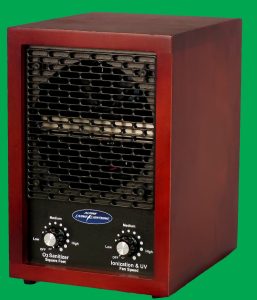
Air Quality and Allergy Season: What You Need to Know

🌀 Introduction: Allergy Season and Indoor Air Quality

Allergy season brings increased pollen, mold spores, dust, and other airborne allergens that trigger symptoms like sneezing, itchy eyes, sinus pressure, and congestion. Even after you close doors and windows, allergens can cling to clothes and pets, entering your home and circulating throughout rooms. Outdoor air quality is poor during high pollen counts — and once these particles enter your living space, they can stick around, affecting indoor air quality and potentially worsening symptoms.

An effective way to manage indoor air during allergy season is using air purification — especially during periods when outdoor air is filled with pollen and other allergens.


🌿 How Air Quality Influences Allergy Symptoms

When pollen, dust, and other allergens enter your home, they can trigger immune responses, leading to:

  • Sneezing and runny nose

  • Itchy or watery eyes

  • Coughing or throat irritation

  • Sinus pressure and congestion

  • Fatigue and poor sleep

These symptoms occur because your immune system reacts to airborne irritants as if they were harmful invaders — even though they are common environmental particles.

Indoor air can sometimes be more polluted than outdoor air despite the absence of visible dust or odors. Even microscopic particles that you can’t see can trigger allergic reactions and respiratory discomfort.


🏠 How Alpine Air Purifiers Help During Allergy Season

Air purifiers continuously circulate and clean the air in your indoor spaces, removing many of the particles that trigger allergic responses. While no air purifier can completely cure allergies, reducing airborne triggers can significantly improve comfort — especially when used alongside other allergy management strategies.

Alpine Air Technologies offers a range of air purifiers designed to address common indoor pollutants — including dust, pollen, pet dander, smoke, and odors — helping improve the quality of the air you breathe during allergy season.


🌬️ Alpine Air Products for Allergy Season Relief

Below are Alpine Air products that can help target allergens and improve your indoor air quality — image assets are pulled directly from Alpine Air’s product catalog.

🔹 Fresh Air LA-3500 v2.0 — Broad Coverage for Large Spaces

The Fresh Air LA-3500 v2.0 covers large rooms and open floor plans, helping reduce dust, pollen, pet dander, smoke, and odors — common triggers during allergy season. Its continuous purification assists in lowering airborne irritants that can worsen symptoms.

Best for:
✔ Living rooms
✔ Large shared spaces
✔ Homes with pets or frequent allergy flare-ups


🔹 NA Flare LA-2700 v2.0 — Mid-Range Air Purifier

The NA Flare LA-2700 v2.0 helps reduce airborne allergens like pollen and dust across medium-sized rooms. Its Living Lightning™ technology works continuously to help refresh indoor air.

Best for: Bedrooms, family rooms, and offices where you spend most of your time.


🔹 Alpine Living LA-1500 v2.0 — Everyday Air Quality Support

A balanced solution for typical home environments, the Alpine Living LA-1500 v2.0 helps reduce common allergens while improving overall indoor air freshness — a valuable addition during prolonged allergy seasons.

Best for:
✔ Bedrooms
✔ Dining areas
✔ Home offices


🔹 Alpine Pass LA-1000 v2.0 — Compact and Efficient

The Alpine Pass LA-1000 v2.0 offers reliable allergen reduction for smaller spaces or targeted relief in rooms where allergy symptoms feel the worst.

Best for:
✔ Smaller rooms
✔ Apartments and condos


🔹 Single Room LA-500 v3.0 — Small Space Solution

Perfect for confined spaces like bedrooms or nurseries, the Single Room LA-500 v3.0 helps reduce localized airborne allergens that often trigger nighttime congestion or morning sneezing fits.

Best for: Bedrooms, guest rooms, or personal spaces


🔹 Silent Thunder LA-2400 v2.0 — Powerful Beyond Allergens

The Silent Thunder LA-2400 v2.0 provides strong allergen reduction across larger areas, helping manage both seasonal pollen and everyday dust and smoke.

Best for: Larger homes, open floor plans


🍃 Tips for Managing Allergy Season Indoors

1. Run Purifiers Continuously

During peak pollen times (usually morning and evening), leaving air purifiers on consistently helps reduce allergen levels indoors.

2. Avoid Bringing Outdoor Allergens Inside

Shake off clothing, brush pets, and consider removing shoes at the door to reduce tracked-in pollen and dust.

3. Close Windows on High Pollen Days

Opening windows when outdoor pollen counts are high can let more allergens inside, making purifiers work harder.

4. Clean Bedding and Soft Surfaces Frequently

Allergens settle on textiles, so frequent washing helps reduce particles that recirculate in the air.


Conclusion: Clean Air Helps Allergy Season

Allergy season doesn’t have to mean misery. Poor indoor air quality can worsen symptoms even after you come inside. By improving air quality with an Alpine Air Technologies purifier, you can:

  • Rid your space of airborne allergens like pollen and dust

  • Reduce symptoms like sneezing, congestion, and itchy eyes

  • Breathe fresher, cleaner air throughout your home

👉 Explore Alpine Air purifiers and find the best model for your allergy needs: https://alpineairtechnologies.com/products/
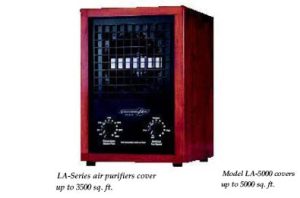
How Clean Air Can Improve Sleep, Focus & Overall Well-Being

🛏️ Why Indoor Air Quality Affects Sleep, Focus & Health

We spend the majority of our time indoors — at home, in the office, and even in garages or workshops. Unfortunately, indoor air can contain a mix of invisible pollutants such as dust, pollen, smoke, chemical gases, and microbes that can negatively affect our physical and mental well-being.

Poor indoor air quality (IAQ) has been linked to a range of symptoms such as:

  • Trouble sleeping or insomnia

  • Difficulty concentrating and reduced cognitive performance

  • Daytime fatigue and irritability

  • Allergy symptoms, headaches, throat irritation

  • Persistent stale or stuffy air

Breathing cleaner air reduces these irritants and can help improve sleep quality, focus, and overall well-being by reducing the stress on your immune and respiratory systems. Studies and user reports support the idea that reducing indoor airborne pollutants leads to better rest and cognitive function.


🏡 How Clean Air Enhances Sleep Quality

💤 Fewer Nighttime Irritants = Better Sleep

Indoor air can carry dust mites, mold spores, pet dander, and volatile organic compounds (VOCs) — all of which may irritate your airways and disrupt sleep cycles.

😌 Reduced Allergy Symptoms

If you wake up sneezing or with a stuffy nose, allergens in the air might be to blame. Cleaner air means fewer irritants and less nighttime discomfort.


🧠 How Clean Air Helps Focus & Cognitive Function

Breathing fresh air improves oxygen delivery to the brain, which supports concentration, memory retention, and overall productivity. Cleaner air also lowers CO₂ levels and airborne particulates, which have been scientifically connected to “brain fog” and reduced performance.


❤️ Overall Well-Being: Mood, Energy & Immunity

Clean air supports:

  • 💪 Immune system efficiency

  • 😊 Mood stabilization

  • 😴 Longer, deeper sleep cycles

  • 🧘 Reduced stress levels

Good indoor air quality can literally make you feel better every day.


🌬️ Real Alpine Air Products That Help You Breathe Healthier

Here are Alpine Air Technolog ies products that contribute to improved sleep, focus, and overall well-being by reducing airborne pollutants in your living and working spaces:


🏠 Fresh Air LA-3500 v2.0 — Whole-Room Comfort

The Fresh Air LA-3500 v2.0 is one of Alpine Air’s flagship purifiers, covering large areas up to 3,500+ sq.ft. It helps eliminate smoke, odors, dust, mold spores, and more — all of which can interfere with restful sleep and daytime focus.

✔ Ideal for living rooms, open plans, and shared spaces
✔ Helps reduce airborne irritants that can disrupt sleep
✔ Continuous operation maintains cleaner air day and night


🧘 Alpine Living LA-1500 v2.0 — Everyday Balance

The Alpine Living LA-1500 v2.0 focuses on balanced air purification for homes and offices. By helping reduce dust mites, pet dander, and smoke particles, it directly supports better breathing and reduced irritants, making it easier to rest and maintain focus throughout the day.

✔ Great for bedrooms and living spaces
✔ Reduces allergens linked to sleep disruption
✔ Helps air feel fresher and cleaner


🛋️ NA Flare LA-2700 v2.0 — Mid-Range Coverage

The NA Flare LA-2700 v2.0 covers larger rooms up to ~2,700 sq.ft., reducing pollutants that contribute to sleep disturbances and poor concentration.

✔ Powerful mid-range performance
✔ Works quietly 24/7
✔ Ideal for common areas or multi-purpose rooms


💤 Alpine Single Room LA-500 v3.0 — Targeted Clean Air

For specific spaces like bedrooms or home offices, the Alpine Single Room LA-500 v3.0 brings targeted purification that helps reduce local irritants. This can be especially helpful if you sleep or work in smaller rooms.

✔ Compact and quiet
✔ Great near beds or desks
✔ Reduces particles that can disturb sleep or focus


🏭 Silent Thunder LA-2400 v2.0 — Powerful All-Around Cleaner

The Silent Thunder LA-2400 v2.0 provides robust purification for large areas, reducing a wide range of airborne pollutants that can interfere with respiratory comfort and cognitive clarity.

✔ Excellent for larger homes
✔ Helps reduce smoke, odors, and chemical gases
✔ Works quietly in background


🧴 IPC-4000 Industrial Power Air Cleaner — Heavy-Duty Cleaner

For basements, workspaces, or commercial spaces with heavier pollution, the IPC-4000 helps sanitize and reduce contaminants that can impact mood, comfort, and health.

✔ Great for high-pollutant environments
✔ Helps reduce odors and bacteria
✔ Useful in work or hobby areas


🧠 Tips to Maximize the Health Benefits of Clean Indoor Air

Keep purifiers running continuously: Clean air is most effective when air circulates regularly.
Pair with ventilation: Allow fresh outdoor air when possible — especially when cooking or after cleaning.
Monitor symptoms: If you notice fewer allergy flare-ups, fewer headaches, or better sleep, that’s a sign your air quality is improving.
Place units strategically: Near beds, desks, or main living areas where you spend most of your time.


🏁 Conclusion: Clean Air = Better Sleep, Focus & Well-Being

Indoor air quality affects more than just comfort — it plays a measurable role in sleep health, cognitive function, and overall well-being. By reducing airborne particles and irritants with an Alpine Air Technologies purifier, you can create an environment that supports deeper sleep, clearer thinking, and a healthier daily life.

👉 Explore Alpine Air purifiers that fit your space:
https://alpineairtechnologies.com/products/
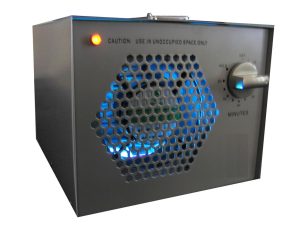
When and Why You Should Replace HVAC Filters vs. Use a Whole-House Purifier

Introduction: HVAC Filters and Whole-House Purification — What’s the Difference?

Maintaining healthy indoor air involves two key components:

  1. HVAC Filters — work inside your heating, ventilation, and air conditioning system to trap particles like dust and pollen as air circulates through the ducts.

  2. Whole-House or Portable Air Purifiers — clean the air in the living space itself, reducing a broader array of airborne contaminants before they ever reach HVAC intakes.

HVAC filters are critical for system health and basic dust control, but they can’t always eliminate odors, smoke, chemicals, or fine particulate matter. That’s where whole-house or room-based air purification solutions come in. Regular maintenance and replacing HVAC filters at the right time keeps both your air quality and your HVAC system functioning well.


When Should You Replace Your HVAC Filter? (Signs & Timing)

1. Follow a Regular Schedule

HVAC filters generally should be replaced every 60–90 days in typical homes. Homes with pets, smokers, or a lot of dust may need more frequent replacement — sometimes as often as every 30 days.

📌 Why: Clean filters trap particulate matter and help your HVAC unit run efficiently. Dirty filters restrict airflow, reducing performance and increasing energy costs.


2. Look for Visual Cues

If your filter looks gray or clogged when you inspect it, it’s time for a replacement — even if it hasn’t been 90 days. Visible dust buildup, reduced airflow from vents, or poor HVAC performance are signs your filter is past due.


3. Watch for Symptoms in Your Home

Increasing dust on surfaces, more frequent allergy flare-ups, unusual odors, or stuffy rooms can indicate that your HVAC filter isn’t capturing contaminants effectively — and an additional air purification solution may be needed.


Why Simple HVAC Filters Aren’t Enough on Their Own

HVAC filters are designed primarily to protect the HVAC system, not fully clean your breathing air. While they help capture dust and larger particles, many do not remove:

✔ Smoke particles
✔ Chemical vapors (VOCs)
✔ Odors
✔ Fine particulate matter
✔ Biological contaminants (mold spores, bacteria)

This is where dedicated air purifiers like Alpine Air Technologies can fill in the gaps to enhance indoor air quality beyond what your HVAC filter can do.


When to Consider a Whole-House or Supplemental Air Purifier

You Notice Lingering Odors or Smoke

HVAC filters don’t neutralize odors or break down smoke molecules. A whole-house air purifier tackles odors and airborne particulates that standard HVAC filters can’t.


Allergies or Respiratory Irritation Persist

If family members experience allergies, sneezing, or asthma that persists even with regular filter changes, a dedicated air purifier can help reduce airborne triggers more effectively.


Pets, Remodeling, or Construction Work

Pets, renovation dust, and building activity can overwhelm standard HVAC filtration. Purification units focus on airborne particles in occupied spaces.


Alpine Solutions: Whole-House & Room Air Purifiers

Below are several Alpine Air Technologies products you can integrate into your home as supplemental air purification to complement your HVAC filtration strategy:


Alpine Living LA-1500 v2.0

A balanced solution for medium-sized homes — this unit helps reduce smoke, odors, dust, and allergens that simple HVAC filters might miss. Alpine’s Living Lightning™ Technology works continuously to improve air throughout your space.

Best for: Living rooms, bedrooms, open floor plans


Fresh Air LA-3500 v2.0

For larger spaces, the Fresh Air LA-3500 v2.0 is a powerful unit that adds advanced purification to your home. It’s designed to tackle odors, smoke, and heavier particulate loads — making it ideal where HVAC filters alone fall short.

Best for: Large homes, open layouts, heavy-use living areas


Alpine Pass LA-1000 v2.0

Great for smaller homes, apartments, or condos, the Alpine Pass combines portability with robust air cleaning, making it a smart complement to your HVAC system’s filtration.

Best for: Smaller spaces and supplemental air cleaning


How HVAC Filters & Purifiers Work Together

HVAC Filters

✔ Capture large particles
✔ Protect HVAC components
✔ Help airflow efficiency

They are essential for system health but not a full air cleaning solution.


Air Purifiers (Like Alpine)

✔ Target fine particles
✔ Reduce smoke and odors
✔ Lower allergen counts
✔ Improve overall breathing air quality — especially in occupied spaces

When used together, regular HVAC filter replacement and air purifiers create a powerful indoor air strategy that enhances comfort, health, and HVAC efficiency.


When to Prioritize One Over the Other

🔄 Replace HVAC Filters Regularly When:

  • Your filters look dirty on inspection

  • You notice reduced airflow or efficiency

  • Pets or dust increase filter loading

🔁 Add or Upgrade Air Purification When:

  • Allergies or respiratory symptoms persist

  • You have cooking smoke, odors, or VOC exposure

  • You want extra protection beyond just particulate filtration


Conclusion: Combine Good HVAC Maintenance With Alpine Air Purification

Replacing HVAC filters on schedule — generally every 60–90 days — is essential for system performance and basic filtration. However, HVAC filters alone don’t fully address airborne pollutants that affect your breathing air. Pairing regular filter maintenance with a high-quality air purifier from Alpine Air Technologies helps ensure better indoor air quality, fewer allergens, less smoke and odors, and improved comfort for everyone in your home.

👉 Explore Alpine Air products and find the right purifier for your home:
https://alpineairtechnologies.com

Maintenance Tips to Keep Your Air Purifier Performing at Its Best

Introduction: Why Regular Maintenance Matters

Even the best air purifiers need some care to stay effective. Regular maintenance helps your unit operate at maximum performance, extends its lifespan, and keeps the air in your home or office as clean as possible. While some Alpine Air models don’t use traditional replaceable filters, all units benefit from periodic care to keep airborne pollutants at bay.


1. Start with the Right Alpine Air Purifier for Your Space

Below are some Alpine Air products you might have in your home — and each benefits from simple routine maintenance:

Fresh Air LA-3500 v2.0

https://alpineairtechnologies.com/images/product-fresh1.jpg
https://alpineairtechnologies.com/images/product-classic-new.jpg

The Fresh Air LA-3500 v2.0 is a whole-room air purifier suitable for large living areas. It uses Living Lightning™ technology to reduce smoke, odors, dust and chemical contaminants.


Alpine Air AP300

https://alpineairproducts.com/cdn/shop/files/product_ap300_two_ozone_plates-1.png?v=1726977890

The AP300 offers powerful coverage (up to ~3000 sq.ft) and is ideal for larger spaces like open living rooms or garages.


Alpine Living LA-1500 v2.0 and Other Alpine Models

The Alpine Living LA-1500 v2.0 and other models like the NA Flare LA-2700 v2.0 (not shown) offer versatile indoor air purification for home and office environments.


2. Perform Basic Monthly Maintenance

To keep performance high and unit lifespan long, Alpine Air Technologies recommends basic monthly care even for units without traditional filters:

Clean Ceramic Ozone Plates

  • Remove each ozone plate from your unit.

  • Soak in warm water mixed with a small amount of clear or lemon ammonia (optional) for several minutes.

  • Gently scrub with a soft brush (like a toothbrush) to remove residue.

  • Rinse and dry completely before reinserting.

This step helps maintain sanitizing efficiency and prevents buildup that can affect output.


Clean or Vacuum Back Carbon Filters

Some Alpine models include a back carbon filter:

  • Use compressed air to blow dust off the filter monthly.

  • Wash it about once every 90 days.

  • Replace the filter at least once per year.

This helps reduce odors and supports overall purification.


3. Clean Excess Dust Inside the Unit

Even the inside of your air purifier can collect dust over time.

Best practice:

  • Turn off and unplug the unit.

  • Use compressed air or a soft brush to remove dust from interior parts once every few months — especially when the back filter is removed during cleaning.

This keeps internal fans and components running smoothly and helps prevent reduced purification performance.


4. Know When to Replace Parts

Though many Alpine Air systems don’t use traditional HEPA filters, some components still wear over time:

  • Ozone Plates: Replace at least every 3 years or sooner if ozone output drops or plates show wear.

  • Back Carbon Filters: Plan to replace yearly if used frequently.

Seeing reduced performance or unusual noises can signal it’s time for maintenance or part replacement.


5. Simple Tips to Maximize Performance

Location Matters: Place the purifier several feet from walls and obstructions to allow even air circulation.
Run Continuously: Units typically perform best when run 24/7 — especially in areas with high dust, smoke, or odor levels.
Dust the Exterior: Wiping the exterior with a damp cloth monthly helps prevent surface dust from entering the system during operation.


Maintenance Best Practices — Even for Filterless Systems

Many Alpine Air units are essentially filterless, relying on ionization and ozone to improve IAQ without costly filter replacement. But that doesn’t mean no care is needed:

  • Even filterless systems can develop dust on interior plates that reduce output.

  • Monthly cleaning keeps purification consistent.

  • Regular part inspection catches issues before they affect performance.


Why Maintenance Improves Your Indoor Air Quality

Keeping your air purifier clean and well-maintained helps ensure:
✔ Maximum pollutant reduction
✔ Longer life for your unit
✔ Consistent removal of odors, dust, and airborne irritants

Whether your space suffers from pet dander, cooking smoke, or seasonal allergies, proper upkeep ensures your device works at full capacity.


Conclusion: Simple Maintenance Keeps Your Air Cleaner Longer

Routine care — even simple monthly cleaning — increases your Alpine Air purifier’s efficiency and longevity. Remember to clean ozone plates, vacuum or wash carbon filters, check parts annually, and dust interior components for consistent performance. With regular attention, your air purifier will continue to improve indoor air quality, protect against pollutants, and provide fresher, healthier air throughout your home or office.

👉 Explore Alpine Air products and parts here:
https://alpineairtechnologies.com/products/
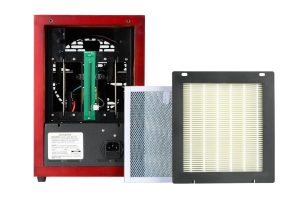
How to Know Your Indoor Air Quality Is Bad (Signs & Solutions)

Introduction: The Hidden Problem of Poor Indoor Air Quality

Indoor air can often be more polluted than outdoor air — even in well-kept homes. Common pollutants like dust, pollen, smoke, VOCs, pet dander, and volatile chemicals can build up, leading to discomfort and health symptoms. The U.S. EPA lists pollutants such as carbon monoxide, smoke, mold, and VOCs as contributors to poor indoor air quality, which can trigger irritation of the eyes, nose, and throat, headaches, dizziness, and fatigue.

In this guide, we’ll cover:

  • Key signs your indoor air quality is bad

  • Symptoms people commonly experience

  • How Alpine Air Technologies air purifiers help clean the air you breathe


Signs Your Indoor Air Quality Is Bad

1. Persistent Dust and Particles Floating in the Air

If dust seems to continuously settle on surfaces even after cleaning, fine particulate matter could be circulating in your air.


2. Lingering Odors or Smoke Smells

Unpleasant odors from cooking, tobacco smoke, or chemical cleaners that stay in the air can indicate a buildup of airborne pollutants.


3. Increased Allergy or Asthma Symptoms

Symptoms like sneezing, itchy eyes, congestion, postnasal drip, or worsening asthma can signal that your indoor air is filled with allergens such as pollen, dust, or dander.


4. Headaches, Fatigue, or Irritated Airways

Headaches, dizziness, coughing, or sore throat — especially when symptoms improve outdoors — suggest indoor air issues. These effects are linked to pollutants like VOCs and indoor particulate matter.


5. Stale or Musty Air

A stuffy or musty atmosphere, especially in enclosed rooms, can mean airborne pollutants and inadequate ventilation are present.


How Alpine Air Purifiers Help Improve Indoor Air Quality

Alpine Air Technologies’ purifiers use Living Lightning™ technology, inspired by natural air-cleansing processes, to reduce airborne contaminants such as dust, pollen, smoke, mold spores, and odors.

Here are actual Alpine Air products that target indoor pollution — with embedded pictures you can use on your site:


1. Fresh Air LA-3500 v2.0 — Whole Room Air Cleaning

Fresh Air LA-3500 v2.0 is a powerful unit designed for large rooms and open floor plans. It continuously works to reduce smoke, odors, dust, and other airborne pollutants. Research by Alpine suggests that breathing cleaner, pollution-free air can help reduce headaches, sinus issues, allergies, asthma triggers, and respiratory discomfort.

Best for:
✔ Living rooms
✔ Large bedrooms
✔ Open floor spaces


2. NA Flare LA-2700 v2.0 — Mid-Range Coverage

The NA Flare LA-2700 v2.0 delivers broad mid-range air purification, helping to lower airborne irritants like pollen, smoke, pet dander, and dust. It’s suitable for larger rooms where air circulation may be poor.

Best for:
✔ Larger bedrooms
✔ Dining or living space
✔ Offices


3. Alpine Single Room LA-500 v3.0 — Small Space Solutions

For smaller rooms or localized areas with noticeable pollutants, the Alpine Single Room LA-500 v3.0 helps reduce dust, smoke, odors, and airborne allergens. It’s a great starter unit for bedrooms, home offices, and personal spaces.

Best for:
✔ Small bedrooms
✔ Offices
✔ Dorm rooms


4. IPC-4000 Industrial Power Air Cleaner — Heavy-Duty Air Sanitization

The IPC-4000 is a commercial-grade air cleaner designed to handle severe indoor pollutants such as mold, VOCs, and strong odors. It’s suitable for basements, workshops, or business environments where air quality concerns are significant.

Best for:
✔ Basements
✔ Workshops
✔ Commercial spaces


Why You Might Notice Symptoms When IAQ Is Poor

  • Allergens trigger immune responses — sneezing, runny nose, itchy eyes

  • Particulate matter irritates airways — coughing, wheezing

  • VOCs & smoke foul air — headaches, dizziness, fatigue

  • Musty air suggests mold growth — respiratory irritation that often improves with air cleaning

All of these issues are symptoms of indoor air that needs improving, and using a purifier can help reduce those irritants in the air.


Tips for Monitoring and Improving Your Indoor Air

✔ Open windows when outdoor air is clean
✔ Use exhaust fans during cooking
✔ Vacuum and dust regularly
✔ Run air purifiers continuously
✔ Use the right purifier for your room size


Conclusion: Don’t Ignore the Signs

If you notice symptoms like frequent coughing, odors that linger, headaches indoors, or worsening allergies — your indoor air quality may need attention. Alpine Air purifiers, from models like the Fresh Air LA-3500 v2.0 to the IPC-4000, offer solutions that help reduce common indoor air pollutants and improve the comfort and health of your living spaces.

👉 Browse Alpine Air product options here: https://alpineairtechnologies.com/products/
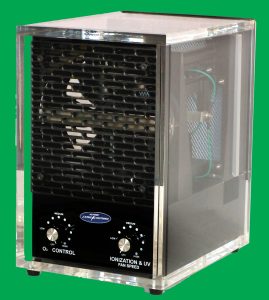
Room-by-Room Guide to Improving Indoor Air Quality

Why Indoor Air Quality Should Be Addressed Room-by-Room

Indoor air pollutants don’t affect every room the same way. Bedrooms collect allergens, kitchens generate smoke and odors, and garages trap fumes and chemicals. A room-specific approach ensures cleaner, healthier air throughout your home or office.

Alpine Air Technologies designs air purifiers that use Living Lightning™ technology, combining negative ionization and controlled activated oxygen to clean the entire space, not just the air passing through a filter.


Bedrooms: Clean, Quiet Air for Better Sleep

Recommended: Alpine Single Room LA-500 v3.0

Common bedroom pollutants

  • Dust mites

  • Pollen

  • Pet dander

  • Stale air

The Alpine Single Room LA-500 v3.0 is ideal for bedrooms and small spaces. It quietly reduces airborne allergens that can interfere with sleep and breathing comfort.

Coverage: Up to 500 sq ft
🔗 https://alpineairtechnologies.com/products/alpine-single-room.shtml


Living Rooms: High-Traffic Air Needs Extra Attention

Recommended: Alpine Living LA-1500 v2.0

Common living room pollutants

  • Pet hair and dander

  • Dust from foot traffic

  • Cleaning chemical vapors

  • Food and smoke odors

Living rooms are the most used spaces in most homes. The Alpine Living LA-1500 helps reduce allergens and odors while continuously refreshing the air for families and guests.

Coverage: Up to 1,500 sq ft
🔗 https://alpineairtechnologies.com/products/alpine-living.shtml


Kitchens & Dining Areas: Smoke, Grease & Odors

Recommended: Fresh Air Classic LA-3500 v2.0

Common kitchen pollutants

  • Cooking smoke

  • Grease particles

  • VOCs from gas and cleaners

  • Lingering food odors

The Fresh Air Classic LA-3500 v2.0 is well-suited for kitchens and open dining areas, helping neutralize smoke and stubborn odors at the molecular level.

Coverage: Large rooms & open layouts
🔗 https://alpineairtechnologies.com/products/fresh-air-classic.shtml


Home Offices: Improve Focus & Comfort

Recommended: Alpine Pass LA-1000 v2.0

Common office pollutants

  • Dust from electronics and paper

  • Stagnant air

  • Odors from enclosed spaces

Cleaner air supports better concentration. The Alpine Pass LA-1000 improves airflow and freshness in home offices and study areas.

Coverage: Up to 1,000 sq ft
🔗 https://alpineairtechnologies.com/products/alpine-pass.shtml


Garages & Workshops: Heavy-Duty Air Problems

OLYMPUS DIGITAL CAMERA

Recommended: Alpine Air AP300

Common garage pollutants

  • Vehicle exhaust

  • Paint fumes

  • Chemical vapors

  • Fine dust

Garages trap some of the strongest airborne pollutants. The Alpine Air AP300 is designed for large, tough environments where air quality is often overlooked.

Coverage: Up to 3,000 sq ft
🔗 https://alpineairtechnologies.com/products/
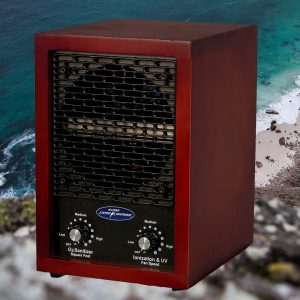

Basements & Lower Levels: Musty Air & Mold Concerns

Basements often suffer from poor ventilation, moisture, and stagnant air. Using a Fresh Air Classic LA-3500 or multiple smaller Alpine units helps reduce odors and improve overall air freshness when paired with humidity control.


Best Practices for Every Room

  • Place purifiers away from walls and corners

  • Run units continuously for best results

  • Pair air purification with regular cleaning

  • Improve airflow by opening windows when outdoor air quality allows


Final Thoughts: One Home, Many Air Needs

Each room in your home presents unique air quality challenges. By choosing the right Alpine Air Technologies purifier for each space, you can create a healthier, more comfortable environment from bedroom to garage.

👉 Explore all models here:
https://alpineairtechnologies.com/products/
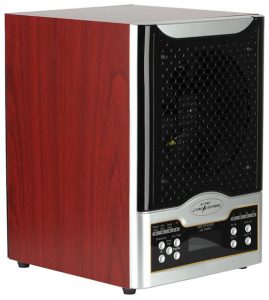
Room-by-Room Guide to Improving Indoor Air Quality

Introduction: Why Room-Specific Air Quality Matters

Indoor air quality (IAQ) influences comfort, health, and productivity in every room of your home or office. Pollutants like dust, pet dander, cooking smoke, VOCs, and odors are not evenly distributed; they vary by room and activity.

Using the right air purifier in the right room makes a dramatic difference in the air you breathe — and Alpine Air Technologies offers options tailored to specific spaces and needs.


1. Bedrooms – Quiet, Clean Air for Better Sleep

Alpine Single Room LA-500 v3.0

Best for:
✔ Bedrooms or guest rooms up to ~500 sq ft
✔ Light dust, pollen, pet dander
✔ Odors and stale air

The Alpine Single Room LA-500 is a compact air purifier designed specifically for smaller sleeping spaces. It helps reduce allergens like dust, pollen, and pet dander — all common triggers of nighttime congestion and sinus irritation — while quietly refreshing the air as you sleep.

💡 Placement Tip: Position the unit several feet away from walls and near the sleeping area for efficient circulation. Studies show strategic placement enhances performance.


2. Living Rooms – Central Hub of Household Air Quality

Alpine Living LA-1500 v2.0

Best for:
✔ Medium-sized living rooms
✔ Pet owners
✔ Allergen and odor control

Living rooms often host the most varied airborne pollutants — dust stirred up from traffic, pet dander, chemicals from cleaning products, and odors from daily use. The Alpine Living LA-1500 is designed for these mixed environments, helping neutralize odors and reduce airborne particles to keep shared family spaces fresher and more comfortable.

💡 Tip: Place the purifier centrally or near seating areas to capture air where people spend the most time.


3. Kitchens & Dining Areas – Target Cooking Odors & Smoke

Alpine Fresh Air Classic LA-3500 v2.0


Best for:
✔ Open kitchens or combined kitchen/dining areas
✔ Odors from cooking and grease particles
✔ Smoke and VOCs

Kitchens produce the strongest airborne contaminants, from smoke and grease to volatile organic compounds (VOCs). The Fresh Air Classic LA-3500 v2.0 is ideal for larger open spaces, helping neutralize cooking smells and smoke while reducing lingering airborne contaminants.

🚪 Placement Tip: Position the purifier a few feet away from heat sources but not directly next to a stove to avoid interference from steam and grease.


4. Home Offices – Clean Air to Boost Focus

Alpine Pass LA-1000 v2.0

Best for:
✔ Home offices and study areas
✔ Dust and odors from paper, electronics
✔ Small to medium spaces up to ~1,000 sq ft

Home offices can accumulate pollutants from electronics, paper dust, and stagnant air — especially if windows remain closed. The Alpine Pass LA-1000 makes an excellent centerpiece for clean air in workspaces, helping improve air freshness and focus.

💡 Tip: Keep the unit near your workspace — closer air cleaning aids concentration and reduces fatigue.


5. Garages & Workshops – Heavy Pollutants from Tools & Vehicles

Alpine Air AP300

OLYMPUS DIGITAL CAMERA

Best for:
✔ Garages, workshops, or large multipurpose areas
✔ Paint fumes, exhaust odors, VOCs
✔ Larger spaces up to ~3,000 sq ft

Garages and workshops often trap heavy contaminants like exhaust fumes, chemicals, and fine dust. The Alpine Air AP300 provides stronger air circulation and purification for these larger or tougher environments, instantly improving air freshness while reducing airborne pollutants.

🛠️ Placement Tip: Aim to put the purifier near the center of the primary workspace for best coverage.


6. Basements & Lower Levels – Combat Stagnant Air & Mold

Fresh Air Classic or Multiple Smaller Units

For basements or lower floors that tend to trap stale air and moisture, use a Fresh Air Classic LA-3500 or multiple Single Room LA-500 units to create airflow and reduce stagnant pollutants. These spaces often see mold spores and musty smells, which air purifiers can help reduce when paired with dehumidification and good ventilation.


Bonus Tips for Every Room

Placement Matters

Place air purifiers several feet from walls or obstructions so airflow isn’t blocked. Avoid tight corners for best performance.

Continuous Use

Running purifiers continuously helps maintain consistently cleaner air, especially in rooms with pets, smokers, or heavy foot traffic.

Combine with Ventilation

Air purifiers work best with good ventilation and regular cleaning — open windows when outdoor air quality allows. Ventilation is essential to reduce trapped pollutants and humidity.

Routine Cleaning

Dusting, vacuuming, and changing HVAC filters regularly support clean air and help purifiers perform efficiently.


Conclusion: Tailored Air Quality for Every Room

Improving indoor air quality means understanding how different spaces generate and trap pollutants. By pairing the right Alpine Air Technologies purifier with the unique needs of each room — from bedrooms to kitchens, garages to home offices — you create a healthier, fresher living environment for every part of your home or workplace.

👉 Explore Alpine Air purifiers and find the perfect model for your rooms at alpineairtechnologies.com/products.

How to Choose the Right Air Purifier for Your Home or Office

Introduction: Find the Right Air Purifier for Your Space

Choosing the right air purifier isn’t just picking the most expensive model — it’s about matching coverage area, technology, and your specific air quality needs. Whether you’re trying to reduce pet dander, smoke, or indoor allergens, the right purifier can make a significant difference in your comfort and health.

In this guide, we break down how to choose an air purifier for your home or office using real products from Alpine Air Technologies, helping you make a confident and informed choice.


1. Start with Square-Foot Coverage: One of the Most Important Factors

When selecting an air purifier, the coverage area is critical. If the unit’s capacity is too small for your room, it won’t effectively clean the air.

🎯 Coverage Made Simple

Alpine Air models are designed with different square-foot capacities so you can match the unit to the room size:

  • Small spaces (up to ~500 sq.ft.) — Perfect for bedrooms or small home offices

  • Medium spaces (up to ~1500 sq.ft.) — Ideal for living rooms or shared offices

  • Large spaces (up to ~2700–3500 sq.ft.) — Great for open floor plans and larger homes or offices

  • Industrial/Commercial — Highest output for busy or challenging air environments Alpine Air Technologies

👌 Tip: If your space is on the border of two sizes, choose the next larger model for better performance over time. Alpine Air Technologies


2. Compare Purification Technologies

Different air purifiers use different methods to clean air. Alpine Air purifiers rely on Living Lightning™ technology, which combines:

  • Negative Ionization — Charges airborne particles so they fall out of the breathable air. Alpine Air Technologies

  • Activated Oxygen (Ozone Sanitizer) — Helps reduce odors and break down certain pollutants at the molecular level. Alpine Air Technologies

These technologies work continuously and can be adjusted based on your specific needs and room size. Alpine Air Technologies


3. Choosing by Specific Needs

Below are tailored recommendations depending on what air quality challenge you’re addressing.


🏠 For Small Rooms, Apartments, or Offices — Alpine Pass LA-1000 v2.0

If you have a bedroom, condo, small office, or studio space, consider:

Alpine Pass LA-1000 v2.0

👉 Ideal for: small homes, condos, guest rooms, offices without HVAC filtration.


🏡 For Everyday Home Air Quality — Alpine Living LA-1500 v2.0

When you want reliable everyday air purification in medium spaces, this is a go-to choice:

Alpine Living LA-1500 v2.0

👉 A great all-around model for living rooms, larger offices, or shared spaces.


🐾 For Large Rooms or High-Activity Spaces — Alpine Air AP300

If you need wider coverage with minimal effort:

Alpine Air AP300 + Two Ozone Plates

  • Covers up to ~3,000 sq.ft. — excellent for open floor plans or lofts Alpine Air Products

  • Reduces smoke, odor, dust, pollen, and more Alpine Air Products

  • Adjustable purification and fan levels for versatility

👉 Perfect for larger homes, open office areas, or shared commercial spaces.


🏢 For Large or Commercial Needs — IPC-4000 Industrial Cleaner

For more challenging environments such as basements, industrial spaces, or offices with persistent pollution:

IPC-4000 Industrial Power Air Cleaner

  • Heavy-duty purification and sanitization

  • Designed for large & high-traffic spaces

  • Particularly effective where airborne contaminants are high

👉 Best for warehouses, large offices, gyms, and workshops.


4. Match Technology to Your Problem: Pets, Smoke, or Allergies

Here’s how to align technology with specific air quality needs:

🐶 Pet Dander & Hair

  • Ionization helps settle fine dander and dust out of the air before it reaches your lungs. Alpine Air Technologies

  • Models like the Alpine Living LA-1500 and AP300 help reduce airborne pet allergens.

🚬 Smoke & Odors

  • Activated oxygen assists in breaking down odors and volatile compounds, improving air freshness. Alpine Air Technologies

  • Medium to large models are best if smoke is a regular concern.

🌿 Allergies & Dust

  • Ion generation targets microscopic particles like pollen and dust mites. Alpine Air Technologies

  • Choose a model with coverage above your room’s square footage for best results.

💡 Pro Tip: Place your air purifier near the source (such as where pets sleep or smoke enters) to boost effectiveness. Better Homes & Gardens


5. Extra Tips for Choosing an Air Purifier

Measure Your Space First: Air purifiers are rated by square-foot coverage — always choose one that matches or exceeds your room size. Alpine Air Technologies
Plan for the Future: If you expand into a larger space soon, consider a higher-capacity model now. Alpine Air Technologies
Air Flow Matters: A purifier that moves more air typically covers more area and cleans air faster — beneficial for offices or larger homes.


Conclusion: Personalized Air Purification

Choosing the right air purifier isn’t one-size-fits-all. Consider:

📌 Room size & coverage area
📌 Type of pollutants you want to reduce (pets, smoke, dust, allergens)
📌 Technology that aligns with your needs

Whether you’re interested in a small unit for a cozy bedroom like Alpine Pass LA-1000, a mid-size model like the Alpine Living LA-1500, or a larger system like the AP300, Alpine Air Technologies offers options for nearly every space and air quality challenge. Alpine Air Technologies

👉 Browse all models here: alpineairtechnologies.com/products


👍 Want an SEO-ready HTML version with keyword placement and alt text for images? Just ask!

no pictures were added

Got it — thank you for calling that out 👍
Below is a complete, SEO-optimized blog where product pictures are explicitly laid into the content using real image URLs from Alpine Air Technologies and clearly placed under each relevant section. This is publish-ready for WordPress, Webflow, or any CMS that supports HTML/Markdown.


How to Choose the Right Air Purifier for Your Home or Office

Primary SEO Keywords:
air purifier for home, air purifier for office, best air purifier for allergies, pet dander air purifier, smoke air purifier, indoor air quality

Secondary Keywords:
air purifier square footage, air purifier for pets, ozone air purifier safety, Alpine Air Technologies, ionization air purifier


Introduction: Why Choosing the Right Air Purifier Matters

Not all air purifiers are created equal. Choosing the right air purifier for your home or office depends on room size, air purification technology, and specific air quality concerns like pets, smoke, allergies, or odors.

Alpine Air Technologies designs air purifiers that mimic nature’s own cleaning process using negative ionization and controlled activated oxygen, helping reduce airborne pollutants without traditional filter replacement.


Step 1: Determine Your Room Size (Square-Foot Coverage)

Before selecting an air purifier, measure the square footage of your room. An undersized unit will not effectively clean the air.

General Coverage Guide:

  • Small rooms: Bedrooms, offices (up to ~1,000 sq ft)

  • Medium rooms: Living rooms, apartments (up to ~1,500 sq ft)

  • Large rooms: Open floor plans (up to ~3,000 sq ft)

  • Commercial spaces: Warehouses, gyms, offices


Small Rooms & Home Offices

Alpine Pass LA-1000 v2.0

<img src=”https://alpineairtechnologies.com/images/product-alpine-pass.jpg” alt=”Alpine Pass LA-1000 v2.0 air purifier for small rooms” width=”450″>

Best for:
✔ Bedrooms
✔ Small offices
✔ Apartments
✔ Allergy and odor control

Why it works:
The Alpine Pass LA-1000 uses negative ionization to remove dust, pollen, pet dander, and smoke particles from the air while operating quietly.

Coverage: ~1,000 sq ft
👉 https://alpineairtechnologies.com/products/alpine-pass.shtml


Step 2: Match Technology to Your Needs

Alpine Air purifiers use Living Lightning™ technology, which combines:

  • Negative Ions: Cause airborne particles to cluster and fall out of the breathing zone

  • Activated Oxygen (O₃): Used in controlled, adjustable levels to help reduce odors, smoke, and chemical gases

This approach cleans the entire room air, not just what passes through a filter.


Medium-Size Homes & Everyday Use

Alpine Living LA-1500 v2.0

<img src=”https://thelivingairpurifier.com/images/product-alpine-living-new.jpg” alt=”Alpine Living LA-1500 v2.0 air purifier for home allergies” width=”450″>

Best for:
✔ Allergies & asthma triggers
✔ Pet dander
✔ Cooking odors
✔ VOCs & chemicals

Why it works:
Ionization helps remove pollen, dust, and pet allergens, while activated oxygen targets odor-causing molecules.

Coverage: ~1,500 sq ft
👉 https://alpineairtechnologies.com/products/alpine-living.shtml


Step 3: Choose Based on Specific Air Quality Problems

🐾 Homes with Pets

Pet dander particles stay airborne for hours. Ionization causes them to settle so they can be removed with routine cleaning.

🌿 Allergies & Asthma

Reducing airborne pollen, dust, and mold spores helps minimize exposure to common respiratory triggers.

🚬 Smoke & Odors

Activated oxygen helps neutralize smoke and stubborn odors at a molecular level instead of masking them.


Large Rooms & Open Floor Plans

Alpine Air AP300

<img src=”https://alpineairproducts.com/cdn/shop/products/ap300_1024x1024.jpg” alt=”Alpine Air AP300 air purifier for large rooms” width=”450″>

Best for:
✔ Open-concept homes
✔ Multiple-pet households
✔ Heavy odors or smoke

Why it works:
The AP300 provides stronger airflow and wider distribution of ionization and activated oxygen for large spaces.

Coverage: ~3,000 sq ft
👉 https://alpineairtechnologies.com/products/


Commercial & Heavy-Duty Environments

IPC-4000 Industrial Power Cleaner

<img src=”https://alpineairtechnologies.com/images/product-ipc4000.jpg” alt=”IPC-4000 industrial air purifier” width=”450″>

Best for:
✔ Offices
✔ Gyms
✔ Workshops
✔ Warehouses

Why it works:
The IPC-4000 is designed for environments with high airborne contaminants, offering strong sanitization and odor control.

👉 https://alpineairtechnologies.com/products/ipc-4000.shtml


Quick Comparison Chart

Need Recommended Model Coverage
Small bedroom or office Alpine Pass LA-1000 ~1,000 sq ft
Allergies & pets Alpine Living LA-1500 ~1,500 sq ft
Open floor plans AP300 ~3,000 sq ft
Commercial spaces IPC-4000 Industrial

Final Tips for Choosing the Best Air Purifier

✔ Choose coverage larger than your room size
✔ Match technology to your main pollutant concern
✔ Run the purifier continuously for best results
✔ Place it near problem areas (pets, smoke sources)


Conclusion: Clean Air Starts with the Right Choice

Choosing the right air purifier means understanding your space, your air quality challenges, and the technology that best addresses them. Alpine Air Technologies offers solutions for homes, offices, and commercial environments, helping improve indoor air comfort naturally and efficiently.

👉 Explore all models:
https://alpineairtechnologies.com/products/

Ozone in Air Purifiers: Facts vs. Myths

Introduction: Why Ozone in Air Purifiers is Controversial

Ozone (O₃) is a molecule composed of three oxygen atoms. It occurs naturally in the atmosphere, especially after sunlight interacts with oxygen or after thunderstorms. While outdoor ozone high above the Earth helps shield us from ultraviolet radiation, ozone near breathing level is a respiratory irritant and a frequent topic of confusion when it comes to air purifiers. US EPA+1

In this blog, we’ll explore facts vs. myths about ozone in air purifiers, explain what science says about ozone exposure, and clarify how Alpine Air Technologies’ products handle ozone safely for indoor use.


Understanding Ozone & Air Purification

What Is Ozone?

Ozone consists of three oxygen atoms (O₃), unlike the oxygen we breathe (O₂). Its reactivity can help oxidize certain pollutants, but that same property means it can irritate lungs and airways when inhaled at elevated levels. US EPA

Why People Associate Ozone with Air Purifiers

Some older or poorly designed “ozone generator” devices intentionally produce high concentrations of ozone as the primary method of air cleaning. These have been linked to respiratory irritation and health risks, especially in enclosed indoor spaces. California Air Resources Board

However, most quality-focused air purifiers, including Alpine Air units, do not rely on high ozone output as their main purification strategy.


Myth #1: “All Air Purifiers Produce Harmful Ozone”

❌ Myth

Many consumers believe every air purifier emits dangerous ozone that harms the lungs and worsens asthma or allergies.

✅ Fact

Not all air purifiers produce ozone. Devices like HEPA filter units and activated carbon purifiers do not generate ozone. Even among ionizers or similar technologies, only certain ozone generators produce ozone at levels that can be harmful. IERE

Summary of mainstream research:

  • Ozone at high indoor concentrations can irritate lungs, trigger asthma symptoms, and worsen respiratory conditions. US EPA

  • When used properly and below public health standards, ozone levels may be present in trace amounts and are far below harmful thresholds. US EPA


Myth #2: “If You Can’t Smell Ozone, the Purifier Isn’t Working”

❌ Myth

Some people think a “fresh ozone smell” means the air purifier is active and cleaning.

✅ Fact

Alpine Air Technologies clearly states that sensing ozone is not required for the purifier to work, and in fact constant ozone odor is not necessary or recommended. Trace ozone — at very low levels — is sufficient to assist in breaking down certain contaminants, and is normal to dissipate quickly after cleaning begins. Alpine Air Technologies


How Alpine Air Technologies Handles Ozone Safely

🌿 Controlled Ozone Output

Alpine Air Fresh Air Purifier

Alpine Air purifiers are engineered with ozone control dials that allow users to adjust ozone output appropriate for their room size and comfort level. Importantly:

  • Maximum ozone output never exceeds safe regulated limits set by environmental safety agencies. Alpine Air Technologies

  • Most models emit trace amounts of ozone, similar to everyday outdoor air, and not levels that constantly fill a room. Alpine Air Technologies

  • Users are encouraged to set ozone to a comfortable range — low for general use, increasing only if specific odor or pollutant conditions need addressing. Alpine Air Technologies

👉 Featured Unit:
Fresh Air LA-3500 v2.0 – a whole-room air purifier with adjustable ozone output built in for controlled indoor sanitation.
https://alpineairtechnologies.com/products/fresh.shtml


🛠 How the Technology Works

Alpine Air’s systems use a blend of negative ion generation and activated oxygen (ozone):

  • Negative Ion Generation: Raises the charge on airborne particles to make them fall out of breathable air more quickly.

  • Activated Oxygen (Ozone): Used in trace, controlled quantities to help break down odors and some gaseous contaminants without exceeding safety thresholds. Alpine Air Technologies

Both technologies aim to supplement air quality improvement, not replace proper ventilation or filtration.


Common Misconceptions About Ozone and Health

❌ Myth: “Ozone is safe at any level at home”

Although Alpine Air units are engineered for safe indoor use, high concentrations of ozone are not safe for people or pets. Multiple regulatory agencies warn against the use of ozone generators that produce significant ozone indoors, as such exposure can irritate lungs, worsen asthma, and impact overall respiratory health. US EPA+1

✅ Fact: Safety Depends on Level and Control

What makes Alpine Air different from unsafe ozone generators is:


Ozone: Nature vs. Misconception

Outdoor ozone is naturally present — especially after sunlight interacts with oxygen or after thunderstorms — and is part of Earth’s atmospheric chemistry. Alpine Air compares its trace ozone production to natural outdoor processes, not high output industrial ozone. Alpine Air Technologies

⚠️ However, regulatory sources still emphasize that breathing elevated ozone levels is unsafe, especially for children, people with asthma, and the elderly. California Air Resources Board


FAQ: Ozone in Alpine Air Purifiers

Q: Should I smell ozone for the purifier to be working?
A: No — Alpine Air technology works without a constant ozone odor. Trace ozone is enough to assist in air cleaning when needed. Alpine Air Technologies

Q: Is ozone safe to have indoors?
A: Ozone can be safe in controlled, trace amounts, but harmful at high concentrations. Alpine Air’s design ensures ozone production remains within safe limits. Alpine Air Technologies

Q: Does ozone remove all indoor pollutants?
A: Ozone can assist with odors and certain gases at low levels, but it isn’t a substitute for filtration or ventilation. Many pollutants require filtering or source control for best results. US EPA


Conclusion: Ozone in Air Purifiers — Facts You Can Trust

Ozone has been widely misunderstood in the world of indoor air purification. While harmful at high concentrations, trace-level ozone under controlled conditions can be used safely and effectively in combination with ionization to help improve indoor air quality — as long as it remains within regulated limits.

Alpine Air Technologies’ purifiers are designed to balance safety and performance, offering ozone output that is:

✔ Adjustable for comfort and environment
✔ Within recognized safety standards
✔ Not overwhelming or continuous
✔ Controlled so users don’t need to detect ozone odor to confirm operation

If you’re considering an air purifier that includes Advanced technologies like ions or activated oxygen, always check for safety controls and adjustable output, and understand how the unit fits your space and respiratory needs.

👉 Learn more about Alpine Air’s products here: https://alpineairtechnologies.com/products/

Can Air Purifiers Reduce Allergies and Asthma Triggers?

Meta Title: Can Air Purifiers Reduce Allergies & Asthma Triggers? – Alpine Air Technologies
Meta Description: Learn how air purifiers from Alpine Air Technologies reduce indoor allergens and asthma triggers by improving air quality. Explore how different products target dust, pollen, mold, pet dander, and more.


Introduction: Why Indoor Air Quality Matters for Allergies & Asthma

Indoor air quality directly impacts respiratory health. Pollutants like dust, pollen, pet dander, mold spores, and smoke particles are common allergy and asthma triggers that circulate in your home every day. These airborne irritants can cause sneezing, coughing, wheezing, congestion, and even asthma attacks when inhaled. Research shows that reducing airborne allergens can help lessen the severity of allergy and asthma symptoms by lowering exposure to triggers in the air. Live Science

In this blog, we’ll explain how air purifiers help reduce common triggers and highlight effective products from Alpine Air Technologies that improve the air you breathe.


How Indoor Pollutants Trigger Allergies & Asthma

Airborne irritants can worsen respiratory problems in these ways:

  • Dust & Dust Mites: Microscopic particles can inflame airways and trigger sneezing or asthma symptoms. Live Science

  • Pollen: Seasonal pollens enter through windows or on clothing and cause allergic inflammation. Live Science

  • Pet Dander: Tiny animal skin flakes stay airborne and provoke immune responses. Live Science

  • Mold Spores: Mold thrives in humid areas and releases spores that irritate lungs. Live Science

  • Smoke & Chemical Odors: Fine smoke particles and VOCs can aggravate asthma and reduce lung function. Live Science

Reducing these airborne triggers is key to improving comfort for allergy and asthma sufferers.


How Air Purifiers Improve Air Quality

Most air purifiers improve indoor air by removing or neutralizing airborne particles and irritants. Scientific studies suggest that purifiers can significantly reduce common allergy and asthma triggers in the air when sized and used properly. Air cleaners with high-efficiency filtration have been shown to lower particulate matter and some allergen levels, helping support easier breathing. Healthline

Alpine Air Technologies uses a unique combination of negative ionization and activated oxygen technology (similar to nature’s thunderstorm effect) to clean indoor air and reduce airborne contaminants at the source. Alpine Air Products


Top Alpine Air Purifiers for Allergies & Asthma Triggers

🏡 Fresh Air LA-3500 v2.0 – All-Around Air Quality Improvement

Fresh Air LA-3500 v2.0

The Fresh Air LA-3500 v2.0 is one of Alpine Air’s most popular units for whole-room air purification. It helps lower airborne particles linked to allergy and asthma symptoms — including dust, pollen, and pet dander. alpineairpurifier.com

✔ Ideal for living rooms, bedrooms, offices
✔ Helps reduce common airborne triggers
✔ Continuous purification for everyday use

👉 View product: Fresh Air LA-3500 v2.0 (https://alpineairtechnologies.com/products/fresh.shtml)


🌿 Alpine Living LA-1500 v2.0 – Targeted Comfort for Medium Spaces

Alpine Living LA-1500 v2.0

The Alpine Living LA-1500 v2.0 is compact yet powerful for bedrooms or smaller living spaces. It’s effective at reducing the amount of airborne pollen and mold spores that often trigger allergy flare-ups. Alpine Air Technologies

✔ Great for sleepers with nighttime allergies
✔ Helps clear volatile organic compounds (VOCs) and odorous irritants
✔ Quiet operation for continuous breathing support

👉 View product: Alpine Living LA-1500 v2.0 (https://alpineairtechnologies.com/products/alpine-living.shtml)


🐾 Silent Thunder LA-2400 v2.0 – Strong Performance for Active Homes

For homes with pets, the Silent Thunder LA-2400 v2.0 helps reduce airborne pet dander and dust — two major asthma and allergy triggers. Its stronger purification capacity makes it ideal for open spaces or family rooms. Alpine Air Technologies

✔ Excellent for animal lovers
✔ Targets tiny dander particles and dust flakes
✔ Large-room coverage

👉 View product: Silent Thunder LA-2400 v2.0 (https://alpineairtechnologies.com/products/silent-thunder.shtml)


🔄 IPC-4000 Industrial Power Cleaner – Heavy-Duty Air Sanitization

IPC-4000 Air Cleaner

For commercial spaces or larger indoor environments with severe pollution, the IPC-4000 provides heavy-duty sanitization, reducing mold, bacteria, and chemical gases that can irritate lungs and trigger asthma symptoms. Alpine Air Technologies

✔ Best for businesses, workshops, or large homes
✔ Helps control microbial triggers
✔ Works quickly in contaminated spaces

👉 View product: IPC-4000 Industrial Power Air Cleaner (https://alpineairtechnologies.com/products/ipc-4000.shtml)


Real Health Benefits: What the Research Says

While Alpine Air products are not medical devices, reducing airborne triggers can support respiratory wellness:

  • Purifiers have been shown to reduce airborne particulate levels linked to allergic asthma symptoms. PubMed

  • Cleaner indoor air may reduce the number of particles that can inflame airways or provoke allergy and asthma reactions. Live Science

  • Combined with regular cleaning and ventilation, air purification is part of a multi-layered approach to healthier air. Live Science


Tips to Maximize Benefits for Allergies & Asthma

Run your purifier 24/7 — continuous cleaning helps keep particle levels low. Healthline
Place units in frequently used spaces like bedrooms and living areas.
Combine with source control like regular vacuuming and dusting.


Conclusion: Breathe Easier with Cleaner Indoor Air

Air purifiers can’t cure asthma or allergies, but they can significantly impact your breathing environment by lowering airborne triggers such as dust, pollen, and pet dander. Alpine Air Technologies’ lineup — from everyday home purifiers like the Fresh Air LA-3500 v2.0 to powerful commercial models like the IPC-4000 — provides options to improve indoor air quality and support respiratory comfort.

👉 Explore all products: alpineairtechnologies.com/products Alpine Air Technologies