Winter brings colder temperatures, cozy homes, and more time spent indoors. However, it also brings several indoor air quality challenges that many homeowners overlook.
Because homes remain tightly sealed during colder months, pollutants such as dust, allergens, odors, and airborne particles can accumulate inside. Without proper ventilation or air purification, indoor air can become stale and unhealthy.
Understanding common winter air quality problems—and how to fix them—can help maintain a healthier indoor environment throughout the colder months.
Why Indoor Air Quality Gets Worse in Winter
During winter, homes are often sealed tightly to conserve heat. While this improves energy efficiency, it also traps indoor pollutants.
Common winter air quality contributors include:
-
closed windows and reduced ventilation
-
increased indoor heating
-
dust buildup from heating systems
-
cooking fumes
-
cleaning chemicals
-
pet dander and allergens
According to the U.S. Environmental Protection Agency, indoor air pollution levels can sometimes be two to five times higher than outdoor air, especially when ventilation is limited.
Common Winter Indoor Air Quality Problems
1. Dry Indoor Air
Heating systems can significantly reduce humidity levels inside homes.
Dry air may lead to:
-
dry skin
-
irritated sinuses
-
sore throat
-
static electricity
-
cracked wood furniture
Low humidity also allows dust and airborne particles to circulate more easily.
Solution
Use humidifiers or maintain balanced humidity levels while improving air circulation and purification.
2. Increased Dust and Allergens
When heating systems run frequently, they circulate dust through vents and air ducts.
Common winter allergens include:
-
dust mites
-
pet dander
-
mold spores
-
pollen brought indoors
These particles remain suspended in indoor air and may trigger allergies or respiratory irritation.
Alpine Fresh Air Purifier
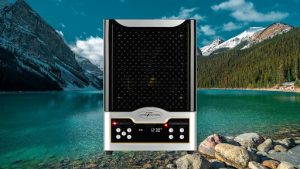
The Alpine Fresh Air Purifier helps reduce airborne pollutants such as dust, pollen, and odors.
Key benefits include:
-
supports cleaner indoor air
-
helps reduce airborne particles
-
assists with odor reduction
-
suitable for larger living spaces
Running an air purifier continuously can help maintain fresher indoor air during winter months.
3. Stale or Stuffy Indoor Air
Because windows remain closed during winter, indoor air often becomes stale.
Poor ventilation can cause:
-
lingering odors
-
buildup of pollutants
-
reduced oxygen circulation
Stale air may cause headaches, fatigue, and discomfort.
Solution
Air purification systems can help circulate and treat indoor air even when windows remain closed.
Alpine Living Air Purifier

The Alpine Living Air Purifier is designed for everyday air purification in homes and offices.
Benefits include:
-
helps reduce airborne particles
-
assists in controlling odors
-
improves indoor air freshness
It is ideal for rooms where people spend most of their time, such as living rooms and bedrooms.
4. Increased Indoor Odors
Winter often means more cooking, candles, and indoor gatherings.
These activities may produce odors from:
-
cooking smoke
-
candles or fireplaces
-
cleaning chemicals
-
pet areas
Without ventilation, odors can linger in indoor spaces.
Solution
Air purification systems help neutralize odor-causing particles and gases.
Alpine Compact Air Purifier
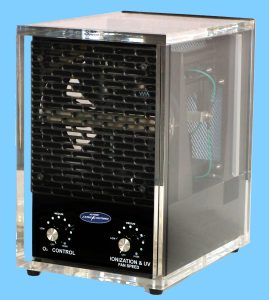
The Alpine Compact Air Purifier offers targeted air purification for smaller rooms.
It is well suited for:
-
bedrooms
-
apartments
-
home offices
-
smaller living spaces
This purifier helps reduce localized pollutants and odors.
5. Mold Growth from Moisture
Although winter air is often dry, condensation from heating systems and temperature differences can create moisture buildup.
Mold may develop in:
-
bathrooms
-
basements
-
window frames
-
poorly ventilated areas
Mold spores can negatively affect indoor air quality.
Solution
Proper ventilation and air purification can help reduce airborne mold particles.
Tips to Improve Indoor Air Quality in Winter
Maintain HVAC Systems
Regular HVAC maintenance helps ensure proper air circulation.
Important steps include:
-
replacing air filters regularly
-
cleaning vents and ducts
-
inspecting heating systems
Clean filters capture more airborne particles.
Use Air Purifiers Consistently
Air purifiers work best when operating continuously.
Continuous purification helps:
-
reduce dust and allergens
-
remove odor particles
-
improve overall indoor air freshness
Keep Indoor Spaces Clean
Regular cleaning helps reduce airborne particles.
Focus on:
-
vacuuming carpets
-
dusting furniture
-
washing bedding
-
cleaning pet areas
Manage Indoor Humidity
Maintaining balanced humidity levels can improve comfort and air quality.
Ideal indoor humidity levels are generally between 30–50%.
Balanced humidity reduces static electricity and airborne dust.
Limit Indoor Pollutants
Try to reduce activities that generate additional pollutants indoors, such as:
-
smoking
-
burning candles frequently
-
using strong chemical cleaners
Reducing pollutant sources helps keep indoor air cleaner.
Benefits of Air Purifiers During Winter
Using air purifiers during colder months can provide several advantages:
✔ Reduced dust and allergens
✔ Improved indoor air freshness
✔ Fewer odors from cooking or pets
✔ Better breathing comfort
These improvements help create a healthier indoor environment when people spend more time inside.
Final Thoughts
Winter can significantly impact indoor air quality due to reduced ventilation, increased heating, and indoor pollutant buildup.
By understanding common winter air quality problems and taking proactive steps—such as maintaining HVAC systems, managing humidity, and using effective air purification—you can create a healthier indoor environment for your home.
Air purification solutions from Alpine Air Purifier can help reduce airborne particles and odors, supporting cleaner indoor air throughout the winter season.
✅ Explore Alpine air purification solutions:
https://alpineairpurifier.com