Introduction: Why Indoor Air Quality Matters for Allergies & Asthma
Allergies and asthma affect millions worldwide — and many of the triggers that worsen these conditions are found indoors. Airborne particles like dust, pollen, pet dander, and mold spores can irritate airways and lead to sneezing, wheezing, and shortness of breath, especially in sensitive individuals. Research and expert guidance show that air purifiers can help reduce these airborne triggers when used correctly.
While air purifiers aren’t medical devices or cures for asthma or allergies, they can play an important role in reducing exposure to airborne irritants that trigger symptoms — especially when paired with other indoor air quality strategies.
How Air Purifiers Help with Allergens & Asthma Triggers
Air purifiers work by removing or neutralizing airborne particles and contaminants that can provoke reactions in allergy and asthma sufferers. Here’s how they help:
1. Reduce Particulate Matter in the Air
Particles like dust, pollen, and dust mite debris are common triggers for allergy and asthma symptoms. Air purifiers — especially those equipped with effective filtration — can remove a large percentage of these particles from the air, lowering the overall allergen load indoors.
2. Trap Animal Dander and Mold Spores
Pet dander and mold spores are also airborne irritants. HEPA-equivalent filtration and ionization can help reduce their concentration, easing symptoms like sneezing, itchy eyes, and tightness in the chest.
3. Lessen Smoke & Fine Irritants
Smaller fine particles — such as smoke from cooking or fireplaces — can exacerbate asthma symptoms. A good air purifier can reduce these particles and help improve breathing comfort.
Note: No air purifier can eliminate every asthma trigger — especially if the source of allergens remains (e.g., pets, carpets, or furniture). Consistent use, size-appropriate placement, and complementary cleaning strategies matter.
How Air Purification Fits Within a Healthy Home Strategy
According to health experts, air purifiers are most effective when used alongside other indoor air quality practices (like regular cleaning, source reduction, and proper ventilation). Simply running a purifier without addressing surface allergen reservoirs or humidity issues may not deliver full relief.
Alpine Air Technologies Products for Allergy & Asthma Support
Below are Alpine Air purifiers that help reduce airborne triggers associated with allergies and asthma. These systems work continuously to improve indoor air quality.
Fresh Air LA-3500 v2.0 — Whole-Room Air Purification
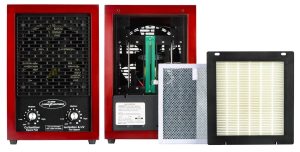
The Fresh Air LA-3500 v2.0 is one of Alpine Air’s most popular purifiers and is suited for large rooms or whole-home coverage. It helps reduce airborne particles like:
-
Dust
-
Pollen
-
Pet dander
-
Fine smoke particles
Continuous operation with this unit can lower overall allergen levels in shared spaces, helping support easier breathing for sensitive individuals.
Best for: Living rooms, open floor plans, large spaces
Alpine Living LA-1500 v2.0 — Everyday Allergy & Asthma Support
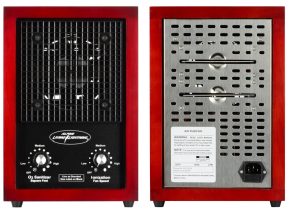
The Alpine Living LA-1500 v2.0 quietly purifies air in everyday spaces like bedrooms or home offices. By reducing irritants like dust and pollen, it helps lower common indoor triggers that can worsen allergy and asthma symptoms.
Best for: Bedrooms, offices, family spaces
Alpine Pass LA-1000 v2.0 — Compact Air Cleaner
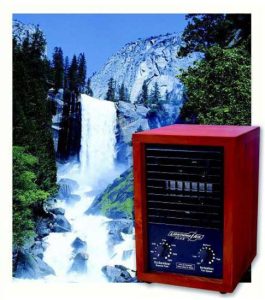
Compact yet powerful, the Alpine Pass LA-1000 v2.0 is ideal for smaller rooms and everyday spaces. It’s a flexible option for targeted air cleaning in areas where allergens and irritants are most noticeable.
Best for: Bedrooms, dens, smaller living areas
Single Room LA-500 v3.0 — Targeted Air Cleaning
The Single Room LA-500 v3.0 focuses on localized air purification — especially useful in bedrooms where many people experience the worst allergy symptoms at night.
Best for: Sleep areas, study rooms
IPC-4000 Industrial Power Air Cleaner — Heavy-Duty Solution
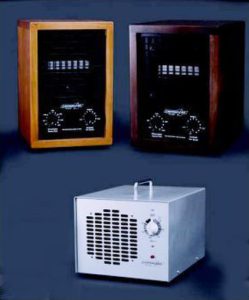
For larger areas, basements, or commercial spaces that need stronger purification, the IPC-4000 offers robust particle and odor reduction while helping reduce common indoor respiratory triggers.
Best for: Large spaces or heavy-use environments
Tips to Maximize Air Purifier Benefits for Allergies & Asthma
✔ Match the purifier size to the room: A unit that’s too small won’t effectively clean air in larger spaces.
✔ Run it continuously: Keeping purifiers on 24/7 ensures allergens and triggers are constantly reduced.
✔ Combine with good cleaning: Vacuuming, dusting, and controlling humidity help reduce particulate sources.
✔ Place near breathing zones: Bedrooms and living rooms are ideal locations for maximum impact.
Understanding Limitations & Setting Expectations
Air purifiers can help lower the concentration of airborne triggers — but they are not a medical cure for allergies or asthma. Allergy and asthma management often involves multiple strategies, including source control, medication, and consulting healthcare providers, with air purification as one valuable component of overall air quality improvement.
Conclusion: Cleaner Air, Easier Breathing
While air purifiers aren’t a standalone cure, scientific evidence shows they can reduce the amount of airborne allergens and particulate matter, helping alleviate symptoms for allergy and asthma sufferers when paired with other healthy indoor practices. From everyday home units like the Alpine Living LA-1500 v2.0 to powerful purifiers like the Fresh Air LA-3500 v2.0, Alpine Air Technologies offers solutions that help support a cleaner indoor environment.
👉 Explore Alpine Air’s full product range to find the right purifier for your allergy and asthma needs:
https://alpineairtechnologies.com/products/