Introduction: Indoor Air Can Be Worse Than You Think
Most people assume that the air inside their home or office is clean — but indoor air is often more polluted than outdoor air due to hidden contaminants from everyday sources like cooking, cleaning products, pet dander, combustion appliances, mold, and volatile organic compounds (VOCs). Many people only realize their indoor air quality (IAQ) is bad when they notice symptoms that go away when they step outside.
Catching these warning signs early — and taking action — can help reduce respiratory irritation, headaches, fatigue, allergy flare-ups, and other symptoms. Below are common indicators of poor IAQ, what causes them, and how to respond with solutions like air purifiers and better ventilation.
Common Signs Your Indoor Air Quality Is Poor
1. Frequent Sinus Irritation, Sneezing & Nasal Congestion
If you or your family are constantly sneezing, experiencing itchy eyes, or have persistent nasal congestion — especially indoors — airborne particulates like dust, pollen, or pet dander may be accumulating in your air.
2. Headaches, Dizziness, or Fatigue Indoors
Headaches and unexplained fatigue that improve when you leave the house can be linked to indoor pollutants like VOCs from cleaning products, paints, or off-gassing from furniture.
3. Worsening Allergy or Asthma Symptoms at Home
Allergies and asthma often get worse with high levels of indoor pollutants like fine dust, mold spores, and animal dander. If symptoms worsen indoors, poor IAQ could be a trigger.
4. Persistent Musty, Stale, or Chemical Odors
A stale “closed room” smell, mustiness (often from mold), or chemical odors from paints and cleaners can signal VOC buildup or microbial growth. Even if odors aren’t strong, persistent smells suggest contaminants.
5. Increased Dust and Visible Particles
If dust seems to settle quickly or surfaces are dusty despite frequent cleaning, tiny airborne particles may be circulating and not being effectively removed.
6. Difficulty Sleeping or Respiratory Discomfort at Night
Many people don’t realize bad indoor air quality can contribute to poor sleep, throat irritation, or coughing at night — symptoms that often go away when sleeping somewhere else or with open windows.
Why Poor Indoor Air Happens
Indoor air pollution can come from many sources:
✔ Cleaning products, paints, and solvents releasing VOCs
✔ Cooking smoke and combustion by-products
✔ Pet dander, dust mites, pollen, and fine dust
✔ Mold and mildew spores due to moisture
✔ Poor ventilation that traps pollutants inside
Experts like the EPA emphasize three main strategies to improve IAQ: source control, improved ventilation, and air filtration.
How to Test & Confirm Your IAQ Is Bad
-
Use an air quality monitor to measure particulate matter and VOCs.
-
Notice symptom patterns — do they improve when you’re outdoors?
-
Check ventilation and humidity levels — excess humidity can fuel mold.
-
Look for dust buildup on vents, fans, and surfaces.
Testing gives you data, but many people start with symptoms plus noticeable odors and dust levels as practical early flags.
Solutions: Practical Steps to Improve Indoor Air Quality
🪟 1. Increase Ventilation
Briefly opening windows (when outdoor air quality is good) can help flush out stale air and dilute indoor pollutants — a practice known as lüften (German airborne “air out”) that experts recommend for healthier indoor environments.
🧼 2. Control Sources of Pollution
-
Use natural, low-VOC cleaners
-
Avoid indoor smoking
-
Ventilate while cooking
These reduce the creation of new airborne irritants.
💨 3. Use Air Purifiers to Supplement IAQ
Air purifiers are an effective complement to ventilation and source control — especially when particles, allergens, smoke, and VOCs are contributing to symptoms. Portable purifiers can help continuously clean the air in occupied spaces.
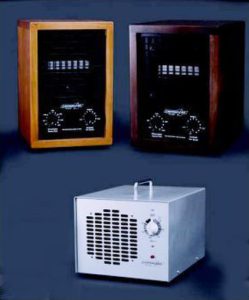
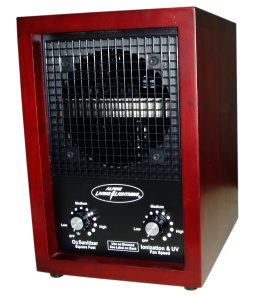
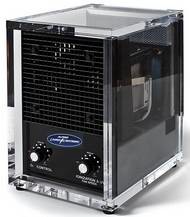
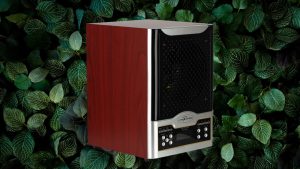
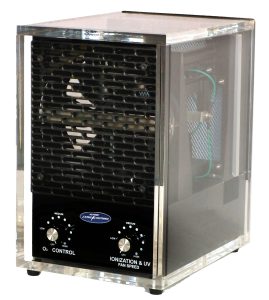
Below are Alpine Air Technologies purifiers that help reduce common airborne contaminants associated with poor IAQ and the symptoms above:
Alpine Air Purifiers That Help Improve Indoor Air Quality
Clean-Air Solution for Smaller Spaces
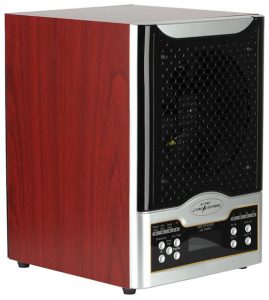
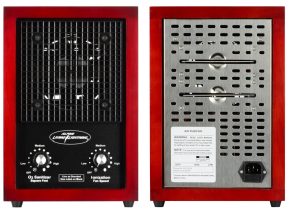
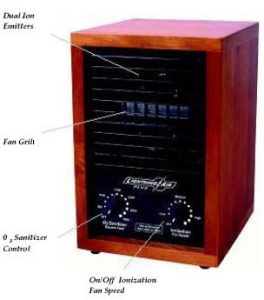
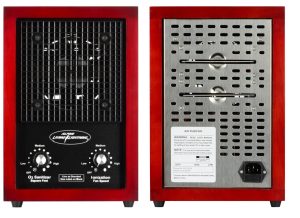
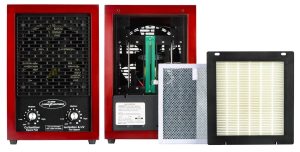
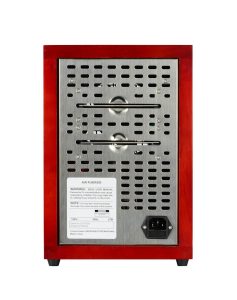
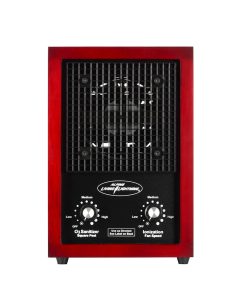
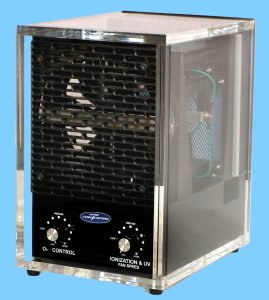
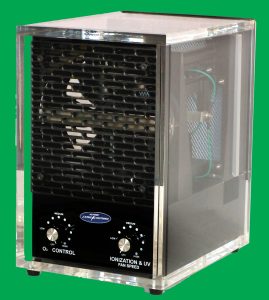
Alpine Single Room LA-500 v3.0 — Great for bedrooms, offices, or smaller indoor spaces. This unit reduces smoke, odors, dust, pollen, pet dander, VOCs, and biological pollutants like mold and bacteria — helping alleviate symptoms like congestion, headaches, and irritation linked to poor IAQ.
Mid-Range Coverage for Everyday Living Spaces
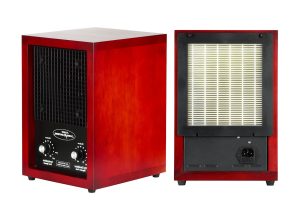
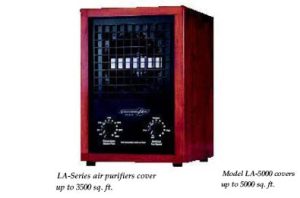
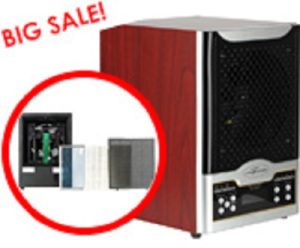
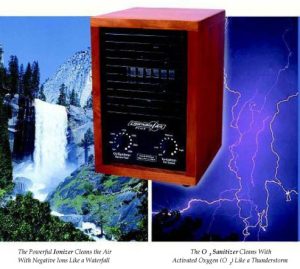
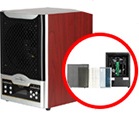
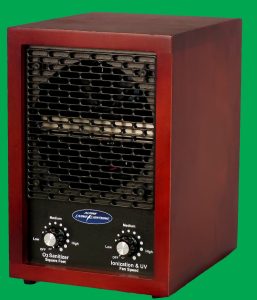
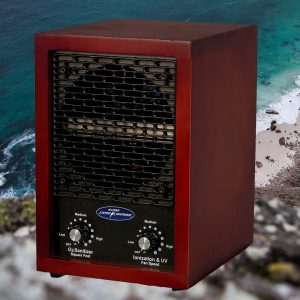
NA Flare LA-2700 v2.0 — Suitable for larger rooms like living areas or open-plan offices (up to ~2,700 sq.ft). Its Living Lightning™ technology helps eliminate smoke, odors, chemical gases, dust, pet dander, and pollen — all common contributors to indoor air irritation and allergy symptoms.
Whole-Home & Extensive Indoor Air Treatment
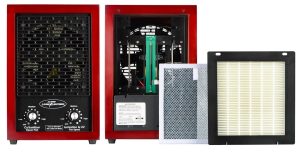
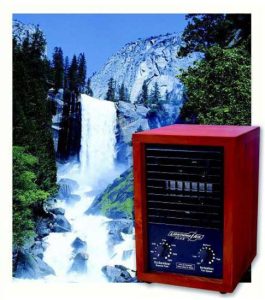
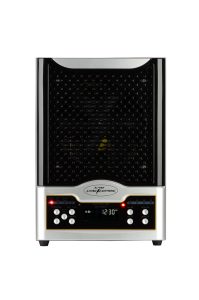
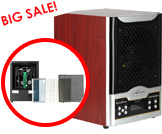
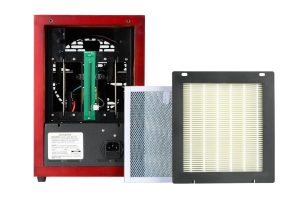
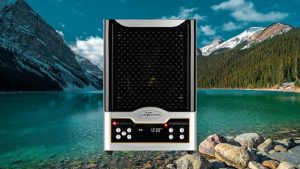
RainFresh Breeze LA-3000 v2.0 — Powerful purification for homes and offices up to ~3,000 sq.ft. Helps reduce widespread indoor pollutants, including smoke and odors, and supports healthier air for anyone sensitive to airborne irritants.
Heavy-Duty Commercial-Grade Air Quality Solution
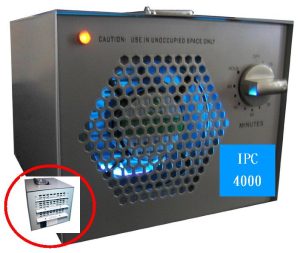
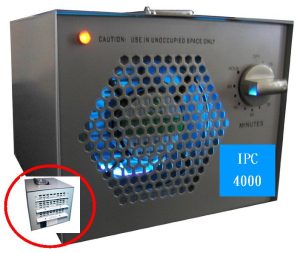
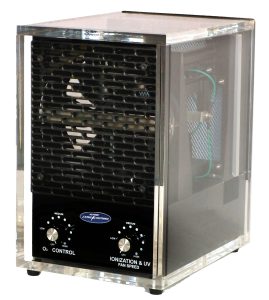
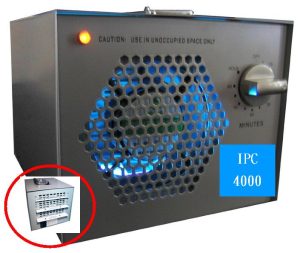
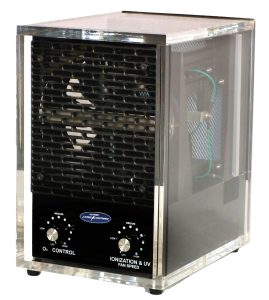
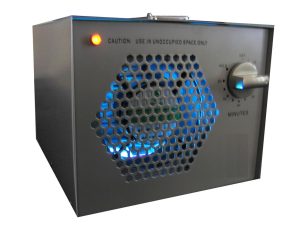
IPC-4000 Industrial Power Air Cleaner — Designed for environments with significant indoor air challenges, such as garages, workshops, or buildings with ongoing mold, chemical, or odor issues. Its robust purification helps sanitize and improve air quality where simple measures fall short.
Tips to Maximize Your Air Purifier’s Effectiveness
✔ Place purifiers where people spend most time (bedrooms, living rooms).
✔ Run units continuously, especially during allergy seasons or when symptoms appear.
✔ Combine with better ventilation and cleaning — purifiers work best alongside source control and airflow.
Conclusion: Don’t Ignore the Signs of Bad Indoor Air
Poor indoor air quality doesn’t always announce itself loudly — but symptoms like persistent congestion, headaches, fatigue, odors, or allergy flare-ups at home are clear signs something is off. By recognizing these early, optimizing ventilation, controlling pollutant sources, and using air purifiers like the Alpine Single Room LA-500 v3.0, NA Flare LA-2700 v2.0, or RainFresh Breeze LA-3000 v2.0, you can significantly improve the air you breathe — and how you feel every day.
👉 Explore all Alpine Air purifiers to find the right solution for your space:
https://alpineairtechnologies.com/products/