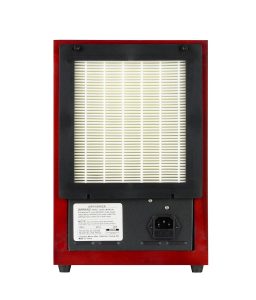
Introduction — Why There’s So Much Confusion About Ozone
Ozone has long been controversial in the context of indoor air purification. Some worry it’s harmful; others claim it’s beneficial for cleaning air. The truth is more nuanced: ozone can be useful in controlled, low concentrations — especially when deployed safely to reduce odor molecules and certain airborne contaminants.
In this blog we’ll explain:
-
What ozone actually is
-
Myths vs facts about ozone in air purifiers
-
Safety concerns and regulatory guidance
-
How Alpine Air Technologies uses controlled ozone safely
-
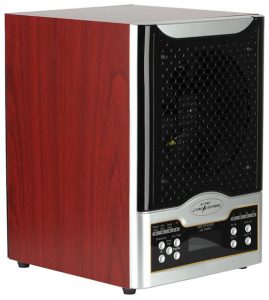
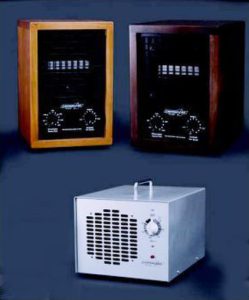
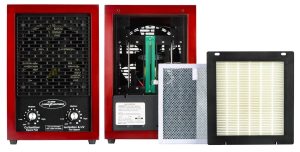
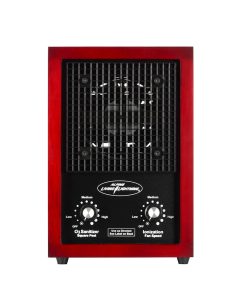
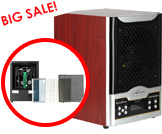
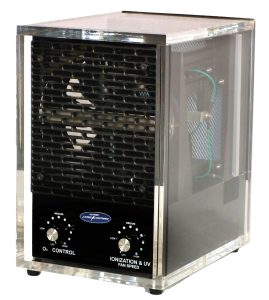
Product examples from Alpine with images
What Is Ozone? A Technical but Accessible Explanation
Ozone (O₃) is a molecule made of three oxygen atoms instead of the usual two (O₂).
-
Good ozone occurs naturally high in the atmosphere, protecting Earth from UV rays.
-
Ozone at ground level can be a pollutant in large concentrations.
At low, controlled levels, ozone can react with and neutralize certain odor and chemical molecules in the air — which is why some air purification technologies use small, safe quantities to help improve indoor air quality.
Fact vs. Myth: Common Ozone Misconceptions
❌ Myth 1: All ozone in air purifiers is dangerous
Fact: The level of ozone matters. At high concentrations, ozone can irritate lungs and airways. But at controlled low levels, ozone is used safely in certain purification technologies (including Alpine Air’s), similar to how nature uses ozone after lightning strikes.
Regulatory bodies like the U.S. Environmental Protection Agency (EPA) highlight that excessive ozone can be harmful — but also note that small, safe amounts of ozone can be part of effective indoor air cleaning strategies when properly engineered. (EPA guidance on ozone and indoor air quality)
❌ Myth 2: Ozone does not help with odors or chemicals
Fact: Ozone reacts chemically with many odor molecules and volatile organic compounds (VOCs), helping neutralize smells that standard filtration can’t easily catch. That’s why controlled ozone can play a role in improving perceived indoor air freshness.
❌ Myth 3: Any ionizer producing ozone is unsafe
Fact: Not all ionizers produce harmful ozone. The key is controlled, engineered ozone generation within safe thresholds, backed by design and testing — which Alpine Air Technologies incorporates into some of its purification systems (below).
How Alpine Air Technologies Uses Controlled Ozone Safely
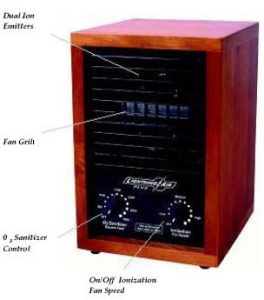
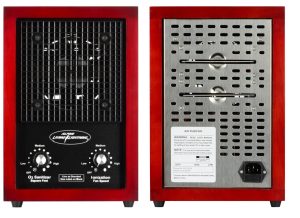
Alpine Air purifiers use Living Lightning™ technology, which combines negative ionization with controlled ozone output at levels designed to remain safe for indoor environments while helping enhance purification.
🔬 Controlled, Low Levels
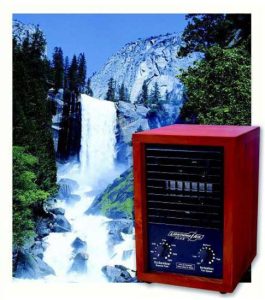
Alpine products are engineered to emit ozone at very low, safe concentrations — far lower than levels known to cause irritation. This is not the high industrial ozone used in sanitization chambers or ozone generators intended for unoccupied spaces. Instead, it’s a controlled output similar to ambient ozone created by natural processes (e.g., lightning, waterfalls).
✔ Addresses Odors & Chemical Molecules
Low-level ozone in these products helps oxidize and neutralize strong odors, smoke residues, and certain chemical compounds indoors — which might remain even after particle filtration.
Alpine Air Products With Controlled Ozone Technology
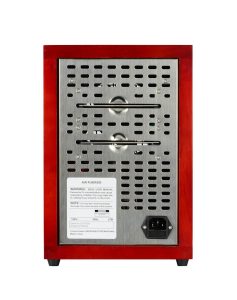
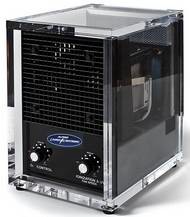
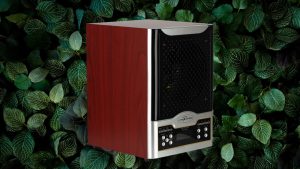
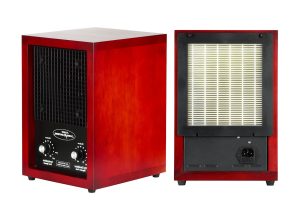
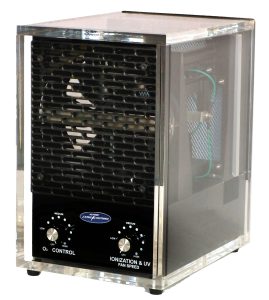
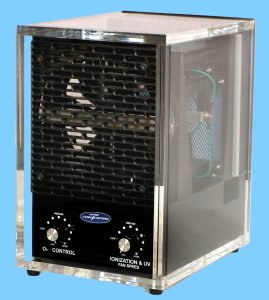
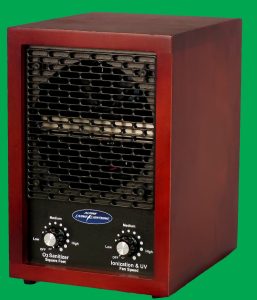
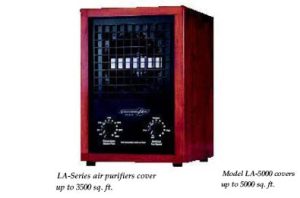
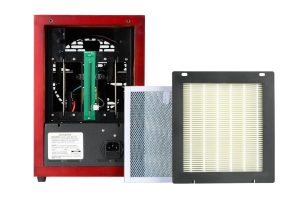
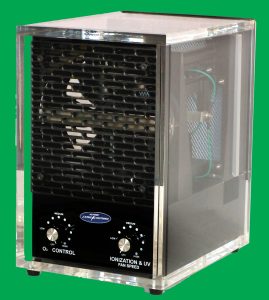
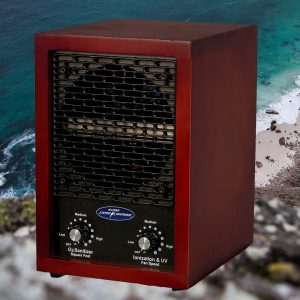
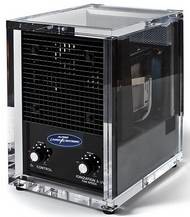
Below are Alpine Air purifiers that use controlled ozone (along with other purification mechanisms) to improve indoor air quality:
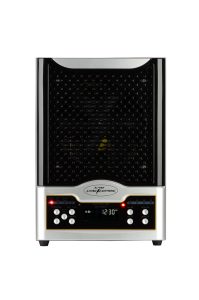
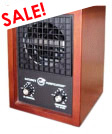
🌀 Fresh Air LA-3500 v2.0
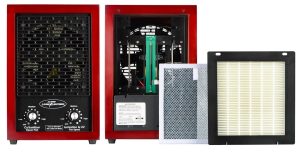
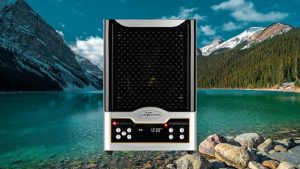
The Fresh Air LA-3500 v2.0 is designed for large spaces and combines negative ions and controlled ozone to reduce airborne particles, odors, and volatile chemicals. Its balanced design makes it suitable for family rooms and open living areas.
✔ Reduces dust, odors, smoke
✔ Controlled ozone for odor neutralization
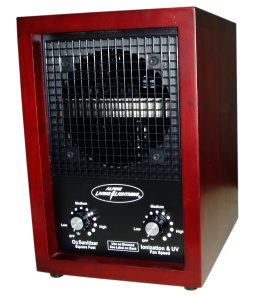
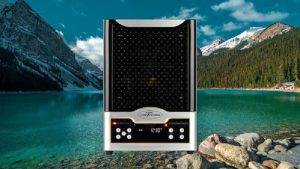
🌬 Alpine Living LA-1500 v2.0
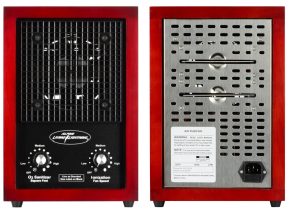
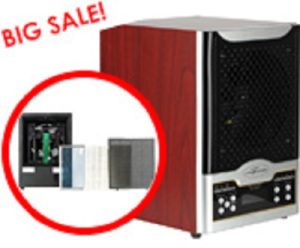
This model provides everyday purification in bedrooms, offices, or shared spaces. The controlled ozone output helps improve air freshness, while negative ions and electric fields assist particle removal.
✔ Everyday indoor air improvement
✔ Helps manage odors and small pollutants
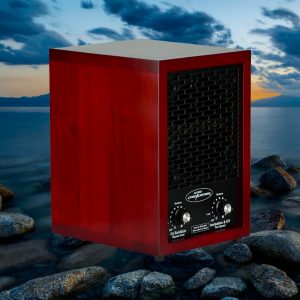
🏠 Alpine Pass LA-1000 v2.0
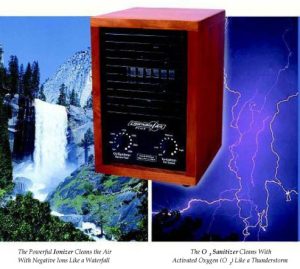
The LA-1000 v2.0 is compact and efficient, suitable for dens, apartments, or secondary rooms. Its technology includes a controlled ozone component to help address odor molecules and airborne contaminants beyond just dust and dander.
✔ Great for smaller spaces
✔ Gentle ozone enhancement for odor control
🧼 Single Room LA-500 v3.0
Perfect for smaller, personal rooms, the LA-500 v3.0 uses controlled ozone along with ionization to help improve breathing comfort by reducing fine particles and odor triggers that standard filters might miss.
✔ Ideal for personal or sleep spaces
✔ Controlled ozone with ionization
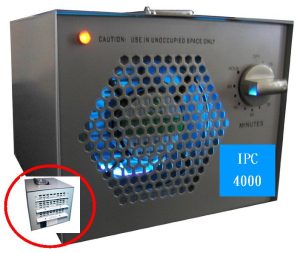
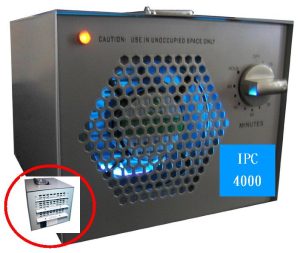
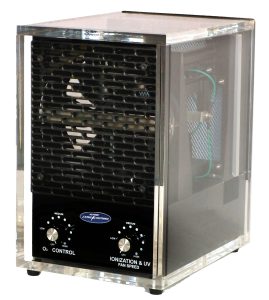
🏢 IPC-4000 Industrial Power Air Cleaner
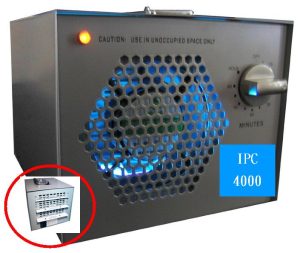
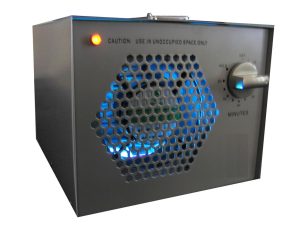
For heavier or larger indoor environments, the IPC-4000 combines powerful purification with controlled ozone output that supports odor and chemical control without exceeding safe indoor levels. Best for workshops, basements, or larger open spaces.
✔ Heavy-duty cleaning
✔ Controlled ozone for tough odors
Safety Guidelines & Best Practices
To ensure ozone use is safe and beneficial:
📌 1. Follow Manufacturer Guidance
Only use devices with ozone output engineered for controlled, low output, like Alpine Air products. Avoid unregulated ozone generators that produce high ozone levels without safety controls.
📌 2. Monitor Sensitive Individuals
Some people with respiratory conditions may be more sensitive to any changes in air composition — always monitor comfort and adjust use if needed.
📌 3. Use as Part of a Comprehensive Strategy
Ozone is just one tool. Pair it with:
-
regular ventilation (when outdoor air quality permits)
-
cleaning and dust control
-
humidity management
-
HEPA-based filtration if particulate capture is critical
Together, they create a healthier indoor air ecosystem.
Conclusion: Separating Fact From Fiction
There’s a lot of confusion about ozone in air purifiers — but understanding the levels and context makes the difference:
✔ Myth: All ozone in air purifiers is unsafe
➡ Fact: Controlled, low ozone can safely help reduce odors and some pollutants.
✔ Myth: Ozone alone “sanitizes” the air
➡ Fact: Ozone is just one component; it works best with other purification methods like negative ions and electric fields.
✔ Myth: Ozone is the same in every purifier
➡ Fact: Output levels and design safety determine whether ozone is helpful or harmful.
Alpine Air Technologies uses controlled ozone levels as part of its Living Lightning™ approach — helping address odors and certain gas-phase contaminants while maintaining safety. When combined with other good indoor air practices, this technology can make your home air cleaner, fresher, and more comfortable.
👉 Explore Alpine Air purifiers that use controlled ozone and other advanced purification methods:
https://alpineairtechnologies.com/products/