Tag Archives: IPC-4000

How to Eliminate Odors in Your Home Without Chemicals

Unpleasant odors can make even the cleanest home feel uncomfortable. From cooking smells and pet odors to smoke and musty air, household odors can linger and spread throughout your space.

Many people turn to sprays or scented products to mask these smells—but these often introduce additional chemicals into the air rather than solving the problem.

The good news is that you can eliminate odors naturally using smarter strategies and modern air purification technology. In this guide, we’ll show you how to remove odors in your home without chemicals and maintain a fresher indoor environment.


Why Household Odors Occur

Odors are caused by microscopic particles and gases released into the air.

Common sources include:

  • cooking fumes
  • pet dander and oils
  • smoke
  • garbage or food waste
  • mold and mildew
  • cleaning products

These odor-causing particles can remain suspended in the air and settle on surfaces.


Why Avoid Chemical Air Fresheners?

While sprays and scented products may temporarily mask odors, they often come with drawbacks.

Temporary Results

They cover smells rather than eliminating them.


Added Indoor Pollution

Some products release volatile organic compounds (VOCs) into the air.

According to the U.S. Environmental Protection Agency, VOCs can affect indoor air quality and contribute to irritation in enclosed environments.


Overpowering Fragrances

Artificial scents can be too strong and uncomfortable for some people.


Natural Ways to Eliminate Odors in Your Home

1. Improve Ventilation

Fresh air is one of the simplest ways to remove odors.

  • Open windows when outdoor air quality is good
  • Use exhaust fans in kitchens and bathrooms
  • Allow airflow between rooms

Ventilation helps remove odor particles rather than masking them.


2. Keep Your Home Clean

Odors often come from buildup on surfaces.

Focus on:

  • carpets and rugs
  • upholstery
  • kitchen surfaces
  • trash areas

Regular cleaning removes the source of many odors.


3. Use Natural Odor Absorbers

Certain household items can absorb odors naturally:

  • baking soda
  • activated charcoal
  • white vinegar

These can help neutralize odors without introducing chemicals.


4. Address the Source of Odors

Instead of masking smells, eliminate the source.

Examples:

  • clean pet bedding regularly
  • take out trash frequently
  • wipe down cooking surfaces
  • fix moisture issues

Removing the source prevents odors from returning.


Air Purifiers: A Chemical-Free Odor Solution

Air purifiers offer one of the most effective ways to reduce odors naturally.

They work by targeting airborne particles and odor-causing molecules.

Benefits include:

✔ no added fragrances
✔ continuous odor control
✔ improved indoor air quality
✔ reduction of airborne pollutants


Living Air Classic – Natural Odor Control Solution
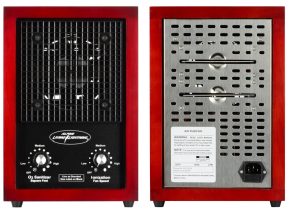
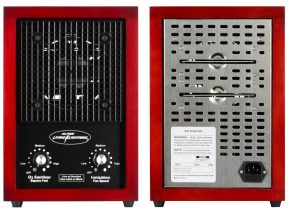
The Living Air Classic is a filter less air purifier designed to help reduce odors and improve indoor air quality.

Key features include:

  • no disposable filters required
  • helps neutralize odor-causing particles
  • assists with reducing airborne pollutants
  • compact design for easy placement

This system uses advanced purification technology to help maintain fresher indoor air without chemical sprays.


How Filter less Air Purifiers Help Eliminate Odors

Modern filter less air purifiers use advanced technologies to address odors at the source.

Ionization

Helps attach to airborne particles, making them easier to remove from the air.


Activated Oxygen

Works to neutralize odor-causing molecules instead of masking them.


Continuous Air Treatment

Treats indoor air continuously, helping prevent odors from building up.


Best Places to Use Air Purifiers for Odor Control

To maximize effectiveness, place air purifiers in areas where odors are most common.

Kitchen

Reduce cooking smells and food odors.


Living Room

Improve overall air freshness in shared spaces.


Bedrooms

Eliminate lingering odors and improve comfort.


Bathrooms

Control moisture-related odors.


Pet Areas

Reduce odors caused by pets and pet bedding.


Additional Tips for Keeping Your Home Fresh

Wash Fabrics Regularly

Curtains, carpets, and upholstery can trap odors.


Control Humidity

Excess moisture can lead to musty smells and mold growth.


Avoid Indoor Smoke

Smoking indoors introduces strong, persistent odors.


Keep Air Circulating

Use fans or airflow to prevent stale air buildup.

Organizations such as the World Health Organization emphasize reducing indoor pollutants to maintain healthier air quality.


Benefits of Chemical-Free Odor Removal

Choosing natural odor removal methods provides several advantages:

✔ safer indoor environment
✔ no harsh chemicals
✔ long-lasting results
✔ improved air quality

These benefits make natural solutions a better choice for maintaining a healthy home.


Final Thoughts

Eliminating odors in your home doesn’t require harsh chemicals or artificial fragrances. By addressing the source of odors, improving ventilation, and using natural solutions, you can maintain a fresher indoor environment.

Air purifiers—especially filter less models—offer an effective way to reduce odor-causing particles and improve indoor air quality without introducing additional chemicals.

With the right approach, you can enjoy a cleaner, fresher home that feels comfortable every day.


Explore natural air purification solutions:
https://thelivingairpurifier.com
Plug-In Air Purifiers vs Traditional Units: Which Is Better?

Plug-In Air Purifiers vs Traditional Units: Which Is Better?

When choosing an air purifier, many people are faced with an important decision:
Should you choose a compact plug-in air purifier or a traditional full-size unit?

Both options are designed to improve indoor air quality, but they differ significantly in size, technology, maintenance, and performance.

In this guide, we’ll compare plug-in air purifiers vs traditional units to help you determine which option is best for your needs.


What Is a Plug-In Air Purifier?

A plug-in air purifier is a compact device that plugs directly into a wall outlet.

These purifiers are typically:

  • small and space-saving
  • lightweight and portable
  • designed for localized air purification
  • often filter less

They are commonly used in:

  • bedrooms
  • bathrooms
  • hallways
  • small offices

What Is a Traditional Air Purifier?

Traditional air purifiers are larger standalone units designed to clean the air in entire rooms.

They typically:

  • use HEPA or multi-stage filtration systems
  • cover larger areas
  • require filter replacements
  • provide higher airflow capacity

These units are often used in:

  • living rooms
  • large bedrooms
  • offices
  • open spaces

Key Differences: Plug-In vs Traditional Air Purifiers

1. Size and Portability

Plug-In Air Purifiers

  • ultra-compact
  • plug directly into outlets
  • easy to move between rooms

Traditional Units

  • larger and heavier
  • require floor or tabletop space
  • less portable

👉 Best choice: Plug-in purifiers for convenience and small spaces.


2. Coverage Area

Plug-In Air Purifiers

  • ideal for small, localized areas
  • effective in tight spaces

Traditional Units

  • designed for medium to large rooms
  • better for whole-room air circulation

👉 Best choice: Traditional units for larger spaces.


3. Maintenance Requirements

Plug-In Air Purifiers

  • often filter less
  • minimal maintenance
  • no filter replacement costs

Traditional Units

  • require regular filter changes
  • ongoing maintenance costs

👉 Best choice: Plug-in purifiers for low maintenance.


Example Plug-In Air Purifier

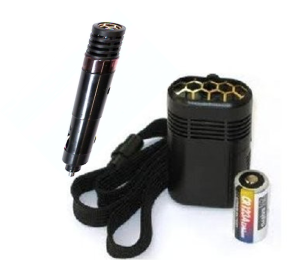
Living Air Plug-In Purifier

The Living Air Plug-In Purifier is a compact, filter less solution designed for small spaces.

Key benefits include:

  • plugs directly into wall outlets
  • no filters to replace
  • helps reduce odors and airborne particles
  • ideal for bathrooms, bedrooms, and hallways

Its small size makes it convenient for targeted air purification.


4. Air Cleaning Technology

Plug-In Purifiers

  • often use ionization or activated oxygen
  • treat air continuously

Traditional Units

  • use HEPA filters to trap particles
  • rely on airflow through filters

👉 Best choice: Depends on preference—filter less convenience vs traditional filtration.


5. Noise Levels

Plug-In Air Purifiers

  • typically very quiet
  • ideal for bedrooms and nighttime use

Traditional Units

  • may produce more noise due to fans

👉 Best choice: Plug-in purifiers for quiet environments.


6. Cost Considerations

Plug-In Air Purifiers

  • lower upfront cost
  • no recurring filter expenses

Traditional Units

  • higher upfront cost
  • ongoing filter replacement costs

👉 Best choice: Plug-in purifiers for budget-friendly use.


Example Traditional-Style Air Purifier Alternative

Living Air Classic – Compact Room Solution

(Insert product image here)

The Living Air Classic offers a balance between portability and room coverage.

Key features include:

  • compact yet powerful design
  • filter less technology
  • helps reduce airborne particles and odors
  • suitable for bedrooms and small living areas

It provides broader coverage than plug-in units while maintaining low maintenance.


Pros and Cons Summary

Plug-In Air Purifiers

Pros

✔ compact and space-saving
✔ low maintenance
✔ quiet operation
✔ energy efficient

Cons

✖ limited coverage area
✖ less powerful for large rooms


Traditional Air Purifiers

Pros

✔ larger coverage area
✔ strong airflow and filtration
✔ effective for whole-room purification

Cons

✖ require filter replacements
✖ bulkier design
✖ higher maintenance costs


Which Air Purifier Is Better?

The answer depends on your specific needs.

Choose a Plug-In Air Purifier If:

  • you need a compact solution
  • you want low maintenance
  • you are targeting small spaces
  • you prefer quiet operation

Choose a Traditional Unit If:

  • you need to purify a large room
  • you want higher airflow capacity
  • you prefer filter-based filtration

Can You Use Both Together?

Yes—many people use both types for maximum effectiveness.

For example:

  • plug-in purifiers for small areas (bathrooms, hallways)
  • larger units for main living spaces

This combination helps improve air quality throughout the entire home.


Additional Tips for Improving Indoor Air Quality

Even with air purifiers, additional steps can enhance results.

Keep Spaces Clean

Regular cleaning reduces dust and airborne particles.


Improve Ventilation

Open windows when outdoor air quality is good.


Reduce Indoor Pollutants

Limit smoke, strong chemicals, and other pollutants.

Organizations such as the World Health Organization recommend reducing indoor pollution sources to improve air quality.


Benefits of Cleaner Indoor Air

Improving indoor air quality can lead to:

✔ fewer allergens
✔ reduced odors
✔ improved comfort
✔ healthier indoor environment

Cleaner air enhances both comfort and well-being.


Final Thoughts

Both plug-in air purifiers and traditional units have their advantages. Plug-in purifiers offer convenience, low maintenance, and quiet operation, while traditional units provide broader coverage and higher airflow.

Choosing the right option depends on your space, lifestyle, and air quality needs. In many cases, combining both types can deliver the best results.

Filter less solutions from The Living Air Purifier provide a modern, low-maintenance approach to improving indoor air quality in both small and larger spaces.


Explore air purification solutions:
https://thelivingairpurifier.com
Best Air Purifier for Bedrooms: Sleep Better with Clean Air

Best Air Purifier for Bedrooms: Sleep Better with Clean Air

Your bedroom is where your body rests, recovers, and recharges. However, if the air you breathe while sleeping is filled with dust, allergens, or odors, it can negatively affect your sleep quality.

Many people don’t realize that indoor air quality plays a major role in how well you sleep. Poor air conditions can lead to congestion, irritation, and discomfort throughout the night.

Using an air purifier in your bedroom can help create a cleaner and more comfortable environment—allowing you to sleep better and wake up refreshed.


Why Indoor Air Quality Matters for Sleep

During sleep, your body relies on clean air for proper breathing and recovery.

Poor indoor air quality may contribute to:

  • nasal congestion
  • coughing or throat irritation
  • allergy symptoms
  • restless sleep
  • difficulty breathing

According to the U.S. Environmental Protection Agency, indoor air can contain higher levels of pollutants than outdoor air, especially in enclosed spaces like bedrooms.

Improving air quality can support better breathing and overall sleep comfort.


Common Bedroom Air Pollutants

Even clean-looking bedrooms can contain hidden airborne contaminants.

Dust and Dust Mites

Dust accumulates in bedding, carpets, and furniture.


Pet Dander

Pets can introduce allergens that remain in the air and on surfaces.


Odors

Lingering smells from laundry, pets, or indoor activities can affect air freshness.


Pollen

Pollen can enter through windows or attach to clothing.


Poor Ventilation

Closed windows and limited airflow can trap pollutants indoors.


How Air Purifiers Improve Sleep

Air purifiers help create a healthier sleeping environment by reducing airborne pollutants.

Cleaner Air for Breathing

Reducing airborne particles helps improve breathing comfort during sleep.


Fewer Allergens

Air purifiers can help reduce allergens that cause nighttime irritation.


Odor Reduction

Cleaner air eliminates unpleasant smells that may disrupt sleep.


Better Air Circulation

Some purifiers help keep air moving, preventing it from becoming stale.


Example Bedroom Air Purifier

Living Air Classic – Ideal for Bedroom Use

The Living Air Classic is a compact, filter less air purifier designed for bedrooms and small spaces.

Key features include:

  • quiet operation for nighttime use
  • no disposable filters required
  • helps reduce airborne particles
  • assists with odor control

Its compact design makes it easy to place near beds, nightstands, or corners of the room.


Features to Look for in a Bedroom Air Purifier

Choosing the right air purifier for your bedroom is essential for comfort and effectiveness.

1. Quiet Operation

Look for a purifier designed to operate quietly so it doesn’t disturb your sleep.


2. Compact Size

Bedroom purifiers should fit comfortably without taking up too much space.


3. Low Maintenance

Filter less air purifiers reduce the need for frequent maintenance.


4. Continuous Operation

Running the purifier overnight ensures consistent air quality.


5. Effective Air Cleaning Technology

Choose a system that helps reduce particles, odors, and airborne pollutants.


Why Filter less Air Purifiers Are Ideal for Bedrooms

Filter less air purifiers offer several advantages for bedroom use.

No Filter Replacements

No need to worry about replacing filters regularly.


Quiet and Efficient

Many filter less systems are designed for quiet, continuous operation.


Consistent Performance

Without clogged filters, performance remains stable over time.


Eco-Friendly

No disposable filters means less waste.


Tips for Using an Air Purifier in Your Bedroom

To maximize effectiveness:

✔ Place the purifier near your bed or in an open area
✔ Keep doors and windows closed during operation
✔ Run the purifier throughout the night
✔ Clean the unit periodically

Proper placement and usage help ensure better results.


Additional Ways to Improve Bedroom Air Quality

Air purifiers work best when combined with good habits.

Wash Bedding Regularly

Bedding can collect dust and allergens.


Vacuum and Dust Frequently

Cleaning helps reduce airborne particles.


Keep Pets Off the Bed

This reduces exposure to pet dander while sleeping.


Improve Ventilation

Open windows when outdoor air quality is good.

Organizations like the World Health Organization recommend reducing indoor pollutants to improve air quality.


Benefits of Cleaner Bedroom Air

Using an air purifier in your bedroom can lead to:

✔ better sleep quality
✔ improved breathing comfort
✔ fewer allergy symptoms
✔ fresher indoor air

Cleaner air helps create a more relaxing and restful sleeping environment.


Final Thoughts

Your bedroom should be a place of comfort and relaxation. Poor indoor air quality can interfere with sleep and overall well-being, but improving the air you breathe can make a noticeable difference.

Air purifiers—especially compact, filter less models—offer a convenient and effective way to reduce airborne pollutants and improve indoor air quality in your bedroom.

With cleaner air, you can enjoy deeper, more restful sleep and wake up feeling refreshed each day.


Explore bedroom air purification solutions:
https://thelivingairpurifier.com
Do Portable Air Purifiers Really Work? (What You Need to Know)

Do Portable Air Purifiers Really Work? (What You Need to Know)

Portable air purifiers have become increasingly popular for improving indoor air quality in bedrooms, apartments, and offices. But many people still ask an important question:

Do portable air purifiers actually work?

The short answer is yes—but their effectiveness depends on the type of purifier, room size, and how they are used.

In this guide, we’ll break down how portable air purifiers work, what they can (and can’t) do, and how to choose the right one for your space.


What Is a Portable Air Purifier?

A portable air purifier is a compact device designed to clean the air in a specific area rather than an entire home.

These units are typically:

  • lightweight and easy to move

  • designed for small to medium spaces

  • energy-efficient

  • simple to operate

They are commonly used in:

  • bedrooms

  • home offices

  • apartments

  • dorm rooms


Do Portable Air Purifiers Really Work?

Yes—portable air purifiers can effectively improve indoor air quality when used correctly.

According to the U.S. Environmental Protection Agency, air purifiers can help reduce airborne particles such as dust, pollen, and smoke in indoor environments.

However, their performance depends on several factors:

  • room size

  • purifier technology

  • placement

  • continuous usage


What Portable Air Purifiers Can Do

1. Reduce Airborne Particles

Portable air purifiers can help reduce:

  • dust

  • pollen

  • pet dander

  • smoke particles

These pollutants are commonly found in indoor environments and can affect comfort.


2. Help Control Odors

Many air purifiers can reduce odors from:

  • cooking

  • pets

  • smoke

  • chemicals

This helps improve overall indoor freshness.


3. Improve Air Circulation

Some purifiers help move and circulate air, preventing it from becoming stale.


4. Support Cleaner Indoor Environments

While they don’t eliminate all pollutants, they can significantly reduce airborne contaminants when used consistently.


What Portable Air Purifiers Cannot Do

It’s important to understand their limitations.

They do not remove all pollutants instantly
They cannot clean surfaces (only air)
They are less effective in very large spaces
They do not replace ventilation or cleaning

Air purifiers work best as part of a broader indoor air quality strategy.


Example Portable Air Purifier

Living Air Classic – Portable Filter less Air Purifier

The Living Air Classic is a compact, filter less air purifier designed for small spaces.

Key features include:

  • no disposable filters required

  • helps reduce airborne particles

  • assists with odor control

  • compact and portable design

Its filter less technology makes it a convenient option for everyday indoor air purification.


How Portable Air Purifiers Work

Portable air purifiers use different technologies to clean the air.


Filter-Based Systems

These purifiers use filters to capture airborne particles.


Filter less Systems (Modern Approach)

Filter less air purifiers use advanced technologies such as:

Ionization

Releases negatively charged ions that attach to airborne particles, causing them to settle out of the air.


Activated Oxygen

Helps neutralize odor-causing molecules and airborne pollutants.


Continuous Air Treatment

Treats the surrounding air continuously rather than relying only on airflow through a filter.


Factors That Affect Effectiveness

Room Size

A purifier designed for small spaces may not work effectively in larger rooms.


Placement

Place the purifier in an open area where airflow is not blocked.


Usage Time

Air purifiers should run continuously for best results.


Maintenance

Even filter less systems require occasional cleaning to maintain performance.


Where Portable Air Purifiers Work Best

Portable air purifiers are most effective in:

Bedrooms

Help reduce allergens and improve air quality during sleep.


Offices

Create a cleaner and more comfortable workspace.


Apartments

Improve air quality in compact living spaces.


Dorm Rooms

Provide cleaner air in shared or small environments.


Tips to Maximize Performance

Place the unit in high-use areas
Keep doors and windows closed during operation
Run the purifier continuously
Clean the unit regularly

Following these tips can improve overall effectiveness.


Additional Ways to Improve Indoor Air Quality

While air purifiers help, combining them with other habits can improve results.

Clean Regularly

Reduce dust and debris buildup.


Improve Ventilation

Allow fresh air in when outdoor conditions permit.


Reduce Pollutant Sources

Limit smoke, strong chemicals, and indoor pollutants.

Organizations such as the World Health Organization recommend reducing indoor pollution sources to improve air quality.


Benefits of Portable Air Purifiers

Using a portable air purifier can provide:

reduced airborne particles
fewer odors
improved indoor comfort
cleaner air in small spaces

These benefits make them a practical solution for everyday use.


Final Verdict: Do Portable Air Purifiers Work?

Yes—portable air purifiers do work, especially when used in the right environment and under the right conditions.

They are most effective for:

  • small to medium spaces

  • continuous air purification

  • reducing airborne particles and odors

While they are not a complete solution on their own, they are an important tool for improving indoor air quality.


Final Thoughts

Portable air purifiers offer a convenient and effective way to improve indoor air quality in small spaces. With modern filter less technology, they provide low-maintenance and efficient air purification for everyday use.

By understanding how they work and using them correctly, you can enjoy cleaner, fresher indoor air in your home or office.


Explore portable air purification solutions:
https://thelivingairpurifier.com

The Ultimate Guide to Portable Air Purifiers for Small Spaces

The Ultimate Guide to Portable Air Purifiers for Small Spaces

Indoor air quality is essential—especially in small spaces where air circulation is limited. Whether you live in an apartment, dorm room, or work in a small office, airborne pollutants can quickly accumulate and affect your comfort.

Portable air purifiers offer a convenient and effective solution for improving indoor air quality in compact environments. With modern filter less technology, these units are becoming increasingly popular due to their low maintenance and space-saving design.

In this guide, we’ll explore everything you need to know about portable air purifiers for small spaces, including how they work, their benefits, and how to choose the right one.


Why Small Spaces Need Air Purifiers

Smaller areas often experience faster buildup of indoor pollutants because there is less air volume to dilute contaminants.

Common sources of indoor pollution in small spaces include:

  • dust and dust mites

  • pet dander

  • cooking odors

  • cleaning chemicals

  • smoke particles

  • poor ventilation

Because windows are not always open and airflow may be limited, pollutants remain trapped indoors.

According to the U.S. Environmental Protection Agency, indoor air pollution can be significantly higher than outdoor air in enclosed environments.


What Is a Portable Air Purifier?

A portable air purifier is a compact device designed to clean indoor air in smaller areas.

These units are typically:

  • lightweight

  • easy to move

  • energy-efficient

  • designed for targeted air purification

Portable purifiers are ideal for improving air quality in specific rooms rather than entire homes.


Benefits of Portable Air Purifiers

1. Space-Saving Design

Portable air purifiers are designed to fit easily in:

  • bedrooms

  • apartments

  • dorm rooms

  • home offices

Their compact size makes them ideal for limited spaces.


2. Easy Mobility

You can move a portable air purifier between rooms depending on where you need cleaner air most.


3. Low Maintenance (Filter less Options)

Many modern portable purifiers use filter less technology, eliminating the need for frequent filter replacements.

This reduces:

  • maintenance effort

  • long-term costs

  • environmental waste


4. Quiet Operation

Portable air purifiers are often designed to operate quietly, making them suitable for:

  • sleeping areas

  • study environments

  • offices


5. Energy Efficiency

These units typically consume less power, making them cost-effective for continuous use.


Example Portable Air Purifier

Living Air Classic – Compact Indoor Air Solution

The Living Air Classic is a compact air purifier designed for small spaces using filter less technology.

Key benefits include:

  • no disposable filters required

  • helps reduce airborne particles

  • assists with odor control

  • supports cleaner indoor air

Its compact design makes it suitable for bedrooms, apartments, and home offices.


How Portable Filter less Air Purifiers Work

Filter less air purifiers use advanced technologies instead of traditional filters.

Ionization

These systems release negatively charged ions that attach to airborne particles, causing them to settle out of the air.


Activated Oxygen

Controlled activated oxygen helps neutralize odor-causing molecules and airborne contaminants.


Continuous Air Treatment

Instead of relying solely on airflow through a filter, these systems continuously treat the surrounding air.


Best Places to Use Portable Air Purifiers

Portable air purifiers are ideal for:

Bedrooms

Improve air quality while you sleep by reducing dust and allergens.


Home Offices

Cleaner air can help create a more comfortable workspace.


Apartments

Small living spaces benefit from continuous air purification.


Dorm Rooms

Compact units are perfect for student living environments.


Kitchens

Help reduce cooking odors and airborne particles.


How to Choose the Right Portable Air Purifier

When selecting a portable air purifier, consider the following factors.

Room Size

Choose a unit designed for your room’s square footage to ensure effective air purification.


Noise Level

Look for quiet operation if you plan to use the purifier in a bedroom or office.


Technology Type

Filter less systems offer convenience and lower maintenance compared to filter-based units.


Portability

Consider size, weight, and ease of movement.


Maintenance Requirements

Filter less systems typically require less maintenance than traditional purifiers.


Tips for Maximizing Air Purifier Performance

To get the best results:

Place the purifier in an open area
Avoid blocking airflow
Run the unit continuously
Keep the surrounding area clean

Proper usage helps ensure effective air purification.


Additional Ways to Improve Air Quality in Small Spaces

While air purifiers are effective, combining them with other habits can improve results.

Keep Spaces Clean

Regular cleaning reduces dust and debris.


Improve Ventilation

Open windows when outdoor air quality is good.


Reduce Indoor Pollutants

Limit exposure to smoke, strong chemicals, and other pollutants.

Organizations like the World Health Organization emphasize reducing pollutant sources to improve indoor air quality.


Benefits of Cleaner Air in Small Spaces

Improving indoor air quality can lead to:

reduced allergens
fewer odors
improved comfort
better breathing conditions

Cleaner air makes small spaces feel fresher and more comfortable.


Final Thoughts

Portable air purifiers are an effective and convenient solution for improving indoor air quality in small spaces. Their compact design, ease of use, and low maintenance—especially with filter less technology—make them an excellent choice for modern living environments.

Whether you’re in a bedroom, apartment, or office, a portable air purifier can help reduce airborne pollutants and create a healthier indoor space.


Explore portable air purification solutions:
https://thelivingairpurifier.com

Why Filter less Air Purifiers Are the Future of Clean Indoor Air

Indoor air quality is becoming an increasing concern as people spend more time inside homes, offices, and commercial spaces. Traditional air purifiers have long relied on filters to trap airborne particles, but newer technologies are changing the way we clean indoor air.

Filter less air purifiers are gaining popularity as a modern alternative, offering convenience, efficiency, and reduced maintenance compared to traditional filtration systems.

In this guide, we explore why filter less air purifiers are considered the future of clean indoor air and how they can improve everyday living environments.


What Is a Filter less Air Purifier?

A filter less air purifier is a system that cleans indoor air without relying on replaceable filters.

Instead of trapping particles, these systems use advanced technologies such as:

  • ionization

  • activated oxygen (ozone in controlled levels)

  • electrostatic processes

These technologies work by neutralizing or removing airborne contaminants such as dust, allergens, and odors.


Limitations of Traditional Filter-Based Air Purifiers

While filter-based purifiers are widely used, they come with several limitations.

Ongoing Maintenance Costs

Filters need to be replaced regularly, which adds recurring costs over time.


Reduced Efficiency Over Time

As filters become clogged, airflow decreases and performance may decline.


Limited Odor Removal

Some filters may struggle to fully eliminate odors or chemical gases.


Environmental Waste

Disposable filters contribute to waste, especially in high-usage households.


The Advantages of Filter less Air Purifiers

Filter less systems address many of these limitations.

1. Low Maintenance

One of the biggest advantages is reduced maintenance.

No frequent filter replacements means:

  • lower long-term costs

  • less hassle

  • consistent performance


2. Continuous Air Cleaning

Filter less purifiers often work continuously to treat indoor air rather than waiting for air to pass through a filter.

This allows for more consistent air treatment throughout a space.


3. Odor Reduction Capabilities

Advanced purification technologies can help neutralize odor-causing particles from:

  • cooking

  • pets

  • smoke

  • chemicals


4. Energy Efficiency

Many filter less systems use less energy compared to traditional filtration systems.


5. Eco-Friendly Design

Without disposable filters, these systems generate less waste, making them a more sustainable option.


Example Filter less Air Purifier Solution

Living Air Classic Air Purifier

(Insert product image here)

The Living Air Classic Air Purifier is designed to improve indoor air quality using advanced filter less purification technology.

Key benefits include:

  • no disposable filters required

  • helps reduce airborne particles

  • assists with odor control

  • supports cleaner indoor air

This system uses ionization and activated oxygen technology to help reduce pollutants in indoor environments.


How Filter less Technology Works

Filter less air purifiers typically rely on a combination of technologies.

Ionization

Ionizers release negatively charged ions that attach to airborne particles, causing them to settle or become easier to remove.


Activated Oxygen

Controlled amounts of activated oxygen can help neutralize odor-causing molecules and airborne contaminants.


Electrostatic Processes

Some systems use electrostatic collection to remove particles from the air without traditional filters.


Are Filter less Air Purifiers Safe?

Modern filter less air purifiers are designed to operate within established safety standards.

Organizations like the U.S. Environmental Protection Agency recommend understanding how air purification technologies work and using products as directed to maintain safe indoor environments.

When used properly, many systems are designed to improve indoor air quality while maintaining safe operation levels.


Ideal Applications for Filter less Air Purifiers

Filter less air purifiers are suitable for a wide range of environments.

Homes

  • living rooms

  • bedrooms

  • kitchens


Offices

  • workspaces

  • meeting rooms

  • shared offices


Commercial Spaces

  • retail stores

  • gyms

  • restaurants


These systems can help improve indoor air quality across different environments.


Additional Tips for Improving Indoor Air Quality

While air purifiers are effective, combining them with other practices can improve results.

Maintain Proper Ventilation

Allow fresh air to circulate when outdoor conditions permit.


Clean Indoor Spaces Regularly

Dusting and vacuuming reduce pollutant buildup.


Reduce Pollutant Sources

Limit exposure to smoke, strong chemicals, and indoor pollutants.

Organizations such as the World Health Organization emphasize reducing indoor pollution sources as part of maintaining healthy indoor air.


Why Filter less Air Purifiers Are the Future

As technology advances, consumers are looking for solutions that are:

  • easier to maintain

  • more cost-effective

  • environmentally friendly

  • efficient at improving air quality

Filter less air purifiers align with these needs, making them an increasingly popular choice for modern indoor environments.


Final Thoughts

Filter less air purifiers represent a shift in how we approach indoor air quality. By eliminating the need for disposable filters and using advanced purification technologies, these systems offer a convenient and efficient solution for cleaner indoor air.

Whether for homes, offices, or commercial spaces, filter less air purifiers provide a modern alternative to traditional air cleaning systems.

As awareness of indoor air quality continues to grow, filter less technology is likely to play a key role in the future of cleaner, healthier indoor environments.


Explore filter less air purification solutions:
https://thelivingairpurifier.com
The Hidden Dangers of Indoor Air Pollution (And How to Protect Your Family)

The Hidden Dangers of Indoor Air Pollution (And How to Protect Your Family)

Many homeowners focus on outdoor pollution, but the air inside homes can sometimes be more polluted than the air outside. Indoor air pollution often goes unnoticed because many contaminants are invisible and odorless.

Over time, exposure to indoor pollutants can affect respiratory health, trigger allergies, and reduce overall comfort in your home.

Understanding the sources of indoor air pollution—and taking steps to reduce them—can help create a safer and healthier environment for your family.


What Is Indoor Air Pollution?

Indoor air pollution refers to airborne contaminants that accumulate inside homes, offices, and other enclosed spaces.

Common indoor pollutants include:

  • dust and dust mites

  • pet dander

  • mold spores

  • smoke particles

  • chemical vapors from cleaning products

  • volatile organic compounds (VOCs)

Because modern homes are designed to be energy efficient and tightly sealed, these pollutants can build up quickly without proper ventilation or purification.

According to the U.S. Environmental Protection Agency, indoor air pollution levels may be two to five times higher than outdoor air pollution in some environments.


Hidden Sources of Indoor Air Pollution

Many everyday household activities contribute to indoor air pollution.

Cooking and Food Preparation

Cooking releases smoke, grease particles, and odors that can linger in indoor air.


Cleaning Products

Some household cleaners contain chemicals that release fumes or volatile compounds.


Furniture and Building Materials

Carpets, furniture, and paints may release small amounts of chemicals into the air over time.


Pets

Pets introduce dander, fur, and outdoor particles into the home.


Poor Ventilation

Homes with limited airflow may trap pollutants indoors, allowing them to circulate continuously.


Health Risks of Poor Indoor Air Quality

Poor indoor air quality can affect people in many ways.

Respiratory Problems

Pollutants may irritate the lungs and airways, causing coughing or breathing discomfort.


Allergies

Dust, pollen, and pet dander can trigger allergy symptoms such as sneezing and itchy eyes.


Headaches and Fatigue

Certain airborne chemicals may contribute to headaches, dizziness, or fatigue.


Asthma Irritation

People with asthma may experience worsened symptoms when exposed to indoor pollutants.

Maintaining cleaner indoor air can help reduce these risks and support healthier living conditions.


Alpine Fresh Air Purifier

The Alpine Fresh Air Purifier helps improve indoor air quality by reducing airborne particles and odors.

Key benefits include:

  • helps reduce dust and airborne pollutants

  • assists with odor control

  • supports cleaner indoor air

  • suitable for larger living spaces

Running an air purifier regularly can help reduce the buildup of indoor pollutants.


Signs Your Home May Have Poor Indoor Air Quality

Indoor air pollution often develops gradually, but several warning signs may indicate poor air quality.

Frequent Allergies

Persistent sneezing, coughing, or nasal congestion may indicate airborne allergens.


Lingering Odors

Odors from cooking, pets, or chemicals that linger may indicate poor air circulation.


Excess Dust

If dust accumulates quickly on surfaces, airborne particles may be circulating in your home.


Headaches or Fatigue Indoors

Some people notice discomfort that improves when they leave their home.

Recognizing these signs can help you address air quality issues early.


Alpine Living Air Purifier

The Alpine Living Air Purifier is designed for everyday indoor air purification in homes.

Benefits include:

  • helps reduce airborne pollutants

  • assists with controlling odors

  • supports cleaner indoor air environments

This model works well in living rooms, bedrooms, and other commonly used areas of the home.


How Air Purifiers Help Reduce Indoor Air Pollution

Air purifiers help improve indoor air by removing or neutralizing airborne contaminants.

They may help reduce:

  • dust particles

  • allergens

  • smoke particles

  • odor molecules

  • airborne pollutants

Air purification systems work best when operating continuously in frequently used rooms.


Alpine Compact Air Purifier

For smaller spaces, the Alpine Compact Air Purifier offers targeted air purification.

Ideal locations include:

  • bedrooms

  • home offices

  • apartments

  • smaller living areas

This purifier helps reduce localized airborne particles and odors.


Additional Ways to Improve Indoor Air Quality

While air purifiers are highly effective, combining them with other practices can further improve indoor air quality.

Improve Ventilation

Opening windows periodically can help bring fresh air indoors when outdoor air quality allows.


Maintain HVAC Systems

Replacing HVAC filters regularly helps capture airborne particles and improve air circulation.


Clean Your Home Regularly

Routine cleaning helps remove dust and debris that may otherwise circulate through indoor air.


Reduce Indoor Pollutants

Using low-chemical cleaning products and minimizing indoor smoke sources can reduce pollution.

Organizations such as the World Health Organization emphasize the importance of improving indoor air quality to reduce exposure to harmful pollutants.


Benefits of Cleaner Indoor Air

Improving indoor air quality can lead to many benefits for your household.

Reduced allergens and dust
Fewer odors indoors
Improved breathing comfort
Better overall indoor environment

Cleaner indoor air helps create a healthier space where families can live comfortably.


Final Thoughts

Indoor air pollution is often invisible, but it can have a real impact on health and comfort in your home. Everyday activities such as cooking, cleaning, and using household products can introduce pollutants that accumulate indoors.

Fortunately, there are effective ways to reduce indoor air pollution. Improving ventilation, maintaining HVAC systems, and using air purification solutions can significantly improve indoor air quality.

Air purification systems from Alpine Air Purifier help reduce airborne particles and odors, supporting cleaner indoor air for you and your family.


Explore Alpine Air Purifier solutions:
https://alpineairpurifier.com

Air Quality Solutions for Restaurants, Gyms & Medical Clinics

Air Quality Solutions for Restaurants, Gyms & Medical Clinics

Maintaining clean indoor air is essential for businesses where employees and customers spend significant time indoors. Industries such as restaurants, gyms, and medical clinics face unique air quality challenges due to odors, high occupancy, and airborne particles.

Without proper air purification, these indoor pollutants can accumulate and affect comfort, cleanliness, and overall customer experience.

Commercial air purification systems help businesses reduce airborne contaminants and maintain healthier indoor environments. In this guide, we explore air quality challenges faced by restaurants, fitness centers, and healthcare facilities and how Alpine Air Purifier solutions can help address them.


Why Indoor Air Quality Matters for Businesses

Indoor air quality affects both customer satisfaction and employee well-being. Businesses that prioritize clean air often create more comfortable and professional environments.

Common indoor air pollutants in commercial spaces include:

  • cooking fumes

  • sweat and body odors

  • cleaning chemicals

  • dust and allergens

  • airborne bacteria and particles

According to the U.S. Environmental Protection Agency, indoor air pollution can sometimes be more concentrated indoors than outdoors, particularly in busy commercial environments.

Air purification systems can help reduce airborne pollutants and support healthier indoor spaces.


Air Quality Challenges in Restaurants

Restaurants face unique air quality issues due to constant food preparation and customer activity.

Common Restaurant Air Problems

  • cooking smoke and grease particles

  • food odors lingering in dining areas

  • heat and humidity from kitchens

  • airborne grease and smoke buildup

Even with ventilation systems, these pollutants can spread into dining spaces.

Air Quality Solution

Commercial air purifiers help reduce odor particles and airborne pollutants, keeping the dining environment fresher for customers and staff.


Alpine Fresh Air Purifier for Large Commercial Spaces

The Alpine Fresh Air Purifier is designed for larger commercial environments such as restaurant dining areas and open business spaces.

Key benefits include:

  • supports cleaner indoor air

  • helps reduce airborne particles and odors

  • suitable for larger rooms and shared environments

  • assists with maintaining fresh indoor air

This system can help reduce common restaurant odors and airborne particles in high-traffic spaces.


Air Quality Challenges in Gyms and Fitness Centers

Fitness facilities often experience heavy air circulation from physical activity.

Common Gym Air Issues

  • sweat odors

  • high humidity levels

  • airborne bacteria and particles

  • equipment and rubber flooring odors

These factors can create unpleasant indoor environments if not properly managed.

Air Quality Solution

Air purification systems can help reduce odor-causing particles and improve overall indoor air freshness.


Alpine Living Air Purifier for Medium-Sized Spaces

The Alpine Living Air Purifier works well in medium-sized commercial spaces such as workout rooms, yoga studios, or group fitness areas.

Key features include:

  • helps reduce airborne pollutants

  • supports odor control

  • assists with maintaining fresher indoor air

This purifier can help improve air quality in areas where physical activity increases airborne particles.


Air Quality Challenges in Medical Clinics

Healthcare environments require particularly clean indoor air because patients may have compromised immune systems.

Common Air Concerns in Clinics

  • airborne pathogens

  • disinfectant chemical odors

  • crowded waiting rooms

  • indoor pollutants from cleaning products

Maintaining good indoor air quality is essential for creating safe and comfortable healthcare environments.


Alpine Compact Air Purifier for Small Medical Spaces

The Alpine Compact Air Purifier provides targeted air purification for smaller spaces such as:

  • exam rooms

  • consultation offices

  • waiting rooms

  • reception areas

Benefits include:

  • helps reduce airborne particles

  • assists with odor control

  • supports cleaner indoor air

These units can help improve air quality in localized spaces within healthcare facilities.


Benefits of Air Purification for Businesses

Businesses that invest in indoor air quality solutions often experience several advantages.

Improved Customer Experience

Cleaner air helps create a comfortable environment for customers, patients, and visitors.


Better Employee Comfort

Employees working in cleaner indoor environments may experience fewer irritants such as dust and odors.


Odor Control

Air purifiers help reduce unpleasant smells that can accumulate in busy indoor environments.


Cleaner Shared Spaces

Commercial air purifiers help reduce airborne particles in crowded areas.


Where to Place Air Purifiers in Commercial Spaces

Proper placement is important for effective air purification.

Recommended locations include:

  • central areas of business spaces

  • near customer seating areas

  • waiting rooms

  • workout areas

  • staff break rooms

Positioning purifiers where air circulation is highest can improve overall performance.


Additional Tips for Improving Business Indoor Air Quality

Businesses can also take these steps to support cleaner indoor air.

Maintain Ventilation Systems

Regular HVAC maintenance ensures proper airflow and filtration.


Use Low-Emission Cleaning Products

Reducing strong chemical cleaners can help minimize indoor pollutants.


Keep Spaces Clean

Routine cleaning helps remove dust and debris that could otherwise circulate in indoor air.


Monitor Indoor Air Quality

Organizations such as the Occupational Safety and Health Administration emphasize maintaining healthy indoor environments for workers and visitors.


Choosing the Right Commercial Air Purifier

When selecting an air purifier for restaurants, gyms, or medical clinics, consider:

  • size of the indoor space

  • number of occupants

  • type of pollutants present

  • purifier coverage area

  • maintenance requirements

Choosing the correct system ensures effective air purification for your business.


Final Thoughts

Indoor air quality plays an important role in maintaining comfortable and professional environments for businesses such as restaurants, gyms, and medical clinics.

Odors, airborne particles, and pollutants can accumulate quickly in high-traffic spaces, but effective air purification systems can help reduce these contaminants and improve indoor air conditions.

Air purification solutions from Alpine Air Purifier are designed to support cleaner indoor air for a wide range of commercial environments.


Explore Alpine Air Purifier solutions:
https://alpineairpurifier.com

Commercial Air Purification Solutions for Offices and Workspaces

Commercial Air Purification Solutions for Offices and Workspaces

Indoor air quality is a critical factor in maintaining a healthy, productive workplace. Many offices and commercial spaces contain airborne pollutants such as dust, allergens, odors, and chemical compounds released from office equipment or cleaning products.

Poor indoor air quality can affect employee comfort, productivity, and overall workplace health. Implementing effective commercial air purification solutions can help businesses create cleaner, fresher indoor environments for employees and visitors.

In this guide, we explore the benefits of commercial air purification systems and how Alpine Air Purifier solutions can support better indoor air quality in offices and workspaces.


Why Indoor Air Quality Matters in Offices

Most employees spend 8 or more hours per day indoors, often in enclosed office environments.

Indoor pollutants in workplaces may come from:

  • office furniture and carpets

  • cleaning chemicals

  • printers and electronics

  • cooking areas and break rooms

  • outdoor pollution entering through ventilation systems

According to the U.S. Environmental Protection Agency, indoor air pollution can sometimes be more concentrated indoors than outdoors, especially in buildings with limited ventilation.

Improving indoor air quality can help reduce discomfort and create a healthier workplace environment.


Common Air Quality Issues in Offices

1. Dust and Airborne Particles

Office environments often accumulate dust from:

  • carpets and upholstery

  • paper and packaging materials

  • clothing fibers

  • ventilation systems

These particles can circulate through indoor air and settle on surfaces throughout the workspace.

Air purification systems help reduce airborne particles before they accumulate.


2. Odors and Chemical Pollutants

Offices may experience lingering odors caused by:

  • cleaning products

  • food in break rooms

  • building materials

  • printer toner and equipment emissions

Air purification systems can help reduce odor-causing molecules and improve indoor freshness.


3. Poor Ventilation

Many commercial buildings rely heavily on HVAC systems for ventilation.

If ventilation is insufficient or poorly maintained, indoor air pollutants may accumulate, creating a stale or uncomfortable environment.

Air purification systems help support indoor air quality when ventilation is limited.


Alpine Fresh Air Purifier for Large Workspaces

The Alpine Fresh Air Purifier is designed to improve indoor air quality in larger areas such as open offices and commercial spaces.

Key benefits include:

  • supports cleaner indoor air

  • helps reduce airborne particles and odors

  • suitable for large workspaces

  • assists with maintaining fresh indoor environments

This purifier can help reduce airborne contaminants that commonly accumulate in shared office spaces.


Benefits of Air Purifiers in Offices

Businesses that implement air purification systems often experience several benefits.

Improved Employee Comfort

Cleaner air can help employees feel more comfortable throughout the workday.


Reduced Indoor Odors

Air purification systems help control odors from food, cleaning products, and equipment.


Cleaner Shared Spaces

Air purifiers help reduce airborne particles in conference rooms, reception areas, and open office layouts.


Better Overall Workplace Environment

Maintaining good indoor air quality contributes to a more pleasant and professional workplace atmosphere.


Alpine Living Air Purifier for Medium Offices

The Alpine Living Air Purifier is ideal for medium-sized office areas such as private offices, meeting rooms, and shared workspaces.

Key features include:

  • helps reduce airborne pollutants

  • supports odor control

  • improves indoor air freshness

This model is well suited for workspaces where employees spend long periods indoors.


Alpine Compact Air Purifier for Small Office Areas

For smaller rooms or targeted air purification, the Alpine Compact Air Purifier provides efficient air treatment.

Best locations include:

  • individual offices

  • small meeting rooms

  • reception areas

  • break rooms

This purifier helps reduce localized airborne particles and odors.


Where to Place Air Purifiers in Offices

Proper placement helps maximize the effectiveness of air purification systems.

Recommended locations include:

  • central office areas

  • conference rooms

  • reception areas

  • break rooms

  • near areas with higher foot traffic

Positioning air purifiers where people gather most frequently helps improve air circulation and filtration.


Tips for Improving Office Indoor Air Quality

In addition to air purifiers, businesses can take several steps to improve indoor air quality.

Maintain HVAC Systems

Regularly inspect and replace HVAC filters to ensure efficient airflow and filtration.


Reduce Indoor Pollutants

Use low-emission cleaning products and minimize strong chemical odors in the workplace.


Keep Workspaces Clean

Routine cleaning helps remove dust and debris that may otherwise circulate in indoor air.


Monitor Indoor Air Quality

Air quality monitors can help track pollution levels and identify areas that need improved ventilation or purification.

Organizations such as the Occupational Safety and Health Administration emphasize the importance of maintaining healthy indoor environments in workplaces.


Choosing the Right Commercial Air Purifier

When selecting an air purifier for offices or workspaces, consider the following factors:

  • size of the workspace

  • number of employees

  • types of pollutants present

  • purifier coverage area

  • maintenance requirements

Choosing the correct air purifier ensures effective air purification for your workspace.


Final Thoughts

Indoor air quality is an essential factor in maintaining a comfortable and productive workplace. Offices often contain airborne particles, odors, and pollutants that can affect employees and visitors.

By implementing commercial air purification solutions and maintaining proper building ventilation, businesses can create cleaner indoor environments.

Air purification systems from Alpine Air Purifier are designed to help reduce airborne contaminants and support healthier indoor air in offices and workspaces.


Explore commercial air purification solutions:
https://alpineairpurifier.com

Winter Indoor Air Quality Problems & Solutions

Winter brings colder temperatures, cozy homes, and more time spent indoors. However, it also brings several indoor air quality challenges that many homeowners overlook.

Because homes remain tightly sealed during colder months, pollutants such as dust, allergens, odors, and airborne particles can accumulate inside. Without proper ventilation or air purification, indoor air can become stale and unhealthy.

Understanding common winter air quality problems—and how to fix them—can help maintain a healthier indoor environment throughout the colder months.


Why Indoor Air Quality Gets Worse in Winter

During winter, homes are often sealed tightly to conserve heat. While this improves energy efficiency, it also traps indoor pollutants.

Common winter air quality contributors include:

  • closed windows and reduced ventilation

  • increased indoor heating

  • dust buildup from heating systems

  • cooking fumes

  • cleaning chemicals

  • pet dander and allergens

According to the U.S. Environmental Protection Agency, indoor air pollution levels can sometimes be two to five times higher than outdoor air, especially when ventilation is limited.


Common Winter Indoor Air Quality Problems

1. Dry Indoor Air

Heating systems can significantly reduce humidity levels inside homes.

Dry air may lead to:

  • dry skin

  • irritated sinuses

  • sore throat

  • static electricity

  • cracked wood furniture

Low humidity also allows dust and airborne particles to circulate more easily.

Solution

Use humidifiers or maintain balanced humidity levels while improving air circulation and purification.


2. Increased Dust and Allergens

When heating systems run frequently, they circulate dust through vents and air ducts.

Common winter allergens include:

  • dust mites

  • pet dander

  • mold spores

  • pollen brought indoors

These particles remain suspended in indoor air and may trigger allergies or respiratory irritation.


Alpine Fresh Air Purifier

The Alpine Fresh Air Purifier helps reduce airborne pollutants such as dust, pollen, and odors.

Key benefits include:

  • supports cleaner indoor air

  • helps reduce airborne particles

  • assists with odor reduction

  • suitable for larger living spaces

Running an air purifier continuously can help maintain fresher indoor air during winter months.


3. Stale or Stuffy Indoor Air

Because windows remain closed during winter, indoor air often becomes stale.

Poor ventilation can cause:

  • lingering odors

  • buildup of pollutants

  • reduced oxygen circulation

Stale air may cause headaches, fatigue, and discomfort.

Solution

Air purification systems can help circulate and treat indoor air even when windows remain closed.


Alpine Living Air Purifier

The Alpine Living Air Purifier is designed for everyday air purification in homes and offices.

Benefits include:

  • helps reduce airborne particles

  • assists in controlling odors

  • improves indoor air freshness

It is ideal for rooms where people spend most of their time, such as living rooms and bedrooms.


4. Increased Indoor Odors

Winter often means more cooking, candles, and indoor gatherings.

These activities may produce odors from:

  • cooking smoke

  • candles or fireplaces

  • cleaning chemicals

  • pet areas

Without ventilation, odors can linger in indoor spaces.

Solution

Air purification systems help neutralize odor-causing particles and gases.


Alpine Compact Air Purifier

The Alpine Compact Air Purifier offers targeted air purification for smaller rooms.

It is well suited for:

  • bedrooms

  • apartments

  • home offices

  • smaller living spaces

This purifier helps reduce localized pollutants and odors.


5. Mold Growth from Moisture

Although winter air is often dry, condensation from heating systems and temperature differences can create moisture buildup.

Mold may develop in:

  • bathrooms

  • basements

  • window frames

  • poorly ventilated areas

Mold spores can negatively affect indoor air quality.

Solution

Proper ventilation and air purification can help reduce airborne mold particles.


Tips to Improve Indoor Air Quality in Winter

Maintain HVAC Systems

Regular HVAC maintenance helps ensure proper air circulation.

Important steps include:

  • replacing air filters regularly

  • cleaning vents and ducts

  • inspecting heating systems

Clean filters capture more airborne particles.


Use Air Purifiers Consistently

Air purifiers work best when operating continuously.

Continuous purification helps:

  • reduce dust and allergens

  • remove odor particles

  • improve overall indoor air freshness


Keep Indoor Spaces Clean

Regular cleaning helps reduce airborne particles.

Focus on:

  • vacuuming carpets

  • dusting furniture

  • washing bedding

  • cleaning pet areas


Manage Indoor Humidity

Maintaining balanced humidity levels can improve comfort and air quality.

Ideal indoor humidity levels are generally between 30–50%.

Balanced humidity reduces static electricity and airborne dust.


Limit Indoor Pollutants

Try to reduce activities that generate additional pollutants indoors, such as:

  • smoking

  • burning candles frequently

  • using strong chemical cleaners

Reducing pollutant sources helps keep indoor air cleaner.


Benefits of Air Purifiers During Winter

Using air purifiers during colder months can provide several advantages:

Reduced dust and allergens
Improved indoor air freshness
Fewer odors from cooking or pets
Better breathing comfort

These improvements help create a healthier indoor environment when people spend more time inside.


Final Thoughts

Winter can significantly impact indoor air quality due to reduced ventilation, increased heating, and indoor pollutant buildup.

By understanding common winter air quality problems and taking proactive steps—such as maintaining HVAC systems, managing humidity, and using effective air purification—you can create a healthier indoor environment for your home.

Air purification solutions from Alpine Air Purifier can help reduce airborne particles and odors, supporting cleaner indoor air throughout the winter season.


Explore Alpine air purification solutions:
https://alpineairpurifier.com

How to Prepare Your Home for Wildfire Smoke Season

Wildfire smoke has become an increasing concern in many regions, especially in areas prone to dry climates and seasonal fires. When wildfire smoke enters homes and offices, it can severely impact indoor air quality, exposing occupants to fine particles and irritating gases.

Preparing your home before wildfire season can significantly reduce smoke exposure and help maintain cleaner indoor air. In this guide, we’ll explore practical steps to prepare your home and how air purification systems from Alpine Air Technologies can help improve indoor air quality during wildfire smoke events.


Why Wildfire Smoke Is Dangerous Indoors

Wildfire smoke contains a mixture of gases and microscopic particles known as PM2.5, which are fine enough to enter deep into the lungs.

Exposure to wildfire smoke can cause symptoms such as:

  • coughing

  • throat irritation

  • headaches

  • breathing difficulties

  • aggravated asthma

According to the U.S. Environmental Protection Agency, fine particulate matter from wildfire smoke can travel indoors through doors, windows, and ventilation systems, affecting indoor air quality even when fires are miles away.

Because people spend most of their time indoors, protecting indoor air quality is essential during wildfire season.


How Wildfire Smoke Gets Inside Your Home

Smoke can infiltrate homes through several pathways:

  • open doors and windows

  • ventilation systems

  • cracks around doors or windows

  • attic vents and crawl spaces

  • poorly sealed buildings

Even small gaps can allow smoke particles to enter and circulate throughout your home.


7 Ways to Prepare Your Home for Wildfire Smoke Season

1. Seal Air Leaks Around Your Home

Preventing outdoor air from entering your home is the first step in wildfire preparation.

Check for leaks around:

  • doors

  • windows

  • attic vents

  • electrical outlets

  • duct openings

Use weather stripping, caulk, or door sweeps to seal gaps that allow smoke infiltration.


2. Create a Clean Indoor Air Space

During wildfire smoke events, experts recommend creating a clean air room in your home.

This room should:

  • have minimal windows

  • remain sealed from outdoor air

  • contain an air purifier

A designated clean air space can significantly reduce smoke exposure indoors.


Air Purifier Solution for Smoke Removal

Fresh Air LA-3500 v2.0

The Fresh Air LA-3500 v2.0 from Alpine Air Technologies is designed to improve indoor air quality in large living spaces.

Key features include:

  • Coverage for large rooms and open floor plans

  • Reduction of smoke particles and odors

  • Multiple air purification technologies

  • Continuous air cleaning

This purifier can help reduce airborne contaminants and smoke-related odors inside homes during wildfire season.


3. Upgrade Your Indoor Air Filtration

Using a high-quality air purifier can significantly reduce indoor smoke particles.

Effective air purification systems can help reduce:

  • airborne particulate matter

  • odors from smoke

  • dust and allergens

Running an air purifier continuously during wildfire smoke events helps maintain cleaner indoor air.


Alpine Living LA-1500 v2.0

The Alpine Living LA-1500 v2.0 is designed for medium-sized rooms such as bedrooms, offices, or family rooms.

Benefits include:

  • helps reduce airborne pollutants

  • assists in controlling smoke odors

  • supports everyday indoor air quality

Using air purification in frequently occupied spaces helps maintain comfort during wildfire smoke events.


4. Limit Outdoor Air Entry

When wildfire smoke is present outdoors:

  • keep windows closed

  • minimize opening exterior doors

  • avoid using whole-house fans that pull outdoor air indoors

Reducing airflow from outside helps prevent smoke from entering the home.


5. Maintain HVAC Systems

Your HVAC system can help circulate and filter indoor air, but it must be properly maintained.

Before wildfire season:

  • replace HVAC filters

  • inspect ducts

  • ensure proper airflow

High-efficiency filters can capture more airborne particles, helping reduce indoor pollution.


Alpine Pass LA-1000 v2.0

For smaller rooms or targeted purification, the Alpine Pass LA-1000 v2.0 offers compact air treatment.

Ideal uses include:

  • bedrooms

  • small apartments

  • home offices

This purifier helps reduce airborne particles and odors in localized spaces.


6. Avoid Activities That Create Indoor Pollution

During wildfire smoke events, avoid activities that add pollutants indoors, such as:

  • burning candles

  • smoking

  • frying food

  • vacuuming without proper filtration

Reducing indoor pollution sources helps keep the indoor environment cleaner.


7. Monitor Air Quality

Monitoring air quality helps determine when additional precautions are needed.

Tools such as air quality apps and local environmental reports can help track outdoor conditions.

Organizations such as the National Oceanic and Atmospheric Administration provide air quality and wildfire monitoring resources for communities affected by wildfire smoke.


Benefits of Using Air Purifiers During Wildfire Season

Using air purifiers during wildfire smoke events can provide several benefits:

Reduced smoke particles indoors
Less odor from smoke
Improved breathing comfort
Cleaner indoor air environment

While air purifiers cannot eliminate all smoke exposure, they can significantly reduce airborne particles and improve indoor air quality.


Additional Tips for Wildfire Smoke Preparedness

To further protect your home:

Stock extra air filters
Keep emergency supplies ready
Monitor wildfire alerts
Limit outdoor activities during heavy smoke

Taking proactive steps before wildfire season begins can help reduce indoor exposure to harmful pollutants.


Final Thoughts

Wildfire smoke can affect indoor air quality even when fires are far away. Preparing your home before wildfire season helps protect your family from harmful smoke particles and improves overall indoor comfort.

Simple steps such as sealing air leaks, maintaining HVAC systems, and using high-quality air purification systems can significantly improve indoor air quality.

Air purification solutions from Alpine Air Technologies are designed to help reduce airborne pollutants and odors, helping create a cleaner indoor environment during wildfire smoke events.


Explore Alpine Air purification solutions:
https://alpineairtechnologies.com

Air Purifiers for Homes with Pets: Reducing Dander and Odors

Pets bring joy, companionship, and warmth into our homes. However, they also introduce airborne particles such as pet dander, fur, and odors that can affect indoor air quality.

Many pet owners notice increased:

  • Sneezing or allergy symptoms

  • Lingering pet odors

  • Dust and hair buildup

  • Respiratory irritation

Fortunately, air purifiers can help reduce many of these airborne pollutants and improve indoor comfort.

In this guide, we’ll explore how air purifiers help homes with pets, the most common indoor air problems caused by pets, and which Alpine Air purification systems may help maintain cleaner indoor air.


Why Pets Affect Indoor Air Quality

Even the cleanest pets naturally shed tiny skin particles called dander. These microscopic particles become airborne and circulate throughout your home.

Pet allergens are not usually the hair itself but proteins found in skin flakes, saliva, and urine that attach to small particles and remain suspended in the air.

Common pet-related indoor pollutants include:

  • Pet dander

  • Fur and hair particles

  • Saliva proteins

  • Litter box odors

  • Outdoor pollutants carried indoors on fur

These particles can linger in the air and accumulate in carpets, furniture, and bedding.


Common Air Quality Problems in Pet Homes

1. Pet Dander Allergies

Pet dander is one of the most common indoor allergens.

Symptoms may include:

  • Sneezing

  • Runny nose

  • Itchy eyes

  • Skin irritation

  • Asthma flare-ups

Because dander particles are extremely small, they can remain airborne for long periods.

Air purifiers help reduce these airborne particles by capturing or neutralizing them before they spread throughout the home.


2. Pet Odors

Pets can create odors from:

  • Fur oils

  • Litter boxes

  • Pet bedding

  • Accidents on floors or carpets

These odors often come from microscopic odor-causing molecules that circulate in indoor air.

Advanced purification systems help reduce odors by targeting airborne particles and gases.


3. Increased Dust and Hair

Homes with pets often accumulate dust more quickly.

Hair and dander combine with:

  • fabric fibers

  • outdoor pollen

  • soil particles

This mixture circulates through HVAC systems and settles on furniture.

Air purifiers help remove airborne particles before they accumulate on surfaces.


How Air Purifiers Help Pet Owners

Air purifiers work by removing airborne contaminants from indoor air.

Depending on the technology, they may:

✔ Capture airborne particles
✔ Neutralize odor molecules
✔ Reduce dust and allergens
✔ Improve overall air freshness

Studies show air purifiers can reduce airborne dander and allergen-carrying particles, though regular cleaning is still important for removing allergens that settle on surfaces.


Alpine Air Purifiers for Homes with Pets

Several air purification solutions from Alpine Air Technologies are designed to help improve indoor air quality in homes with pets.

These systems combine negative ionization and activated oxygen technology to help reduce airborne particles, odors, and other pollutants.

Below are some options suitable for pet-friendly homes.


Fresh Air LA-3500 v2.0 — Whole-Home Pet Odor Control

The Fresh Air LA-3500 v2.0 is designed for larger homes and open living spaces.

Key benefits include:

  • Wide coverage for large areas

  • Helps reduce dust, smoke, and airborne particles

  • Neutralizes odors from pets and cooking

  • Continuous air treatment for shared spaces

This purifier works well in areas where pets spend the most time, such as living rooms or family rooms.

Best for:

✔ Open floor plans
✔ Multi-pet households
✔ Homes with strong pet odors


Alpine Living LA-1500 v2.0 — Everyday Air Purification for Pet Homes

 The Alpine Living LA-1500 v2.0 is a versatile purifier designed for medium-sized spaces.

Key features include:

  • Helps reduce pet dander, pollen, and dust

  • Reduces smoke, chemical odors, and household smells

  • Quiet operation suitable for bedrooms or offices

  • Customizable controls for different environments

According to product information, this system helps reduce dust, dust mites, pet dander, pollen, and other airborne pollutants while removing odors throughout indoor spaces.

Best for:

✔ Bedrooms
✔ Home offices
✔ Medium living areas
✔ Apartments with pets


Alpine Pass LA-1000 v2.0 — Compact Air Purifier for Small Pet Spaces

For smaller rooms or targeted air cleaning, the Alpine Pass LA-1000 v2.0 offers compact air purification.

Ideal locations include:

  • pet sleeping areas

  • apartments

  • small bedrooms

  • secondary living spaces

Despite its smaller size, it can help reduce localized odors and airborne particles.


Tips to Reduce Pet Dander and Odors

Air purifiers work best when combined with other air-quality practices.

Groom Pets Regularly

Brushing and bathing pets removes loose hair and dander before it becomes airborne.


Vacuum Frequently

Use a vacuum with a HEPA filter to capture pet hair and dander trapped in carpets and upholstery.


Wash Pet Bedding

Pet beds collect oils, hair, and dander.

Washing them weekly can significantly reduce odors and allergens.


Create Pet-Free Zones

Keeping bedrooms pet-free can help reduce exposure to allergens during sleep.


Run Air Purifiers Continuously

Air purification works best when running consistently throughout the day.

Continuous operation helps remove particles before they spread across the home.


Where to Place Air Purifiers in Pet Homes

For maximum effectiveness:

✔ Place purifiers in rooms where pets spend the most time
✔ Keep them away from walls or furniture blocking airflow
✔ Position units in living rooms or bedrooms

Experts recommend placing air purifiers in commonly used areas so they can capture airborne particles more effectively.


Benefits of Air Purifiers for Pet Owners

Using an air purifier in pet-friendly homes can provide several benefits:

✔ Reduced pet dander in the air
✔ Fewer allergy symptoms
✔ Less dust buildup
✔ Improved odor control
✔ Cleaner indoor air

These improvements can make homes more comfortable for both pet owners and guests.


Final Thoughts

Pets are beloved members of many households, but they can also affect indoor air quality.

Pet dander, odors, and hair can circulate through the air and trigger allergies or discomfort.

Fortunately, air purification systems can help reduce airborne pollutants and create a fresher indoor environment.

By combining regular cleaning, proper pet care, and advanced air purification, you can enjoy the companionship of pets while maintaining healthier indoor air.


Explore Alpine Air purification solutions for your home:
https://alpineairtechnologies.com

How to Choose the Right Air Purifier for Your Home or Office

Indoor air pollution can affect your health, productivity, and overall comfort. Many homes and offices contain airborne contaminants like dust, pollen, smoke, pet dander, and chemical odors. Without proper air purification, these pollutants can circulate continuously in enclosed spaces.

Choosing the right air purifier can significantly improve indoor air quality and create a cleaner environment for your family, employees, or customers.

This guide explains how to choose the right air purifier for your home or office, what features to consider, and which solutions from Alpine Air Technologies may help improve indoor air quality.


Why Air Purifiers Are Important

Indoor environments often trap pollutants that come from:

  • Cooking smoke

  • Cleaning chemicals

  • Furniture and carpets

  • Pet dander

  • Mold spores

  • Outdoor pollution entering the home

Air purifiers help reduce airborne contaminants and improve breathing conditions indoors.

Modern purification systems work by filtering or neutralizing particles such as dust, pollen, smoke, and odors, helping maintain cleaner air in enclosed spaces.


1. Consider the Size of the Room

The first factor when choosing an air purifier is room size.

Air purifiers are designed to cover specific square footage. Selecting a purifier that is too small for your space will reduce effectiveness.

Some large air purifiers can treat entire open-concept living areas, while smaller models work best in bedrooms or offices.

Air purifier performance is often measured by Clean Air Delivery Rate (CADR), which indicates how quickly a device can filter airborne particles. Higher CADR values typically mean faster air cleaning and coverage for larger spaces.

Example

  • Small room (100–200 sq ft): compact purifier

  • Medium room (200–500 sq ft): mid-size purifier

  • Large open area (1000+ sq ft): high-capacity purifier


2. Identify Your Air Quality Problems

Different homes and offices experience different air quality issues.

Common indoor air pollutants include:

Allergens

  • Pollen

  • Dust mites

  • Pet dander

Odors

  • Cooking smells

  • Tobacco smoke

  • Chemical fumes

Microorganisms

  • Bacteria

  • Mold spores

  • Viruses

The best air purifier for you depends on which pollutants you want to reduce.


3. Understand Air Purification Technologies

Air purifiers use different technologies to improve indoor air quality.

Filtration Systems

Traditional air purifiers use filters to capture particles such as dust, pollen, and pet dander.

These filters must be cleaned or replaced periodically.


Ionization Technology

Some advanced purifiers release negative ions that attach to airborne particles, causing them to fall out of the air or become easier to remove.


Activated Oxygen / Advanced Purification

Some systems combine ionization with controlled oxidation processes to neutralize odors and airborne contaminants.

Air purification systems from Alpine Air Technologies combine negative ionization and activated oxygen to help reduce airborne particles, odors, and chemical gases throughout indoor spaces.


4. Choose Between Whole-Room or Personal Air Purifiers

Air purifiers generally fall into two categories.

Whole-Room Air Purifiers

These systems treat air across large areas and are ideal for:

  • living rooms

  • open-floor homes

  • offices

  • conference rooms

Personal or Small-Room Purifiers

These smaller units are ideal for:

  • bedrooms

  • home offices

  • apartments

Using the correct size purifier helps ensure effective air treatment.


Alpine Air Purifier Options

Below are some air purification solutions from Alpine Air Technologies that can help improve indoor air quality in homes and offices.


Fresh Air LA-3500 v2.0 — Whole-Room Air Purification

Fresh Air LA‑3500 v2.0

The Fresh Air LA-3500 v2.0 is designed for large indoor spaces and open floor plans.

Key features include:

  • Coverage up to approximately 3,500 square feet

  • Ion generation to reduce airborne particles

  • UV sanitation for airborne microorganisms

  • Odor reduction for smoke and chemical gases

This purifier helps reduce dust, pollen, odors, and airborne irritants in homes and offices.

Best for:

✔ Living rooms
✔ Large offices
✔ Open-concept homes
✔ Shared indoor spaces


Alpine Living LA-1500 v2.0 — Everyday Home Air Solution

Alpine Living LA‑1500 v2.0

The Alpine Living LA-1500 v2.0 is ideal for everyday air purification in smaller rooms.

Key benefits:

  • Balanced air treatment for bedrooms and offices

  • Helps reduce dust, pollen, and odors

  • Quiet operation for continuous use

This model is commonly used in:

✔ Bedrooms
✔ Home offices
✔ Apartments
✔ Study areas


Alpine Pass LA-1000 v2.0 — Compact Room Air Support

Alpine Pass LA‑1000 v2.0

The Alpine Pass LA-1000 v2.0 is a compact purifier designed for smaller living spaces.

Features include:

  • Compact design for apartments

  • Odor reduction

  • Particle control

Ideal for:

✔ Small rooms
✔ Studio apartments
✔ Secondary living areas


5. Check Maintenance Requirements

Air purifiers require regular maintenance to stay effective.

Maintenance may include:

  • Cleaning filters

  • Replacing filters

  • Washing internal components

  • Checking ionization plates

Proper maintenance helps keep your purifier running efficiently.


6. Consider Noise Levels

For bedrooms and offices, noise level is an important factor.

Many modern purifiers offer:

  • quiet operation

  • sleep modes

  • low-speed airflow settings

These features help maintain clean air without disturbing sleep or productivity.


7. Look for Continuous Air Purification

Air quality changes constantly throughout the day.

Pollutants enter indoor spaces from:

  • open doors

  • ventilation systems

  • people and pets

For best results, air purifiers should run continuously to maintain consistent air quality.

Experts often recommend running purifiers throughout the day to ensure ongoing filtration and cleaner indoor air.


Tips for Using Your Air Purifier Effectively

To maximize results:

✔ Place the purifier in open areas
✔ Avoid blocking airflow
✔ Run the unit continuously
✔ Maintain filters regularly

Proper placement and maintenance can significantly improve purification performance.


Benefits of Choosing the Right Air Purifier

Selecting the right purifier can lead to many benefits:

✔ Reduced allergens
✔ Cleaner indoor air
✔ Fewer odors
✔ Improved sleep
✔ Better respiratory comfort

Cleaner indoor air can make homes and workplaces healthier and more comfortable environments.


Final Thoughts

Choosing the right air purifier for your home or office doesn’t have to be complicated.

Focus on these key factors:

  • room size

  • air quality concerns

  • purification technology

  • maintenance requirements

  • noise level

By selecting a purifier that matches your needs, you can significantly improve indoor air quality and create a healthier environment for everyone in your space.

Solutions from Alpine Air Technologies offer multiple purification options designed for different room sizes and air quality needs.


Explore more air purification solutions:
https://alpineairtechnologies.com

Signs Your Indoor Air Quality Is Poor (And How to Fix It)

Indoor air quality plays a major role in your health, comfort, and overall well-being. Unfortunately, the air inside homes and offices can sometimes be more polluted than outdoor air, especially when dust, chemicals, mold, smoke, and allergens accumulate in enclosed spaces.

Many homeowners don’t realize their indoor air is unhealthy until symptoms start appearing. Headaches, allergies, lingering odors, or excessive dust may all be warning signs.

Fortunately, there are ways to identify and fix these issues quickly. In this guide, we’ll explore the most common signs of poor indoor air quality and practical solutions to restore clean, breathable air in your home.


What Causes Poor Indoor Air Quality?

Before identifying the signs, it’s important to understand where indoor air pollution comes from.

Common sources include:

  • Dust and pollen

  • Pet dander

  • Mold spores

  • Cooking smoke

  • Cleaning chemicals

  • Tobacco smoke

  • Volatile organic compounds (VOCs)

  • Poor ventilation

Over time, these pollutants can accumulate indoors and lead to discomfort or health problems.

Advanced air purification systems help remove these contaminants by targeting particles, odors, and airborne pollutants simultaneously. Alpine Air purification technology, for example, helps reduce smoke, odors, and airborne contaminants inside homes and businesses.


10 Signs Your Indoor Air Quality Is Poor

1. Persistent Allergy Symptoms

If you frequently experience:

  • Sneezing

  • Runny nose

  • Itchy eyes

  • Congestion

your indoor air may contain allergens like pollen, dust mites, or pet dander.

These symptoms often worsen when you are indoors and improve when you go outside.

How to Fix It

  • Use an advanced air purifier

  • Vacuum frequently

  • Wash bedding weekly

  • Reduce dust buildup


2. Frequent Headaches or Fatigue

Poor indoor air can contain chemicals and airborne irritants that affect your brain and respiratory system.

Common symptoms include:

  • headaches

  • dizziness

  • brain fog

  • fatigue

These problems are especially common in poorly ventilated homes or offices.

Solution

Improve ventilation and install a whole-room air purifier to remove airborne irritants.


3. Lingering Odors That Won’t Go Away

If your home smells like:

  • cooking smoke

  • pet odors

  • mildew

  • chemicals

even after cleaning, airborne pollutants may be trapped in your indoor air.

Odors are often caused by gases or microscopic particles that standard ventilation can’t remove effectively.


Alpine Air Solution for Odor & Smoke

Fresh Air LA-3500 v2.0 — Whole-Room Air Purification

The Fresh Air LA-3500 v2.0 helps remove odors, smoke particles, and airborne pollutants across large living spaces.

Benefits include:

  • Covers large rooms and open floor plans

  • Reduces smoke and airborne particles

  • Neutralizes lingering odors

  • Improves overall indoor air freshness

This purifier uses multiple purification methods to reduce dust, odors, and airborne contaminants throughout indoor spaces.


4. Excess Dust Around Your Home

Do you constantly notice dust on:

  • furniture

  • vents

  • floors

  • electronics

Even after cleaning?

Excess dust often means airborne particles are continuously circulating indoors.

Dust may include:

  • pollen

  • textile fibers

  • dead skin cells

  • soil particles

Solution

An air purifier designed for particle removal helps reduce airborne dust before it settles.


5. Worsening Asthma or Respiratory Issues

Poor air quality can aggravate respiratory problems like:

  • asthma

  • bronchitis

  • chronic coughing

  • throat irritation

Airborne pollutants can irritate the lungs and airways, making breathing more difficult.


Alpine Air Solution for Everyday Air Support

Alpine Living LA-1500 v2.0

The Alpine Living LA-1500 v2.0 is designed for everyday indoor air improvement in bedrooms, offices, and shared spaces.

Key features:

  • Reduces dust, pollen, and smoke

  • Helps control airborne irritants

  • Maintains fresh indoor air throughout the day

This purifier uses controlled ozone and negative ion technology to help improve indoor air freshness while reducing common pollutants.


6. Mold or Mildew Smell

A musty odor may indicate mold spores circulating in the air.

Mold can grow in areas with excess moisture such as:

  • bathrooms

  • basements

  • kitchens

  • HVAC systems

Even small amounts of mold can significantly impact indoor air quality.

Solution

  • Control humidity levels

  • Fix leaks

  • Use air purification systems that target mold spores.


7. Poor Sleep Quality

Air quality can influence sleep more than many people realize.

Polluted air can cause:

  • breathing discomfort

  • nasal congestion

  • coughing during sleep

  • reduced oxygen flow

Cleaner air promotes deeper, more restful sleep.


8. Stale or Stuffiness Indoors

If the air in your home feels stale or heavy, it may indicate poor ventilation and pollutant buildup.

Modern homes are often tightly sealed for energy efficiency, which can trap contaminants indoors.

Solution

Combine better ventilation with continuous air purification.


9. Static Electricity and Dry Air

Unbalanced indoor air conditions can also lead to:

  • static electricity

  • dry skin

  • irritated sinuses

These issues often accompany poor air circulation and particle buildup.


10. Pets Make the Air Feel Worse

Pets bring joy to our homes, but they also introduce:

  • pet dander

  • hair

  • odors

  • outdoor allergens

Without proper filtration, these particles remain airborne.


How to Improve Indoor Air Quality Quickly

If you notice any of the signs above, take action with these steps:

1. Use an Advanced Air Purifier

Air purifiers are one of the most effective ways to remove indoor pollutants.

Modern purification systems target:

  • dust

  • smoke

  • pollen

  • odors

  • airborne chemicals


2. Improve Ventilation

Opening windows periodically helps refresh indoor air and reduce pollutant buildup.


3. Reduce Indoor Pollutant Sources

Try to limit:

  • harsh cleaning chemicals

  • indoor smoking

  • scented candles

  • aerosol sprays


4. Clean Your Home Regularly

Regular cleaning helps reduce pollutant buildup.

Important areas include:

  • carpets

  • upholstery

  • curtains

  • air vents


5. Maintain HVAC Systems

Dirty filters and ducts can circulate contaminants throughout your home.

Routine HVAC maintenance is essential.


Why Many Homeowners Choose Alpine Air Purifiers

Alpine Air purifiers are designed to help improve indoor air by reducing airborne pollutants and odors in homes, offices, and other indoor spaces.

Key advantages include:

✔ Whole-room purification coverage
✔ Reduction of smoke, odors, and dust
✔ Advanced purification technologies
✔ Continuous air cleaning

These systems are designed to make indoor environments feel fresher and more comfortable.


Final Thoughts

Poor indoor air quality can impact your health, comfort, and productivity without you even realizing it.

If you notice symptoms like allergies, headaches, lingering odors, or excessive dust, your indoor air may need attention.

The good news is that solutions are available.

By combining proper ventilation, regular cleaning, and advanced air purification, you can dramatically improve the air you breathe every day.

Cleaner air leads to:

  • better health

  • improved sleep

  • fewer allergies

  • a fresher living environment


Ready to improve your indoor air quality?
Explore Alpine Air purification solutions at
https://alpineairtechnologies.com

Whole-House Air Purification vs Portable Units: What’s the Difference?

Introduction — Understanding Indoor Air Quality in Every Space

Indoor air quality (IAQ) is essential for comfort and health — especially for people with allergies, asthma, or respiratory sensitivities. Two primary air purification approaches are popular:

✔ Whole-house air purification — integrated with HVAC systems or central systems that treat air throughout an entire home.
✔ Portable air purifiers — standalone units placed in specific rooms where people spend the most time.

Both aim to reduce airborne particles, odors, smoke, pet dander, and other pollutants — but they do it in very different ways. This guide breaks down the key differences, benefits, limitations, and best uses of each approach.


How Whole-House Air Purification Works

Whole-house systems are typically installed in the home’s central HVAC (heating, ventilation, air conditioning) system or are large units designed to treat air across multiple rooms.

Key features:

  • Treats air throughout the home via ductwork

  • Works with central HVAC filters or purifiers

  • Can reduce airborne particles in all rooms without needing many separate devices

Benefits:

✔ Continuous coverage throughout the home
✔ Helps reduce airborne dust, pollen, and irritants caught in HVAC airflow
✔ Centralized system — less clutter in living spaces

Challenges:

❌ Effectiveness depends on HVAC fan runtime (air must pass through system to be treated)
❌ May not address air in breathing zones simultaneously
❌ Often requires professional installation

Wide treatment can be ideal for large homes or entire floorplans, but it isn’t always enough on its own — especially if people spend time in areas where airflow is limited.


How Portable Air Purifiers Work

Portable units — like those made by Alpine Air Technologies — are independent devices that sit in rooms and continuously treat air within that space.

Key features:

  • Placed in specific rooms — living rooms, bedrooms, offices

  • Treats air where people are actually breathing

  • No HVAC dependency — works anytime

Benefits:

✔ Immediate air cleaning in targeted zones
✔ Easy setup — plug and operate
✔ Operate independently of HVAC timing or duct performance

Trade-offs:

❌ Coverage limited to a specific room or area
❌ Multiple units may be needed for large homes
❌ Placement matters for best performance

Portable units are often more practical, flexible, and cost-effective when people want to improve air quality in specific spaces like bedrooms or main living areas.


Whole-House vs Portable: Side-by-Side Comparison

Feature / Factor Whole-House Purification Portable Air Purifiers
Coverage Area Whole home (via HVAC) Individual rooms
Installation Often requires pro installation Plug-and-use — very easy
HVAC Dependency Yes No
Cost Higher upfront Lower per unit
Effectiveness in Breathing Zones Moderate Typically high
Maintenance Filter changes in HVAC system Easy access & cleaning
Flexibility Fixed Move to wherever needed

When Whole-House Makes Sense

Whole-house solutions are great if:

✔ You want consistent treatment throughout all rooms
✔ Your HVAC moves air regularly (fans running frequently)
✔ You prefer a centralized system with fewer standalone units

Best for: Large homes, open/conjoined layouts, whole-family coverage


When Portable Air Purifiers Are Better

Portable units shine when:

✔ You want focused treatment in breathing zones
✔ You spend a lot of time in specific rooms
✔ You want flexibility to move the purifier around

Best for: Bedrooms, home offices, living rooms, spaces where respiratory comfort matters most


Alpine Air Technologies Solutions — Smart Portable Purifiers

Below are recommended Alpine Air purifiers for targeted air cleaning in specific indoor spaces. These units use continuous air treatment — including negative ionization and controlled activated oxygen — to help reduce particles, odors, dust, pollen, smoke, and more.


🏠 Fresh Air LA-3500 v2.0 — Whole-Room Air Cleaner

A powerful model designed for large shared spaces — living rooms, open plans, or high-traffic areas. This unit helps reduce airborne irritants continuously throughout the room without requiring ductwork or HVAC dependency.

Best for:
✔ Living rooms / family rooms
✔ Open layouts
✔ Large living areas


🛋️ Alpine Living LA-1500 v2.0 — Everyday Indoor Support

Great for medium-sized rooms like bedrooms, dens, and offices, the Alpine Living LA-1500 v2.0 is engineered to help reduce common indoor airborne particles and odors where you spend the most time.

Best for:
✔ Bedrooms
✔ Home offices
✔ Family spaces


🪟 Alpine Pass LA-1000 v2.0 — Compact Zone Cleaner

For smaller rooms and targeted purification, the Alpine Pass LA-1000 v2.0 offers efficient air cleaning — especially helpful in guest rooms, secondary living spaces, or offices.

Best for:
✔ Compact rooms
✔ Guest or kid bedrooms
✔ Office or play areas


🛏️ Alpine Single Room LA-500 v3.0 — Focused Personal Space

Ideal for personal spaces like bedrooms and study nooks. This unit helps keep the air cleaner right where you sleep or work.

Best for:
✔ Bedrooms & small offices
✔ Student study areas
✔ Guest rooms


Can You Use Both Systems Together? Yes — and It’s Often Ideal

Many households benefit from a combined approach:

🔹 Whole-house purification (via HVAC filters or central systems) as the foundation — lowers overall airborne particles throughout the building.
🔹 Portable units in key areas (bedroom, living room, office) to target breathing zones where pollution matters most.

This strategy helps ensure broader coverage and focused air cleaning where it matters most — especially for allergy sufferers, pet owners, or people with respiratory sensitivities.


Placement Tips for Best Performance

Living Room: Fresh Air LA-3500 v2.0 centrally placed
Bedrooms: Alpine Living LA-1500 v2.0 or Alpine Single Room LA-500 v3.0
Office / Study: Alpine Pass LA-1000 v2.0
➡ Ensure portable units have clear air intake and output (avoid corners, walls within a few inches)

Pro Tip: Running units continuously — especially overnight or during allergy season — results in consistently lower airborne particles.


Conclusion — Choosing the Right Air Purification Strategy

There’s no one-size-fits-all answer — the best solution depends on your home layout, HVAC setup, and areas where you spend the most time. Here’s a quick takeaway:

Portable air purifiers are flexible, easy to install, and excellent for targeted air quality improvement.
Whole-house systems offer broad coverage but require HVAC connectivity and runtime.
✔ A combined approach often gives the best of both worlds — centralized filtration plus localized breathing-zone cleaning.

Alpine Air Technologies offers a range of portable purifiers that deliver powerful air cleaning throughout your home, helping you breathe easier whether you’re in a single room or managing air quality across multiple spaces.

👉 Explore Alpine Air purifiers for your IAQ goals:
https://alpineairtechnologies.com/products/ (alpineairtechnologies.com)

Best Air Purifier for Allergies, Asthma & Respiratory Health (2026 Guide)

Introduction — Why Indoor Air Quality Matters for Allergies & Asthma

Respiratory health continues to be a key wellness concern in 2026, as allergens, dust mites, pollen, pet dander, mold spores, smoke, and chemical irritants persist indoors and outdoors. Scientific guidance shows that air purifiers — especially those designed to reduce airborne particles — can help decrease exposure to asthma and allergy triggers, improving comfort and breathing quality in sensitive individuals.

Whether you’re dealing with seasonal allergies, year-round asthma triggers, or chronic respiratory sensitivities, selecting the right air purifier for respiratory health is essential.


How Air Purifiers Help With Allergies & Asthma

Air purifiers work by reducing the level of airborne particles that can aggravate respiratory systems:

  • 🌀 Dust & dust mites

  • 🌼 Pollen and seasonal allergens

  • 🐶 Pet dander

  • 🪴 Mold spores

  • 🚬 Smoke and odors

  • ⚗️ Fine particulates (PM2.5 & PM10)

By trapping or neutralizing these irritants, air purifiers can help reduce symptoms like sneezing, wheezing, coughing, congestion, and shortness of breath — especially when used alongside standard healthcare practices.


What to Look for in an Allergy & Asthma Air Purifier

Before exploring specific models, here’s what experts recommend for maximum respiratory support:

✔ High Particle Removal Capability

Purifiers that reduce PM2.5, pollen, dander, and dust are more effective for allergy and asthma support.
(Tip: Look for units with broad coverage and continuous operation.)

✔ Coverage Matches Your Room Size

Make sure your air purifier is rated for the square footage of your bedroom, living room, or office where breathing comfort matters most.

✔ Low Ozone & Safe Technology

Devices should meet safety standards and avoid high ozone output — especially for asthma sufferers — since some ozone can irritate airways.

✔ Continuous Operation

Running air purifiers 24/7 during peak allergy seasons can keep airborne triggers consistently lower.


Top Alpine Air Technologies Purifiers for Allergy & Asthma Support

Below are Alpine Air products known for helping reduce respiratory irritants and support easier breathing. These units use Living Lightning™ technology — inspired by natural air purification — to help reduce airborne particles and pollutants that can trigger asthma and allergy symptoms.


Fresh Air LA‑3500 v2.0 — Whole-Room Air Purification

One of Alpine Air’s strongest options for allergy and respiratory support, the Fresh Air LA-3500 v2.0 delivers whole-room purification. It helps reduce dust, pollen, pet dander, smoke, and other airborne irritants continuously across large spaces.

Key Benefits:
✔ Ideal for large living rooms, shared spaces, and open floor plans
✔ Works quietly around the clock to help lower respiratory triggers
✔ Helps reduce sinus irritation, allergens, and respiratory stress


🛋️ Alpine Living LA‑1500 v2.0 — Daily Respiratory Comfort

A balanced air purifier that fits medium-sized rooms such as bedrooms, offices, and family areas. The Alpine Living LA-1500 v2.0 helps maintain cleaner indoor air throughout your daily routine.

Best For:
✔ Bedrooms and shared home spaces
✔ Morning and nighttime allergy control
✔ People with mild to moderate respiratory sensitivities


🏠 NA Flare LA‑2700 v2.0 — Mid-Range Coverage

For larger rooms up to around 2,700 sq. ft, the NA Flare LA-2700 v2.0 offers enhanced circulation and purification. This model is a strong choice for homes with multiple respiratory triggers — from pet dander to dust and odors.

Advantages:
✔ Broad air treatment for open floor plans
✔ Continuous reduction of irritants like pollen and dust
✔ Quiet operation suited for daytime and evening


🛏️ Alpine Pass LA‑1000 v2.0 — Compact Allergy Support

The Alpine Pass LA-1000 v2.0 is best for smaller rooms like bedrooms, study areas, or guest rooms. Its compact design helps keep air cleaner around where you breathe most directly.

Why It’s Helpful:
✔ Focused indoor air cleaning
✔ Great for personal spaces where allergens concentrate


🌬️ RainFresh Breeze LA‑3000 v2.0 — Steady Day-to-Day Protection

The RainFresh Breeze LA-3000 v2.0 rounds out Alpine Air’s lineup with reliable whole-space purification that supports everyday respiratory comfort — helping reduce headaches, sinus problems, and airborne irritants.


How These Purifiers Help Respiratory Health

While no air purifier can cure allergies or asthma, reducing airborne triggers like pollen, dust mites, pet dander, and smoke can ease symptoms and improve comfort. According to both user experiences and expert guidance, removing allergens from indoor air can help reduce flare-ups and improve sleep and breathing comfort.

Pro Tips for Best Results:

  • Run purifiers continuously, especially during peak allergy season.

  • Place units where you spend time — living rooms and bedrooms.

  • Combine with other strategies like frequent cleaning and source control.


Room-by-Room Recommendations

Room Best Model
Large shared spaces Fresh Air LA-3500 v2.0
Bedrooms & offices Alpine Living LA-1500 v2.0
Mid-size rooms NA Flare LA-2700 v2.0
Small personal spaces Alpine Pass LA-1000 v2.0
Steady everyday use RainFresh Breeze LA-3000 v2.0

Conclusion — Cleaner Air, Healthier Breathing

Choosing the best air purifier for allergies and asthma means looking for models that reduce airborne irritants continuously and match your living spaces. Alpine Air Technologies’ lineup — from the Fresh Air LA-3500 v2.0 to the Alpine Pass LA-1000 v2.0 — provides options for environments of all sizes and sensitivities. By combining good air purification with regular cleaning and smart ventilation, you can create a healthier home environment that supports easier breathing, fewer symptoms, and better overall respiratory wellness.

👉 Explore Alpine Air purifiers designed for allergy and asthma relief:
https://alpineairtechnologies.com/products/

Are Ozone Air Purifiers Safe? Myths, Facts & Proper Use (2026 Guide)

Introduction — Why Ozone in Air Purifiers Is Controversial

Ozone (O₃) often gets bad press when it comes to air purifiers — and for good reason. At the right concentrations, ozone can react with and neutralize some odors and chemicals. But at higher concentrations, it’s a known respiratory irritant that can harm lung tissue and worsen conditions like asthma.

This blog helps you separate myths from facts about ozone in air purifiers, understand what health authorities say, and learn how Alpine Air Technologies uses controlled ozone safely when it’s incorporated into its products. We’ll also show suitable products and proper use habits so you can make an informed decision for your home’s indoor air quality.


What Is Ozone (O₃)? A Quick Science Overview

Ozone is a molecule made of three oxygen atoms instead of the usual two. It exists naturally in the upper atmosphere (protecting us from UV rays) and can also form near the ground after lightning storms or around waterfalls — giving that “fresh air” scent many people recognize.

At high levels, however, ozone can be harmful when inhaled:

  • Chest pain

  • Coughing or throat irritation

  • Shortness of breath

  • Worsened asthma symptoms

  • Reduced lung function

Regulators like the U.S. EPA warn that ozone concentrations above health standards can do more harm than good and that devices marketed as “ozone air purifiers” can sometimes produce unsafe ozone indoors.


Myth vs. Fact: Ozone & Air Purification

❌ Myth 1: All ozone air purifiers are unsafe

Fact: Safety depends on ozone level and how it’s used.
Ozone at high concentrations is harmful, but some technologies (including certain Alpine Air models) are engineered to produce only low, controlled levels intended to help reduce odors and certain compounds without exceeding safety thresholds.

❌ Myth 2: Ozone is effective at removing all pollutants

Fact: Ozone reacts with some molecules, especially odors or certain chemical gases, but it does not effectively remove particulate matter (dust, pollen, mold spores) at safe levels. Regulatory guidance notes that low ozone has limited ability to clean many indoor air pollutants unless used with other strategies.

❌ Myth 3: All air purifiers that mention oxygen means unsafe ozone

Fact: Some purifiers use controlled ozone as part of a multi-stage purification process, with strict output limits and other technologies like negative ions. Other devices marketed as “ozone generators” (which produce high ozone) are not the same as controlled-output purifiers.


What Health Authorities Say About Ozone in Air Cleaners

Regulatory bodies including the U.S. EPA and the California Air Resources Board (CARB) have issued warnings about air cleaners that produce high levels of ozone:

  • Many “ozone generators” can emit ozone indoors at concentrations exceeding public health standards.

  • Ozone can react with household chemicals to form other harmful byproducts, like formaldehyde.

  • The EPA states that at concentrations below public health limits, ozone is generally ineffective at removing most indoor air contaminants.

Bottom line (from independent science):
Ozone can be hazardous if produced at high levels or in spaces where people are present; safe usage requires careful control and monitoring.


How Alpine Air Technologies Uses Ozone (Safely & Intentionally)

Unlike unregulated ozone generators or devices that produce ozone as their primary mechanism, Alpine Air Technologies uses ozone as one component among multiple purification methods — specifically within its Living Lightning™ technology which also includes negative ionization and electric fields.

Key Alpine Air safety principles:

Controlled, low ozone output: Designed to stay within safe ranges and avoid respiratory irritation.
Adjustable ozone settings: Users can tailor ozone output to comfort levels and needs.
Part of a broader system: Ozone complements particle reduction via other purification stages.
Optional feature: Many Alpine purifiers allow ozone to be turned off entirely if users prefer.

According to Alpine’s own guidance, their units produce trace amounts of ozone — similar to what you might encounter outdoors after rain — and are engineered to stay below maximum allowed ozone output for safety.


Alpine Air Purifiers With Controlled Ozone (And Pictures)

Below are some popular Alpine Air purifiers that use controlled ozone along with negative ions and other purification methods to help improve indoor air.


🏠 Fresh Air LA‑3500 v2.0 — Whole-Room Purifier

The Fresh Air LA-3500 v2.0 combines negative ions with controlled ozone output to tackle dust, odors, smoke particles, and volatile chemicals in larger living spaces. Its balanced design helps maintain cleaner indoor air while avoiding excessive ozone levels.


🌬 Alpine Living LA‑1500 v2.0 — Everyday Indoor Air Cleaner

Ideal for bedrooms, offices, and medium rooms, this model’s controlled ozone helps reduce odors and improve fresh air perception while negative ionization assists in particle mitigation.


🏡 Alpine Pass LA‑1000 v2.0 — Compact Purifier

This compact unit is a great choice for smaller spaces like dens, guest rooms, or offices. Its ozone output is adjustable or optional, letting you customize the purification effect to your preference.


When Ozone Use Might Be Appropriate

While regulators warn against high ozone output, some controlled applications can be useful:

✔ To help neutralize odors and some VOCs that standard filtration struggles with.
✔ In larger, well-ventilated spaces where low ozone won’t accumulate.
✔ As a complement to other purification strategies (ionization, filters, ventilation).

However, experts also caution that ozone alone is not a solution for most indoor air pollutants and can pose health risks if used at high levels or improperly.


Safety Tips & Best Practices

📌 1. Follow Manufacturer Instructions

Always use ozone-capable devices according to guidance — especially controlling output levels and placement.

📌 2. Monitor Sensitive Individuals

Children, people with asthma, and those with respiratory issues might be more sensitive to ozone — adjust or disable the ozone feature if needed.

📌 3. Combine With Other Methods

Don’t rely on ozone alone — pair it with ventilation, dust control, humidity management, and HEPA filtration for a comprehensive IAQ strategy.


Conclusion — Separating Fact From Fiction About Ozone Purifiers

There’s a lot of confusion around ozone in air purifiers, largely because unmanaged, high-output ozone can be hazardous indoors. ⁠Health agencies like the EPA warn that poorly designed ozone generators can produce unsafe levels that damage lung tissue and form other harmful byproducts.

However, controlled, low-level ozone output — designed with safety in mind — can be part of a broader indoor air purification strategy, as seen in product lines from Alpine Air Technologies that combine ozone with negative ions and other methods to help address odors and certain airborne compounds.

👉 For air purification that balances effectiveness with safety, explore Alpine Air’s product line and consider how controlled ozone fits your indoor air goals:
https://alpineairtechnologies.com/products/

Negative Ion vs. HEPA Air Purifiers: Which Is Better for Your Home?

Introduction — Why the Choice Between Ion and HEPA Matters in 2026

Indoor air quality (IAQ) plays a major role in how we sleep, breathe, and feel every day — yet many homeowners aren’t sure which type of air purifier is best for their needs. Two widely discussed types are:

  • Negative Ion (ionizer) air purifiers, and

  • HEPA (High-Efficiency Particulate Air) filtration systems

Each technology has strengths and limitations, and the best choice often depends on your home, your needs (allergies, pets, odors), and your lifestyle. In this guide, we explain the science behind both and compare them side-by-side — then show Alpine Air Technologies products that harness ionization for healthier indoor air.


How HEPA Air Purifiers Work

HEPA filters are proven mechanical filters that trap airborne particles as air is forced through dense filter media.

  • What they capture:
    ✔ Dust and pollen
    ✔ Pet dander
    ✔ Mold spores
    ✔ Smoke particles
    ✔ Many allergens

  • How they work:
    ✔ Air is drawn through the HEPA media — particles are captured as air passes through.

Pros of HEPA:
✔ Excellent at capturing fine particles
✔ Recognized standard for allergy relief
✔ Works without producing byproducts

Cons of HEPA:
❌ Only treats air that passes through the unit
❌ Requires periodic filter replacement (can add cost)
❌ Often needs added activated carbon to reduce odors/VOCs

Summary: HEPA is great for mechanical particle capture but doesn’t actively treat air unless it flows through the filter.


How Negative Ion Air Purifiers Work

Negative ion air purifiers generate negatively charged ions that spread through the room. These ions attach to airborne particles — such as dust, pollen, smoke, and pet dander — giving them an electrical charge. Once charged:

  1. Particles cluster together (agglomeration).

  2. They become heavier and fall out of the breathing zone more quickly.

  3. They can be more easily removed by cleaning or settle out of the air.

This approach doesn’t rely on air passing through a filter — instead it treats the air throughout the room.


Side-by-Side Comparison: Ion vs HEPA

Feature Negative Ion Purifiers Traditional HEPA Purifiers
Particle removal method Charges particles so they settle Mechanical capture through filter
Coverage style Treats air throughout space Only air drawn through unit
Odor & gases Helps reduce odors w/ activated oxygen Needs added carbon filters
Maintenance Low (no regular filter replacements) Higher (filter swaps required)
Best at Continuous whole-room conditioning Precise particle capture
Noise levels Often quieter Depends on fan speed/size

Pros & Cons – Quick Guide

👍 Negative Ion Air Purifiers

Pros:

  • Low ongoing maintenance

  • Works on particles throughout the room

  • Can help reduce odors and gases when combined with activated oxygen (as in Alpine Air)

  • Less reliance on filter replacements

Cons:

  • Ion generators alone (without additional technology) may not capture particles as consistently as HEPA

  • Some older ionization designs produce ozone (a concern if unmanaged)

👍 HEPA Air Purifiers

Pros:

  • Proven mechanical filtration — especially good for allergies and asthma

  • Works without generating ions or ozone

  • Easy performance testing (CADR ratings)

Cons:

  • Only treats air that passes through the unit

  • Requires ongoing filter replacements

  • Often needs carbon media for odors/VOCs


When to Choose HEPA

✔ You want mechanical, demonstrable filtration
✔ Catastrophic allergies or respiratory sensitivities
✔ You prefer no ionization or additional technologies
✔ You need a high level of particulate capture (e.g., wildfire smoke)


When Negative Ion + Activated Oxygen (Like Alpine Air) Is Valuable

✔ You want continuous room-wide conditioning
✔ Reducing odors, gases, smoke residues, and particles
✔ You prefer low-maintenance systems
✔ You want complementary technology to traditional filtration

Alpine Air’s Living Lightning™ approach blends negative ions with controlled activated oxygen to help reduce airborne particles — throughout the room, not just at an intake vent.


Alpine Air Technologies Purifiers That Use Negative Ion Technology

Below are top Alpine Air purifiers that help improve indoor air using ion-based approaches combined with active air treatment (perfect for homes with pesticides, smoke, pets, or seasonal allergens).


Fresh Air LA-3500 v2.0 — Whole-Room Air Cleaner

The Fresh Air LA-3500 v2.0 is one of Alpine Air’s most powerful models — ideal for large living spaces, open floor plans, or shared family rooms. It delivers negative ionization and activated oxygen throughout the room to help reduce airborne particles, odors, and fine irritants.

✔ Broad coverage for large areas
✔ Helps reduce smoke, dust, and odors
✔ Works quietly for continuous operation


Alpine Living LA-1500 v2.0 — Balanced Indoor Air Support

A versatile mid-range solution, the Alpine Living LA-1500 v2.0 works well in bedrooms, offices, and medium-sized rooms. Its continuous ion-based treatment helps improve air quality in everyday spaces where people spend the most time.

✔ Great for everyday use
✔ Helps reduce fine airborne particles
✔ Ideal for shared spaces


Alpine Pass LA-1000 v2.0 — Compact Negative Ion Purifier

Best for smaller rooms, dens, or guest spaces, the Alpine Pass LA-1000 v2.0 helps reduce airborne irritants and lingering odors where space is limited.

✔ Compact and efficient
✔ Great for bedrooms & offices
✔ Quiet, low-maintenance design


Alpine Single Room LA-500 v3.0 — Focused Air Cleaning

This unit delivers targeted purification ideal for smaller personal spaces — study areas, bedrooms, or quiet rooms where focused air cleaning matters.

✔ Ideal for personal or small rooms
✔ Quiet night-time operation


Should You Combine Negative Ion & HEPA?

Many experts suggest the best air purification strategy combines approaches:

  • HEPA filtration to physically trap particles

  • Negative ions + activated oxygen to treat air throughout the space

This blended approach can help capture particles with filters and reduce suspended irritants with ionization — giving you widespread, continuous air treatment with precision.


Maintenance & Best Practices

HEPA Purifiers:
✔ Replace filters regularly (usually 6–12 months)
✔ Clean pre-filters if available
✔ Monitor CADR ratings and match unit to room size

Ion/Alpine Air Systems:
✔ Occasional cleaning of plates or electrodes
✔ Place units in main living and sleeping areas
✔ Run continuously for consistent air treatment


Conclusion — Which Is Better for Your Home?

There’s no single answer for every home — but here’s a simple rule of thumb:

  • Choose HEPA if your primary goal is high-efficiency capture of particles, especially for allergies or respiratory conditions.

  • Choose Alpine Air (negative ion + activated oxygen) if you want constant room-wide air treatment, odor reduction, and low maintenance with comprehensive comfort benefits.

Many households benefit from both — HEPA units in key areas and Alpine Air purifiers for everyday air enhancement throughout shared spaces. The result? Cleaner, fresher, healthier indoor air for everyone under your roof.

👉 Explore Alpine Air Technologies purifiers to find the best fit for your IAQ needs:
https://alpineairtechnologies.com/products/

How Do Negative Ion Air Purifiers Work? The Science Explained (2026)

Introduction — What “Negative Ions” Really Mean for Indoor Air

Indoor air often contains invisible microscopic particles — like dust, pollen, smoke, pet dander, mold spores, and VOCs (volatile organic compounds) — that can cause irritation, allergies, or respiratory discomfort. One scientifically grounded way to reduce these airborne contaminants is through negative ionization — a method that uses electrically charged particles to improve air quality.

This guide breaks down the science behind negative ion air purifiers, explains how they work step-by-step, and shows how Alpine Air Technologies incorporates this technology into its purifier designs to treat air throughout your space.


What Are Ions? A Simple Science Primer

An ion is an atom or molecule that carries an electrical charge because it has gained or lost electrons.

  • Negative ions: have extra electrons, giving them a negative charge

  • Positive ions: have lost electrons, giving them a positive charge

In nature, negative ions are abundant near waterfalls, ocean surf, forested areas, and after thunderstorms — which is why fresh outdoor air feels “cleaner.”


How Negative Ion Air Purifiers Work — Step-by-Step

1. Ion Generation — Sending Charges Into the Air

Negative ion air purifiers contain a negative ion generator that emits trillions of negatively charged particles (ions) into the air continuously. These ions spread throughout the room rather than just inside a tiny filter chamber.

2. Ions Attach to Airborne Particles

Once in the indoor air, negative ions seek out particles such as dust, pollen, smoke, pet dander, and other contaminants that tend to have a positive charge. When a negative ion attaches to one of these particles, it changes the particle’s electrical state.

3. Particles Become Heavier & Cluster Together

After being charged, particles begin to attract each other, in a process known as agglomeration. This causes many small particles to clump into larger clusters — essentially combining many tiny bits into heavier packages.

4. Gravity Pulls Them Out of the Breathing Zone

Because these clumped particles are now heavier, they begin to settle out of the air we breathe more quickly. Rather than floating in the space around your head and chest, they fall onto surfaces where they can be removed with normal cleaning.

5. Air Feels Fresher & Has Fewer Irritants

As fewer small particles remain suspended in the air, the indoor environment feels clearer and less irritating — especially helpful for allergy sufferers and homes with pets or high dust levels.


What Happens Physically to a Particle in Ion-Rich Air

Here’s a typical sequence:

  1. Small particle floats in air (e.g., dust

  2. Negative ion attaches — particle becomes charged

  3. Charged particles cluster — come together in larger groups

  4. Heavier clumps fall — settle more quickly due to gravity

  5. Air is clearer — fewer particles suspended in breathing zones

This is a physical mechanism grounded in electrical charge interactions, not just vague marketing language — and it’s the same basic science as natural outdoor ion effects near waterfalls or during storms.


How Negative Ions Compare to Traditional Filtration

Feature Negative Ionization Traditional HEPA Filtration
How it removes particles Charges & clumps particles so they settle out Traps particles as air passes through a filter
Coverage style Treats air throughout the entire room Only treats air that is pulled into the unit
Effect on gases & odors Limited — mostly acts on particles May require added carbon filters
Maintenance needs No filter replacements required Filters require periodic replacement
Best at Reducing fine particulates & allergens floating in air Capturing particles mechanically in a controlled path

Alpine Air Technologies & Negative Ion Purification

Alpine Air purifiers use a proprietary blend of ion-based purification combined with controlled levels of activated oxygen (similar to natural ozone) to help reduce particles and odors in indoor spaces. This process is inspired by nature’s own air-cleaning mechanisms — like the fresh air after a thunderstorm, which naturally contains both negative ions and activated oxygen.

This approach — often called Living Lightning™ technology — is:

✔ Continuous — treating the whole room, not just air passing through a small filter
✔ Designed to be safe and controlled with low ozone output
✔ Effective at reducing a range of irritants such as dust, smoke, pollen, and pet dander


Alpine Air Purifiers That Use Negative Ion Technology

Fresh Air LA-3500 v2.0 — Whole-Room Air Cleaner

The Fresh Air LA-3500 v2.0 combines negative ion generation with activated oxygen to treat large spaces and help reduce airborne particles, odors, and common household pollutants. Ideal for family rooms or open areas.

Best for: Large shared spaces — living rooms, open floor plans


Alpine Living LA-1500 v2.0 — Balanced Everyday Support

A versatile option for medium-sized rooms — bedrooms, offices, or common areas — reducing fine particles and supporting fresher air throughout the day and night.

Best for: Bedrooms, offices, dens


Alpine Pass LA-1000 v2.0 — Compact Ion-Enhanced Purifier

The Alpine Pass LA-1000 v2.0 is great for smaller rooms or targeted spaces, helping reduce airborne allergens and particles where people spend much of their time.

Best for: Small bedrooms, dens, guest rooms


Alpine Single Room LA-500 v3.0 — Focused Indoor Air Support

Ideal for personal spaces — study rooms, home offices, or bedrooms — this unit helps reduce fine particles and create a clearer breathing zone.

Best for: Smaller personal spaces


Are Negative Ions Safe? What You Should Know

Natural negative ions themselves are not harmful — they’re present outdoors near waterfalls, oceans, and after thunderstorms. In air purifiers, it’s how ions are generated and whether ozone is also produced that matters most. Careful designs, like those in Alpine Air products, aim to:

✔ Produce controlled, low levels of activated oxygen rather than unsafe ozone
✔ Keep ion generation within safe indoor levels
✔ Avoid harmful emissions by design and testing

Note: Some consumer sources caution that low-quality ionizers may produce unsafe ozone or be ineffective if poorly engineered — so always check certifications and specifications.


Negative Ions vs. Other Technologies: Why It Matters

Negative ionization complements other purification strategies:

  • Ionization + Mechanical Filtration: A blended approach can target fine particles while filters capture larger ones.

  • Ionization + Activated Oxygen: Helps reduce certain odors and chemical molecules that filters alone may not address efficiently.

Together, these methods help provide more comprehensive indoor air improvements than any single technology used alone.


Conclusion — The Science of Cleaner Air

Negative ion air purifiers don’t magically erase all pollutants, but their scientific process of charging and clumping particles helps reduce the amount of fine airborne material in your breathing zone. When combined with technologies like controlled activated oxygen — as in Alpine Air Technologies products — they deliver a continuous air-treatment strategy that mimics natural air cleaning processes.

👉 Explore Alpine Air’s full line of ion-enhanced air purifiers and improve your indoor air quality:
https://alpineairtechnologies.com/products/

The Ultimate Guide to Indoor Air Quality in 2026

Introduction — Why Indoor Air Quality Still Matters in 2026

Even as outdoor air quality awareness grows, indoor air quality (IAQ) remains a top health priority in 2026. With more people spending 90% of their time indoors — at home, at work, or in shared spaces — the air we breathe inside affects our health, comfort, sleep, focus, and overall well-being. Seasonal allergens, cooking smoke, pets, construction dust, VOCs from products — these all accumulate in indoor environments unless actively controlled and cleaned.

This guide covers:

  • What indoor air pollutants are most relevant today

  • How IAQ affects health

  • Practical tips to improve IAQ at home and work

  • How air purifiers — including Alpine Air Technologies solutions — help


What Indoor Air Quality Really Is (and Why It Matters)

Indoor Air Quality refers to the cleanliness of the air inside buildings, including pollutants like:
✔ Particulate matter (PM2.5, PM10)
✔ Allergens (pollen, dust mite debris, pet dander)
✔ Smoke and combustion by-products
✔ Odors and VOCs (chemical smells)
✔ Microbes (mold spores, bacteria)

Poor IAQ can contribute to:

  • Allergies & asthma flare-ups

  • Headaches & irritation

  • Fatigue & reduced focus

  • Difficulty sleeping

  • Increased respiratory issues


Common Indoor Air Pollutants in 2026

1. Particulate Matter (PM2.5 & PM10)

Tiny particles from dust, smoke, and combustion that penetrate deep into the lungs.

2. Allergens

Pollen, pet dander, and dust mite waste — major triggers for itchy eyes and congestion.

3. VOCs

VOCs come from cleaners, paints, glues, and synthetic scents and can irritate respiratory tissues.

4. Odors & Smoke Residues

Cooking smoke, fireplace residues, smoke from wildfires — all can linger without proper filtration.

5. Microbes

Mold spores and bacteria that thrive in humid or poorly ventilated spaces.


Indoor Air Quality Trends in 2026

Smart IAQ monitoring — real-time sensors help households track PM2.5, VOCs, and CO₂.
Energy-efficient homes — improved insulation can trap pollutants without proper purification.
Focus on holistic health — IAQ is now part of wellness planning alongside nutrition and sleep.
Advanced air purification — combining multiple technologies for cleaner whole-space air.


How Air Purifiers Fit Into Your IAQ Strategy

Air purifiers supplement ventilation and source control by helping reduce airborne particles and odors throughout the space — not just at point sources. Alpine Air Technologies purifiers use Living Lightning™ technology, which combines negative ionization with controlled activated oxygen to help minimize particles, microbes, and odors throughout the room.

Here are top Alpine Air solutions for improving indoor air in 2026.


Top Alpine Air Purifiers for Cleaner Indoor Air

Fresh Air LA-3500 v2.0 — Whole-Room Air Cleaner

The Fresh Air LA-3500 v2.0 offers broad coverage for large living rooms or open spaces. It’s designed to help reduce dust, pollen, smoke particles, odors, and other common indoor contaminants.

Best for:
✔ Family rooms
✔ Open-plan areas
✔ Large living spaces


Silent Thunder LA-2400 v2.0 — Powerful Mid-Size Purifier

The Silent Thunder LA-2400 v2.0 provides strong purification for medium- to large-sized areas — making it ideal for shared spaces or busy households.

Best for:
✔ Offices
✔ Dining areas
✔ Living rooms


Alpine Living LA-1500 v2.0 — Balanced Home Air Support

A versatile unit for everyday areas such as bedrooms, home offices, and family spaces. Helps continuously lower airborne particles and odors.

Best for:
✔ Bedrooms
✔ Home offices
✔ Shared spaces


Alpine Pass LA-1000 v2.0 — Compact Air Cleaner

Great for smaller rooms and targeted air cleaning in harsh IAQ zones like pet areas or dens.

Best for:
✔ Small rooms
✔ Guest rooms
✔ Dens & offices


Alpine Single Room LA-500 v3.0 — Targeted Personal Space Cleaner

A compact and efficient solution for focused purification — ideal for bedrooms or study spaces.

Best for:
✔ Sleep areas
✔ Study zones
✔ Quiet rooms


IPC-4000 Industrial Power Air Cleaner — Heavy-Duty Air Quality Solution

The IPC-4000 is designed for larger interference areas like basements, workshops, or commercial spaces — where heavier airborne contaminants may accumulate.

Best for:
✔ Basements
✔ Workshops
✔ Commercial zones


Practical Tips to Improve Indoor Air in 2026

✔ Run Purifiers Continuously

Air purifiers work best when running continuously, controlling airborne irritants day and night.

✔ Clean or Replace HVAC Filters

For homes with HVAC systems, replace filters (aim for MERV 13 or higher where compatible) to reduce what’s recirculated into living spaces.

✔ Maintain Proper Ventilation

When air quality permits, briefly open windows or use balanced mechanical ventilation to introduce fresh air.

✔ Reduce Indoor Sources of Pollutants

Avoid scented candles or aerosols, use low-VOC cleaners, and vacuum downward with HEPA filtration.

✔ Monitor Air Quality

Smart monitors help you see PM2.5, VOCs, and CO₂ levels in real time — identifying problems like smoke ingress or high humidity that can fuel mold.


Room-by-Room IAQ Checklist for 2026

Bedrooms: Place purifiers near sleeping areas to improve rest quality.
Home Offices: Use units like Alpine Living LA-1500 to reduce dust and VOCs while working.
Living Areas: Larger units like Fresh Air LA-3500 help keep shared spaces fresh.
Garages/Workshops: Industrial power cleaners like IPC-4000 handle heavier airborne contaminants.


Conclusion — Fresh Air is Still Priority in 2026

In 2026, indoor air quality remains a daily health commitment — and with the right knowledge and tools, you can make meaningful improvements. From choosing the right air purifier to combining smart cleaning and ventilation habits, a holistic IAQ strategy helps keep your home fresher, safer, and more comfortable all year.

👉 Explore Alpine Air Technologies products that fit your indoor air needs in 2026:
https://alpineairtechnologies.com/products/