Many homeowners assume they need expensive remodeling projects to improve indoor air quality. Fortunately, that’s rarely the case. Small, consistent changes can make a noticeable difference in the cleanliness and comfort of your indoor environment.
Dust, pet dander, cooking particles, smoke, pollen, and everyday household pollutants can build up over time, especially in energy-efficient homes with limited natural ventilation. By combining good housekeeping practices, moisture control, proper ventilation, and an appropriately sized air purifier, you can create a fresher indoor environment without tearing down walls or replacing your HVAC system.
Table of Contents
- Why Indoor Air Quality Matters
- 10 Easy Ways to Improve Indoor Air
- Featured Alpine Living Air Purifiers
- Room-by-Room Tips (Part 2)
- FAQs (Part 2)
Why Indoor Air Quality Matters
The air inside your home can contain a mixture of:
- Dust
- Pollen
- Pet dander
- Cooking emissions
- Smoke particles
- Volatile organic compounds (VOCs)
- Moisture
Reducing these pollutants begins with identifying their sources and adopting practical daily habits.
1. Replace HVAC Filters Regularly
A clean HVAC filter helps your heating and cooling system operate efficiently and can reduce the amount of airborne dust circulating through your home.
Tip
Check your filter monthly and replace it according to the manufacturer’s recommendations.
2. Vacuum More Often


Carpets and rugs trap:
- Dust
- Pollen
- Pet dander
- Dirt
- Fabric fibers
Vacuuming regularly—especially in high-traffic areas—helps reduce the buildup of these particles.
3. Dust With a Damp Microfiber Cloth
Dry dusting can send particles back into the air.
Instead:
- Use a damp microfiber cloth.
- Dust from top to bottom.
- Clean electronics carefully to reduce static-attracted dust.
4. Remove Shoes at the Door


Shoes can carry:
- Dirt
- Pollen
- Grass
- Road dust
- Lawn chemicals
Creating a shoes-off policy is one of the easiest ways to reduce tracked-in pollutants.
5. Use Kitchen Exhaust Fans


Cooking releases:
- Steam
- Smoke
- Grease aerosols
- Food odors
Running your range hood during cooking helps remove airborne particles and moisture.
6. Control Indoor Humidity
Maintaining indoor humidity between 30% and 50% can help discourage excess moisture and improve overall comfort.
Simple Ways to Manage Humidity
- Use bathroom exhaust fans.
- Repair plumbing leaks promptly.
- Dry wet areas quickly.
- Consider a dehumidifier if humidity stays high.
7. Wash Pet Bedding Frequently


Pet beds collect:
- Hair
- Dander
- Dust
- Outdoor debris
Wash pet bedding regularly and groom pets often to help reduce airborne particles.
8. Improve Ventilation When Conditions Allow
Fresh outdoor air can help dilute indoor pollutants when outdoor air quality is good.
Recommendations
- Open windows on pleasant days.
- Use bathroom and kitchen exhaust fans.
- Increase airflow between rooms.
During wildfire smoke events or poor outdoor air quality, keep windows closed and follow local air quality guidance.
9. Reduce Clutter
Clutter creates more surfaces where dust can collect.
Focus on:
- Shelves
- Closets
- Storage areas
- Decorative items
- Paper piles
A simpler space is generally easier to keep clean.
10. Use an Air Purifier Sized for Your Space
An appropriately sized air purifier can help reduce airborne particles as part of an overall indoor air quality strategy.
Featured Alpine Living Air Purifiers
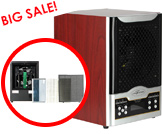
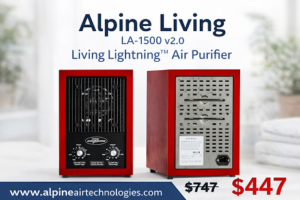
Alpine Living LA-1500 v2.0
Recommended For
- Apartments
- Bedrooms
- Condos
- Home offices
- Smaller homes
Coverage
Approximately up to 1,500+ sq. ft.
Highlights
- Living Lightning™ Technology
- Compact design
- Everyday indoor air quality support
Fresh Air LA-3500 v2.0
Recommended For
- Large homes
- Open-concept layouts
- Families
- Homes with pets
Coverage
Approximately up to 3,500+ sq. ft.
Highlights
- Expanded whole-home coverage
- Advanced purification features
- Designed for larger living areas
Quick Indoor Air Checklist
Ask yourself:
- Are HVAC filters replaced regularly?
- Do you vacuum high-traffic areas weekly?
- Are shoes removed at the door?
- Do you use your kitchen exhaust fan?
- Is indoor humidity controlled?
- Are pet beds cleaned often?
- Is clutter minimized?
- Are you using an air purifier sized for your home?
If you answered “no” to several of these questions, these simple improvements can help support cleaner indoor air.
11. Clean Air Vents and Registers


Supply and return vents can collect dust over time, especially in homes with pets or high foot traffic.
Tips
- Vacuum vents regularly.
- Wipe registers with a damp microfiber cloth.
- Keep furniture from blocking airflow.
- Schedule HVAC maintenance as recommended.
12. Wash Curtains, Blankets, and Throw Pillows
Fabric surfaces trap airborne particles such as:
- Dust
- Pollen
- Pet dander
- Hair
Recommendations
- Wash washable fabrics every few weeks.
- Vacuum upholstered furniture regularly.
- Rotate decorative pillows to reduce dust buildup.
13. Choose Low-Emission Household Products


Some household products release volatile organic compounds (VOCs), especially shortly after use.
Consider
- Low-VOC paints
- Fragrance-free cleaning products when suitable
- Low-emission furniture and flooring when replacing items
Always follow manufacturer instructions and ventilate during use.
14. Keep Entryways Clean
Your front door is one of the main pathways for outdoor pollutants.
Reduce Tracked-In Debris
- Place durable doormats inside and outside.
- Sweep entryways frequently.
- Encourage guests to remove shoes.
- Vacuum entry rugs often.
15. Empty Vacuum Cleaners and Trash Regularly
Dust and debris can be reintroduced into the air if vacuum containers or trash bins are overfilled.
Tips
- Empty vacuum canisters after heavy use.
- Replace vacuum bags when needed.
- Take household trash out regularly.
- Clean indoor trash bins periodically.
16. Let New Furniture Air Out


Some new furnishings and building materials can release odors and volatile organic compounds (VOCs) for a period after installation.
Helpful Practices
- Ventilate rooms after bringing in new furniture.
- Unpack items in a well-ventilated area.
- Follow manufacturer recommendations for setup and care.
17. Maintain Bathroom Ventilation
Bathrooms generate significant moisture from showers and baths.
Best Practices
- Run the exhaust fan during and after showers.
- Wipe excess moisture from walls and mirrors.
- Wash shower curtains and bath mats regularly.
- Repair plumbing leaks promptly.
18. Groom Pets Regularly


Routine grooming helps reduce:
- Loose fur
- Pet dander
- Dirt tracked indoors
Whenever practical, brush pets outdoors to minimize loose hair inside.
19. Keep Storage Areas Dry and Organized
Basements, closets, attics, and garages can collect dust and moisture.
Recommendations
- Store items in sealed plastic containers when appropriate.
- Keep cardboard boxes off damp floors.
- Inspect storage areas for leaks.
- Remove unnecessary clutter.
20. Operate Your Air Purifier Consistently
An air purifier is most effective when used consistently as part of a broader indoor air quality strategy.
Place the unit where airflow is not obstructed, and follow the manufacturer’s maintenance schedule to help maintain performance.
Room-by-Room Air Quality Tips
Bedroom


- Wash bedding weekly.
- Vacuum rugs frequently.
- Keep pets off the bed if allergies are a concern.
- Maintain moderate humidity.
- Use an appropriately sized air purifier.
Living Room


- Vacuum upholstered furniture.
- Dust electronics.
- Open windows when outdoor air quality is good.
- Reduce clutter.
Kitchen
- Use the range hood while cooking.
- Clean grease filters.
- Empty kitchen trash frequently.
- Wipe cooking surfaces after use.
Home Office
- Keep printers in well-ventilated areas.
- Dust electronics often.
- Vacuum carpets.
- Organize paperwork to reduce dust collection.
Alpine Living Air Purifier Comparison
| Feature | Alpine Living LA-1500 v2.0 | Fresh Air LA-3500 v2.0 |
|---|---|---|
| Coverage | Up to 1,500+ sq. ft. | Up to 3,500+ sq. ft. |
| Best For | Apartments, bedrooms, condos | Large homes, open floor plans |
| Living Lightning™ Technology | ✔ | ✔ |
| Compact Design | ✔ | — |
| Whole-Home Coverage | — | ✔ |
Frequently Asked Questions
Can I improve indoor air quality without remodeling?
Yes. Many improvements involve everyday habits such as cleaning regularly, reducing clutter, controlling humidity, using exhaust fans, replacing HVAC filters, and operating a properly sized air purifier.
How often should HVAC filters be replaced?
Follow the filter manufacturer’s recommendations and your HVAC system’s maintenance schedule. Homes with pets, heavy dust, or frequent HVAC use may require more frequent inspections.
Should I open windows every day?
When outdoor air quality is good, opening windows can increase ventilation. During periods of poor outdoor air quality, such as wildfire smoke or high pollen counts, keeping windows closed may be the better option.
Which Alpine Living Air Purifier should I choose?
Alpine Living LA-1500 v2.0
Recommended for:
- Apartments
- Bedrooms
- Condos
- Home offices
- Smaller homes
Fresh Air LA-3500 v2.0
Recommended for:
- Larger homes
- Open floor plans
- Families
- Homes with pets
Final Thoughts
Improving indoor air quality doesn’t have to involve expensive renovations or major remodeling projects. Simple habits—such as replacing HVAC filters, reducing dust, managing humidity, improving ventilation, and choosing an air purifier that’s appropriately sized for your space—can make a meaningful difference over time.
A cleaner indoor environment starts with consistent maintenance and practical daily routines. Combined with an Alpine Living Air Purifier, these steps can help you maintain fresher air and a more comfortable home throughout the year.