Tag Archives: Remove Germs

How to Know Your Indoor Air Quality Is Bad (Signs & Solutions)

Introduction: Indoor Air Can Be Worse Than You Think

Most people assume that the air inside their home or office is clean — but indoor air is often more polluted than outdoor air due to hidden contaminants from everyday sources like cooking, cleaning products, pet dander, combustion appliances, mold, and volatile organic compounds (VOCs). Many people only realize their indoor air quality (IAQ) is bad when they notice symptoms that go away when they step outside.

Catching these warning signs early — and taking action — can help reduce respiratory irritation, headaches, fatigue, allergy flare-ups, and other symptoms. Below are common indicators of poor IAQ, what causes them, and how to respond with solutions like air purifiers and better ventilation.


Common Signs Your Indoor Air Quality Is Poor

1. Frequent Sinus Irritation, Sneezing & Nasal Congestion

If you or your family are constantly sneezing, experiencing itchy eyes, or have persistent nasal congestion — especially indoors — airborne particulates like dust, pollen, or pet dander may be accumulating in your air.


2. Headaches, Dizziness, or Fatigue Indoors

Headaches and unexplained fatigue that improve when you leave the house can be linked to indoor pollutants like VOCs from cleaning products, paints, or off-gassing from furniture.


3. Worsening Allergy or Asthma Symptoms at Home

Allergies and asthma often get worse with high levels of indoor pollutants like fine dust, mold spores, and animal dander. If symptoms worsen indoors, poor IAQ could be a trigger.


4. Persistent Musty, Stale, or Chemical Odors

A stale “closed room” smell, mustiness (often from mold), or chemical odors from paints and cleaners can signal VOC buildup or microbial growth. Even if odors aren’t strong, persistent smells suggest contaminants.


5. Increased Dust and Visible Particles

If dust seems to settle quickly or surfaces are dusty despite frequent cleaning, tiny airborne particles may be circulating and not being effectively removed.


6. Difficulty Sleeping or Respiratory Discomfort at Night

Many people don’t realize bad indoor air quality can contribute to poor sleep, throat irritation, or coughing at night — symptoms that often go away when sleeping somewhere else or with open windows.


Why Poor Indoor Air Happens

Indoor air pollution can come from many sources:

✔ Cleaning products, paints, and solvents releasing VOCs
✔ Cooking smoke and combustion by-products
✔ Pet dander, dust mites, pollen, and fine dust
✔ Mold and mildew spores due to moisture
✔ Poor ventilation that traps pollutants inside

Experts like the EPA emphasize three main strategies to improve IAQ: source control, improved ventilation, and air filtration.


How to Test & Confirm Your IAQ Is Bad

  1. Use an air quality monitor to measure particulate matter and VOCs.

  2. Notice symptom patterns — do they improve when you’re outdoors?

  3. Check ventilation and humidity levels — excess humidity can fuel mold.

  4. Look for dust buildup on vents, fans, and surfaces.

Testing gives you data, but many people start with symptoms plus noticeable odors and dust levels as practical early flags.


Solutions: Practical Steps to Improve Indoor Air Quality

🪟 1. Increase Ventilation

Briefly opening windows (when outdoor air quality is good) can help flush out stale air and dilute indoor pollutants — a practice known as lüften (German airborne “air out”) that experts recommend for healthier indoor environments.


🧼 2. Control Sources of Pollution

  • Use natural, low-VOC cleaners

  • Avoid indoor smoking

  • Ventilate while cooking
    These reduce the creation of new airborne irritants.


💨 3. Use Air Purifiers to Supplement IAQ

Air purifiers are an effective complement to ventilation and source control — especially when particles, allergens, smoke, and VOCs are contributing to symptoms. Portable purifiers can help continuously clean the air in occupied spaces.

Below are Alpine Air Technologies purifiers that help reduce common airborne contaminants associated with poor IAQ and the symptoms above:


Alpine Air Purifiers That Help Improve Indoor Air Quality

Clean-Air Solution for Smaller Spaces
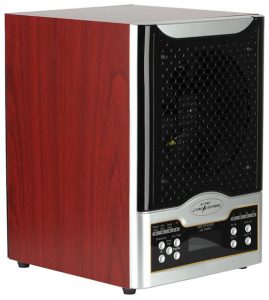
Alpine Single Room LA-500 v3.0 — Great for bedrooms, offices, or smaller indoor spaces. This unit reduces smoke, odors, dust, pollen, pet dander, VOCs, and biological pollutants like mold and bacteria — helping alleviate symptoms like congestion, headaches, and irritation linked to poor IAQ.


Mid-Range Coverage for Everyday Living Spaces
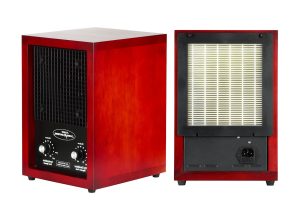
NA Flare LA-2700 v2.0 — Suitable for larger rooms like living areas or open-plan offices (up to ~2,700 sq.ft). Its Living Lightning™ technology helps eliminate smoke, odors, chemical gases, dust, pet dander, and pollen — all common contributors to indoor air irritation and allergy symptoms.


Whole-Home & Extensive Indoor Air Treatment
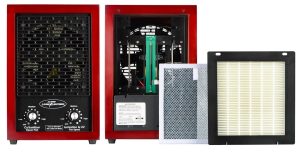
RainFresh Breeze LA-3000 v2.0 — Powerful purification for homes and offices up to ~3,000 sq.ft. Helps reduce widespread indoor pollutants, including smoke and odors, and supports healthier air for anyone sensitive to airborne irritants.


Heavy-Duty Commercial-Grade Air Quality Solution
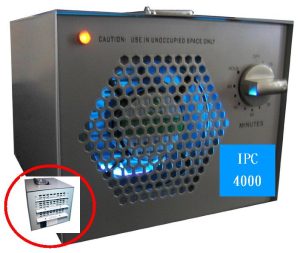
IPC-4000 Industrial Power Air Cleaner — Designed for environments with significant indoor air challenges, such as garages, workshops, or buildings with ongoing mold, chemical, or odor issues. Its robust purification helps sanitize and improve air quality where simple measures fall short.


Tips to Maximize Your Air Purifier’s Effectiveness

Place purifiers where people spend most time (bedrooms, living rooms).
Run units continuously, especially during allergy seasons or when symptoms appear.
Combine with better ventilation and cleaning — purifiers work best alongside source control and airflow.


Conclusion: Don’t Ignore the Signs of Bad Indoor Air

Poor indoor air quality doesn’t always announce itself loudly — but symptoms like persistent congestion, headaches, fatigue, odors, or allergy flare-ups at home are clear signs something is off. By recognizing these early, optimizing ventilation, controlling pollutant sources, and using air purifiers like the Alpine Single Room LA-500 v3.0, NA Flare LA-2700 v2.0, or RainFresh Breeze LA-3000 v2.0, you can significantly improve the air you breathe — and how you feel every day.

👉 Explore all Alpine Air purifiers to find the right solution for your space:
https://alpineairtechnologies.com/products/
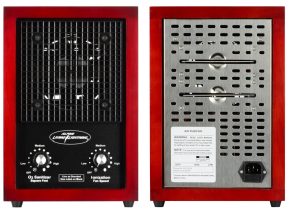
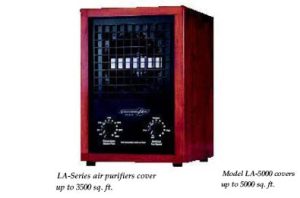
Room-by-Room Guide to Improving Indoor Air Quality

Introduction: Why Room-Specific Air Quality Matters

Indoor air quality isn’t one-size-fits-all. Different rooms have different air quality challenges — from dust and allergens in bedrooms to odors and smoke in kitchens, and fumes and chemicals in garages. Understanding those challenges — and matching the right strategies and air purification solutions — helps you create a healthier, fresher home environment.

Alpine Air Technologies offers a range of Living Lightning™ air purifiers that help reduce dust, pollen, smoke, odors, and other airborne pollutants throughout your home.


1. Bedrooms — Where Clean Air Promotes Better Sleep

Your bedroom should be a haven for clean air — especially if allergies or asthma affect you.

Tips for cleaner bedroom air:

  • Keep windows closed on high pollen days

  • Wash bedding weekly to reduce dust mites and dander

  • Run a purifier throughout the night

Recommended Alpine Air Purifier

Single Room LA-500 v3.0 — Ideal for bedrooms or smaller personal spaces that need targeted air purification. Its compact design helps reduce dust, pollen, pet dander, and lingering odors — making indoor air fresher as you sleep.


2. Living Rooms — Central Air Quality for Shared Spaces

Living rooms often have the most foot traffic — which means more dust, pet hair, pollen, and everyday odors.

Tips for living room air quality:

  • Dust and vacuum regularly

  • Keep carpets clean and use area rugs that trap particles

  • Place a purifier in a central location for wide-area treatment

Recommended Alpine Air Purifier

Alpine Living LA-1500 v2.0 — A versatile mid-range purifier designed for spaces up to about 1,500 sq.ft. It helps control dust, odors, smoke, and airborne irritants that accumulate in frequently used living areas.


3. Kitchens — Combatting Smoke, Odors & Cooking Pollutants

Indoor air quality in kitchens can be challenged by smoke from cooking, grease particles, strong smells, and steam.

Kitchen air quality tips:

  • Use exhaust fans while cooking

  • Keep lids on pots to reduce oil fumes

  • Place a purifier a few feet from the main cooking area — not right next to the stove — to avoid heat or steam interference.

Recommended Alpine Air Purifier

Alpine Pass LA-1000 v2.0 — Compact but powerful enough for kitchens, home offices, and everyday living spaces. It’s great for reducing smoke particles, odors, and cooking-related airborne pollutants.


4. Home Offices & Study Areas — Focused Air Comfort

Whether you’re working from home or kids are studying, these spaces benefit from clean, focused air that helps reduce brain fog and irritation.

Work/study air quality tips:

  • Place the purifier near the desk or seating area

  • Keep clutter minimized — clutter traps dust

  • Vacuum soft furnishings regularly

Recommended Alpine Air Purifier

Alpine Pass LA-1000 v2.0 — Again, this versatile model is excellent for focused areas like home offices and study rooms, helping lower particulates and support concentration.


5. Garages & Workshops — Reducing Fumes, Chemical Odors & Dust

Garages and workshop areas often have car fumes, exhaust, chemical odors, and dust which can drift into living spaces if not controlled.

Tips for improving garage air quality:

  • Ventilate before entering the house

  • Keep garage doors closed when possible during cleaning

  • Use an air purifier suited for tough odors and particles

Recommended Alpine Air Purifier

IPC-4000 Industrial Power Air Cleaner — Built for heavy-duty spaces like garages, basements, or workshops. It’s a robust solution that helps reduce strong odors, chemical fumes, and airborne dust particles.


6. Bathrooms — Managing Humidity & Mold Spores

Bathrooms often suffer from high humidity and mold, which can affect air quality if left unchecked.

Bathroom air quality tips:

  • Use exhaust fans after showers

  • Wipe down wet areas to reduce moisture

  • Run a small air purifier nearby to help manage persistent odors or airborne mold spores

Recommended Alpine Air Purifier

Single Room LA-500 v3.0 — Works well for smaller, humid spaces like bathrooms to help reduce lingering smells and manage airborne particles.


7. Entryways & Mudrooms — Capture Outdoor Allergens

Entryways and mudrooms are first contact zones for pollen, dust, and outdoor pollutants on shoes and clothing.

Tips for cleaner entryway air:

  • Add mats to trap particles at the door

  • Keep outdoor gear in closed closets

  • Run a smaller purifier to capture particles brought inside

Recommended Alpine Air Purifier

Alpine Pass LA-1000 v2.0 — This adaptable unit works well in entryways to help intercept pollen, dust, and dander before they migrate deeper into your home.


General Indoor Air Quality Habits That Help Everywhere

Ventilate Smartly: Briefly opening windows to exchange indoor and outdoor air refreshes indoor air when outdoor air quality is good (e.g., lüften ventilation technique).
Clean Regularly: Dust, vacuum, and empty vacuum bags/filter frequently to reduce resettling particulates.
Control Humidity: Use dehumidifiers or exhaust fans to keep mold growth in check.
Monitor Sources: Avoid indoor smoking and minimize strong VOCs from cleaners and paints.


Conclusion: Tailoring Clean Air to Every Room

Different rooms pose unique indoor air quality challenges — from allergens in bedrooms to odors in kitchens or fumes in garages. By matching the right Alpine Air Technologies air purifier model to each space — from the Single Room LA-500 v3.0 in small rooms to the IPC-4000 Industrial Power Air Cleaner for tough spaces — you can enjoy cleaner, healthier air throughout your home.

👉 Explore Alpine Air purifier options for your indoor air needs:
https://alpineairtechnologies.com/products/
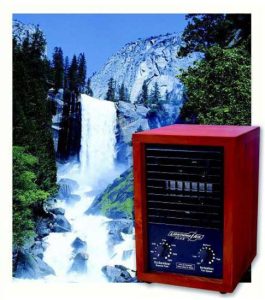
How to Choose the Right Air Purifier for Your Home or Office

Why Choosing the Right Air Purifier Matters

Air purifiers improve indoor air quality by reducing dust, allergens, smoke, odors, VOCs, pet dander, and other airborne pollutants — symptoms that often trigger allergy flare-ups, respiratory irritation, and general discomfort. But not all air purifiers are created equal. The most effective device for your living room may not be sufficient for a large open-plan office or a house with pets.

Here’s how to choose the best air purifier based on your space, specific needs, and technology preferences.


Step 1: Determine Your Room’s Size & Coverage Needs

The most important factor in selecting an air purifier is square-foot coverage — the area a unit is designed to clean effectively. Alpine Air Technologies provides square-foot coverage estimates for each model, helping you match a purifier to your space.


Small Rooms — Bedrooms, Offices, Apartments

Alpine Single Room LA-500 v3.0

💡 Coverage: Approximately 20–500 sq. ft. based on specs for similar units.

Best for:

  • Small bedrooms or home offices

  • Kids’ rooms

  • Studio apartments

This compact purifier is ideal where space is limited but indoor air quality is still a priority, reducing particles like dust, pet dander, and smaller odors.


Medium Rooms — Living Rooms, Larger Bedrooms

Alpine Living LA-1500 v2.0

💡 Coverage: Approximately up to ~1,500 sq. ft. — ideal for medium-sized spaces.

Best for:

  • Family rooms

  • Open offices

  • Medium living spaces

A versatile choice for everyday indoor air needs — reducing common pollutants like dust, pollen, cigarette or cooking smoke, and pet dander.


Large Rooms & Open Floor Plans

Silent Thunder LA-2400 v2.0

💡 Coverage: Up to ~2,400 sq. ft.

Best for:

  • Larger living spaces

  • Open lofts

  • Shared office floors

This model offers greater coverage for larger areas where air circulation and heavy use may lead to more airborne debris and pollutants.


Extra-Large Spaces or Whole-Building Needs

Fresh Air LA-3500 v2.0

💡 Coverage: Up to ~3,500 sq. ft. (variable, depending on plate configuration).

Best for:

  • Large homes

  • Large open offices

  • Meeting rooms or event areas

A top-tier system that covers expansive spaces and helps reduce a wide range of airborne contaminants including dust, odors, and smoke.


Step 2: Match Technology to Your Specific Needs

Different spaces and pollutant types call for different purification technologies:


✔ Pets & Pet Dander

For homes with cats, dogs, or other fur-bearing pets, choose a system with strong negative ion output. Ionization helps airborne pet dander cluster and settle out of the air so it can be more easily removed during cleaning cycles. Alpine Air’s Living Lightning™ negative ion technology effectively tackles pet-related airborne allergens in multiple models.


✔ Smoke (Cigarette, Cooking, Wildfire)

Smoke particles and lingering odors require purification beyond simple particle capture. Larger models like Fresh Air LA-3500 v2.0 combine ionization and sanitization to assist in reducing smoke and chemical odors across large spaces.


✔ Allergies & Seasonal Pollutants

Medium-coverage units like Alpine Living LA-1500 v2.0 help address seasonal allergens such as pollen and mold spores that can circulate indoors, supporting easier breathing for allergy sufferers.


Step 3: Consider Technology Mechanisms

Air purifiers use differing methods to treat indoor air. TechRadar and other trusted guides recommend understanding how these work before choosing a model.


Negative Ionization

Devices like those from Alpine Air generate negative ions that attach to airborne particles, causing them to cluster and settle out of breathable air — effective for reducing fine particles and allergens throughout the entire space.


Activated Oxygen / Ozone (Where Applicable)

Some Alpine models allow controlled ozone output that assists in reducing certain odors and chemicals. When used at safe, low levels, this can complement particle reduction for air quality in larger or stubborn pollution scenarios.

Note: Ozone should be used sparingly and in well-ventilated areas when people are not present. Alpine systems are designed with adjustable ozone controls.


Multiple Stages of Purification

Models like Fresh Air LA-3500 v2.0 integrate UV/UVC light, negative ions, activated oxygen, and multi-stage sanitization for enhanced air treatment across pollutants, microbes, and odors.


Step 4: Future-Proof Your Choice

Consider buying a model that slightly exceeds your current space’s needs — especially if you plan to:
✔ Move to a larger space
✔ Add pets
✔ Increase household activity
✔ Expand home office areas

As Alpine’s FAQ suggests, choosing a purifier with coverage above your room’s square footage can help ensure better performance and longer-term value.


Pro Tips for Best Results

Measure your room before buying: Always match purifier coverage to actual square footage.
Think placement: Put purifiers near where people spend the most time or where pollutants enter (e.g., near doors, windows).
Multiple units for divided floors: A single device may not suffice in homes with many rooms — consider one per major space.
Upgrade for tough odors or smoke: Larger models with sanitization tech (e.g., UV or multiple technologies) are more effective in complex situations.


Conclusion — Choose Smart for Your Space & Air Quality Goals

No single air purifier fits every situation. The best choice depends on your room size, pollutants you want to reduce (pets, smoke, allergens, VOCs), and technology preference (ionization, sanitization, ozone control).

Whether you need a compact Alpine Single Room LA-500 v3.0 for a bedroom, a medium-coverage Alpine Living LA-1500 v2.0 for everyday allergy relief, or a high-coverage Fresh Air LA-3500 v2.0 for whole-home air purification, Alpine Air Technologies offers options to meet your home or office needs.

👉 Explore Alpine Air purifiers and find the right fit:
https://alpineairtechnologies.com/products/
Ozone in Air Purifiers: Facts vs. Myths

Introduction — Why There’s So Much Confusion About Ozone

Ozone has long been controversial in the context of indoor air purification. Some worry it’s harmful; others claim it’s beneficial for cleaning air. The truth is more nuanced: ozone can be useful in controlled, low concentrations — especially when deployed safely to reduce odor molecules and certain airborne contaminants.

In this blog we’ll explain:

  • What ozone actually is

  • Myths vs facts about ozone in air purifiers

  • Safety concerns and regulatory guidance

  • How Alpine Air Technologies uses controlled ozone safely

  • Product examples from Alpine with images


What Is Ozone? A Technical but Accessible Explanation

Ozone (O₃) is a molecule made of three oxygen atoms instead of the usual two (O₂).

  • Good ozone occurs naturally high in the atmosphere, protecting Earth from UV rays.

  • Ozone at ground level can be a pollutant in large concentrations.

At low, controlled levels, ozone can react with and neutralize certain odor and chemical molecules in the air — which is why some air purification technologies use small, safe quantities to help improve indoor air quality.


Fact vs. Myth: Common Ozone Misconceptions

❌ Myth 1: All ozone in air purifiers is dangerous

Fact: The level of ozone matters. At high concentrations, ozone can irritate lungs and airways. But at controlled low levels, ozone is used safely in certain purification technologies (including Alpine Air’s), similar to how nature uses ozone after lightning strikes.

Regulatory bodies like the U.S. Environmental Protection Agency (EPA) highlight that excessive ozone can be harmful — but also note that small, safe amounts of ozone can be part of effective indoor air cleaning strategies when properly engineered. (EPA guidance on ozone and indoor air quality)


❌ Myth 2: Ozone does not help with odors or chemicals

Fact: Ozone reacts chemically with many odor molecules and volatile organic compounds (VOCs), helping neutralize smells that standard filtration can’t easily catch. That’s why controlled ozone can play a role in improving perceived indoor air freshness.


❌ Myth 3: Any ionizer producing ozone is unsafe

Fact: Not all ionizers produce harmful ozone. The key is controlled, engineered ozone generation within safe thresholds, backed by design and testing — which Alpine Air Technologies incorporates into some of its purification systems (below).


How Alpine Air Technologies Uses Controlled Ozone Safely

Alpine Air purifiers use Living Lightning™ technology, which combines negative ionization with controlled ozone output at levels designed to remain safe for indoor environments while helping enhance purification.

🔬 Controlled, Low Levels

Alpine products are engineered to emit ozone at very low, safe concentrations — far lower than levels known to cause irritation. This is not the high industrial ozone used in sanitization chambers or ozone generators intended for unoccupied spaces. Instead, it’s a controlled output similar to ambient ozone created by natural processes (e.g., lightning, waterfalls).

✔ Addresses Odors & Chemical Molecules

Low-level ozone in these products helps oxidize and neutralize strong odors, smoke residues, and certain chemical compounds indoors — which might remain even after particle filtration.


Alpine Air Products With Controlled Ozone Technology

Below are Alpine Air purifiers that use controlled ozone (along with other purification mechanisms) to improve indoor air quality:

🌀 Fresh Air LA-3500 v2.0

The Fresh Air LA-3500 v2.0 is designed for large spaces and combines negative ions and controlled ozone to reduce airborne particles, odors, and volatile chemicals. Its balanced design makes it suitable for family rooms and open living areas.

✔ Reduces dust, odors, smoke
✔ Controlled ozone for odor neutralization


🌬 Alpine Living LA-1500 v2.0

This model provides everyday purification in bedrooms, offices, or shared spaces. The controlled ozone output helps improve air freshness, while negative ions and electric fields assist particle removal.

✔ Everyday indoor air improvement
✔ Helps manage odors and small pollutants


🏠 Alpine Pass LA-1000 v2.0

The LA-1000 v2.0 is compact and efficient, suitable for dens, apartments, or secondary rooms. Its technology includes a controlled ozone component to help address odor molecules and airborne contaminants beyond just dust and dander.

✔ Great for smaller spaces
✔ Gentle ozone enhancement for odor control


🧼 Single Room LA-500 v3.0

Perfect for smaller, personal rooms, the LA-500 v3.0 uses controlled ozone along with ionization to help improve breathing comfort by reducing fine particles and odor triggers that standard filters might miss.

✔ Ideal for personal or sleep spaces
✔ Controlled ozone with ionization


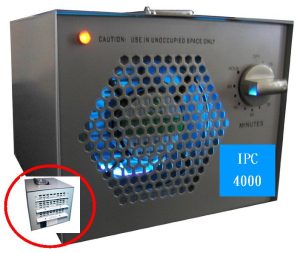
🏢 IPC-4000 Industrial Power Air Cleaner

For heavier or larger indoor environments, the IPC-4000 combines powerful purification with controlled ozone output that supports odor and chemical control without exceeding safe indoor levels. Best for workshops, basements, or larger open spaces.

✔ Heavy-duty cleaning
✔ Controlled ozone for tough odors


Safety Guidelines & Best Practices

To ensure ozone use is safe and beneficial:

📌 1. Follow Manufacturer Guidance

Only use devices with ozone output engineered for controlled, low output, like Alpine Air products. Avoid unregulated ozone generators that produce high ozone levels without safety controls.

📌 2. Monitor Sensitive Individuals

Some people with respiratory conditions may be more sensitive to any changes in air composition — always monitor comfort and adjust use if needed.

📌 3. Use as Part of a Comprehensive Strategy

Ozone is just one tool. Pair it with:

  • regular ventilation (when outdoor air quality permits)

  • cleaning and dust control

  • humidity management

  • HEPA-based filtration if particulate capture is critical

Together, they create a healthier indoor air ecosystem.


Conclusion: Separating Fact From Fiction

There’s a lot of confusion about ozone in air purifiers — but understanding the levels and context makes the difference:

Myth: All ozone in air purifiers is unsafe
Fact: Controlled, low ozone can safely help reduce odors and some pollutants.

Myth: Ozone alone “sanitizes” the air
Fact: Ozone is just one component; it works best with other purification methods like negative ions and electric fields.

Myth: Ozone is the same in every purifier
Fact: Output levels and design safety determine whether ozone is helpful or harmful.

Alpine Air Technologies uses controlled ozone levels as part of its Living Lightning™ approach — helping address odors and certain gas-phase contaminants while maintaining safety. When combined with other good indoor air practices, this technology can make your home air cleaner, fresher, and more comfortable.

👉 Explore Alpine Air purifiers that use controlled ozone and other advanced purification methods:
https://alpineairtechnologies.com/products/
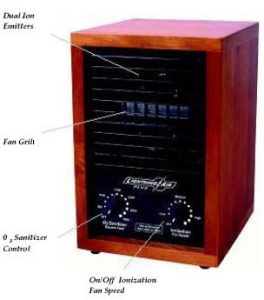
The Science Behind Negative Ionization & Indoor Air Cleaning

Introduction: Clean Air Starts With Understanding the Science

Indoor air often contains particles like dust, pollen, smoke, pet dander, and microbes. These tiny particles can irritate your respiratory system, trigger allergies, or reduce overall comfort. One scientifically grounded method to reduce airborne contaminants is negative ionization—a process that helps clean the air you breathe.

This article explains the science behind negative ions and how they help remove particles, why this matters for your health, and how Alpine Air Technologies air purifiers use this technology to improve indoor air quality.


What Are Ions? A Quick Science Primer

An ion is an atom or molecule that carries an electrical charge because it has gained or lost electrons.

  • Negative ions have extra electrons → negatively charged

  • Positive ions have lost electrons → positively charged

In nature, negative ions are created by:
✔ Sunlight
✔ Waterfalls, waves, rainstorms
✔ Lightning

Many people describe the fresh air feeling after a storm or near a waterfall — that’s the presence of natural negative ions.


How Negative Ionization Helps Clean Indoor Air

1. Ions Attach to Airborne Particles

When a purifier emits negative ions, these charged particles spread through the air and attach to airborne contaminants such as:

  • dust

  • pollen

  • smoke particles

  • pet dander

  • mold spores

Once an ion attaches to a particle, it changes the particle’s electrical charge and makes it heavier.

2. Charged Particles Clump Together

Negatively charged ions cause small particles to attract each other. This process is called agglomeration—particles stick together to form larger clumps that are easier to remove either by:
✔ Settling out of the air
✔ Being captured by airflow circulation and then removed by cleaning

3. Heavier Particles Fall Out of the Breathing Zone

Because clumped particles are heavier, they drop out of the breathable air stream more quickly. This reduces the concentration of tiny airborne particles in the space where we breathe.


How This Compares With Traditional Filters

Feature HEPA Filters Negative Ionization
Removes particles passing through unit ✖ (works throughout the whole room)
Treats air only when pulled into purifier ✖ (ions travel with air currents)
Best at trapping mechanical particles ⚠ Works by charging & clumping particles
Removes gases & odors ✖ (needs carbon) ⚠ More effective at reducing odors indirectly

Traditional HEPA filters capture particles mechanically as air passes through them. Negative ions, on the other hand, treat particles throughout the room, not just the air that passes through the purifier.


Are Negative Ions Safe?

Yes — negative ions themselves are not harmful. In nature, negative ions occur in forests, beaches, and waterfalls. What matters most is how they are produced in a device:

Low, controlled levels of negative ions are beneficial for air treatment
✔ The systems must avoid high ozone output, which can be harmful in large amounts

Alpine Air Technologies devices are designed to produce controlled negative ionization levels — *akin to natural air purification processes — while avoiding harmful ozone levels.


Technical Yet Accessible: What Happens to a Particle in Ion-Rich Air

Let’s walk through it:

  1. Particle in air: A dust particle floats around your living room.

  2. Negative ion released: The purifier emits a negative ion.

  3. Ion attaches: The ion latches onto the particle, giving it a negative charge.

  4. Charged particle attracts others: Other particles nearby gain a charge and cluster together.

  5. Particle mass increases: Larger clusters are heavier and fall faster out of the breathable air.

  6. Air feels cleaner: Fewer particles remain airborne — which reduces irritation triggers.

This process is supported by both lab studies and practical air quality monitoring. It’s a physical mechanism rooted in electric charge interactions, not just marketing language.


Real-World Alpine Air Technologies Solutions

Here are Alpine Air purifiers that implement this science to help reduce airborne particles and improve indoor air:


Fresh Air LA-3500 v2.0 — Whole-Room Ion-Enhanced Purification

The Fresh Air LA-3500 v2.0 offers broad coverage and combines negative ionization with advanced sanitization to help reduce:
✔ Dust and pollen
✔ Smoke particles
✔ Pet dander
✔ Odors and airborne irritants

Best for: Living rooms, large shared spaces


Alpine Living LA-1500 v2.0 — Balanced Home Air Treatment

The Alpine Living LA-1500 v2.0 provides balanced air treatment for everyday environments like:
✔ Bedrooms
✔ Home offices
✔ Family areas

This unit uses negative ions to help improve air quality where people spend most of their time.


Alpine Pass LA-1000 v2.0 — Everyday Ion Support

The compact Alpine Pass LA-1000 v2.0 is great for daily indoor purification in:
✔ Apartments
✔ Dens
✔ Smaller living spaces

It continuously emits negative ions to help keep airborne irritants lower.


Single Room LA-500 v3.0 — Targeted Ion-Enhanced Air Cleaning

For focused purification — such as in bedrooms or personal spaces — the LA-500 v3.0 uses negative ions to help reduce:
✔ Fine dust
✔ Allergens
✔ Small smoke particles


IPC-4000 Industrial Power Air Cleaner — Heavy-Duty Ion Treatment

The IPC-4000 is designed for larger or more demanding indoor environments — like workshops or commercial spaces — offering industrial-strength purification with ionization and odor control.


Negative Ions vs. Other Purification Methods

Technology Particle Removal Odor/Gas Control Full-Room Effect Filter Maintenance
HEPA Filter ✔ (mechanical) Replace Filters
Activated Carbon Replace Media
Negative Ionization ⚠ (induces clumping) ✔ (indirect) Minimal Plates

Negative ions don’t trap particles the way a mechanical filter does, but they help transform airborne particles so they settle out of the breathing zone more effectively, complementing other purification strategies.


Final Thoughts: Why Negative Ions Matter for Clean Air

Negative ionization is a scientifically supported method that:
✔ Helps clump small airborne particles
✔ Improves air quality throughout the entire room
✔ Works continuously and quietly
✔ Complements traditional filtration methods

When used as part of a comprehensive indoor air quality strategy — especially combined with Alpine Air Technologies’ Living Lightning™ systems — negative ions can significantly reduce airborne contaminants that contribute to discomfort, allergies, and poor air quality.

👉 Explore Alpine Air’s full line of ion-enhanced air purifiers:
https://alpineairtechnologies.com/products/
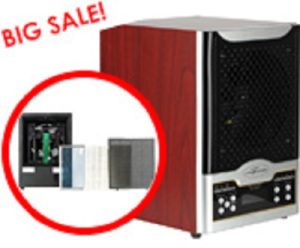
Can Air Purifiers Reduce Allergies and Asthma Triggers?

Introduction: Why Indoor Air Quality Matters for Allergies & Asthma

Allergies and asthma affect millions worldwide — and many of the triggers that worsen these conditions are found indoors. Airborne particles like dust, pollen, pet dander, and mold spores can irritate airways and lead to sneezing, wheezing, and shortness of breath, especially in sensitive individuals. Research and expert guidance show that air purifiers can help reduce these airborne triggers when used correctly.

While air purifiers aren’t medical devices or cures for asthma or allergies, they can play an important role in reducing exposure to airborne irritants that trigger symptoms — especially when paired with other indoor air quality strategies.


How Air Purifiers Help with Allergens & Asthma Triggers

Air purifiers work by removing or neutralizing airborne particles and contaminants that can provoke reactions in allergy and asthma sufferers. Here’s how they help:

1. Reduce Particulate Matter in the Air

Particles like dust, pollen, and dust mite debris are common triggers for allergy and asthma symptoms. Air purifiers — especially those equipped with effective filtration — can remove a large percentage of these particles from the air, lowering the overall allergen load indoors.

2. Trap Animal Dander and Mold Spores

Pet dander and mold spores are also airborne irritants. HEPA-equivalent filtration and ionization can help reduce their concentration, easing symptoms like sneezing, itchy eyes, and tightness in the chest.

3. Lessen Smoke & Fine Irritants

Smaller fine particles — such as smoke from cooking or fireplaces — can exacerbate asthma symptoms. A good air purifier can reduce these particles and help improve breathing comfort.

Note: No air purifier can eliminate every asthma trigger — especially if the source of allergens remains (e.g., pets, carpets, or furniture). Consistent use, size-appropriate placement, and complementary cleaning strategies matter.


How Air Purification Fits Within a Healthy Home Strategy

According to health experts, air purifiers are most effective when used alongside other indoor air quality practices (like regular cleaning, source reduction, and proper ventilation). Simply running a purifier without addressing surface allergen reservoirs or humidity issues may not deliver full relief.


Alpine Air Technologies Products for Allergy & Asthma Support

Below are Alpine Air purifiers that help reduce airborne triggers associated with allergies and asthma. These systems work continuously to improve indoor air quality.


Fresh Air LA-3500 v2.0 — Whole-Room Air Purification

The Fresh Air LA-3500 v2.0 is one of Alpine Air’s most popular purifiers and is suited for large rooms or whole-home coverage. It helps reduce airborne particles like:

  • Dust

  • Pollen

  • Pet dander

  • Fine smoke particles

Continuous operation with this unit can lower overall allergen levels in shared spaces, helping support easier breathing for sensitive individuals.

Best for: Living rooms, open floor plans, large spaces


Alpine Living LA-1500 v2.0 — Everyday Allergy & Asthma Support

The Alpine Living LA-1500 v2.0 quietly purifies air in everyday spaces like bedrooms or home offices. By reducing irritants like dust and pollen, it helps lower common indoor triggers that can worsen allergy and asthma symptoms.

Best for: Bedrooms, offices, family spaces


Alpine Pass LA-1000 v2.0 — Compact Air Cleaner

Compact yet powerful, the Alpine Pass LA-1000 v2.0 is ideal for smaller rooms and everyday spaces. It’s a flexible option for targeted air cleaning in areas where allergens and irritants are most noticeable.

Best for: Bedrooms, dens, smaller living areas


Single Room LA-500 v3.0 — Targeted Air Cleaning

The Single Room LA-500 v3.0 focuses on localized air purification — especially useful in bedrooms where many people experience the worst allergy symptoms at night.

Best for: Sleep areas, study rooms


IPC-4000 Industrial Power Air Cleaner — Heavy-Duty Solution

For larger areas, basements, or commercial spaces that need stronger purification, the IPC-4000 offers robust particle and odor reduction while helping reduce common indoor respiratory triggers.

Best for: Large spaces or heavy-use environments


Tips to Maximize Air Purifier Benefits for Allergies & Asthma

Match the purifier size to the room: A unit that’s too small won’t effectively clean air in larger spaces.
Run it continuously: Keeping purifiers on 24/7 ensures allergens and triggers are constantly reduced.
Combine with good cleaning: Vacuuming, dusting, and controlling humidity help reduce particulate sources.
Place near breathing zones: Bedrooms and living rooms are ideal locations for maximum impact.


Understanding Limitations & Setting Expectations

Air purifiers can help lower the concentration of airborne triggers — but they are not a medical cure for allergies or asthma. Allergy and asthma management often involves multiple strategies, including source control, medication, and consulting healthcare providers, with air purification as one valuable component of overall air quality improvement.


Conclusion: Cleaner Air, Easier Breathing

While air purifiers aren’t a standalone cure, scientific evidence shows they can reduce the amount of airborne allergens and particulate matter, helping alleviate symptoms for allergy and asthma sufferers when paired with other healthy indoor practices. From everyday home units like the Alpine Living LA-1500 v2.0 to powerful purifiers like the Fresh Air LA-3500 v2.0, Alpine Air Technologies offers solutions that help support a cleaner indoor environment.

👉 Explore Alpine Air’s full product range to find the right purifier for your allergy and asthma needs:
https://alpineairtechnologies.com/products/
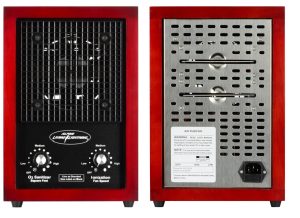
How Air Purifiers Work: Negative Ions vs. HEPA Filters vs. Activated Oxygen

Introduction: The Basics of Air Purification

Indoor air quality (IAQ) directly affects comfort, health, and respiratory well-being. Air purifiers work by reducing airborne contaminants like dust, dander, smoke, odors, pollen, VOCs (volatile organic compounds), and sometimes microbes.

Three common technologies power most air purifiers:

Negative ions — electrically charged particles that attach to contaminants
HEPA filters — mechanical filters that trap particles
Activated oxygen (O₃) — an oxidizing agent that reacts with odor and microbe molecules

Each method works differently, with pros and cons. Alpine Air Technologies air purifiers combine some of these approaches in ways that maximize performance for common indoor air challenges. Let’s break them down.


1. Negative Ions: How They Work

What are negative ions?

Negative ions are electrically charged particles (atoms or molecules with extra electrons). They naturally occur outdoors near waterfalls, forests, and after thunderstorms — and are part of what makes “fresh air” feel crisp.

How negative ions clean air

Negative ions attach to airborne particles such as:

  • dust

  • pollen

  • smoke

  • pet dander

When attached, particles become heavier and fall out of the breathing zone — reducing what you inhale.

Benefits

✔ Reduces fine particulate matter
✔ Works continuously throughout a room
✔ Helps settle dust and allergens

Limitations

⚠ Does not mechanically trap particles like a filter does
⚠ Works best paired with other purification methods

Alpine Air uses negative ions as part of its Living Lightning™ technology to help clean air throughout the entire space — not just through a filter.


2. HEPA Filters: Mechanical Filtration Explained

What is HEPA?

HEPA (High‐Efficiency Particulate Air) filters are tested to capture 99.97% of particles down to 0.3 microns. They physically trap particles as air passes through a dense fiber mesh.

How HEPA filters work

Air is drawn through the filter by a fan, and particles stick to the filter fibers. This method is excellent for trapping:

  • dust and pollen

  • pet dander

  • smoke particles

  • mold spores

Benefits

✔ Proven mechanical capture of airborne particles
✔ Works without producing ozone
✔ Effective for allergen reduction

Limitations

⚠ Only treats air that passes through the unit
⚠ Requires regular filter replacement
⚠ Does not remove odors or VOCs without activated carbon

Traditional HEPA systems work well but are often limited to the air pulled through the device at any given time. Alpine Air’s approach supplements traditional filtration with broader air treatment.


3. Activated Oxygen (O₃): What It Does

What is activated oxygen?

Activated oxygen (ozone-based technology) is a molecule with three oxygen atoms (O₃). It can react with odor molecules and some airborne contaminants.

In Alpine Air systems, controlled levels of activated oxygen are used alongside negative ions to target challenging air quality issues like:

  • smoke odors

  • chemical smells

  • stubborn VOCs

Benefits

✔ Helps neutralize odors at a molecular level
✔ Works throughout the room when properly controlled
✔ Complements particle removal

Limitations

⚠ Ozone at high levels can be harmful — must be controlled and low
⚠ Not a stand-alone solution for particulate matter

Alpine Air Technologies uses a controlled form of activated oxygen, combined with negative ionization, to mimic natural “air freshening” processes while remaining safe for indoor use.


How Alpine Air Technologies Combines These Methods

Alpine Air’s Living Lightning™ technology doesn’t rely on just one method — it blends negative ions and activated oxygen to treat the entire room’s air, creating a different purification effect compared to traditional standalone HEPA units that only filter air passing through them.

Here are some Alpine Air purifiers that demonstrate these technologies effectively:


Fresh Air LA-3500 v2.0 — Powerful Whole-Room Purifier

The Fresh Air LA-3500 v2.0 offers broad coverage and continuous air treatment using Alpine Air’s advanced purification approach, helping reduce:

  • airborne dust

  • smoke particles

  • odors

  • VOCs

✔ Ideal for large living spaces or open floor plans
✔ Combines negative ions and activated oxygen


Alpine Living LA-1500 v2.0 — Everyday Indoor Air Solution

The Alpine Living LA-1500 v2.0 provides balanced purification for common household rooms such as bedrooms, family areas, or home offices — helping maintain fresher air with consistent treatment.

✔ Great for medium rooms
✔ Reduces allergens and odors
✔ Works quietly 24/7


Alpine Pass LA-1000 v2.0 — Compact & Efficient

The Alpine Pass LA-1000 v2.0 is a user-friendly air cleaner perfect for everyday space purification — combining ion and activated oxygen treatments for smoother, fresher breathing air.

✔ Affordable daily air cleaner
✔ Great for living rooms, dens, or bedrooms


Single Room LA-500 v3.0 — Focused Air Treatment

Need targeted purification? The LA-500 v3.0 is excellent for smaller or frequently used rooms. It helps reduce particles and odors where people spend the most time.

✔ Effective for small spaces
✔ Helps reduce airborne irritants


IPC-4000 Industrial Power Air Cleaner — Heavy-Duty Purification

For more demanding environments — like workshops, basements, or commercial spaces — the IPC-4000 Industrial Power Air Cleaner provides robust purification that combines Alpine’s technology for broader air treatment.

✔ Industrial-grade air sanitation
✔ Strong odor and pollutant reduction


Comparing Technologies at a Glance

Feature / Technology HEPA Filters Negative Ions Activated Oxygen Alpine Air Approach
Captures particulate matter ✔️ (mechanical) ❌ (indirect) ✔️ (indirect full-room)
Reduces odors ❌ (needs carbon) ⚠️ (minor) ✔️ ✔️ (full-room)
Treats entire room air ❌ (filter passage only) ✔️ ✔️ ✔️
Ongoing maintenance Filters to replace Plate cleaning Minimal Minimal

Which Is Right for You?

Choose HEPA If:

✔ You want mechanical capture and measurable particulate removal
✔ You prefer no ionization or ozone components

Choose Alpine Air If:

✔ You want full-room air treatment that reaches all corners
✔ You need odor and gas molecule reduction, not just particles
✔ You want less frequent filter replacements and ongoing flow

Most homeowners benefit from understanding both approaches — often pairing traditional HEPA units (for mechanical particle capture) with Alpine Air purifiers (for broader contaminant and odor control) results in superior indoor air quality.


Conclusion: Understanding and Improving Indoor Air Quality

Air purifiers work through different mechanisms — mechanical filtration (HEPA), electrical ionization, and activated oxygen — each with strengths and limitations. Alpine Air Technologies blends negative ions with controlled activated oxygen to treat indoor air continuously, targeting the whole room rather than just the air pulled through a filter.

Whether your priority is allergen reduction, smoke and odor control, or healthier everyday air, there’s an Alpine Air purifier designed to help you breathe better:

👉 Explore Alpine Air products:
https://alpineairtechnologies.com/products/ (alpineairtechnologies.com)
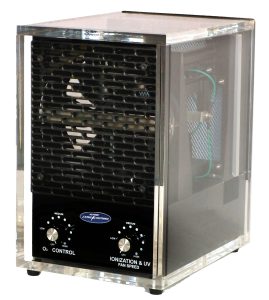
What Is Indoor Air Pollution & Why It Matters for Your Health

Introduction: The Invisible Problem in Your Home

Most people spend 90% of their time indoors, yet indoor air can be more polluted than outdoor air — even in seemingly clean homes. Indoor air pollution includes airborne particles, chemical vapors, odors, and biological contaminants that can affect your respiratory system, sleep, focus, and long-term health. According to EPA research, many indoor environments contain a mix of particulate matter (PM), volatile organic compounds (VOCs), smoke, and allergens that can trigger symptoms if not addressed. (epa.gov)

Understanding the causes, impacts, and solutions for indoor air pollution — including air purification — can help you breathe cleaner, healthier air every day.


What Is Indoor Air Pollution?

Indoor air pollution refers to contaminants in the air within homes, offices, schools, and other indoor spaces that degrade air quality and can affect human health. These airborne pollutants may come from:

✔ Dust, pollen, and allergens
✔ Pet dander and hair
✔ Smoke from cooking or tobacco
✔ Chemical fumes from cleaners, paints, and building materials
✔ VOCs from furniture and fabrics
✔ Mold and mildew

Unlike outdoor air pollution, which is often visible or reported in forecasts, indoor air pollution can be odorless and invisible — yet it still impacts breathing comfort and long-term health.


Common Indoor Air Pollutants at a Glance

1. Particulate Matter (PM₂.₅ & PM₁₀)

Fine particles from dust, smoke, and combustion sources can penetrate deep into the lungs. These microscopic pollutants are linked to respiratory and cardiovascular issues.


2. Volatile Organic Compounds (VOCs)

VOCs are emitted by paints, cleaners, air fresheners, and synthetic materials. Long-term exposure may contribute to irritation and health problems.


3. Allergens

Pollen, pet dander, and dust mites can trigger allergies and asthma symptoms, especially in sensitive individuals.


4. Odors & Smoke

Cooking smoke, tobacco smoke, and lingering odors from pets or cooking can make indoor air feel “stuffy” and uncomfortable.


Why Indoor Air Pollution Matters for Your Health

Indoor pollutants affect different people in different ways, but some common health impacts include:

Respiratory irritation: coughing, wheezing, throat irritation
Allergy and asthma flare-ups
Headaches and fatigue
Poor sleep quality
Long-term respiratory risk in chronic exposure

EPA and health research indicate that prolonged exposure to indoor pollutants can exacerbate asthma, allergies, and other chronic conditions — especially among children, older adults, and people with pre-existing respiratory issues. (cdc.gov)


How Air Purifiers Help Improve Indoor Air Quality

Air purifiers help remove or reduce airborne pollutants by circulating indoor air and treating common contaminants that traditional HVAC filters often miss. Alpine Air Technologies purifiers use Living Lightning™ technology, designed to help reduce dust, smoke, odors, chemical vapors, and allergens throughout a room — not just what passes through a filter. (alpineairtechnologies.com)

Below are effective Alpine Air air purifiers you can use to improve indoor air quality in your home.


Alpine Air Purifier Solutions With Product Pictures

Fresh Air LA-3500 v2.0 — Whole-Room Air Cleaner

The Fresh Air LA-3500 v2.0 helps improve air quality throughout large rooms and open spaces. It targets airborne particles, odors, and gaseous contaminants, making living areas and shared spaces more comfortable and healthier.

✔ Reduces smoke, dust, and odor
✔ Helps reduce chemical odors and airborne irritants
✔ Great for family rooms or open floor plans


Alpine Living LA-1500 v2.0 — Balanced Home Air Support

The Alpine Living LA-1500 v2.0 provides reliable purification for everyday indoor environments like bedrooms, offices, or common spaces. It helps lower airborne pollutants that contribute to allergy and respiratory symptoms.

✔ Ideal for bedrooms and offices
✔ Helps reduce dust, pollen, smoke & odors
✔ Continuous background air cleaning


Alpine Pass LA-1000 v2.0 — Everyday Air Cleaner

The Alpine Pass LA-1000 v2.0 is a compact unit perfect for smaller spaces or supplemental purification in homes. It helps keep indoor air cleaner where you spend the most time.

✔ Great for smaller rooms
✔ Helps reduce airborne irritants
✔ Easy setup and maintenance


Single Room LA-500 v3.0 — Targeted Air Purification

For targeted performance in bedrooms or study areas, the Single Room LA-500 v3.0 helps reduce localized particulate matter and odors — making personal spaces more comfortable.

✔ Effective in small rooms
✔ Reduces dust, allergens & odors
✔ Great for sleeping and study zones


IPC-4000 Industrial Power Air Cleaner — Heavy-Duty Air Treatment

For larger or more challenging indoor air scenarios — such as basements, workshops, or commercial spaces — the IPC-4000 delivers advanced purification that tackles strong odors, chemical gases, and heavy airborne contaminants.

✔ Industrial-strength purification
✔ Reduces chemical odors & biological contaminants
✔ Ideal for larger and demanding spaces


Additional Tips to Reduce Indoor Air Pollution

Beyond using air purifiers, you can improve indoor air quality with these habits:

✔ Ventilate Wisely

Open windows briefly when outdoor air quality is good to reduce indoor buildup.

✔ Control Humidity

Maintain indoor humidity between 30–50% to discourage mold and dust mites.

✔ Avoid Burning Candles & Smoking Indoors

Combustion products add fine particles to indoor air.

✔ Clean Smart

Dust with damp cloths and vacuum with a HEPA vacuum to reduce resettling particles.

✔ Regular HVAC Maintenance

Ensure your HVAC system has clean filters and ductwork to help overall air circulation.


Conclusion: Better Air Starts With Awareness

Indoor air pollution is a real, often invisible concern that affects everyone — especially people with allergies, asthma, and respiratory sensitivity. Understanding what indoor air pollution is and how it forms is the first step toward cleaner, healthier indoor environments.

By combining smart habits with Alpine Air Technologies’ purifiers like the Fresh Air LA-3500 v2.0, Alpine Living LA-1500 v2.0, and Alpine Pass LA-1000 v2.0, you can significantly reduce indoor airborne pollutants and breathe easier in your home.

👉 Explore Alpine Air’s full range of products:
https://alpineairtechnologies.com/products/ (alpineairtechnologies.com)
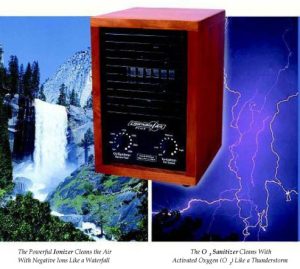
Back-to-School Clean Air Checklist: How to Keep the Air Fresh When Hosting Many Guests

Introduction: Clean Air Matters More When You’re Hosting

Back-to-school season often means more guests, more activity, and more indoor air challenges — especially if you’re hosting playdates, sleepovers, study sessions, or family gatherings. Indoor air quality can suffer when multiple people are under one roof due to:

✔ Increased dust, dander, and skin particles circulating
✔ More cooking activities and kitchen smoke
✔ Strong odors from food, pets, and fragrances
✔ Stagnant air in rooms with closed doors and windows

Without addressing these issues, indoor air can feel stuffy, dusty, and uncomfortable — even if your home looks clean. Using a strategic checklist along with air purifiers can help keep your space fresh and healthy for everyone.


1. Start With a Pre-Guest Deep Clean

Before hosting, reduce contaminants at the source:
✔ Dust and wipe down surfaces with a damp cloth (dry dusting sends particles into the air).
✔ Vacuum floors with a good HEPA vacuum to trap dust, skin particles, and pet dander.
✔ Launder throw blankets, pillow covers, and cushion covers.

These simple steps help reduce airborne particles that can accumulate quickly when many people are present.


2. Use Air Purifiers in Key Zones (Living Room, Dining, Guest Rooms)

Air purifiers continuously treat indoor air, helping capture and reduce pollutants — including dust, smoke, odors, pet dander, pollen, and airborne microbes. Alpine Air’s Living Lightning™ purifiers are designed to work 24/7 in the background to improve air freshness.

Fresh Air LA-3500 v2.0 — Whole-Home Coverage

The Fresh Air LA-3500 v2.0 offers wide-area purification for large gathering spaces like family rooms or open-plan kitchens — perfect when hosting multiple guests. It helps reduce airborne irritants and odors that tend to build up during busy weekends.

Best for:
✔ Large living areas
✔ Spaces where guests spend most of their time


Alpine Living LA-1500 v2.0 — Balanced Everyday Living Air Cleaner

The Alpine Living LA-1500 v2.0 is ideal for medium-sized rooms like guest bedrooms, playrooms, and study areas. It helps reduce airborne particles, odors, and common pollutants that can make rooms feel stale and congested.

Best for:
✔ Bedrooms and smaller gathering areas
✔ Everyday purification alongside other units


Alpine Pass LA-1000 v2.0 — Compact Purification for Smaller Rooms

The Alpine Pass LA-1000 v2.0 is a strong choice for living rooms, kids’ rooms, and other frequently used indoor spaces where clean, consistent air is needed.

Best for:
✔ Everyday spaces where guests interact
✔ Secondary purification support


Alpine Single Room LA-500 v3.0 — Targeted Guest Room Cleaning

Place the Alpine Single Room LA-500 v3.0 in guest rooms or study nooks to target localized airborne particles (like pollen, dust, or odor molecules). Its Living Lightning™ tech helps control odors, smoke remnants, and airborne contaminants quietly and efficiently.

Best for:
✔ Guest bedrooms
✔ Homework or quiet zones


3. Ventilate Before and After Hosting

Even in colder seasons, quickly refreshing your indoor air — a practice called “lüften” — helps flush out stale air and pollutants shortly before guests arrive or leave. This involves opening multiple windows for a short burst (e.g., 5–10 minutes) to allow outdoor air to replace stale indoor air.

This “Air Reset” before and after gatherings helps reduce carbon dioxide, odors, and chemical buildup that can linger when many people have been indoors together.


4. Minimize Indoor Pollutants That Guests May Bring

Pet Dander & Hair: Brush and groom pets before guests arrive; consider keeping pets in a separate room while hosting.
Cooking Smoke: Use a kitchen hood or exhaust fan when cooking to reduce smoke and grease particles.
Candle & Fragrance Use: Limit scented candles and plug-ins; they can release VOCs and irritants. Consider simmering natural spices like cinnamon and cloves instead for a pleasant, low-pollutant aroma.


5. Strategically Place Purifiers for Maximum Clean Air Flow

Position purifiers:

✔ Near guest gathering spots
✔ Away from walls or obstructions to maximize coverage
✔ Close to kitchens or dining areas if food cooking and smoke particles are expected

Running purifiers on higher settings during peak hosting hours ensures continuous air turnover — especially when windows are closed for comfort.


6. Target Odors & VOCs, Not Just Particles

Guests often bring odors and additional VOCs (volatile organic compounds) from perfumes, outdoor air, or cooking. Alpine Air purifiers not only help reduce particles like dust or dander but also work on odors and gaseous pollutants through activated oxygen cleaning mechanisms, addressing more than just visible dust.


7. Clean After Guests Leave

Once the party’s over:

✔ Continue running purifiers for several hours to flush out lingering particles
✔ Wipe down high-touch surfaces to remove settled particles
✔ Launder linens where guests stayed
✔ Consider vacuuming with a HEPA vacuum to pick up any dust or dander that has fallen to floors

This post-hosting clean helps reset indoor air quality back to your daily baseline.


Benefits of a Clean Air Checklist for Hosting

🌟 Fresher, more comfortable air for friends and family
🌟 Reduced allergy and respiratory irritation during gatherings
🌟 Decreased odors and VOC buildup after cooking and decorating
🌟 More consistent air quality even with closed doors and windows

Good air quality doesn’t just make your home feel better — it helps guests breathe easier and feel more comfortable.


Conclusion: Be a Great Host — Starting With the Air You Breathe

Hosting during the back-to-school rush doesn’t have to settle for stuffy air and lingering smells. By following this clean air checklist and pairing practical steps with Alpine Air Technologies purifiers — like the Fresh Air LA-3500 v2.0, Alpine Living LA-1500 v2.0, Alpine Pass LA-1000 v2.0, and Alpine Single Room LA-500 v3.0 — you can maintain fresher, healthier air throughout your home.

👉 Explore Alpine Air purifiers for hosting and everyday healthy indoor air:
https://alpineairtechnologies.com/products/
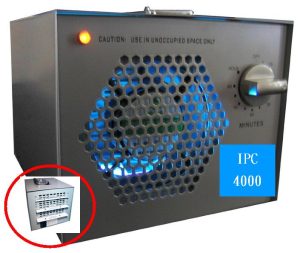
How to Prepare Your Home for Wildfire Smoke Season

Introduction — Why Wildfire Smoke Season Matters for Indoor Air

Wildfire smoke isn’t just an outdoor problem — smoke particles (especially PM2.5) can easily infiltrate your home, leading to poor indoor air quality and potential health risks for anyone breathing that air, especially children, older adults, and people with respiratory conditions. Agencies like the **U.S. EPA recommend creating a “clean air room” and using portable air cleaners during wildfire events to reduce smoke particle exposure indoors.

With wildfire seasons becoming more frequent and intense, it’s essential to prepare your home in advance. Below is a complete clean air preparation guide plus solutions using Alpine Air Technologies purifiers.


1. Know What Wildfire Smoke Can Do Indoors

Wildfire smoke contains fine particles and harmful pollutants that can:

  • Settle on surfaces and remain airborne for hours

  • Trigger allergies, coughing, and breathing discomfort

  • Exacerbate asthma, cardiovascular issues, and other health problems

Smoke particles are very small (PM2.5) and can penetrate deep into lungs, posing a health risk if indoor air isn’t protected.


2. Create a “Clean Air Room” in Your Home

A clean air room is a dedicated indoor space where you minimize smoke intrusion and use air purification to keep the air inside as clean as possible.
EPA guidelines include:
✔ Choose a central room where the family can gather
✔ Keep doors and windows closed tight
✔ Avoid use of exhaust fans that pull outdoor air in
✔ Run portable air cleaners continuously on high when smoke is present


3. Seal Your Home Against Smoke Entry

Close all windows and doors when wildfire smoke is present
Turn off fresh-air intake on HVAC or air conditioning systems so they don’t draw smoky outdoor air inside
✔ Use draft stoppers or weather stripping around doors and windows to reduce gaps

These steps help minimize smoke infiltration and keep your home’s indoor air cleaner and safer.


4. Use the Right Air Purifiers (With Product Suggestions)

Portable air cleaners are a cornerstone of wildfire smoke protection. Below are excellent Alpine Air products suited for various spaces:


Fresh Air LA-3500 v2.0 — Wide-Area Smoke & Odor Removal

The Fresh Air LA-3500 v2.0 provides broad coverage for larger indoor areas, helping reduce smoke particles, chemical odors, and airborne pollutants that seep inside during wildfire season. Combined with closed windows and ventilation adjustments, this unit helps maintain cleaner indoor air.

✔ Great for living rooms, family spaces, and open floor plan areas


Alpine Living LA-1500 v2.0 — Balanced Indoor Smoke Protection

The Alpine Living LA-1500 v2.0 is ideal for everyday indoor spaces like bedrooms or offices. Its technology works quietly 24/7 to help capture smoke particles and odors — making rooms more comfortable during extended smoke events.

✔ Effective for mid-sized rooms


Alpine Pass LA-1000 v2.0 — Everyday Defense Against Smoke Irritants

Compact and reliable, the Alpine Pass LA-1000 v2.0 is great for smaller areas or secondary spaces like kids’ rooms or home offices during smoke season. Its continuous purification helps reduce small fine particles and airborne irritants from smoky outdoor air.

✔ Good for living rooms, bedrooms, dens


Single Room LA-500 v3.0 — Targeted Smoke Control

The Single Room LA-500 v3.0 works well in enclosed or targeted areas where you spend a lot of time — such as a bedroom or study — helping keep breathing air cleaner during smoke events.

✔ Great for smaller indoor spaces


IPC-4000 Industrial Power Air Cleaner — Heavy-Duty Smoke & Odor Control

For chronic and extreme indoor air challenges during wildfire season — like heavy smoke infiltration or lingering odors — the IPC-4000 offers industrial-grade purification power to handle large volumes of indoor air.

✔ Excellent for basements, workshops, or larger commercial use


5. Maintain Your HVAC & Filtration Systems

When wildfire smoke is expected:

✔ Use a high-efficiency HVAC filter (MERV 13 or higher) if your system allows it — this helps trap smaller smoke particles from recirculated air.
✔ Replace HVAC and air purifier filters more frequently if they appear heavily soiled.
✔ Set your furnace/air handler to “on” instead of “auto” so air circulates through filters more often.

These steps improve your existing system’s ability to reduce airborne particulate matter, including wildfire smoke.


6. Reduce Indoor Activities That Can Worsen Smoke Levels

During smoke events (especially when air quality is poor outdoors):

✔ Avoid cooking with high heat (frying, broiling)
✔ Don’t burn candles, incense, or use fireplaces
✔ Postpone vacuuming (especially without a HEPA vacuum)
✔ Avoid smoking indoors
These activities release additional particles and gasses that make indoor air worse — compounding the impact of outdoor smoke.


7. Monitoring Air Quality & Staying Informed

✔ Check your local Air Quality Index (AQI) before planning activities outside or opening windows.
✔ Use apps or websites like AirNow.gov for real-time smoke reports.
✔ When AQI is high, keep windows closed and run your purifiers on higher settings for maximum benefit.


8. After the Smoke Clears — Don’t Stop at Cleanup

Wildfire smoke particles can remain on surfaces long after visible smoke has gone. Experts recommend:

Wet dusting and mopping to reduce settled smoke particles
✔ Laundering curtains, bedding, and clothing exposed to smoke
✔ Continuing purifier use for a while after air quality improves

Studies show that particles can persist on indoor materials and may contribute to irritation if not cleaned up. (Surface chemistry research suggests particles deposit and decay slowly without proper cleaning.)


Conclusion — Stay Prepared for Smoke Season, Year-Round

Wildfire smoke season doesn’t have to compromise your home’s indoor air quality. With preparedness, smart air sealing, and the right air purification strategy, you can significantly reduce indoor smoke exposure and keep indoor air healthier and more comfortable.

From whole-room solutions like the Fresh Air LA-3500 v2.0 to focused units like the Single Room LA-500 v3.0, Alpine Air Technologies offers a range of products to help every home face smoke season with confidence.

👉 Explore Alpine Air Technologies purifiers here:
https://alpineairtechnologies.com/products/ (alpineairtechnologies.com)
Back-to-School Clean Air Checklist: Tips & Alpine Air Purifier Solutions

Introduction: Start the School Year With Healthy Indoor Air

As the school year begins, many families focus on school supplies, schedules, and routines — but indoor air quality is another essential that’s often overlooked. Children and adults alike spend long hours indoors during homework, rest, and play. Dust, pollen, pet dander, VOCs from art supplies and cleaning products, and even airborne viruses can circulate unnoticed in your home’s air.

Using an air purifier can help reduce many of these contaminants — especially during the busy fall season when windows stay closed and pollutants accumulate. Alpine Air Technologies’ range of Living Lightning™ purifiers addresses indoor air pollution and helps create a cleaner, fresher environment for learning and breathing at home.


🎒 Back-to-School Clean Air Checklist

1. Deep Clean High-Traffic Areas

Before school starts, vacuum carpets and upholstery, dust shelves, and wash bedding to reduce dust and allergens. Regular cleaning reduces the amount of airborne particles that children and adults breathe daily.


2. Run Air Purifiers in Key Rooms

Running air purifiers continuously, especially in bedrooms and living areas, helps remove airborne particles before they recirculate.

Fresh Air LA-3500 v2.0 — Whole-Room Purification

The Fresh Air LA-3500 v2.0 offers wide coverage (up to approximately 3,500 sq.ft), making it ideal for shared living spaces, study areas, or playrooms where families gather. Its Living Lightning™ technology helps reduce dust, pollen, odors, and airborne irritants that can worsen allergy symptoms.

Best for:
✔ Family rooms and shared spaces
✔ Larger open floor plans


Alpine Living LA-1500 v2.0 — Balanced Home Air Cleanser

The Alpine Living LA-1500 v2.0 delivers balanced air purification and helps reduce common indoor pollutants like dust, pet dander, and pollen. It’s a great choice for bedrooms, offices, or classrooms within your home where children study.

Best for:
✔ Bedrooms
✔ Home study areas
✔ Medium-sized rooms


Alpine Pass LA-1000 v2.0 — Everyday Indoor Air Support

Compact and reliable, the Alpine Pass LA-1000 v2.0 is designed for spaces up to ~1,000 sq.ft., helping maintain quality air in high-use areas like living rooms or common play spaces. Its Living Lightning™ technology works quietly and continuously to reduce allergens and odors.

Best for:
✔ Everyday household areas
✔ Apartments or condos


Single Room LA-500 v3.0 — Targeted Small Space Cleaner

The Single Room LA-500 v3.0 is perfect for smaller spaces like children’s bedrooms or home studies where focused air cleaning helps reduce local irritants — especially useful during evening homework or reading time.

Best for:
✔ Small rooms
✔ Study corners or nap areas


3. Reduce Germ Spread During Cold & Flu Season

As schools return in fall, colds and seasonal viruses become more common. Although air purifiers aren’t medical devices, cleaner air can reduce airborne particles and microbial contaminants that circulate indoors.

👉 Place purifiers where family members spend the most time — especially near sleeping areas and homework desks. A well-maintained air purifier running daily can help lower irritants and support better breathing.


4. Improve Ventilation Without Losing Heat or AC

Open windows briefly when outdoor air quality is good to refresh indoor air. Ventilation helps dilute indoor pollutants that accumulate in enclosed spaces. Pairing short ventilation with daily purifier use enhances overall air quality.


5. Monitor Common Allergy Triggers

Children and teens often suffer from seasonal allergies — especially when outdoor allergens like ragweed, pollen, or mold are prevalent. Watch for symptoms such as:

  • Sneezing or itchy eyes

  • Persistent congestion

  • Coughing or sore throat

  • Fatigue or difficulty concentrating

Reducing allergens indoors — through cleaning and air purifiers — can help minimize allergy flare-ups that interfere with learning and sleep.


6. Keep Electronics & Bedding Clean

Electronics and soft furnishings collect dust and dander over time, which later becomes airborne. Wiping down screens and washing bedding weekly decreases these sources of particles.


7. Establish a Clean-Air Routine

Consistency is key. Build easy habits into your back-to-school transition, such as:

✔ Turning on air purifiers first thing in the morning
✔ Running them through evening routines
✔ Cleaning air purifier plates/filters monthly
✔ Rotating units between rooms as needed

These habits make clean air part of your family’s daily routine.


Benefits of Cleaner Indoor Air for School Success

Improved air quality supports:

🌟 Better focus and learning — fewer irritants help reduce distraction and discomfort.
🌟 Fewer allergy symptoms — smoother breathing helps kids stay alert.
🌟 Enhanced sleep quality — consistent clean air at night reduces congestion and irritation.
🌟 Overall wellbeing — less indoor pollution means fewer headaches, fatigue, and respiratory stress.

A cleaner indoor environment sets the stage for a healthy, productive school year that boosts comfort, learning, and respiratory health.


Conclusion: A Clean-Air Start for Back-to-School Success

Getting your home’s indoor air ready for back-to-school season is just as important as packing lunches and checking school supplies. With a solid checklist — including cleaning, ventilation, and strategic air purification — you can create a healthier home environment for kids and adults alike.

Alpine Air Technologies offers a range of air purifiers suited to homes of all sizes, helping families reduce indoor allergens, odors, dust, and other contaminants for a fresher school year.

👉 Explore Alpine Air purifiers to support clean indoor air:
https://alpineairtechnologies.com/products/
Winter Indoor Air Quality Challenges & Solutions

Introduction: Why Winter Indoor Air Quality Gets Worse

Winter brings cozy nights, warm blankets, and sealed windows — but it also brings poor indoor air quality (IAQ). When temperatures drop, homes become tightly sealed to preserve heat. That often leads to stagnant air, higher pollutant concentrations, and increased exposure to allergens and irritants that can worsen allergies, asthma, coughing, dry throats, and fatigue.

The challenges are real:

  • ❄️ Lack of ventilation lets contaminants build up inside.

  • 🌬️ Dry air from heating systems can irritate nasal passages and airways.

  • 🐶 More time indoors — and more dust, pet dander, and odors circulate.

Seasonal strategies help reduce airborne pollutants during winter — and pairing them with the right air purifiers from Alpine Air Technologies makes your winter air cleaner and healthier.


Winter Air Quality Problem #1: Trapped Indoor Pollutants

With windows closed to keep heat inside, indoor air can become stale and filled with:

  • Dust and dust mites

  • Pet dander

  • Cooking odors

  • VOCs from cleaning products

  • Mold spores from condensation
    These can aggravate allergies, asthma, and respiratory discomfort without proper air circulation.


Solution #1: Use a High-Coverage Air Purifier

Fresh Air LA-3500 v2.0 — Whole-Room Winter Air Cleaner

The Fresh Air LA-3500 v2.0 is one of Alpine Air’s most versatile models — great for living rooms, open spaces, and high-traffic winter areas. It helps reduce:

  • dust and pollen

  • odors from cooking and pets

  • airborne particulates that stagnate when windows stay shut
    This model uses Living Lightning™ technology to keep indoor air feeling fresher.

Best for: Whole-home coverage during winter months.


Winter Air Quality Problem #2: Dry, Irritating Air

Indoor heating reduces humidity, leading to very dry air — which can:

  • Dry out nasal passages and skin

  • Worsen allergy and asthma symptoms

  • Leave you feeling tired or uncomfortable

Rather than opening windows (which wastes heat), a purifier helps circulate and clean the air without letting cold air in.


Solution #2: Mid-Range Air Purifiers for Continuous Circulation

Alpine Living LA-1500 v2.0 — Balanced Winter Air Support

The Alpine Living LA-1500 v2.0 is ideal for most homes — giving continuous purification that helps reduce stale air and maintain a more comfortable IAQ throughout winter.

Best for: Bedrooms, offices, and living areas.


Winter Air Quality Problem #3: Increased Pet & Household Allergens

Cold weather keeps pets indoors more often — which increases pet dander, hair, and allergens. This can trigger symptoms such as sneezing and congestion, especially during winter when air is already stagnant.


Solution #3: Compact & Targeted Air Cleaners

Alpine Pass LA-1000 v2.0 — Everyday Allergy Support

OLYMPUS DIGITAL CAMERA

The Alpine Pass LA-1000 v2.0 is a compact winter favorite for targeted air cleaning in common areas. It’s especially helpful when you:

  • want to control pet dander and dust

  • live in colder climates

  • run heating systems most of the season

Best for: Living rooms, dens, and everyday spaces.


Single Room LA-500 v3.0 — Focused Winter IAQ Boost

The Single Room LA-500 v3.0 is perfect for smaller areas such as:

  • bedrooms

  • kids’ playrooms

  • home offices
    It helps keep winter air from feeling stuffy and reduces allergens that accumulate in enclosed spaces.


Winter Air Quality Problem #4: Mold, Mildew & Moisture

Condensation on windows and cold surfaces can lead to moisture buildup, which can promote mold and mildew growth — a major winter IAQ concern if untreated.


Solution #4: Heavy-Duty Purification & Odor Control

IPC-4000 Industrial Power Air Cleaner — Severe IAQ Trouble Area Solution

The IPC-4000 Industrial Power Air Cleaner is designed to tackle:

  • mold and mildew spores

  • bacteria and viruses

  • chemical odors and heavy contaminants
    This unit is ideal for areas that see higher moisture or activity — like basements, laundry rooms, or workshops — where winter humidity and stagnation can worsen air quality.

Best for: Large spaces and severe indoor air challenges.


Actionable Winter IAQ Tips to Combine With Purification

❄️ 1. Practice Brief Ventilation

Even in cold weather, briefly open windows (about 5–10 minutes) to refresh indoor air and reduce contaminants that purifiers may miss. This technique — known as “lüften” — helps flush out old, polluted indoor air.

🔥 2. Change HVAC Filters Regularly

Your HVAC filter traps dust and airborne particles. Replacing it according to manufacturer recommendations helps your whole-home air system work more efficiently.

💧 3. Maintain Proper Humidity

Ideal indoor humidity during winter is around 30–50%. Balanced humidity prevents dry skin and respiratory irritation and makes purifiers more effective.

🧹 4. Clean Surfaces Frequently

Vacuum, dust, and wipe down common surfaces weekly to reduce settled particles that can re-enter the air stream.


Why Alpine Air Purifiers Are a Good Winter Choice

Alpine Air systems work continuously in the background to reduce a wide range of indoor pollutants — including dust, pollen, odors, and airborne microbes — helping keep air fresher and healthier throughout cold months. They use technology inspired by natural air cleansing processes rather than just a single mechanical filter.


Conclusion: Better Winter Air Starts With Prevention & Purification

Winter air quality challenges — from stagnant, dry air to allergens and odors — are real and common. But by combining smart winter routines with the right air purifier from Alpine Air Technologies, you can create a healthier indoor environment for your family and home.

👉 Explore all Alpine Air purifiers to find your winter IAQ solution:
https://alpineairtechnologies.com/products/
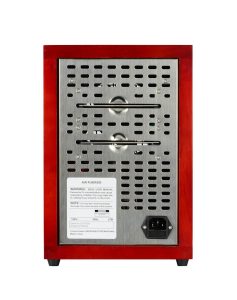
Spring Air Quality & Allergy Prevention Tips

Introduction: Spring Brings Fresh Air — and Pollen

Spring is a beautiful season — warmer weather, blooming flowers, and more time outdoors. But for millions of people, spring also means seasonal allergies and poor indoor air quality as pollen, mold spores, dust, and other airborne irritants find their way indoors.

Spring cleaning, open windows, and increased outdoor activity can stir up allergens that trigger sneezing, itchy eyes, congestion, and fatigue. Many allergy sufferers also find that indoor air can be as bad or worse than outdoors because particles settle and re-circulate inside. Air purifiers are a powerful tool to help reduce indoor allergens and support healthier breathing throughout the spring season.

Here’s how to keep your indoor air fresh and allergy symptoms low this spring — along with real Alpine Air products to help.


1. Run Your Air Purifier Continuously During Pollen Peaks

Even on days when outdoor air seems fresh, pollen counts can be high in the morning and evening. Running your air purifier continuously helps capture and reduce pollen and allergen buildup indoors.

Alpine Air Purifier Recommendations

Below are Alpine Air units that help reduce common spring allergens like pollen, dust, mold spores, and pet dander:


Fresh Air LA-3500 v2.0 — Broad Coverage for Whole-Home Protection

The Fresh Air LA-3500 v2.0 delivers wide-area indoor air purification — ideal for open floor plans and spring allergy seasons when pollen and dust levels rise. This unit uses Alpine’s Living Lightning™ Alpine Air technology to help reduce airborne irritants around your entire living space, so rooms feel cleaner and fresher throughout the day.


NA Flare LA-2700 v2.0 — Mid-Size Room Air Cleaning

The NA Flare LA-2700 v2.0 is an excellent mid-range purifier. It helps reduce dust, pollen, pet dander, and odors — all common spring irritants that can hang in the air and contribute to allergies.


2. Clean Air at the Source: Limit Pollen Entry Indoors

Keep windows and doors closed during peak pollen times (early morning and evening).
Use doormats and remove shoes at the door to reduce tracked-in allergens.
Frequently vacuum floors and upholstery with a HEPA-equipped vacuum.
Shower and change clothes after outdoor activities to prevent pollen from re-entering sleeping areas.


3. Target Smaller Spaces With Compact Purifiers

For bedrooms, home offices, or nurseries where allergy symptoms are often noticed most, using a focused air purifier can make a big difference.

Alpine Single Room LA-500 v3.0 — Focused Allergy Reduction

The Alpine Single Room LA-500 v3.0 is built for smaller spaces up to around 500 sq.ft. It helps reduce pollen, dust mites, odors, smoke, and chemical gases — giving you cleaner air right where you spend your time.


4. Combine Air Purification With Smart Spring Cleaning

Spring cleaning can stir up dust and allergens before they settle. Combat this by:

✔ Dusting surfaces with damp cloths
✔ Vacuuming carpets and rugs frequently
✔ Cleaning or vacuuming air ducts and vents
✔ Wiping down pet beds and soft surfaces

Dust and allergens can quickly get airborne during cleaning, so run your air purifiers while cleaning and for a few hours afterward to catch stirred-up particles.


5. Don’t Forget Common Allergy-Trigger Rooms

Alpine Pass LA-1000 v2.0 — Everyday Allergy Support

The Alpine Pass LA-1000 v2.0 is affordable and reliable for year-round indoor air improvement. It helps maintain cleaner breathing air in common areas like living rooms and kitchens — essential during spring when surfaces accumulate more allergens.


6. Consider Heavy-Duty Purification for Large or Busy Spaces

If pollen, mold, or odors are heavier due to pets, renovations, or open layouts:

Silent Thunder LA-2400 v2.0 — Strong Allergy Protection

The Silent Thunder LA-2400 v2.0 offers robust purification for larger homes or spaces up to ~2400 sq.ft., helping keep spring allergens under control even in bigger living areas.


7. Use Seasonal Habits to Support Air Quality

Monitor local pollen counts so you know when to keep windows shut and purifiers running high.
Run purifiers before bed — many people experience more symptoms at night when allergens have had time to accumulate.
Maintain indoor humidity levels (ideally 30–50%) to reduce mold spores and dust mite proliferation.


8. Why Continuous Purification Works

Air purifiers aren’t a one-time solution — spring allergy prevention is about consistent air treatment. Devices that operate 24/7 help continuously capture and reduce tiny particles that traditional cleaning alone can’t reach. Research shows that air cleaners, especially during high allergen times like spring, can help lower airborne particulate levels and reduce symptoms such as sneezing and congestion.


Conclusion: Spring Forward With Cleaner Air

Spring brings revival and renewed energy — but it doesn’t have to bring allergy misery. By combining smart habits (closed windows on high pollen days, targeted cleaning) with continuous air purification from Alpine Air Technologies, you can enjoy a fresher, healthier indoor environment. From compact room units like the Alpine Single Room LA-500 v3.0 to whole-room systems like the Fresh Air LA-3500 v2.0, there’s an Alpine Air solution for your spring air quality needs.

👉 Explore all Alpine Air purifiers to find the right fit for your home:
https://alpineairtechnologies.com/products/
Comparing Air Purifiers: Alpine Air vs. Traditional HEPA Systems

Introduction — Why Choosing the Right Air Purifier Matters

Indoor air quality (IAQ) affects comfort, health, and overall wellbeing — especially in homes with allergies, pets, smoke, or chemical odors. When shopping for an air purification solution, most consumers encounter two main types of technology:

  1. Traditional HEPA Air Purifiers — mechanical filtration that traps particles passing through a physical filter.

  2. Alpine Air Technologies Purifiers — systems using proprietary Living Lightning™ ionization and activated oxygen (O₃) technologies that treat air throughout the room, not just air drawn into a filter.

Understanding the differences helps you choose a solution that matches your space, concerns, and lifestyle.


How Traditional HEPA Systems Work

HEPA stands for High Efficiency Particulate Air. A true HEPA filter captures at least 99.97% of particles as small as 0.3 microns — including dust, smoke particulate, pollen, and pet dander — as air passes through the filter.

Pros of HEPA Systems

  • Proven, measurable removal of particulate matter

  • Effective for allergens, dust, and smoke particles

  • No intentional ozone production

Cons of HEPA Systems

  • Air is only cleaned after it passes through the filter

  • Filters require regular replacement (usually every 6–12 months)

  • Standard filters do not remove gases or odors without activated carbon added

  • Only a portion of the room air passes through the unit at any one time


How Alpine Air Technologies Purifiers Work

Alpine Air Technologies purifiers use a unique approach inspired by natural atmospheric processes: they generate negative ions and activated oxygen (O₃) — similar to the “fresh air” smell after a thunderstorm — to help treat the air in the entire room.

Negative ions attach to airborne particles, making them heavier so they fall out of breathable air, while activated oxygen works to reduce odors and airborne contaminants at the molecular level. These systems actively treat the air you breathe, rather than waiting for air to pass through a filter.


Key Differences: Alpine Air vs. HEPA Filters

Feature Alpine Air Technologies Traditional HEPA Purifiers
Air Treatment Active room air treatment (ion + activated O₃) Passive filtration through filter media
Particles Captured Particles, odors, microbes, gases Particulate matter (with optional carbon)
Odor & Gas Removal Better at odors and chemical gases Needs activated carbon add-on
Filter Replacement Minimal or no HEPA replacement Frequent filter replacement required
Coverage Method Actively spreads throughout room Only air that goes through unit
Maintenance Plate cleaning, occasional filter wash Filter replacement 1–2x per year

Traditional HEPA systems work well at mechanically removing particles that pass through the unit, while Alpine Air’s technology is designed to treat all the air in the room, not just what passes directly through mechanical media.


Comparing Performance on Common Pollutants

Air purifiers are often evaluated by their ability to handle:

Dust & Allergens

  • HEPA: Excellent at trapping dust, pollen, and pet dander in the filter.

  • Alpine Air: Negative ions help clump dust and particles for faster removal from breathing air.

Smoke & Odors

  • HEPA: Good at particles; needs activated carbon to address odors and VOCs.

  • Alpine Air: Active oxygen and ions break down odor molecules and smoke particles.

Microbial Contaminants

  • HEPA: Traps microbes captured in airflow; doesn’t neutralize them.

  • Alpine Air: Negative ions and O₃ can help reduce airborne microbes at a molecular level.


Alpine Air Product Line (Photos & Solutions)

Below are some Alpine Air products that reflect their Living Lightning™ technology, suitable for a range of indoor air challenges:

Fresh Air LA-3500 v2.0 — High-Performance Whole-Room Cleaner

The LA-3500 v2.0 combines ionization, activated oxygen, and advanced sanitizing tech for expansive coverage and odor reduction. It’s designed for homes, offices, and larger spaces — targeting particles, odors, microbes, and smoke simultaneously.

✔ Wide area coverage
✔ Reduces odors and smoke
✔ Stainless steel design for durability


NA Flare LA-2700 v2.0 — Mid-Range Air Purification

The NA Flare LA-2700 v2.0 uses the same technology to neutralize dust, pet dander, pollen, and odors in mid-size rooms — treating air throughout the space rather than waiting for it to pass through a filter.


Alpine Pass LA-1000 v2.0 — Everyday Indoor Air Cleaner

This unit offers reliable purification for standard rooms, helping reduce common indoor pollutants like dust and odors without frequent filter replacements.


Alpine Single Room LA-500 v3.0 — Focused Cleaner

Ideal for bedrooms and small spaces, the LA-500 v3.0 helps purify air quickly where people spend the most time.


Alpine Air AP300 — Large Coverage Power

The AP300 handles larger homes, offices, or workshops with active purification that doesn’t rely on limited filter throughput — making it effective across wide spaces.


Which Is Right for You?

Choose Traditional HEPA If:

✔ Your priority is verified mechanical capture of particles like dust, pollen, and smoke droplets
✔ You want defined filter ratings like HEPA 13 or HEPA 14
✔ You prefer no intentional ozone generation

Choose Alpine Air If:

✔ You want active room air treatment that reaches every corner of the space
✔ You seek better odor and gas breakdown (not just particle capture)
✔ You want less frequent maintenance and no regular filter replacements
✔ You value a blend of ions, activated oxygen, and sanitizing technologies


Maintenance & Cost Considerations

HEPA Systems

  • Require regular filter replacements — often every 6–12 months.

  • Costs add up over time with filters and specialized media.

Alpine Air

  • Mostly filter-free or washable plates — minimal maintenance.

  • Cleans air without blocking airflow, maintaining consistent circulation.


Conclusion: Better Air Quality, Better Choices

Air purifiers serve a critical purpose — from reducing allergens and smoke particles to removing odors and improving comfort. Traditional HEPA systems are proven at mechanical particle capture, while Alpine Air Technologies purifiers offer active, room-wide purification that tackles odors and airborne contaminants without frequent filter swaps.

Whether you prioritize mechanical filtration or active air treatment, understanding these differences helps you choose the right solution for your home or workspace.

👉 Explore Alpine Air products here: https://alpineairtechnologies.com/products/

Before & After Indoor Air Quality Test Results (With Data)

Introduction: Why Real IAQ Data Matters

Indoor air quality (IAQ) isn’t just a concept — it’s measurable. Studies repeatedly show that air purifiers can significantly reduce levels of harmful particles like PM₂.₅ and PM₁₀ (tiny airborne particles linked to respiratory issues), causing improvements in air quality and real health benefits over time.

For example, a study measuring particulate matter before and after air purifier use found significant reductions in fine particles:

  • PM₁ decreased by an average of ~40%

  • PM₂.₅ decreased by ~39%

  • PM₁₀ decreased by ~21%
    when air purifiers were operated in a real-world indoor setting (a therapy room) versus baseline conditions without a purifier.

These results underscore how air purifiers can improve indoor air quality with measurable data — particularly reducing fine airborne particles that affect health and comfort.


Before & After: What the Data Shows

📉 Particulate Matter Reduction

Particles measured: PM₁, PM₂.₅, PM₁₀
In the peer-reviewed study referenced above:

  • PM₂.₅ levels — reduced by ~39% after purifier operation.

  • PM₁ — reduced by ~40% overall.

  • PM₁₀ — reduced by ~21% even in larger particle classes.

These data show that across a range of particle sizes, air purifiers can significantly lower indoor air pollution when properly sized for the space.

📊 Indoor/Outdoor Air Ratios Improved

The same study also compared indoor/outdoor (I/O) particle ratios before and after air purification, finding significant reductions in the relative indoor concentrations of PM₂.₅ and PM₁₀ — showing that purified indoor air was much cleaner relative to outdoor air levels after purifier use.

🧠 Health-Related Findings in Other Research

Another study found that 12-week use of air purifiers in homes of children with asthma significantly reduced PM₂.₅ concentrations by ~43%, and correlated with reduced allergy and asthma symptoms.


What Do These Improvements Mean in Everyday Life?

When PM₂.₅ — tiny particles known to penetrate deep into lungs — is reduced by significant percentages, indoor air becomes healthier and more comfortable.

Here’s what real improvements can translate to:
Less respiratory irritation & coughing
Fewer allergy flare-ups
Better sleep quality
Less odor & haze in indoor spaces
Lower long-term exposure risks

This is why measurable IAQ test data matters — it shows quantifiable changes, not just assumptions.


Alpine Air Technologies Products That Help Improve Indoor Air (With Visuals)

Here are some Alpine Air purifier models that people use to achieve cleaner, healthier indoor air — similar to the measured improvements above when air purifiers are properly sized and operated.


Fresh Air LA-3500 v2.0 — Whole-Room Purification

The Fresh Air LA-3500 v2.0 provides broad coverage for large rooms or open floor plans. Its continuous operation can reduce airborne particulate matter like PM₂.₅ — improving air quality similar to the before/after effects seen in controlled studies.

✔ Reduces fine particles and odors
✔ Suitable for large living rooms, offices, and commercial spaces


Silent Thunder LA-2400 v2.0 — Powerful Mid–Large Space Cleaner

The Silent Thunder LA-2400 v2.0 offers enhanced airflow and purification performance for medium-to-large spaces, making it effective in reducing airborne contaminants that contribute to high PM₁₀ and PM₂.₅ readings.

✔ Great for family rooms or multi-use spaces
✔ Helps maintain consistently lower PM levels


Alpine Living LA-1500 v2.0 — Balanced Home or Office Solution

This mid-range purifier is ideal for homes, offices, or shared spaces. It can help lower allergen levels and particulates throughout daily use — contributing to visible before versus after improvements over time.

✔ Balanced performance
✔ Continuous airborne contaminant removal


Alpine Pass LA-1000 v2.0 — Everyday Cleaner for Small Spaces

The Alpine Pass LA-1000 v2.0 is great for smaller rooms where localized improvements can be measured quickly — especially in bedrooms, offices, or smaller indoor environments.

✔ Compact, effective purification
✔ Helps lower particle counts where people breathe most


Alpine Single Room LA-500 v3.0 — Targeted Air Quality Improvement

For targeted performance — especially in enclosed or smaller spaces — the LA-500 v3.0 is suited to reducing regional particulate and allergen loads that would show up on IAQ tests.

✔ Ideal for bedrooms and personal areas
✔ Helps lower PM levels in breathing zones


Why Before & After Testing Is Important

Measuring indoor air quality both before and after running an air purifier helps you:

🔹 Understand true performance impact
🔹 Compare PM₂.₅, PM₁₀, and other pollutant levels
🔹 Track health-related improvements over time

Studies show that even short-term operation of high-quality air purifiers can significantly lower particulate matter concentrations — reducing health risks and improving comfort.


Tips for Accurate Air Quality Testing at Home

✔ Use validated air quality monitors that measure PM₂.₅ and PM₁₀
✔ Test before running your purifier to establish a baseline
✔ Test again after 24–72 hours of continuous operation
✔ Compare results to see real improvements

Collecting data helps you choose the right model and placement strategy — since performance can vary based on room size and pollutant sources.


Conclusion: Data-Driven Clean Air

Indoor air quality improvement isn’t just anecdotal — it can be measured and quantified. Studies show significant reductions in fine and coarse particulate matter when air purifiers are used, and household air purifiers can create healthier indoor environments with noticeable before/after improvement.

Alpine Air Technologies purifiers — from the Fresh Air LA-3500 v2.0 to compact Alpine Single Room LA-500 v3.0 — are designed to help deliver those cleaner air results in homes, offices, and shared spaces.

👉 Explore Alpine Air products here: https://alpineairtechnologies.com/products/
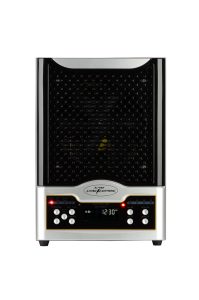
Air Quality Solutions for Schools & Daycare Centers

Introduction — Why Air Quality Matters in Educational Environments

Children spend a large portion of their day indoors — in classrooms, playrooms, and daycare centers. Poor indoor air quality in these settings can affect health, attendance, focus, and academic performance. Research links unhealthy indoor air to increased allergy symptoms, asthma triggers, coughing, headaches, and reduced cognitive function — all of which are especially impactful for young, developing lungs. Improving air quality isn’t just a comfort issue — it’s a child health and learning priority.

In this blog, we’ll explore top strategies for improving indoor air quality in educational spaces and real Alpine Air purifier solutions that schools and daycare centers can integrate.


Typical Air Quality Challenges in Schools & Daycares

Before solutions, let’s understand the common airborne issues many educational spaces face:

Dust, pollen & allergens tracked in on clothing or shoes
Indoor air stagnation due to closed windows & recirculated HVAC
Odors from meals, art supplies, and cleaning products
Pet dander in daycare environments with animal classroom activities
Mold spores in wet areas or older buildings
Airborne viruses and bacteria from high-traffic populations

Even high-quality HVAC systems can leave gaps in airborne purification — which is where dedicated air purifiers help.


How Air Purifiers Support Health & Focus

Air purifiers reduce airborne particles and odors through technologies like ionization, activated oxygen, and sanitization — helping lower exposure to irritants and microbial contaminants in enclosed spaces. Cleaner indoor air supports:

✔ Fewer allergy flare-ups
✔ Reduced respiratory irritation
✔ Better classroom focus and attention
✔ Less absenteeism due to environmental triggers
✔ Improved comfort for staff and children alike


Alpine Air Product Solutions for Schools & Daycare Centers

Below are Alpine Air Technologies products that are well-suited for classrooms, daycare playrooms, libraries, and shared educational spaces. Each includes a product picture and a short explanation of how it supports healthier indoor air.


Fresh Air LA-3500 v2.0 — Whole-Room Air Purifier

The Fresh Air LA-3500 v2.0 is designed for larger, shared spaces like classrooms or multipurpose rooms where a high volume of students gather. It continuously reduces airborne dust, pollen, odors, and irritants that can impact breathing comfort and attention.

Why it’s helpful in schools & daycares:

  • Covers large open areas

  • Helps reduce airborne irritants that cause sneezing and coughing

  • Works quietly in the background

👉 Ideal for classrooms, cafeterias, and shared activity areas.(alpineairtechnologies.com)


Silent Thunder LA-2400 v2.0 — Robust Classroom Cleaner

The Silent Thunder LA-2400 v2.0 delivers stronger purification for larger rooms or spaces with heavier airborne loads — like art labs, gymnasiums, or large playrooms.

Benefits for educational settings:

  • Strong coverage for medium-to-large rooms

  • Helps with dust, dander, and airborne particles common in busy environments

  • Quiet operation suitable for learning spaces


Alpine Living LA-1500 v2.0 — Balanced Air Cleaning

For standard classrooms and staff offices, the Alpine Living LA-1500 v2.0 provides balanced air purification that helps lower common indoor contaminants like:

✔ Dust
✔ Pet dander (from classroom pets)
✔ Pollen tracking in from outdoors
✔ VOCs from art supplies or cleaning products


Alpine Pass LA-1000 v2.0 — Compact & Versatile Air Cleaner

The Alpine Pass LA-1000 v2.0 works well for smaller spaces such as:

✔ Daycare sleep/nap areas
✔ Testing rooms
✔ Kindergarten reading corners
✔ Staff offices

It’s compact, effective, and easy to place where focused air cleaning is needed.


Alpine Single Room LA-500 v3.0 — Targeted Air Purification

Ideal for rooms with specific needs — like allergy-sensitive children’s areas, nurse offices, or small group learning spaces — the LA-500 v3.0 delivers localized purifier performance.


IPC-4000 Industrial Power Air Cleaner — Heavy-Duty Cleaning

For larger facilities or rooms that experience persistent air quality issues — such as gymnasiums, cafeterias, or busy workshops — the IPC-4000 offers industrial-grade air sanitization and odor control.

Why it’s helpful in larger facilities:

  • Strong purification capacity

  • Helps neutralize odors and airborne irritants

  • Supports spaces with heavy traffic


Tips for Implementing Air Purification in Schools & Daycares

Assess each room’s needs: Larger open spaces usually need higher coverage units, while small offices or nap rooms can use compact purifiers.
Continuous operation: Running purifiers throughout the day ensures ongoing removal of airborne irritants.
Combine with good ventilation: When outdoor conditions are suitable, periodic ventilation helps refresh indoor air.
Strategic placement: Near play areas, classrooms entrances, or HVAC outlets captures more circulating particles.
Schedule maintenance: Clean and check units periodically to ensure optimal performance.


Benefits of Cleaner Air in Educational Environments

🌟 Improved student focus and performance — cleaner air reduces distractions from itchy eyes and runny noses.
🌟 Fewer sick days — lower exposure to airborne irritants supports immune health.
🌟 Reduced odors and VOCs — creating a fresher, more pleasant learning environment.
🌟 Better sleep and comfort in daycare spaces — especially in nap areas and quiet zones.


Conclusion: Healthy Air Helps Students & Staff Thrive

Air quality is more than a comfort issue — it influences health, learning outcomes, and overall wellbeing for children, teachers, and caregivers. By integrating Alpine Air Technologies purifiers such as the Fresh Air LA-3500 v2.0, Silent Thunder LA-2400 v2.0, and Alpine Living LA-1500 v2.0 into schools and daycare centers, facilities can create cleaner, safer, more productive environments for professionals and kids alike.

👉 Explore all Alpine Air products for indoor air quality solutions:
https://alpineairtechnologies.com (alpineairtechnologies.com)

Commercial Air Purification: Offices, Restaurants & Workspaces

Introduction: Why Commercial Air Quality Matters

Indoor air quality (IAQ) in commercial environments — like offices, restaurants, and workspaces — directly affects the health, comfort, and productivity of everyone who enters the space. Poor air quality can lead to:

  • Employee fatigue, headaches & reduced focus

  • Increased allergy symptoms & respiratory irritation

  • Unpleasant odors in dining or customer spaces

  • Higher rates of sick days and absenteeism

These effects are well-documented: poor IAQ has been linked to decreased productivity and health problems in workplaces, prompting many organizations to prioritize cleaner air.

Air purifiers help reduce airborne contaminants such as dust, pollen, odors, smoke, VOCs, and fine particulates that traditional HVAC systems may miss — creating healthier, more comfortable commercial environments.


What Commercial Air Purification Solves

Commercial spaces often have unique challenges:

🏢 Offices: Open layouts with many occupants mean more airborne allergens and CO₂ buildup. Clean air helps employees feel better and stay focused.
🍽️ Restaurants: Cooking odors, smoke, food particles, and VOCs can linger, affecting customer comfort and dining experience. Clean air improves ambiance and guest satisfaction.
🏢 Workspaces: Dust, smoke, printing emissions, and chemical smells from supplies can create unhealthy indoor air, potentially irritating sensitive individuals.

These pollutants not only affect comfort but can contribute to what some health studies refer to as sick building syndrome, where occupants feel ill due to persistent indoor pollutants.


Alpine Air Products for Commercial & Business Spaces

Below are Alpine Air Technologies products that businesses can integrate to improve air quality — whether in a shared lounge, office floor, or public space.


Fresh Air LA-3500 v2.0 — Large Space Air Cleaner

The Fresh Air LA-3500 v2.0 is one of Alpine Air’s largest coverage units. It’s suitable for bigger commercial spaces like office common areas, combined meeting zones, or restaurant dining sections.

Key Benefits:
✔ Reduces airborne dust, smoke, and odors
✔ Effective for open floor plans
✔ Helps improve overall IAQ in high-traffic zones


Silent Thunder LA-2400 v2.0 — Powerful Mid-Size Coverage

The Silent Thunder LA-2400 v2.0 delivers strong performance for larger enclosed commercial spaces that require more robust air cleaning — like busy restaurants, shared office floors, or studios.

Key Benefits:
✔ Strong purification for mid- to large rooms
✔ Helps reduce lingering cooking odors and airborne irritants
✔ Quiet operation suitable for professional environments


Alpine Living LA-1500 v2.0 — Balanced Solution for Offices

This model is ideal for standard office environments, smaller breakout rooms, or reception areas. It continuously works to lower airborne dust, pollen, and VOCs — helping create a more pleasant environment for employees and guests.

Key Benefits:
✔ Balanced coverage for regular office spaces
✔ Helps reduce irritants that cause discomfort and fatigue
✔ Good fit for meeting rooms or private workspaces


Alpine Pass LA-1000 v2.0 — Compact Commercial Use

The Alpine Pass LA-1000 v2.0 is a smaller but versatile unit great for supplementing air purification in reception areas, small offices, or private consultation rooms in commercial settings.

Key Benefits:
✔ Compact and easy to place
✔ Ideal for targeted zones that need extra air cleaning
✔ Helps reduce airborne irritants efficiently


Alpine Single Room LA-500 v3.0 — Focused Cleaner for Smaller Areas

For individual offices, testing rooms, or intimate business spaces (like interview rooms or small meeting rooms), the LA-500 v3.0 provides focused air cleaning right where it’s needed most.

Key Benefits:
✔ Great for smaller enclosed spaces
✔ Helps maintain cleaner air around employees and clients
✔ Easy to install and maintain


Commercial Benefits: Productivity, Health & Experience

Modern workplaces aim to attract and retain employees — and air quality plays a role in wellbeing and productivity. Clean indoor air can:

🌿 Improve employee health and comfort — reducing headaches, fatigue, and irritation.
📈 Boost productivity — healthier air helps employees concentrate and work more effectively.
👥 Enhance customer experience — in restaurants and retail spaces, fresh air contributes to a welcoming environment.
🦠 Reduce airborne contaminants — including dust, pollen, and odors that accumulate in busy commercial settings.

Businesses that invest in better air quality showcase a commitment to staff wellbeing — an increasingly valued workplace feature.


Placement Tips for Commercial Purifiers

Near high-traffic zones — reception areas, break rooms, or dining zones collect the most pollutants.
Avoid blocked airflow — place purifiers where air can circulate freely.
Multiple units for large spaces — large open offices or restaurants often benefit from several units to maintain consistent coverage.


Conclusion: Why Businesses Should Prioritize Clean Air

In commercial environments like offices, restaurants, and workspaces, indoor air quality goes beyond comfort — it plays a role in health, productivity, customer experience, and overall business reputation. By deploying strategic air purification solutions from Alpine Air Technologies — such as the Fresh Air LA-3500 v2.0, Silent Thunder LA-2400 v2.0, and Alpine Living LA-1500 v2.0 — businesses can provide cleaner, healthier air that supports both employees and visitors.

👉 Explore all Alpine Air commercial-ready products:
https://alpineairtechnologies.com/products/
Real Stories: How Alpine Air Purifiers Helped Homes with Severe Allergies

🌿 Introduction: Allergy Struggles That Hit Home

Seasonal and chronic allergies affect millions of households each year, often triggering symptoms that interfere with everyday life — sneezing, congestion, itchy eyes, headaches, and even sleep disruption. Many families find that traditional HVAC filters and open windows simply don’t cut it. A dedicated air purification system can dramatically improve indoor air quality — and Alpine Air Technologies has helped countless homes do exactly that.

Below are real stories (paraphrased for clarity) and the Alpine Air purifiers that helped these families breathe easier.


🏠 Story #1: Allergy Relief for a Family Living Room

Before:
A family of four struggled with constant sneezing, runny noses, and itchy eyes — especially when playing in the living room together. Seasonal pollen, pet dander, and dust particles seemed to linger no matter how often they vacuumed.

After:
They introduced the Fresh Air LA-3500 v2.0 into their main living space, and within weeks, family members noticed clearer air, reduced sniffles, and fewer allergy flare-ups.

Fresh Air LA-3500 v2.0 — Broad Coverage for Allergy Prone Areas

The Fresh Air LA-3500 v2.0 covers large areas and helps reduce airborne allergens like dust, pollen, and pet dander — common triggers for indoor allergy symptoms. Its continuous cleaning helps families maintain fresher air throughout high-traffic rooms.

Best for: Large living areas, open floor plans


🧸 Story #2: Pet Allergies in a Small Home

Before:
A single parent and her young child had persistent congestion and coughing after running in and out of the house with their dog. Even daily cleaning couldn’t prevent airborne pet allergens from circulating.

After:
The Alpine Pass LA-1000 v2.0 placed in their living space helped noticeably reduce these symptoms. The child began sleeping better at night without waking due to congestion.

Alpine Pass LA-1000 v2.0 — Targeted Smaller Space Cleaning

Designed for smaller indoor areas (up to ~1,000 sq.ft.), the Alpine Pass LA-1000 v2.0 delivers consistent purification ideal for homes with pets and allergy-sensitive residents.

Best for: Apartments, condos, bedrooms


🌸 Story #3: Allergy Triggers in a Mid-Size Home

Before:
Pollen season was a nightmare for one couple whose symptoms peaked every spring. Multiple attempts with HVAC filters and store-bought devices made little difference.

After:
Using the NA Flare LA-2700 v2.0 in their family room and master bedroom helped reduce airborne irritants — and evenings became more comfortable, with less sneezing and eye irritation.

NA Flare LA-2700 v2.0 — Mid-Range, High Performance

The NA Flare LA-2700 v2.0 is a mid-range unit balancing coverage and performance, helping remove airborne pollen, dust, and other allergy triggers from larger areas.

Best for: Spacious family rooms or combined living spaces


🛌 Story #4: Sleep Improvement After Allergy Symptoms

Before:
One household reported disrupted sleep due to nighttime congestion and sneezing — linked to dust and pollen brought in during daily activities.

After:
Placing the Alpine Single Room LA-500 v3.0 near the bedroom significantly reduced nighttime symptoms, helping family members wake up feeling more refreshed.

Alpine Single Room LA-500 v3.0 — Small Room Focused Air Cleaner

Perfect for bedrooms or personal spaces, the LA-500 v3.0 focuses on reducing airborne dust, pollen, and irritants right where you sleep.

Best for: Bedrooms, nurseries, small offices


🏢 Story #5: Heavy Duty Needs After Renovation Allergens

Before:
Renovation dust, plaster particles, and lingering chemical odors triggered severe coughing and irritation for a family with allergies.

After:
They used the IPC-4000 Industrial Power Air Cleaner in their basement and adjacent rooms — reporting a vast improvement in air quality and comfort.

IPC-4000 Industrial Power Air Cleaner — Maximum Sanitation & Odor Control

The IPC-4000 handles heavy pollution and odors — including renovation dust and chemical fumes — providing deeper sanitization for homes with severe indoor air quality challenges.

Best for: Basements, workshops, heavy-duty environments


💡 How Alpine Air Technology Helps Allergy Sufferers

Alpine Air purifiers use Living Lightning™ technology to continuously work in the background, reducing airborne particles and odor molecules in indoor spaces. This helps support cleaner, fresher air where families spend the most time.


🧠 Tips for Allergy-Sensitive Homes

Run purifiers continuously — consistent air cleaning ensures fewer triggers in the air.
Place units near high-activity zones like living rooms and bedrooms.
Keep windows closed during high pollen days to reduce outdoor allergen ingress.
Combine with cleaning routines — vacuuming and dusting help reduce settled allergens.


🏁 Conclusion: Real Relief With Alpine Air Purifiers

Countless homes have found real relief from severe allergies by using Alpine Air Technologies’ purifiers to reduce airborne pollens, dust, pet dander, smoke, and other irritants. Products like the Fresh Air LA-3500 v2.0, NA Flare LA-2700 v2.0, and Alpine Single Room LA-500 v3.0 play an important role in helping families breathe easier and live better.

👉 Explore Alpine Air’s full product line here:
https://alpineairtechnologies.com/products/
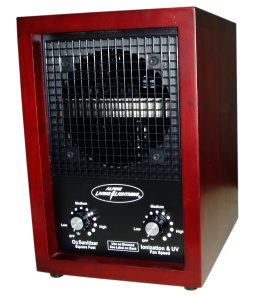
A Parent’s Guide to Healthy Indoor Air for Children

Introduction: Why Indoor Air Quality Matters Most for Children

Children’s lungs and immune systems are still developing, which makes them more vulnerable to poor indoor air quality than adults. Indoor environments can trap pollutants like dust, pollen, pet dander, smoke, chemical gases, and microscopic particles — even in seemingly clean homes. Poor indoor air has been linked to allergy flare-ups, asthma symptoms, coughing, throat irritation, and poorer sleep — all issues parents want to avoid.

Using an air purifier is one proven strategy to reduce airborne irritants and support healthier indoor air where kids live, sleep, and play. Here’s what parents need to know — and how Alpine Air Technologies products can help.


How Poor Indoor Air Can Affect Children’s Health

Children breathe more air per pound of body weight than adults, meaning pollutants can have a bigger impact on their developing bodies. Key effects include:

  • Increased allergy and asthma symptoms — airborne allergens trigger sneezing, itchy eyes, and wheezing.

  • Irritation of airways from fine dust, smoke, or chemical fumes.

  • Sleep disruption due to nasal congestion and breathing challenges.

  • Greater susceptibility to respiratory infections when airborne pathogens accumulate indoors.

Parents often notice improvements — fewer sniffles, less coughing, and better night rest — when air quality in children’s bedrooms and play areas is cleaner.


Alpine Air Products That Support Healthy Indoor Air for Kids

Below are Alpine Air purifiers suited for family homes with children, helping reduce airborne allergens, particulates, odors, and chemical irritants. All of these products use Living Lightning™ technology to improve indoor air quality.


Fresh Air LA-3500 v2.0 — Whole-Home Air Improvement

The Fresh Air LA-3500 v2.0 is designed for larger areas, making it ideal for family rooms or open floor plans. It continuously reduces dust, pollen, smoke, pet dander, and chemical smells — all common indoor triggers for allergies and respiratory irritation in kids.

✔ Covers large spaces and shared play areas
✔ Helps reduce common childhood irritants
✔ Works quietly for continuous air cleaning


🌼 NA Flare LA-2700 v2.0 — Mid-Range Family Coverage

The NA Flare LA-2700 v2.0 effectively purifies air in medium-sized rooms where kids spend a lot of time — bedrooms, dens, or study areas. It helps reduce airborne particles like dust, pollen, and dander that can trigger sneezing and discomfort.

✔ Mid-range coverage for toys, cribs, and bedrooms
✔ Reduces triggers linked to asthma and allergies
✔ Quiet and energy-efficient design


💤 Alpine Single Room LA-500 v3.0 — Focused Air Cleaning

For smaller rooms — like a nursery, toddler’s bedroom, or playroom — the Alpine Single Room LA-500 v3.0 delivers targeted purification that helps maintain clean breathing air where children spend most of their time.

✔ Relieves local airborne irritants
✔ Great for sleep and nap areas
✔ Easy setup — plug and play


🌬️ Silent Thunder LA-2400 v2.0 — Strong Purification for Multiple Rooms

The Silent Thunder LA-2400 v2.0 provides more powerful air purification for larger homes or areas with heavy allergen loads. It’s a good choice where multiple children live or play, helping reduce persistent dust and airborne irritants that can affect breathing comfort throughout the home.

✔ Large-area performance
✔ Great for family living rooms
✔ Helps reduce persistent airborne pollutants


🧼 IPC-4000 Industrial Power Air Cleaner — Heavy-Duty Sanitization

For homes with more serious indoor air challenges — such as chemical fumes from renovations or musty basements — the IPC-4000 adds extra sanitization power, reducing odors, gases, and microbial contaminants that can stress young lungs.

✔ Commercial-grade cleaning
✔ Helps neutralize chemical gases
✔ Best for large spaces and heavy duty use


Healthy Indoor Air Habits Every Parent Should Know

Improving air quality isn’t just about purifiers — it’s about habits that reduce pollutants at the source:

Ventilate safely — open windows when outdoor air quality is good.
Keep dust low — vacuum regularly with a HEPA-equipped vacuum.
Limit exposure to smoke and combustion fumes — gas stove use and indoor smoking can increase pollutants.
Monitor room placement — put a purifier where your child sleeps or plays for the best continuous air cleaning.


When to Use an Air Purifier for Children

Air purifiers are especially helpful when:

  • Allergy season is active

  • Children have asthma or frequent congestion

  • Pets add dander and odor

  • Local air quality is poor from wildfire smoke or pollution

When indoor air quality is improved, many parents report fewer allergy flare-ups, better sleep, and an overall healthier environment for children — aligning with broader health guidance about reducing particulate exposure indoors.


Conclusion: Breathe Better, Live Better — for Your Kids

Indoor air quality can significantly influence children’s respiratory health, comfort, and overall well-being. Using the right air purifiers — such as the Fresh Air LA-3500 v2.0, NA Flare LA-2700 v2.0, or Alpine Single Room LA-500 v3.0 — helps reduce common triggers like dust, pollen, smoke, and dander so your children can breathe easier day and night.

👉 Explore all Alpine Air purifiers:
https://alpineairtechnologies.com/products/
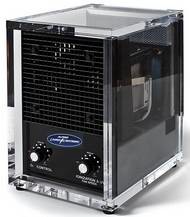
How Air Purifiers Help With Smoke, Chemical Odors & Fire Aftereffects

Introduction: Smoke, Chemical Odors & the Hidden Impact on Indoor Air Quality

Smoke and chemical odors — whether from wildfire smoke, cooking, nearby fires, tobacco, or household chemicals — can carry harmful tiny particles and volatile compounds into your indoor air. These airborne pollutants may linger long after the source is gone, impacting breathing comfort, triggering irritation, and causing general discomfort in your home.

Air purifiers help by reducing particulate matter and airborne contaminants that traditional ventilation and HVAC filters alone may not catch. Alpine Air Technologies’ Living Lightning™ purifiers are designed to target a wide range of airborne pollutants, including smoke, odors, and chemical gases, helping restore fresher, cleaner indoor air.


1. Smoke Particles and Indoor Air: Why It’s a Problem

Smoke contains microscopic particles and gases that can penetrate deep into your lungs. This includes:

  • Fine particulate matter (PM2.5) — very small soot particles

  • Tobacco smoke chemicals

  • Wildfire smoke residues

  • Burnt food or fireplace residues

Breathing smoke-laden air indoors can lead to coughing, irritation, headaches, and fatigue. Air purifiers capable of removing smoke particles and reducing odor can make indoor environments more comfortable and healthier.


2. Chemical Odors: A Common Indoor Air Concern

Chemical odors from cleaning products, paints, solvent use, or even after a small fire can linger indoors due to poor ventilation. Many typical HVAC filters struggle with odors and chemical gases because they mainly capture larger particles.

Air purifiers with activated carbon, ionization, or advanced sanitizing technologies are better at targeting odor molecules and chemical compounds that cause persistent smells. Alpine Air units are engineered to tackle these challenges directly.


Alpine Air Technologies Purifiers That Help With Smoke & Odors

Below are Alpine Air air purifiers equipped to reduce smoke, chemical odors, and fire aftereffects indoors. Each includes a product image you can embed in your blog.


Fresh Air LA-3500 v2.0 — Whole-Room Smoke & Odor Reduction

The Fresh Air LA-3500 v2.0 is one of Alpine Air’s most popular purifiers for larger areas. It’s engineered to help eliminate smoke particulates and neutralize odors that linger after cooking, fireplace use, or wildfire smoke infiltration.

Benefits:

  • Reduces fine smoke particles

  • Helps neutralize chemical and burnt odors

  • Ideal for living rooms and open spaces

👉 Great choice for broad indoor coverage and continuous air quality improvement.


Silent Thunder LA-2400 v2.0 — Powerful Mid-Size Smoke & Odor Control

The Silent Thunder LA-2400 v2.0 is designed for mid- to large-size indoor spaces, effectively reducing smoke, odors, and airborne chemical gases. Its Living Lightning™ technology helps clear particles that traditional filters miss.

Benefits:

  • Effective for spaces up to ~2,400 sq. ft.

  • Helps control persistent odors and chemical smell

  • Quiet operation for daily use

👉 Excellent for family rooms, workshops, or smoky environments.


Alpine Living LA-1500 v2.0 — Balanced Smoke & Odor Solution

A versatile model for medium-sized areas, the Alpine Living LA-1500 v2.0 helps reduce common airborne contaminants, including smoke and chemical odors, making indoor air feel fresher and healthier.

Benefits:

  • Reduces odors and smoke particles

  • Works well in bedrooms, offices, and main living spaces

  • Continuous purification for everyday comfort

👉 A strong all-around purifier for homes affected by lingering odors or moderate smoke.


Alpine Pass LA-1000 v2.0 — Everyday Smoke & Odor Relief

The Alpine Pass LA-1000 v2.0 is a compact unit offering reliable smoke and chemical odor reduction for smaller spaces or supplemental use in larger areas. It’s well-suited for homes with localized smoke or minor odors.

Benefits:

  • Reduces smoke particles and odors

  • Compact and easy to place in key areas

  • Great for apartments or bedrooms

👉 Simple and effective smoke odor reduction for everyday use.


Alpine Single Room LA-500 v3.0 — Targeted Smoke & Odor Cleanup

Ideal for bedrooms, dens, or other small areas affected by smoke or chemical smells, the Single Room LA-500 v3.0 helps purify the air where it matters most — especially when odors linger after cooking or small fire events.

Benefits:

  • Great for small, confined spaces

  • Reduces airborne smoke particles

  • Helps remove chemical odors

👉 Works well in sleeping areas or home offices.


IPC-4000 Industrial Power Air Cleaner — Heavy-Duty Smoke & Chemical Odor Removal

For spaces with heavier contamination — including fire aftereffects or significant chemical odors — the IPC-4000 provides industrial-strength purification and odor neutralization.

Benefits:

  • Handles severe odors and chemical gases

  • Kills bacteria, mold, and fungi linked with smoke damage

  • Built for high traffic or challenging environments

👉 Excellent choice for basements, workshops, or commercial areas with intense air quality challenges.


Tips for Handling Smoke & Chemical Odors Indoors

Run purifiers continuously — consistent air cleaning helps reduce lingering particles.
Close windows during smoke events — prevent outdoor smoke from entering before running air purification.
Clean surfaces — smoke residues settle on surfaces; regular dusting reduces recirculation.
Ventilate after fire events — when safe, ventilate briefly to flush indoor air before purifying.


Conclusion: Cleaner Air After Smoke & Odors

Smoke and chemical odors can negatively affect indoor air quality long after the initial event. Using air purifiers like the Fresh Air LA-3500 v2.0, Silent Thunder LA-2400 v2.0, or compact units such as the Single Room LA-500 v3.0 — all powered by Alpine’s Living Lightning™ technology — helps reduce smoke particles, odors, and chemical gases, improving comfort and breathing indoors.

👉 Explore Alpine Air’s full range of products: https://alpineairtechnologies.com/products/